Pink Soup and an Artist Revolution

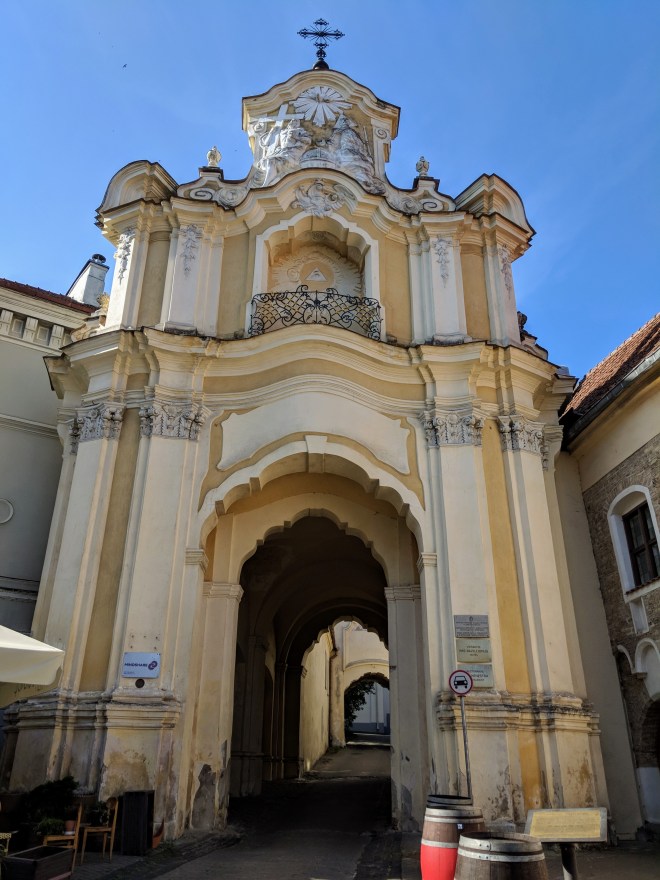
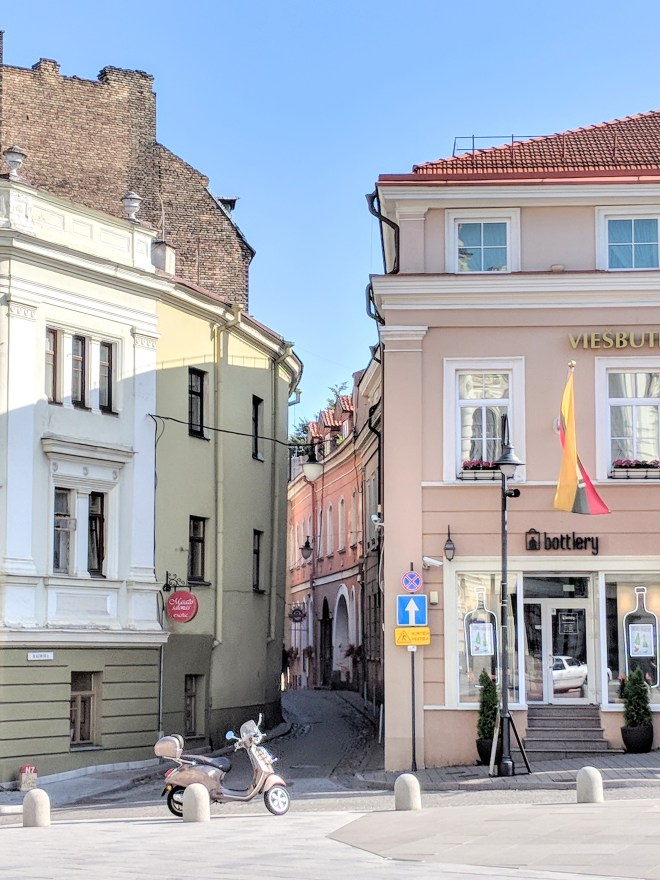
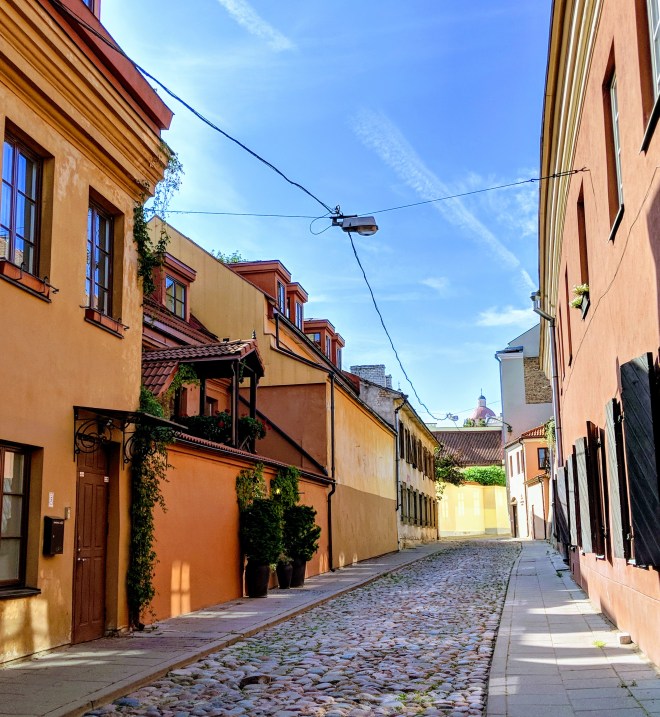
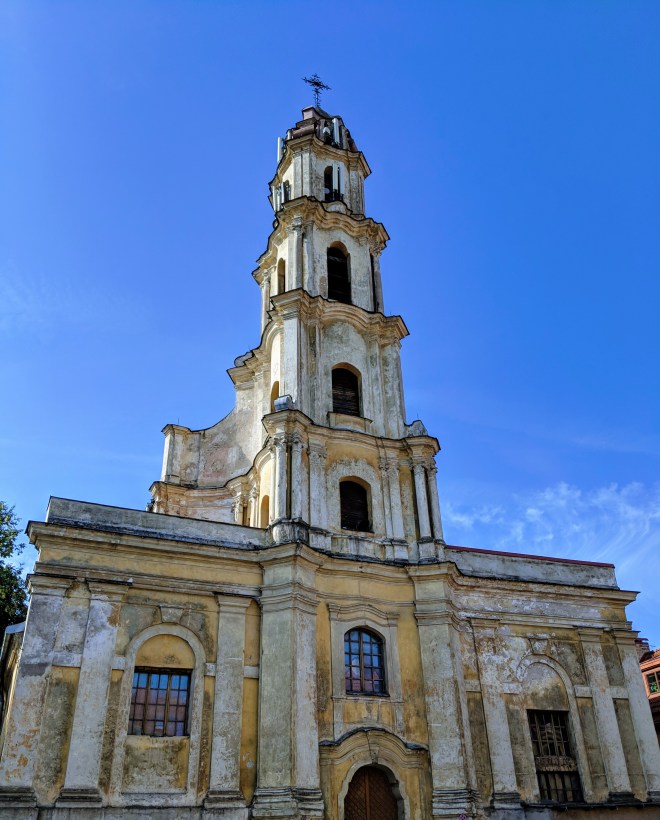
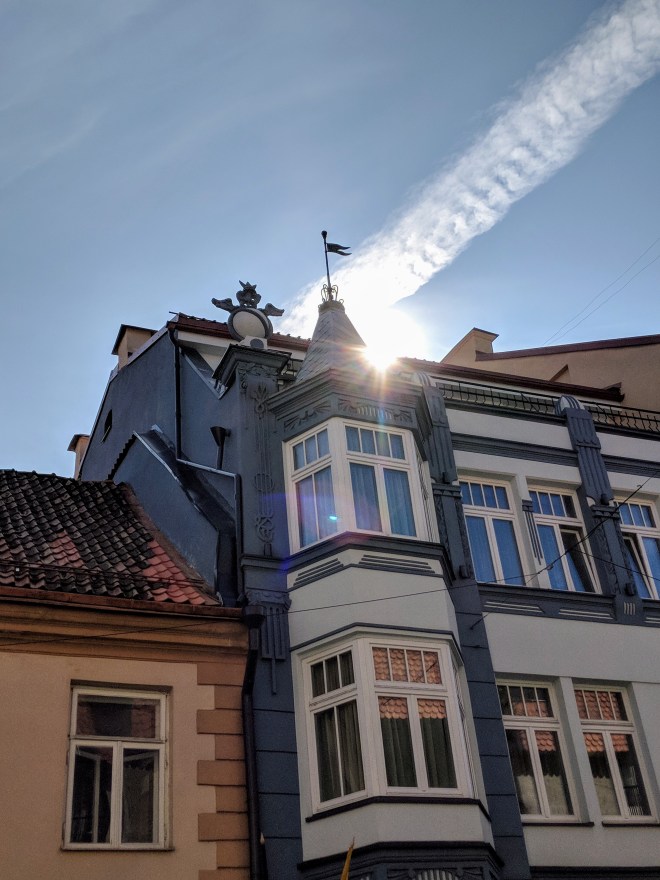
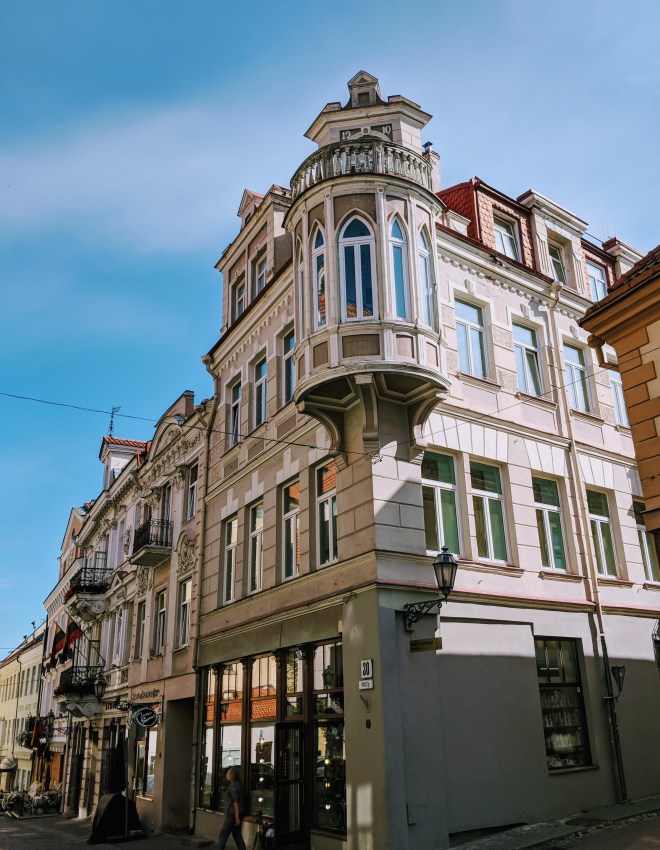
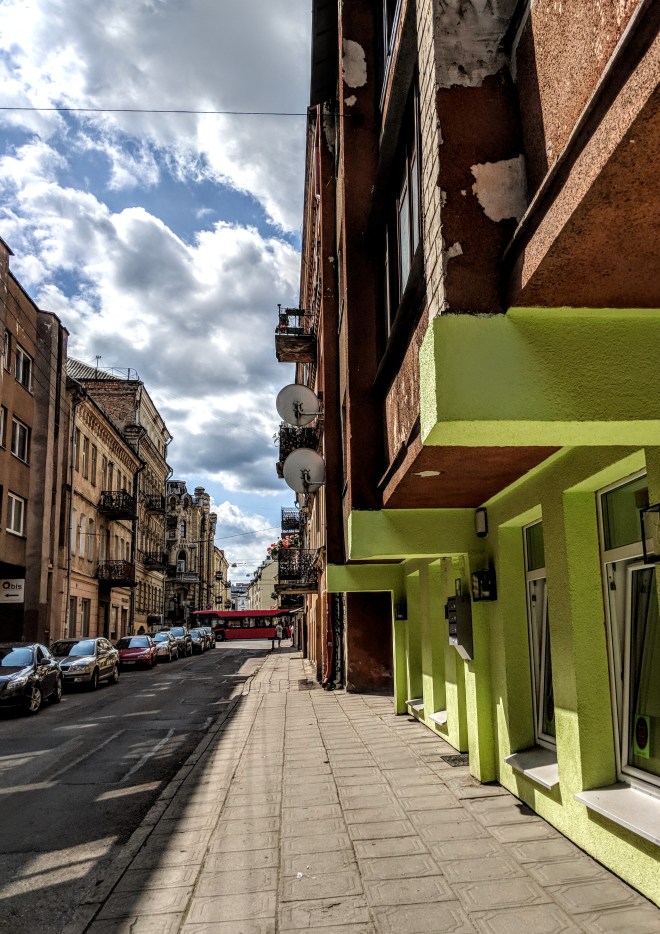
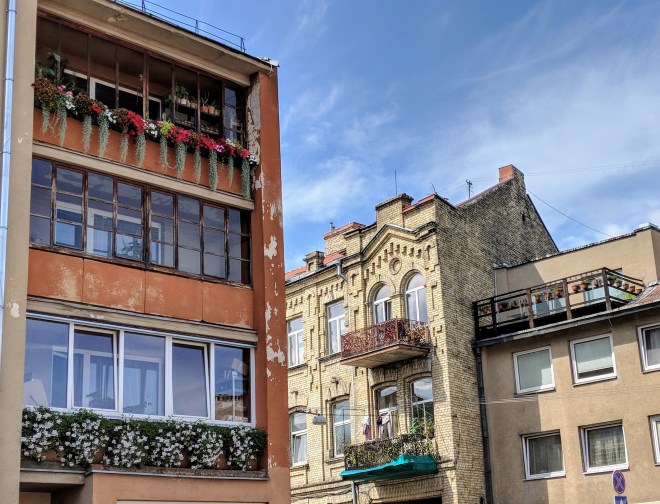
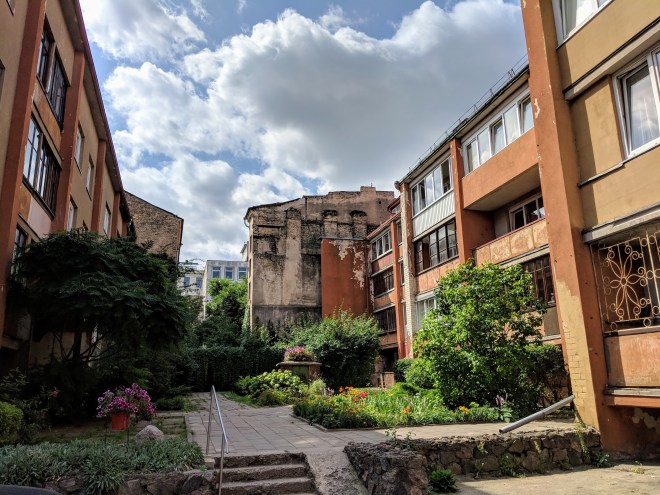
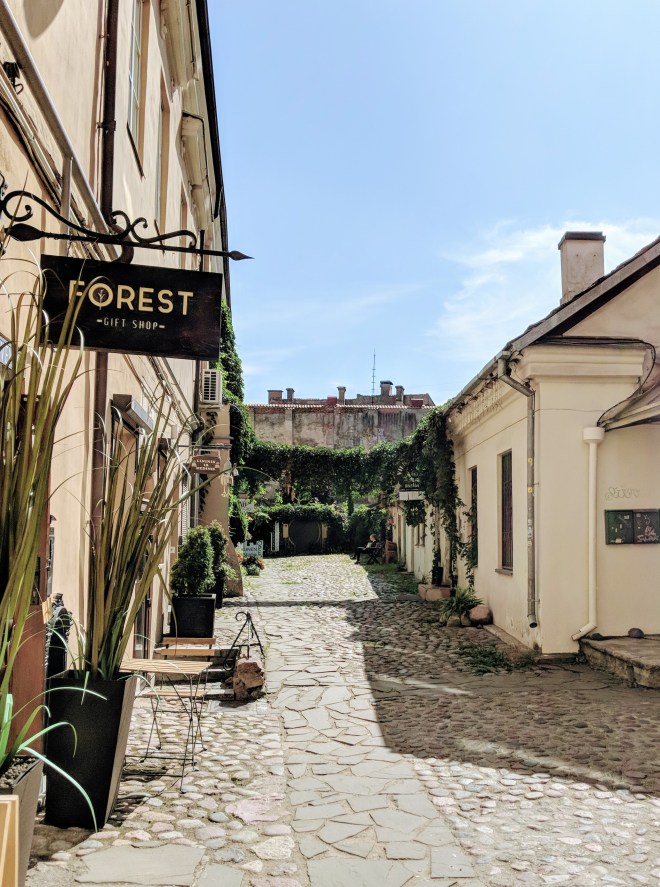
Vilnius Lithuania is the largest of the Baltic capital cities and doesn’t sport so much of a dedicated Old Town as a Where’s Waldo of historical sites tucked into the city. I was able to stay for over a week in a neighborhood barely this side of gentrification so it gave me the opportunity to explore further afield just by the nature of its location. Vilnius is chock full of charm and I got to see a bunch of it this way. I also got heaps of exercise which was absolutely necessary since the food is amazing!
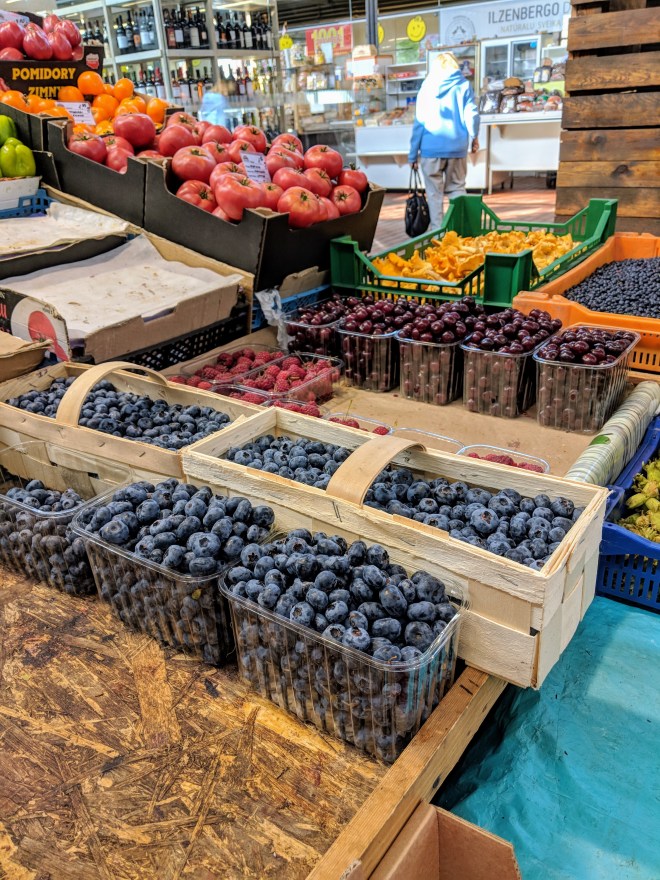
The first thing that struck me was just how much Lithuanians LOVE their “pink soup”. It’s this delightful cold concoction made with plenty of fresh red beets and kefir (if you don’t know kefir yet, think liquid yogurt or buttermilk – pure yumminess!). Sometimes you’ll find cucumbers, green onions, boiled eggs, or other flavor add ins. You can’t blink without seeing it on a menu, hearing it spoken on the street (or by one of your brothers), or just watching the empty pink stained bowls being carted back into the kitchen. This stuff is everywhere and for good reason, it’s delicious! Throw in a side of potatoes and some protein and you’ve got yourself a winning meal. Beets are a popular vegetable for recipes here, but being the middle of the summer, unlike the blueberries the size of my fist, beets weren’t readily available at the farmers’ markets, possibly because they had to sell what was available to local restaurants to avoid riots??

Pink soup!

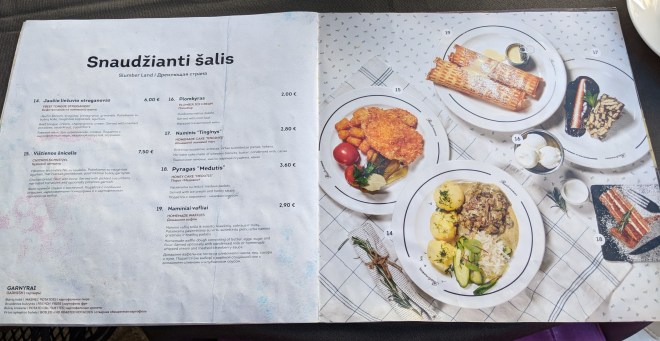
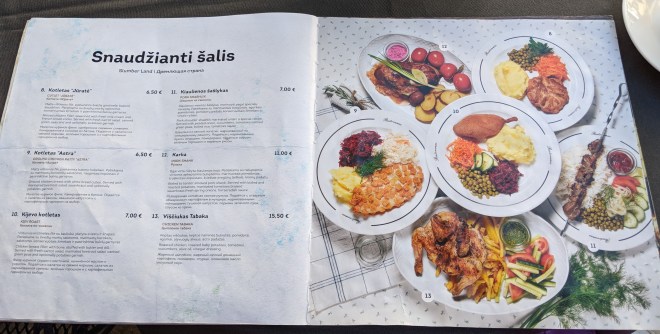
One cannot subsist on pink soup alone but it’s easy to find options to suit any palate in Lithuania. Dumplings and sausages come in many forms, oftentimes accompanied by some sort or other of garbanzo beans or potatoes and a big dollop of sour cream rounds out the meal. Lithuanian culture is obvious in the food options, heavily influenced by Polish and Ukrainian flavors. For instance, you can’t leave the country without ordering a cepelinai which is a filling (usually ground meat or vegetables and spices) surrounded by a potato mash. They’re called cepelinai because their shape resembles zeppelin balloons. There’s also no shortage of vegetarian, vegan, gluten free, etc… dietary options, either. In summary, eating is a fun pastime in Vilnius. I’m cheating and have provided you some sample menu pages below from a restaurant I frequented due to its Lithuanian bent, location in a great people watching spot, good service, and generally good food execution.

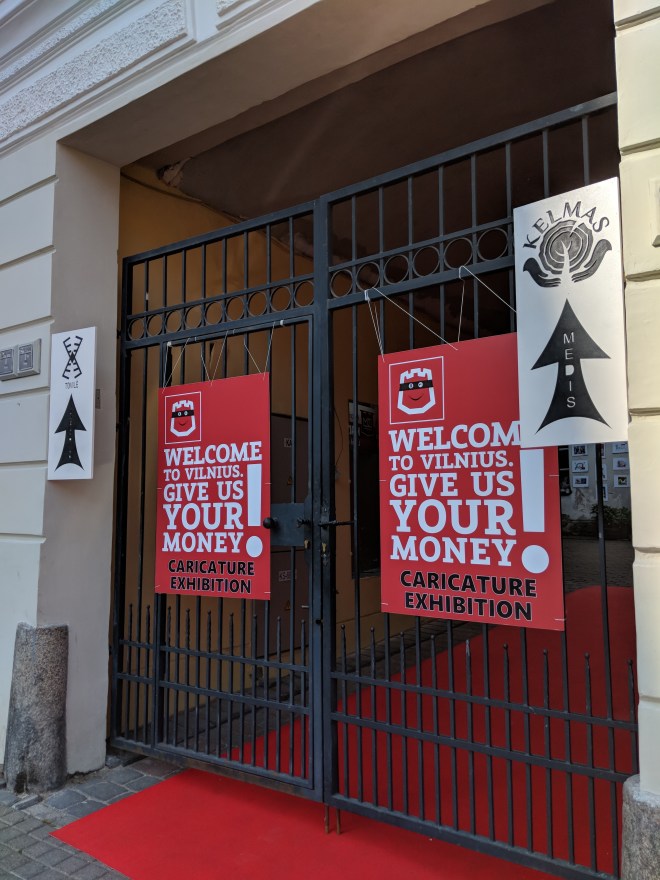
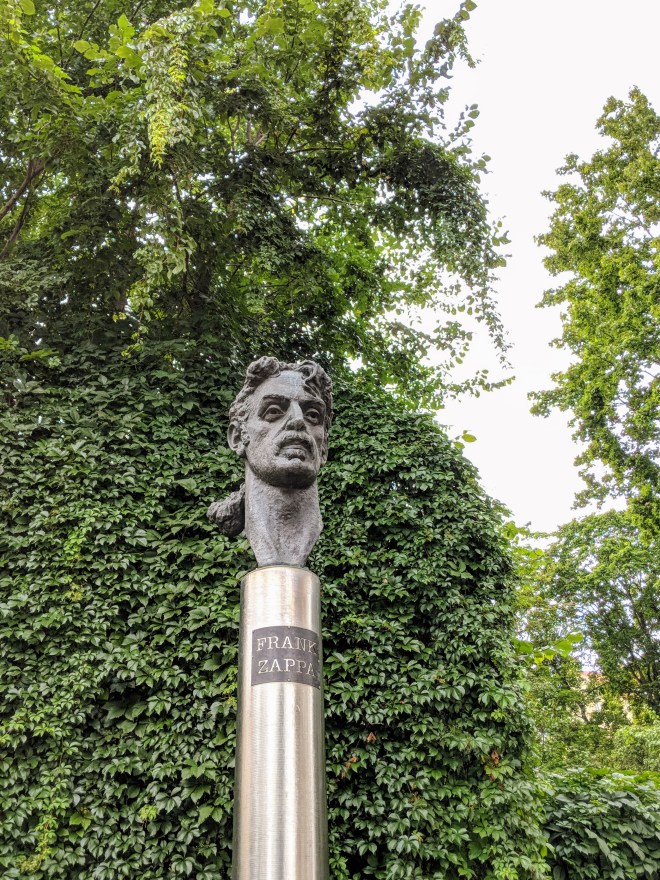
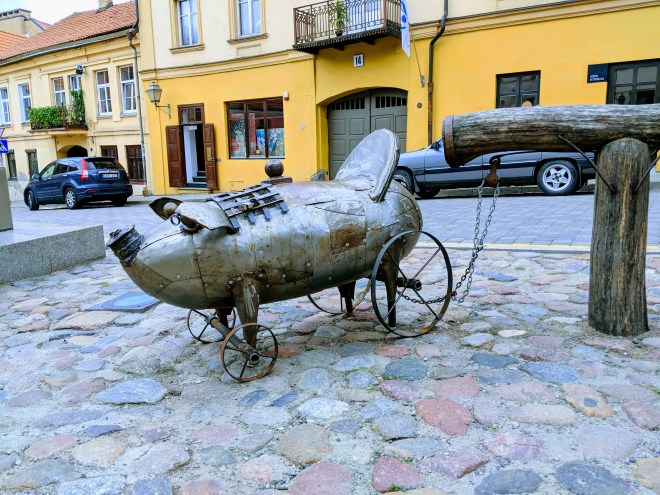
Being under communist rule for so long, when the curtain fell, having the right to their own identity in all things was of utmost importance. Part of the reason Lithuania became the first country to gain independence from the USSR is because of the way they protested with such fervor. Vilnius was the beginning of the longest human chain in (at that time) history, assembled with over 2M people and nearly 420 miles of unbroken human flesh, often referred to as The Baltic Way as it encompassed Lithuania, Latvia, and Estonia, ending in Tallinn. It’s with delight and some amusement to witness the physical manifestation of that freedom throughout the city. Whether it’s a mural of Trump and Putin sharing a joint or a giant brass sculpture of Stalin with a pig snout, these folks show they are free!

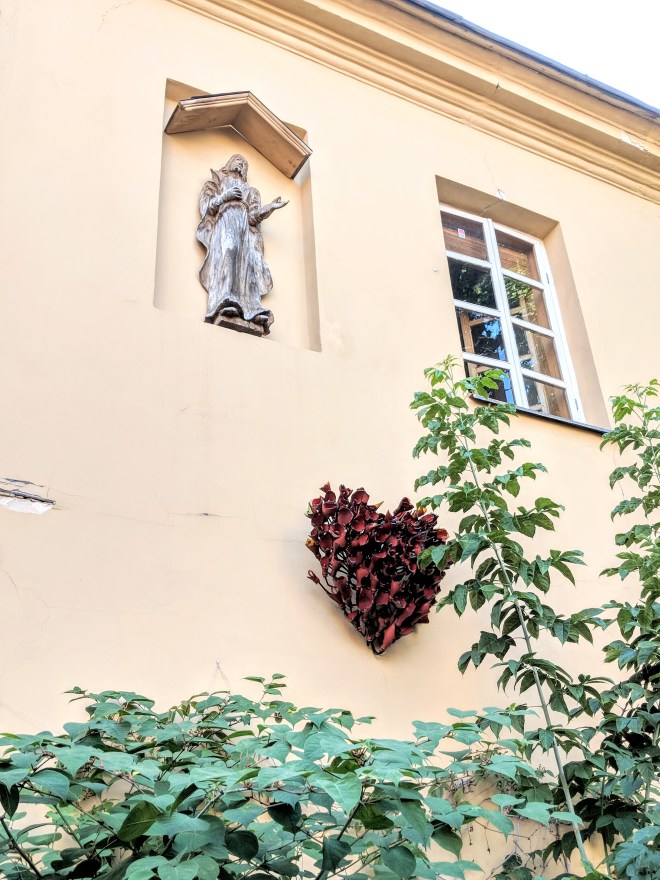
Freedom of expression in bar form

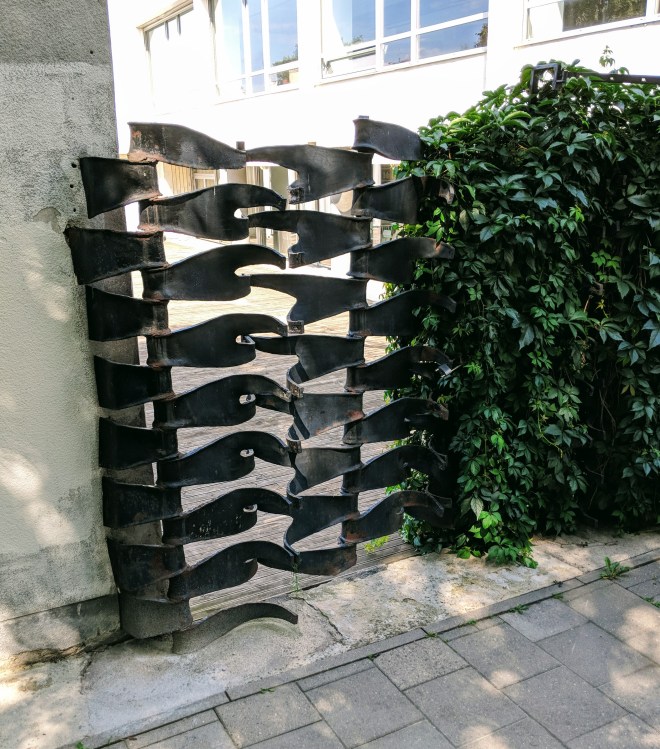
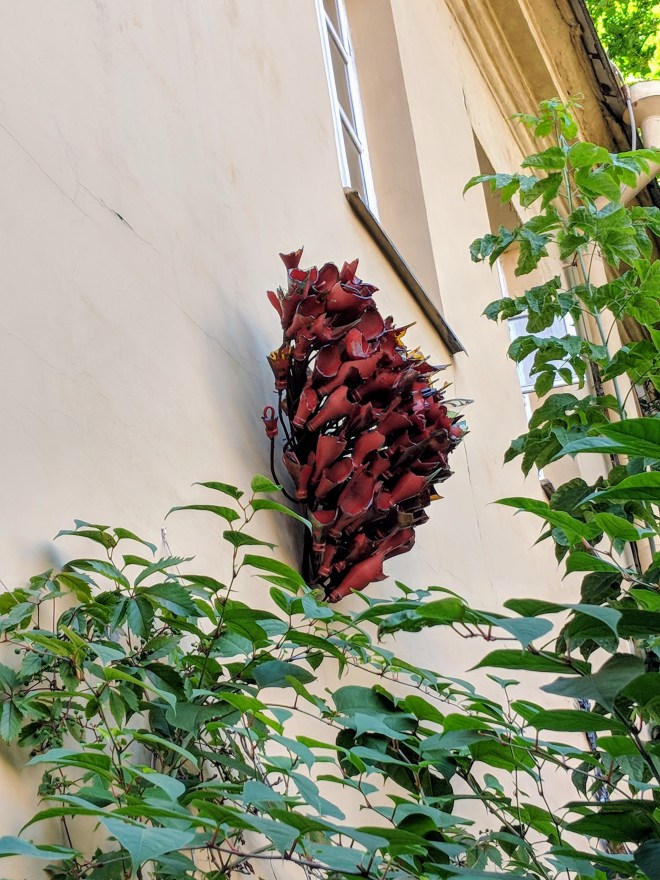
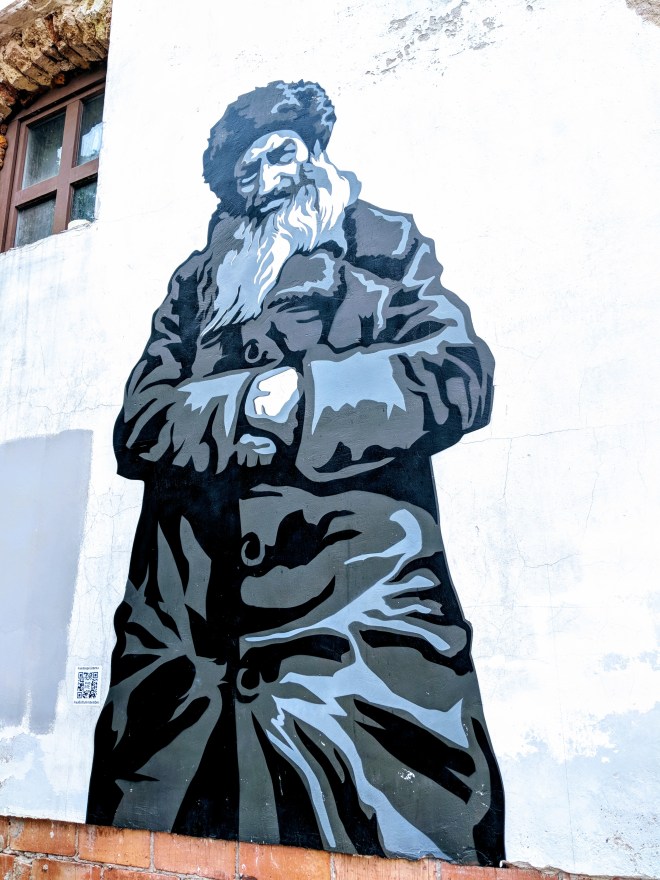
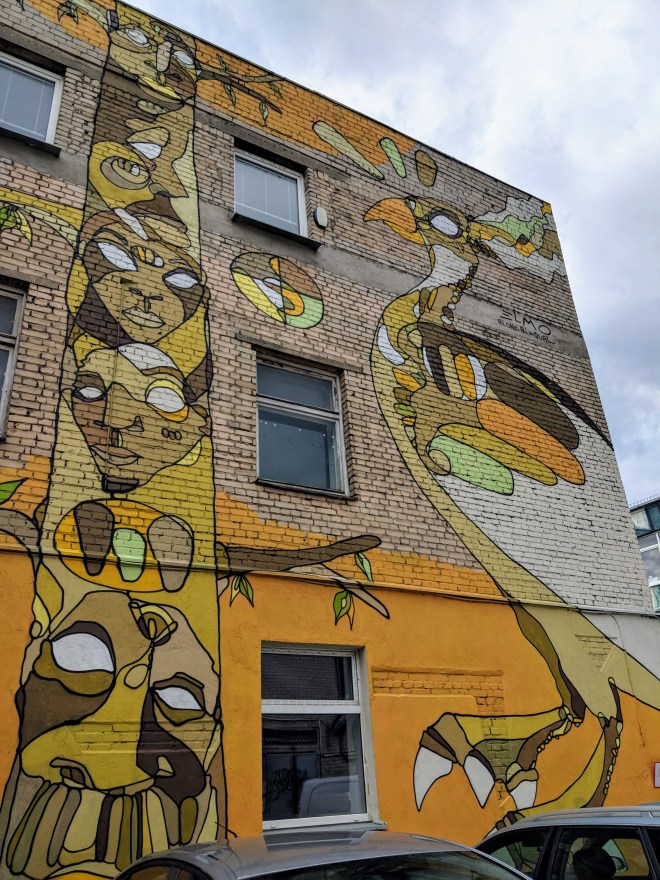
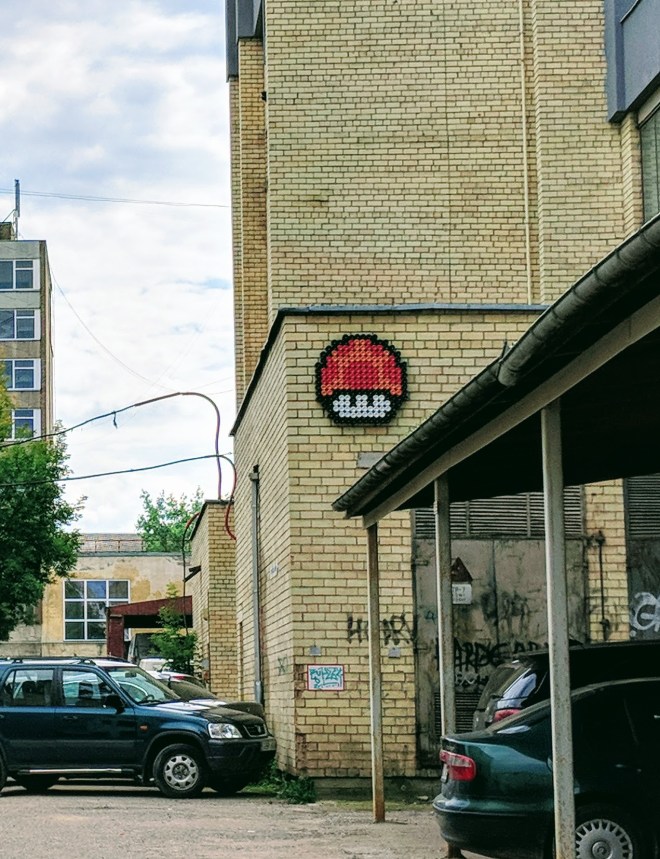
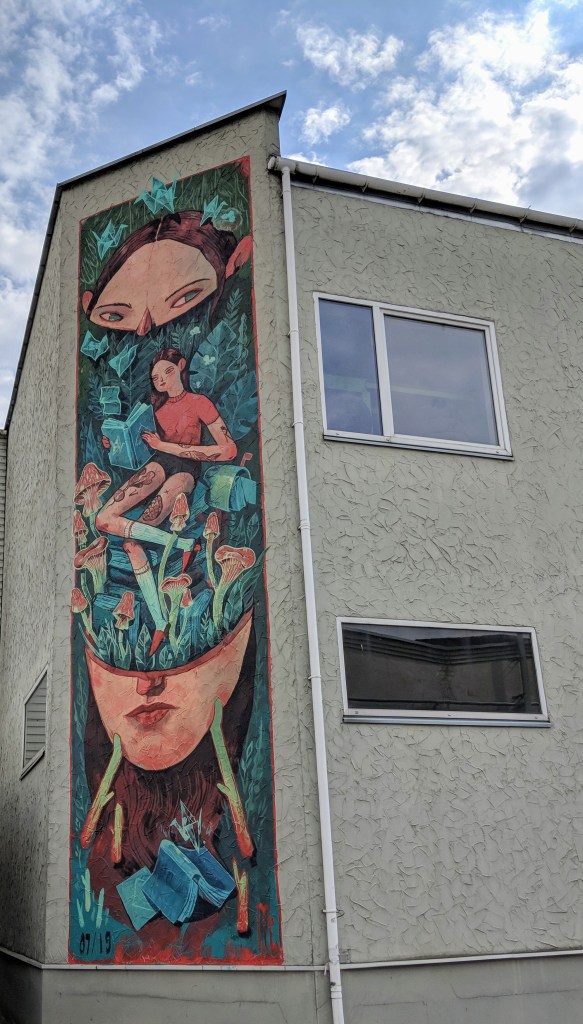
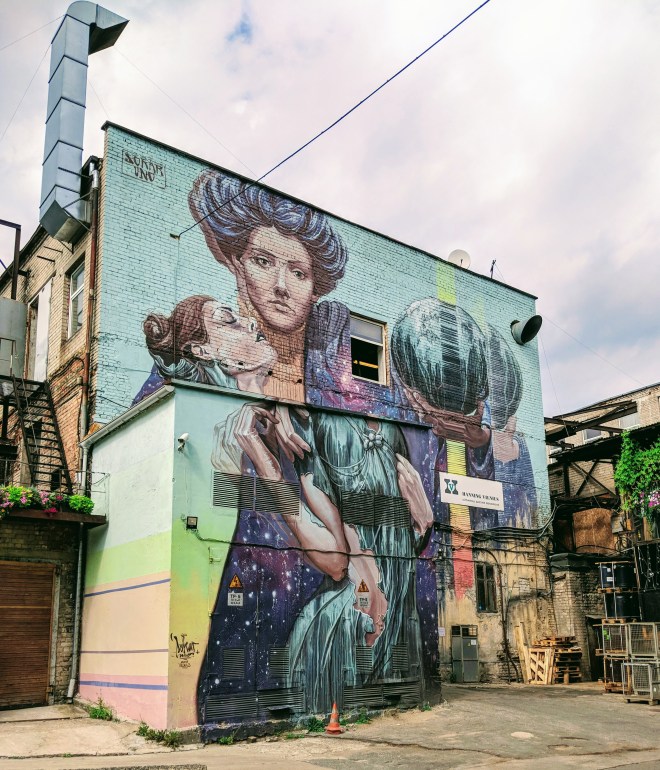
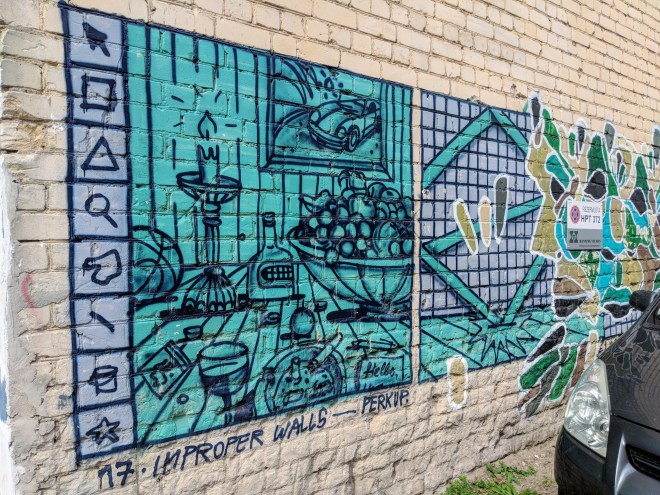
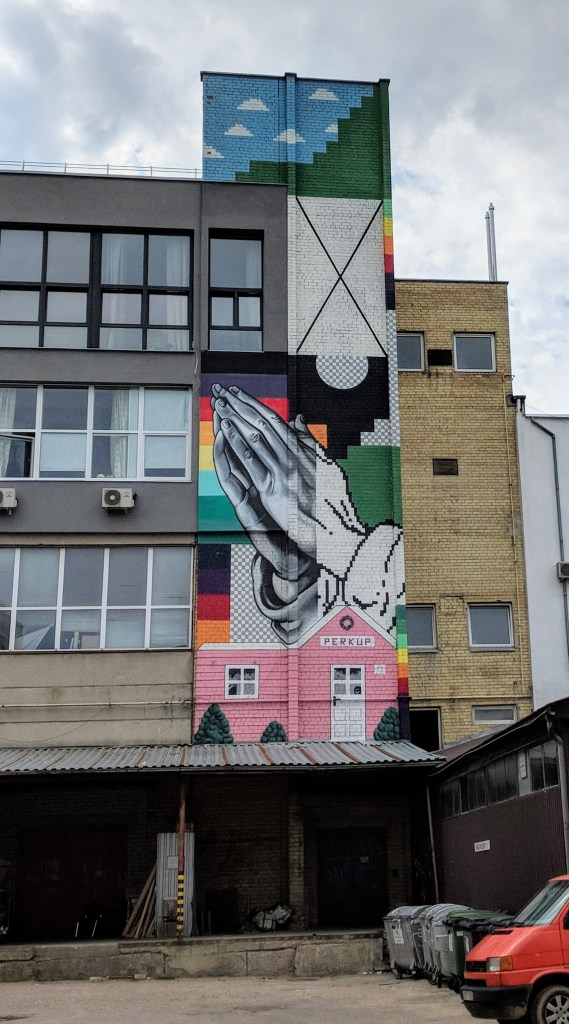
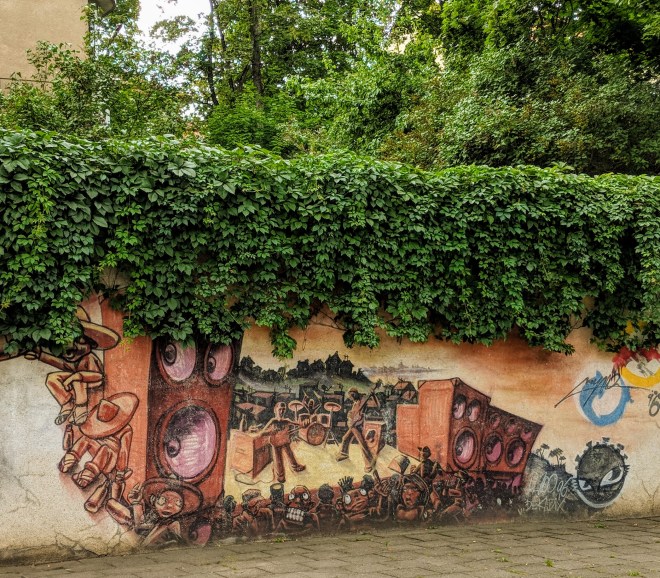
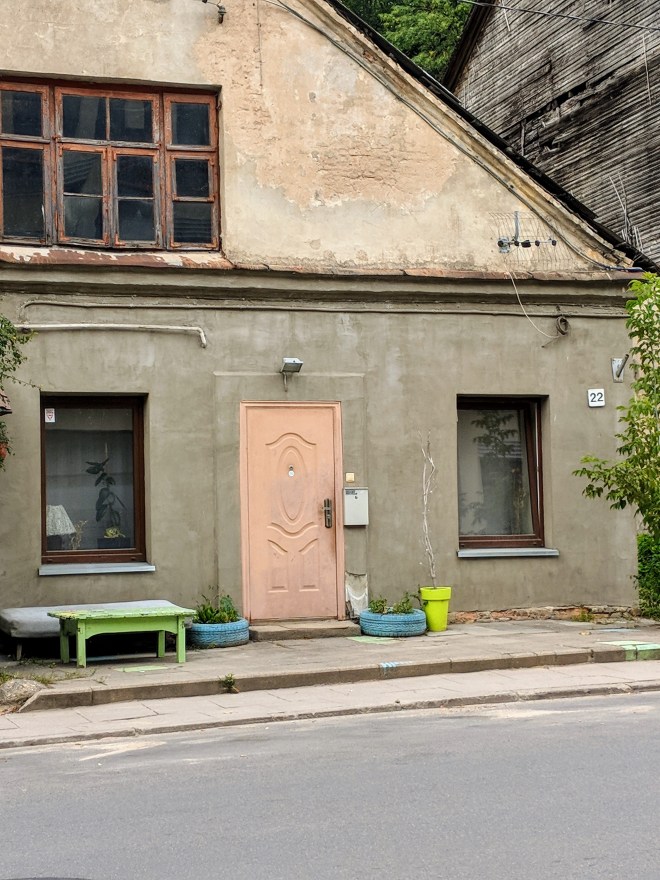
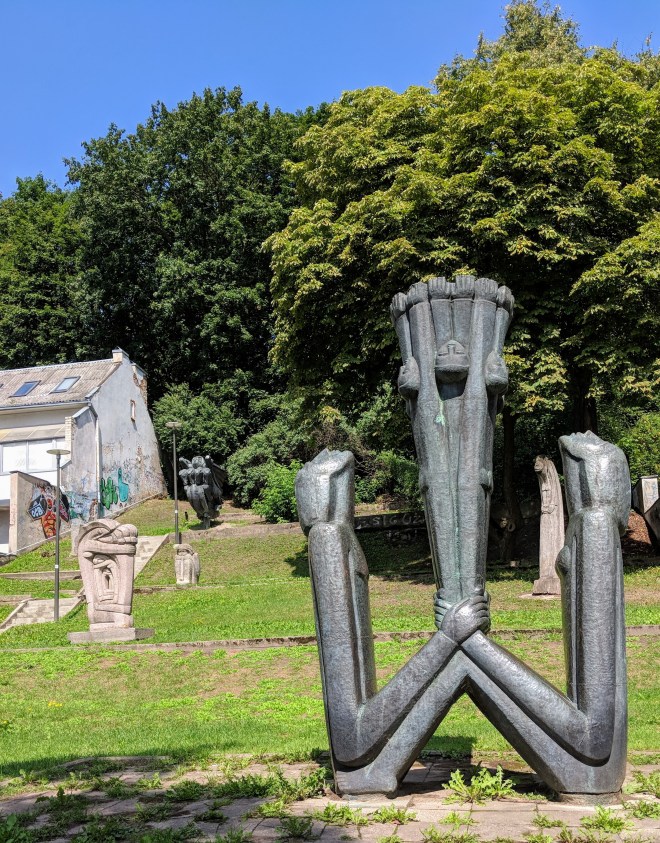
Vilnius is a vibrant city in general with art installations as far as the eye can see, including re-purposing a broken down industrial area into a giant open air gallery and music venue while the buildings are being rebuilt.

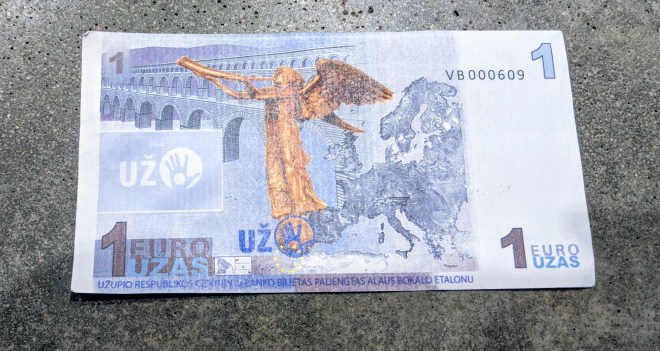
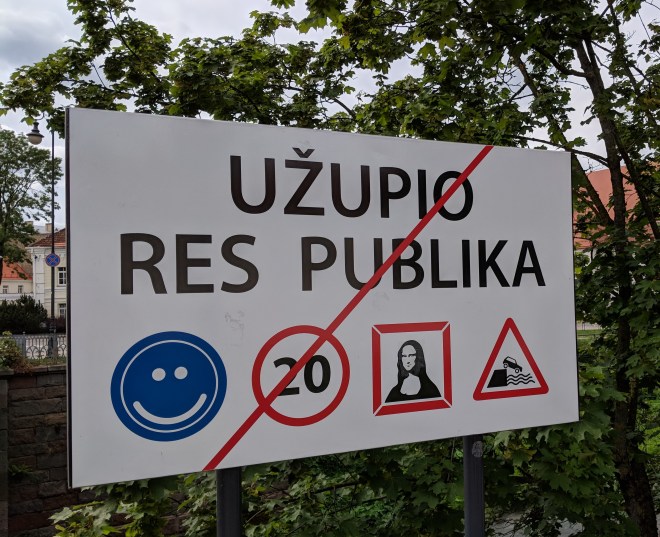
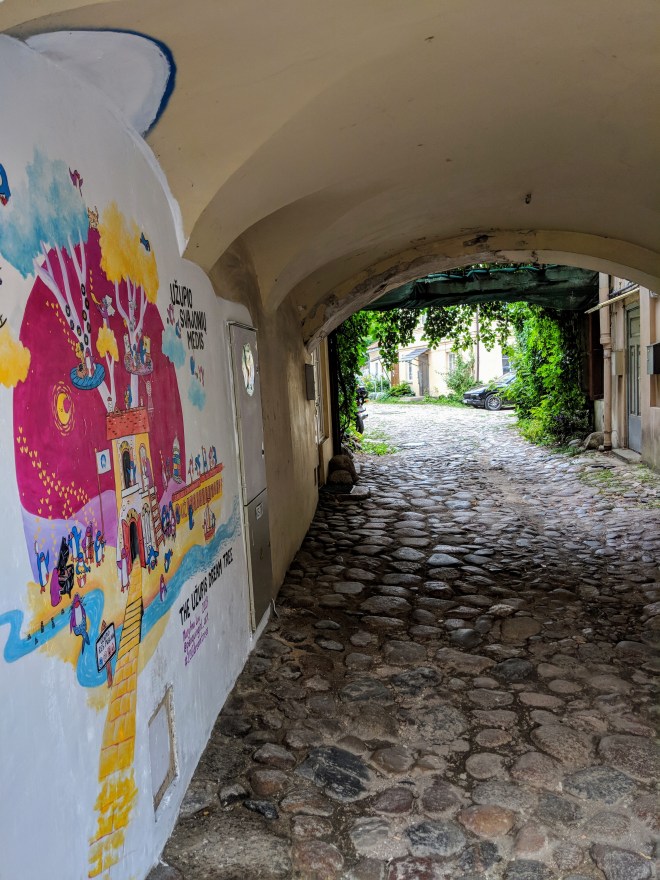
One group took their love of art and bohemia one step further and declared themselves and independent nation with their own currency and laws, filled with… you guessed it – Artists. Welcome to the Republic of Užupis, but only if you smile. On their independence day, April 1 (1998), not only is there a giant party, but you are checked at the bridge to verify there’s a smile on your face or else be denied entry.
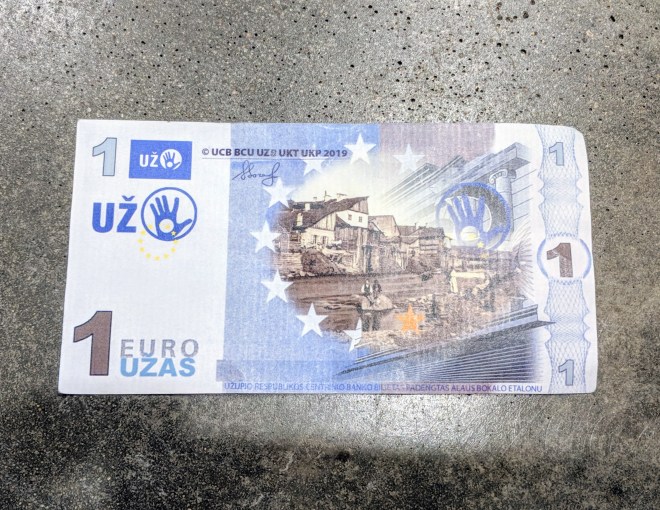
See, Uzupis has smiling as an entrance requirement
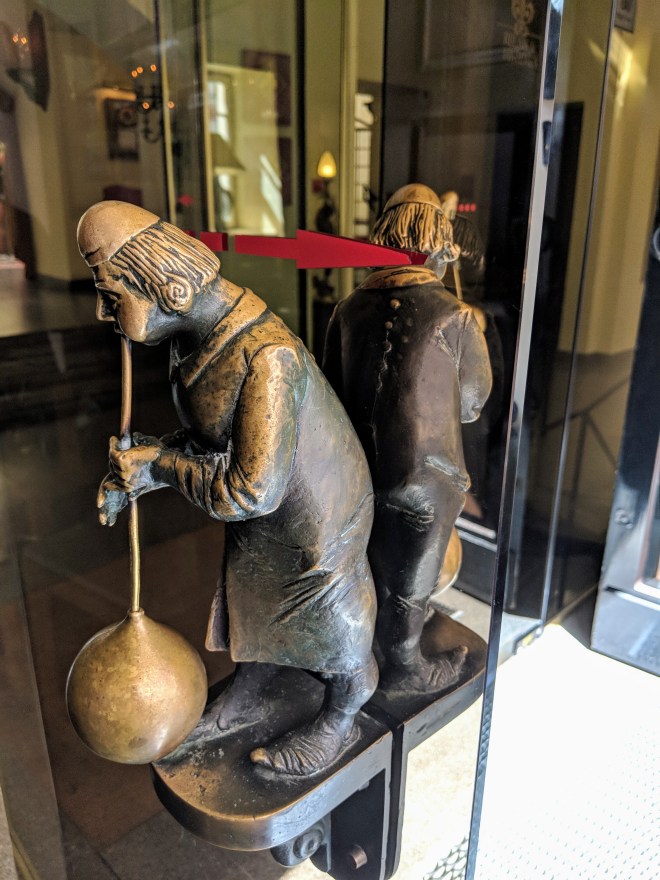
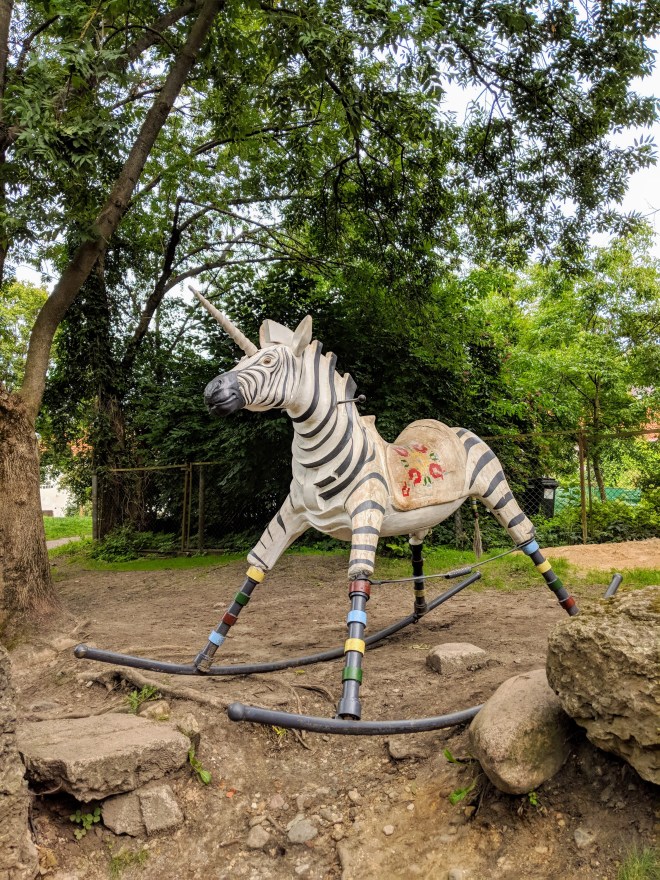
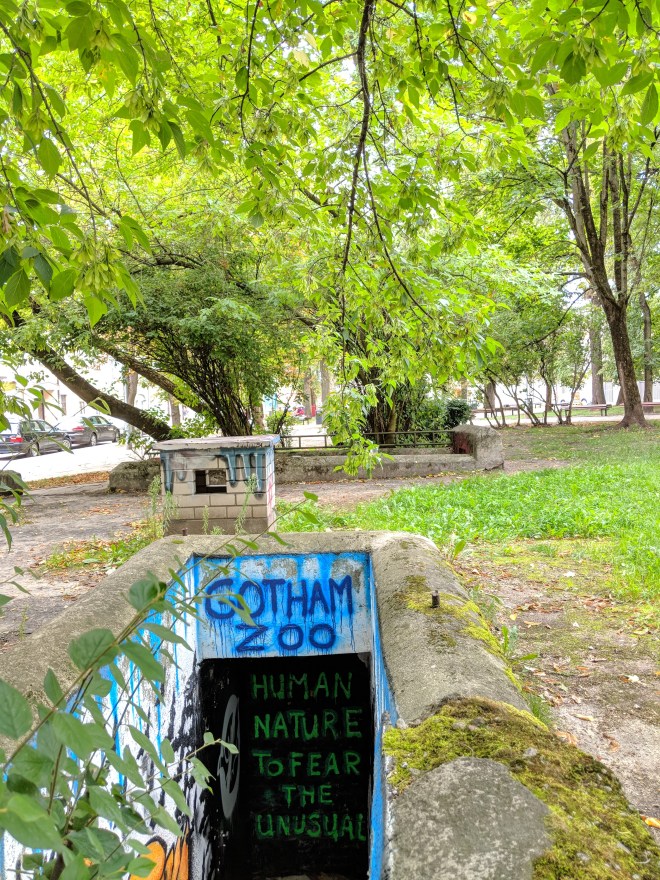
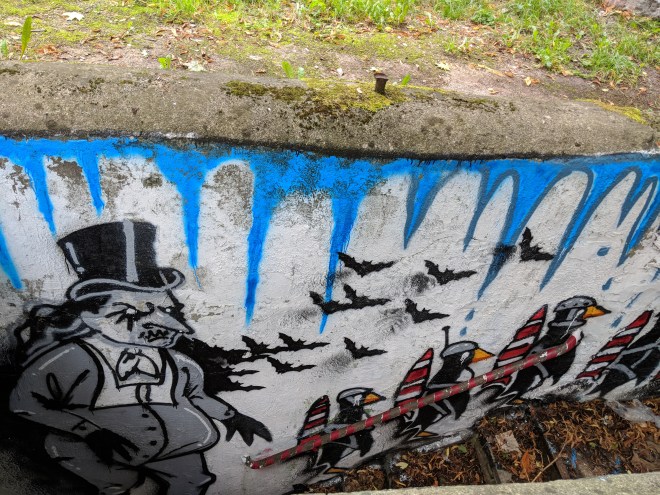
Uzupis art

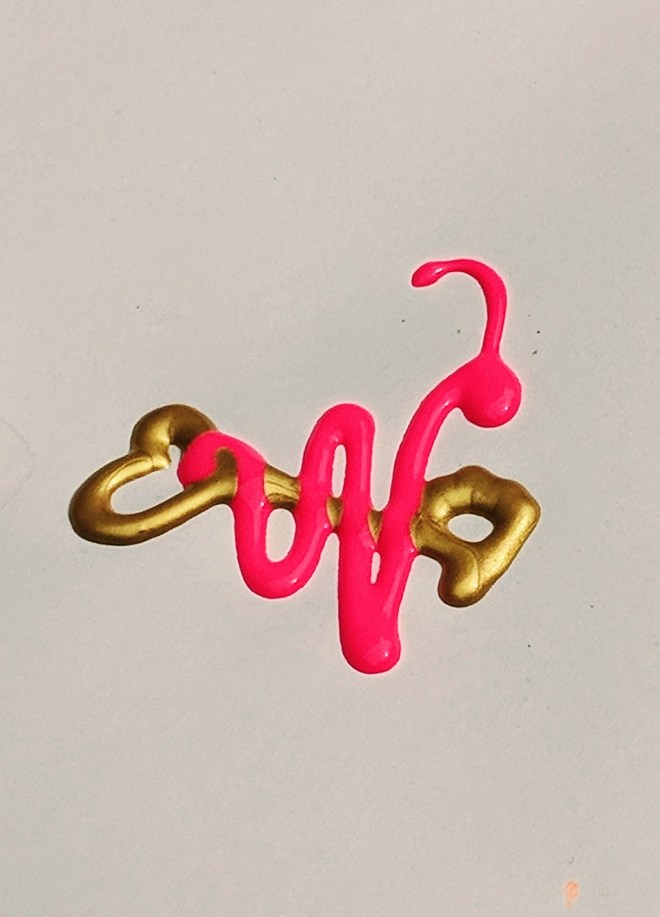
What a beautiful and welcoming community they’ve created, taking “laid back” to a new level. What once was a completely run down section of the city where squatters had destroyed what was left of the buildings, is now a beautifully colorful and lively spot to express oneself. Just walking down the street, you can feel the warmth; strangers being invited to play with paint without fear of solicitation to buy something, just to explore their inner creativity. My little piece wasn’t museum quality, but it sure did make me happier for having experienced it and the lady handing out the tools was the epitome of joy, smiling with every fiber.

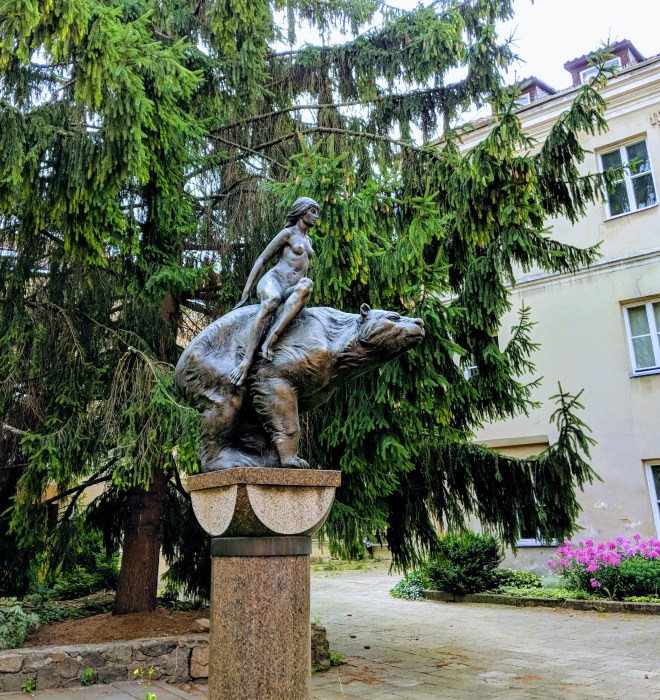
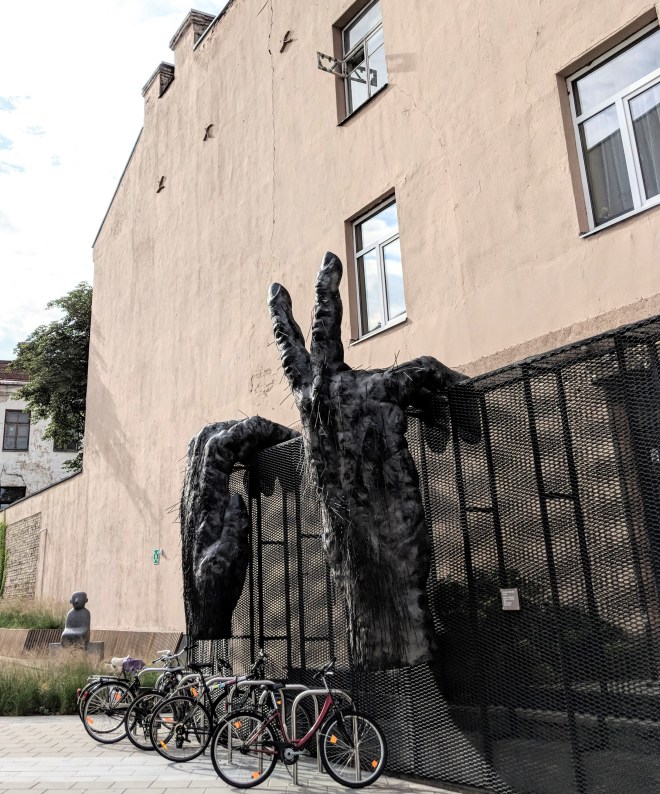
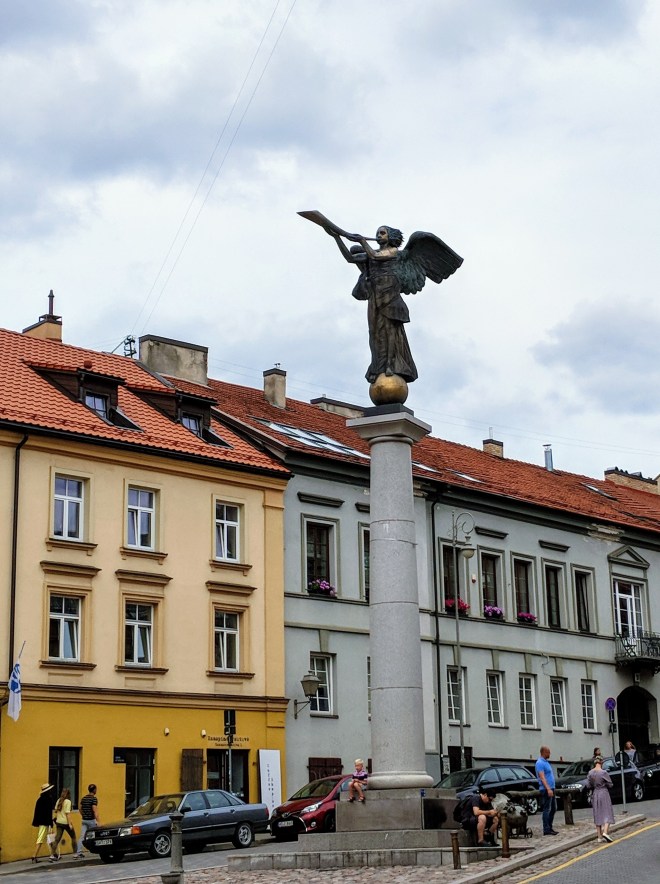
The flag of Užupis is simply an open palmed hand with a hole in the middle to signify keeping an open mind. This is repeated in symbols throughout the small nation to remind everyone what they stand for. No matter the medium, art is god, here; Sculpting, painting, music, poetry, interior design, practicing kindness, you name it! They started the nation with a 12 person military in order to keep the peace as they were forming, but eventually realized they no longer needed any type of force and instead, erected a beautiful lady angel in the center of the nation to watch over its residents. Užupis is translated as “across the river” since that’s where it’s located in terms of Vilnius. No overthinking allowed. It’s tempting to move in right away.

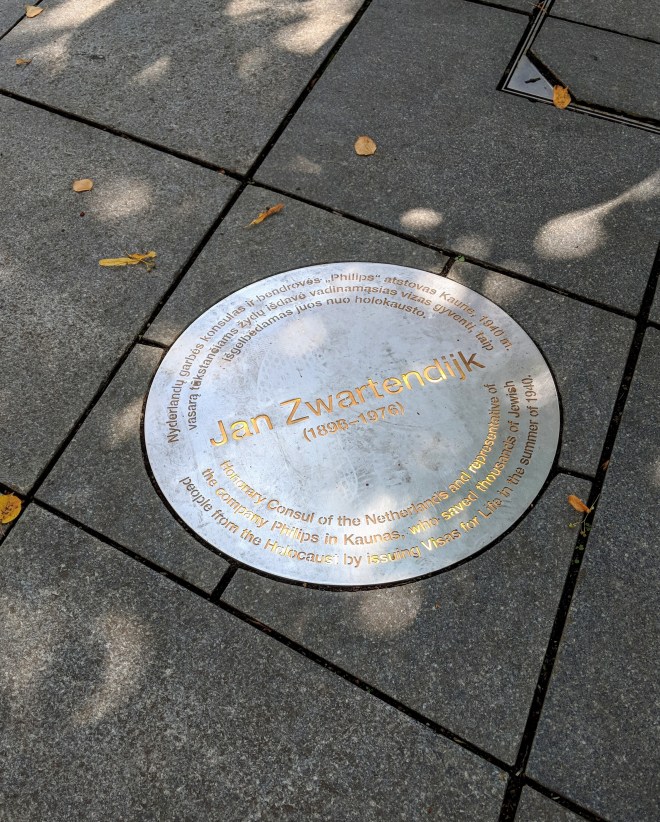
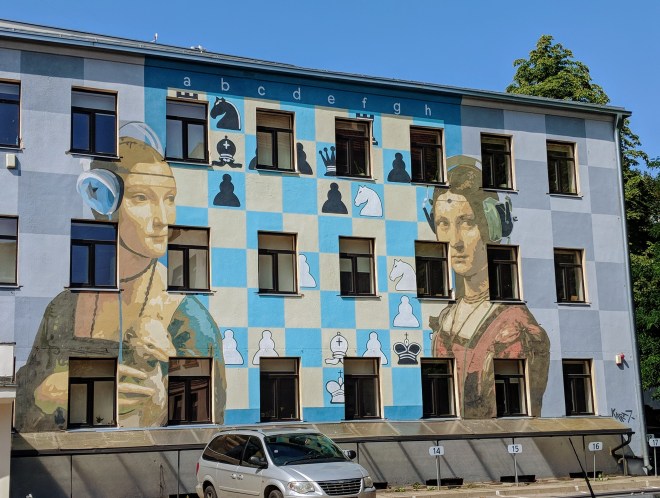
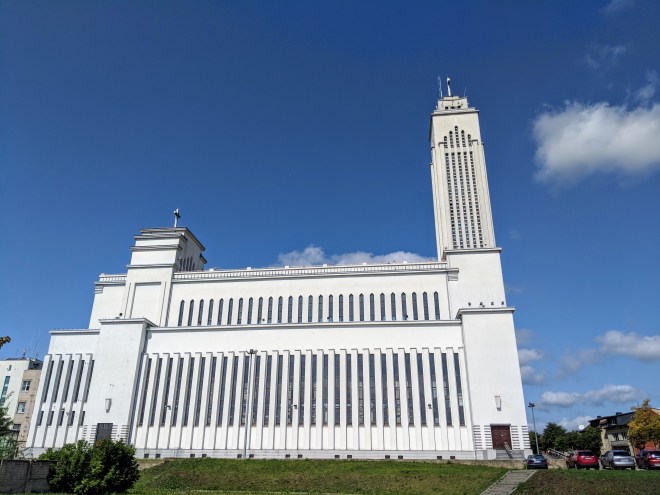
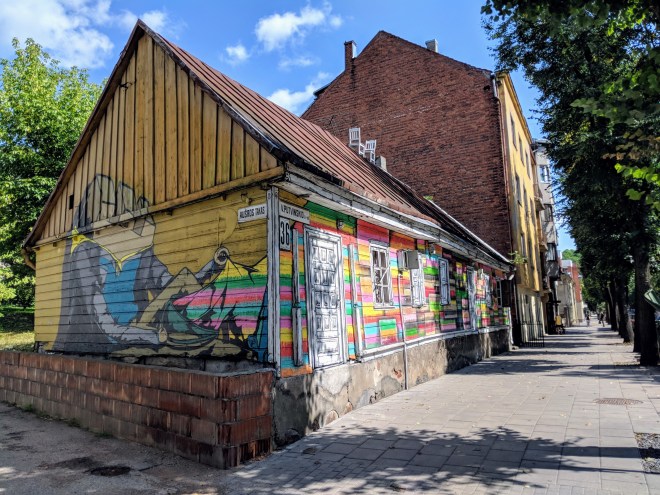
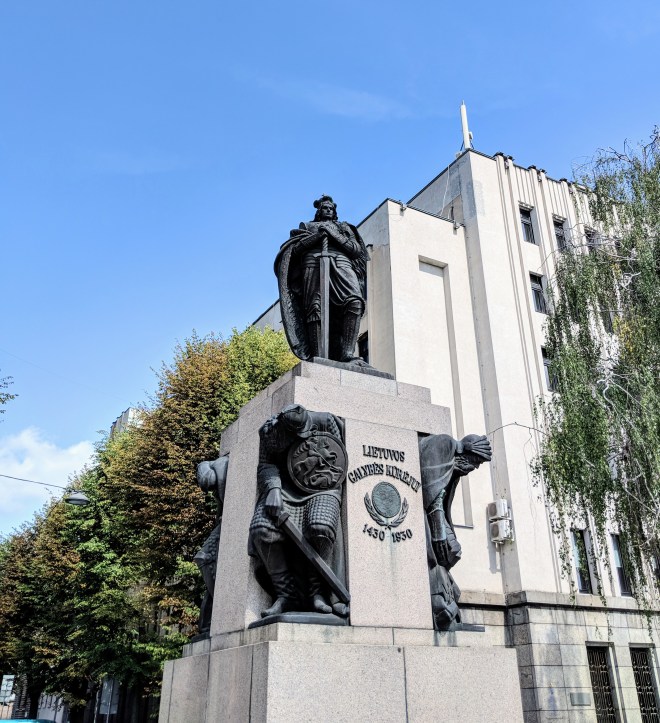
Due to politics, Vilnius was not always the capital of Lithuania, even during the years Lithuania was a country; at more than one time, the nearby city of Kaunas was the country’s seat. I made my way over there one day since it’s only about 100km west and took a peek at the city. The Old Town is intersected with a wide, scenic promenade but at the time of my visit, the entire promenade was under construction and blocked off with fencing. Since the charm of Old Town wasn’t so evident, I just walked the outer city streets and didn’t get much of a chance to learn, so instead, here are some Kaunas pictures. 🙂

Lively Riga on the Sea

Holy market, Batman! In Riga, Latvia, I went the wrong way getting off the bus… again. Although this misdirection made me cross multiple train tracks, putting my poor luggage through the ringer, then landed me in the middle of traffic, it also showed me the amazing Riga central market! It’s like I stepped into a new world, it was so full of life! This place is not only the spot for fresh produce, meat, and seafood, oh no. You can find sneakers and sweaters and pots and fishing poles and jewelry and plants and BBQs and diapers and and and and… In 1922, before the rise of retail shopping, Riga started planning this mammoth market and bazaar. Once finished, it became the cultural, social, and economic center of the city and region. (Vegetarians, skip to the next paragraph) The giant building dedicated to meat (yes, just meat, there are other giant buildings for seafood, etc…) was an assault on my senses; so much that I started immediately salivating. Pork is the big meat in Latvia, but there were racks and cases full of lots of clean, fresh flesh. Sausages and salami dominated at least a quarter of the place with so much variety, I’d never be able to choose. If I’d have been there longer, oh the picnics I would have had! I’m sorry to say that I have no pictures to share with you, I was too busy gawking, myself.
The market is likely the only spot in or near old town where you can find the little old Latvian ladies chatting (gossiping and arguing, mostly) in actual Latvian. This language is so much more familiar to me than that of Estonia, they actually have some consonants! Of course being there only four days, I learned nothing more than please and thank you, but reading signs and hearing snippets of conversation, I felt that I could eventually get in on the action were I to stay longer. The words were reminiscent of my high school Spanish, so when I went to wander the bigger city, I felt infinitely more comfortable that I could cobble together enough brain power to get back to where I started.
In a lucky turn of events, I met an English speaking couple on the bus when we were all terribly confused as to what the hell the bus driver was saying in Estonian. These two are kick ass people who are intelligent and dorky, so obviously my spirit animals. Having been in near seclusion for the previous couple weeks, meeting kindred spirits was a welcome delight! We toured Riga together and found the city holds a ton of charm. One evening, we stumbled on a cute outdoor restaurant with live music and spent hours watching, listening, and sometimes singing. Between the great song choices, the little girls in pink who had no fear, and the very talented folks who took advantage of the small dancing area, we were completely entertained; It’s when the band would play a Latvian song, the entire crowd perked up. Wow! Normally, I’d expect the crowd to be solely tourists, but there were obviously a ton of locals both seated and crowding around the venue to wiggle and hum along with great big smiles. Incredible.

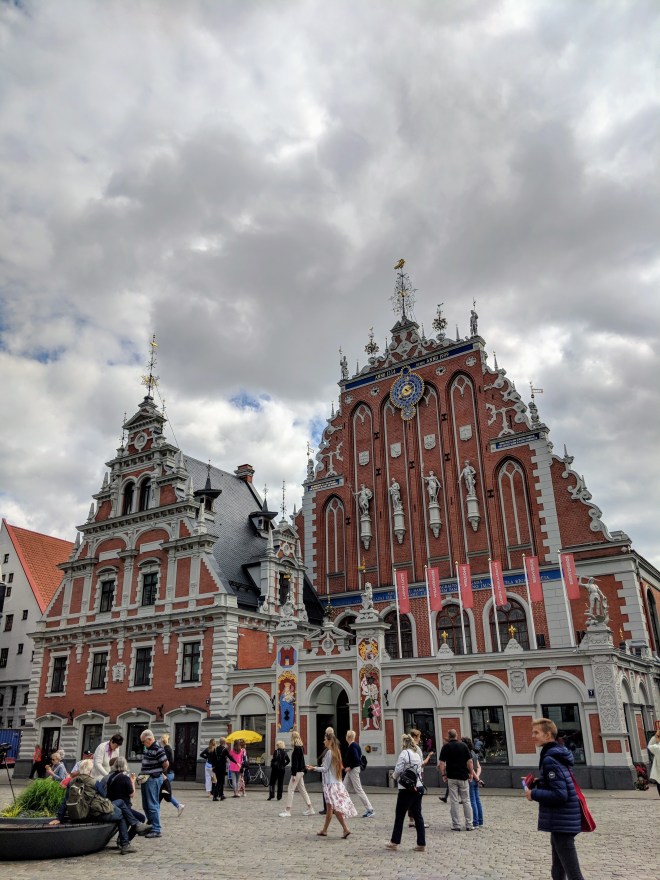
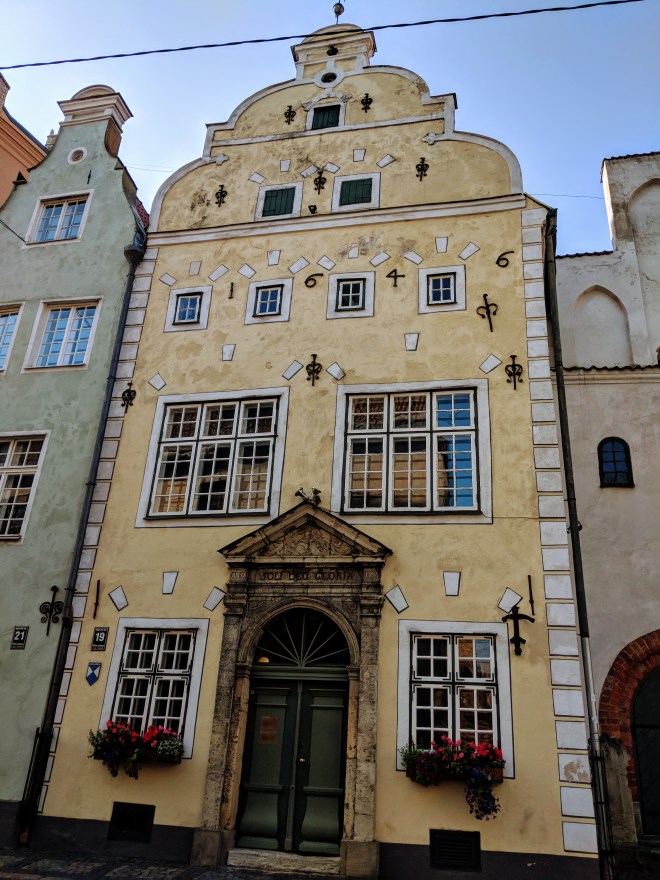
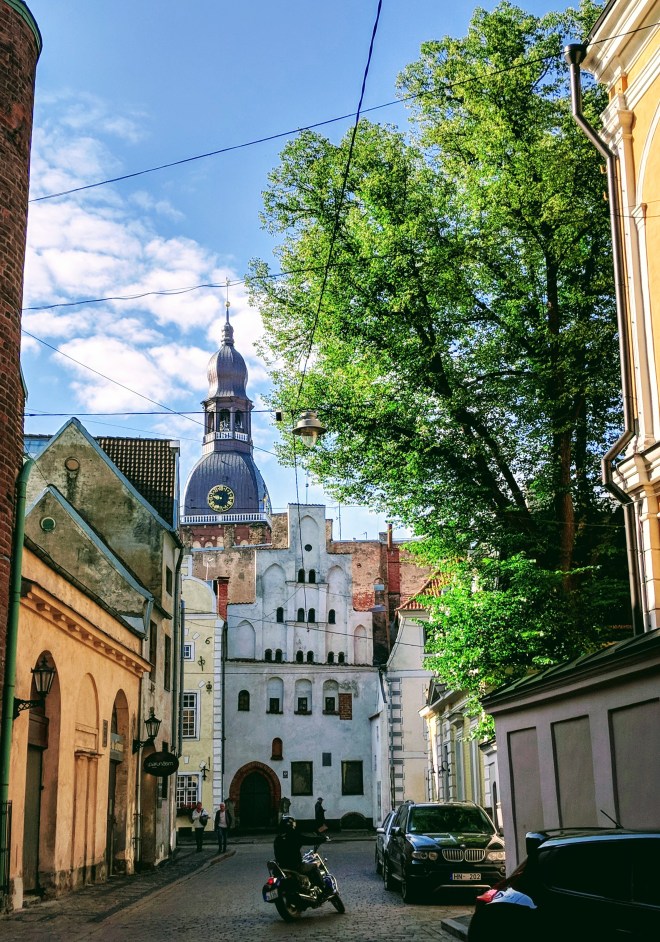
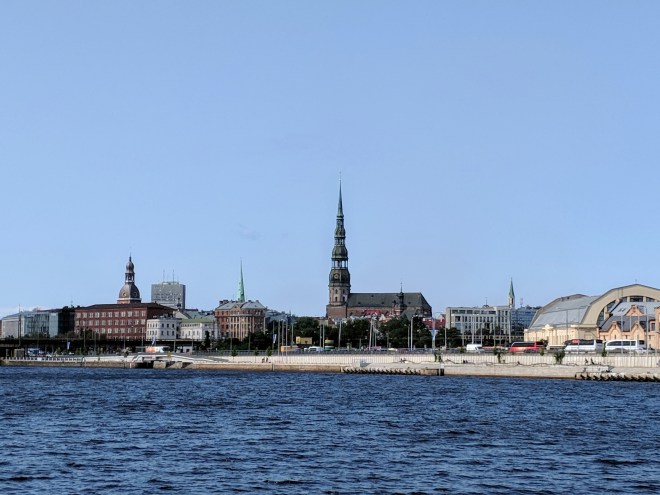
Wandering the cobblestone streets and secret passageways in Riga was a joy made infinitely better having good folks along. We wandered past the oldest houses in Riga, called the “Three Brothers” which are leaning slightly and dwarfed by the cathedrals built in their neighborhood. We also learned about the only synagogue in Riga which was not destroyed during WWII, but only because it was uncharacteristically attached to the buildings next to it. There’s a beautiful, eclectic suite of buildings called the “Blackheads” (yes, please insert pimple joke here) which is the place where the young, unmarried dudes would hold their union meetings and make decisions. By meetings, I mean parties. By decisions, I mean suggestions for the older, married dudes who actually made city decisions over in another building. Over the centuries, with different architectural and theology influences impacting the region, different elements were added to the facade, creating this quirky exterior.
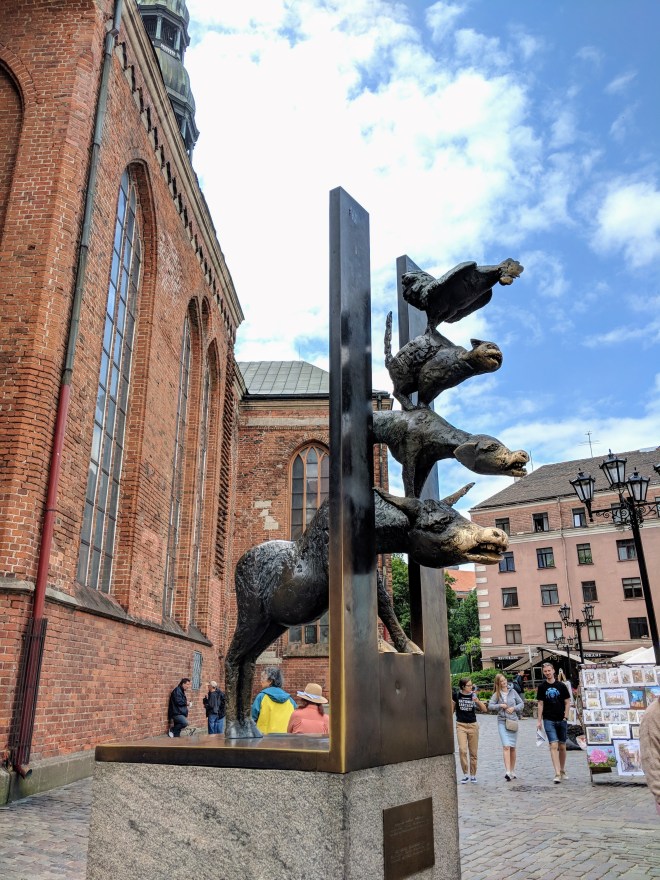
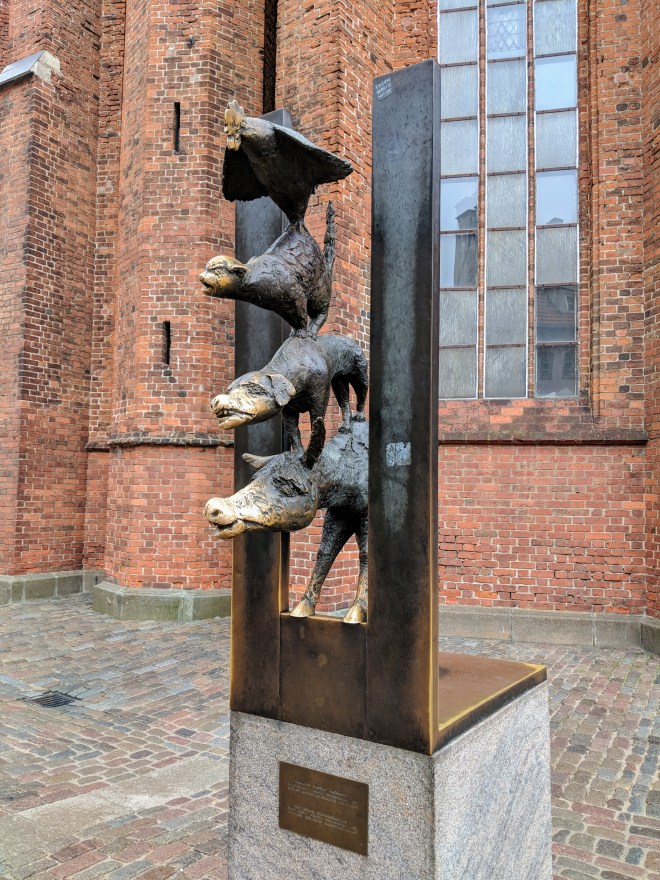
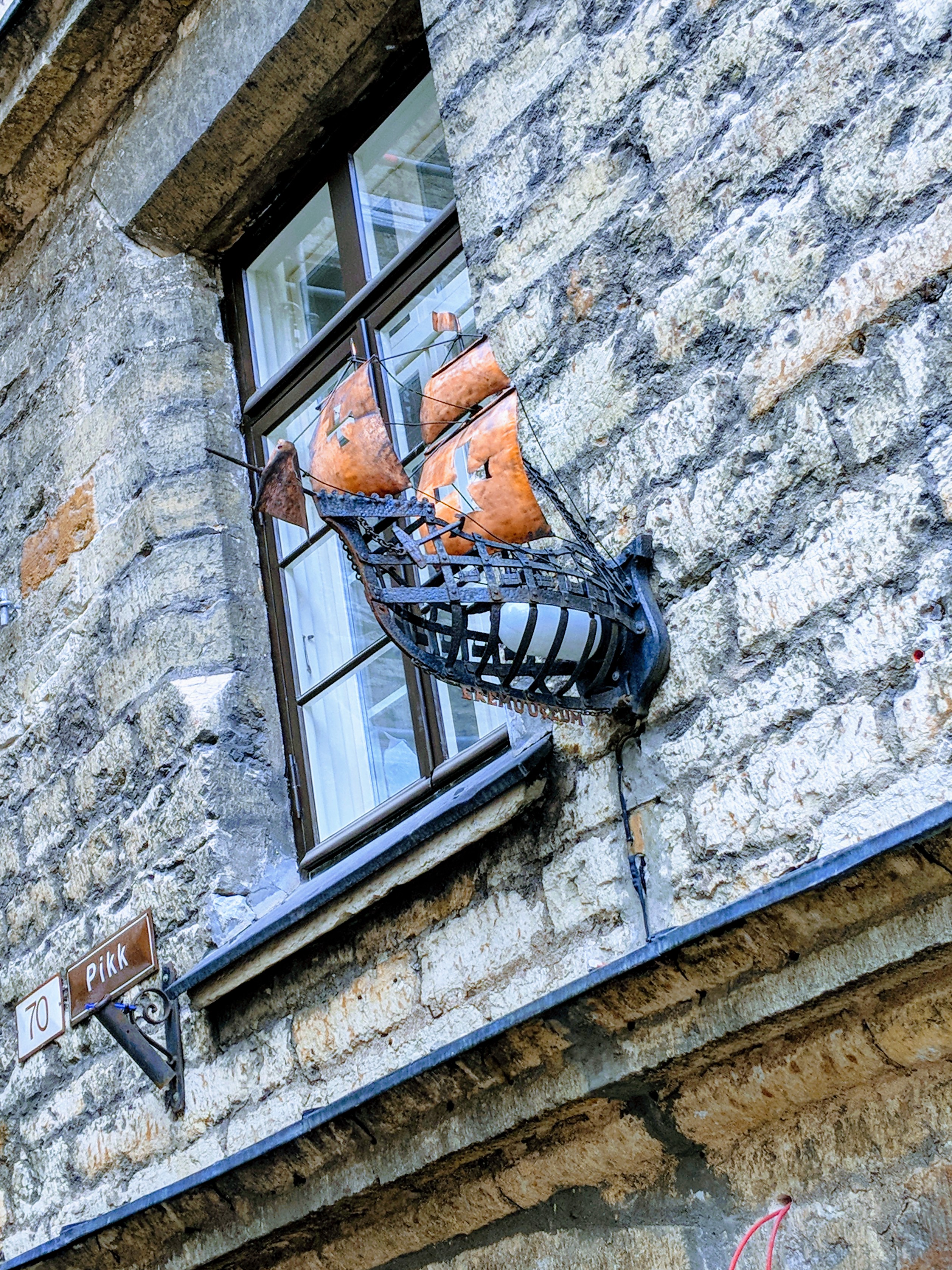
One thing about most of the buildings and sites in Riga is that they’re not original. Most of them have been rebuilt or re-imagined multiple times, so much so that it’s become a city joke. Even the captivating St Peter’s church only last resumed services after reconstruction in 1991. Much of this has to do with major fires in the city and bombings. Yah, the residents of Riga are resilient! There’s a story about four older farm animals who make a break through the fence in their home to find a better life and the moral is how working together, we can accomplish more than we could alone. This story was made more popular by the Brothers Grimm and called “Town Musicians of Bremen”. An artist from Bremen, Germany made a lovely sculpture of these resilient animals and gifted it to Riga to provide continued support to the city through their challenges with the iron curtain.

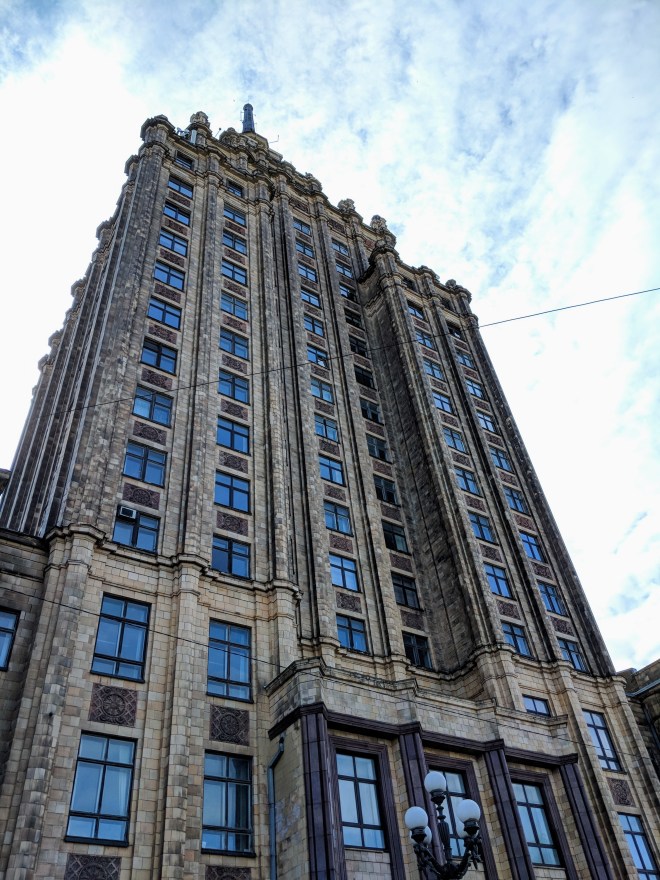
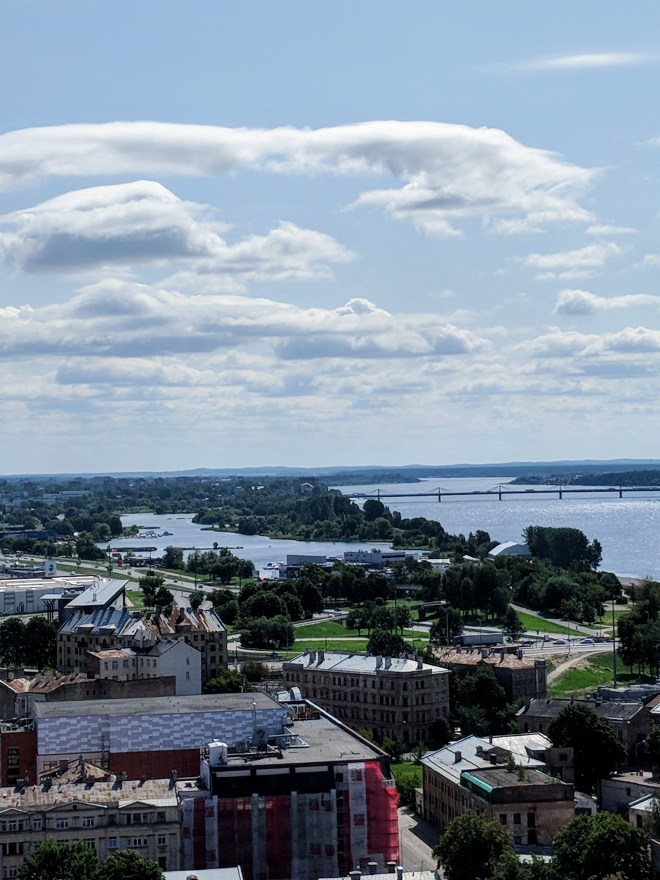
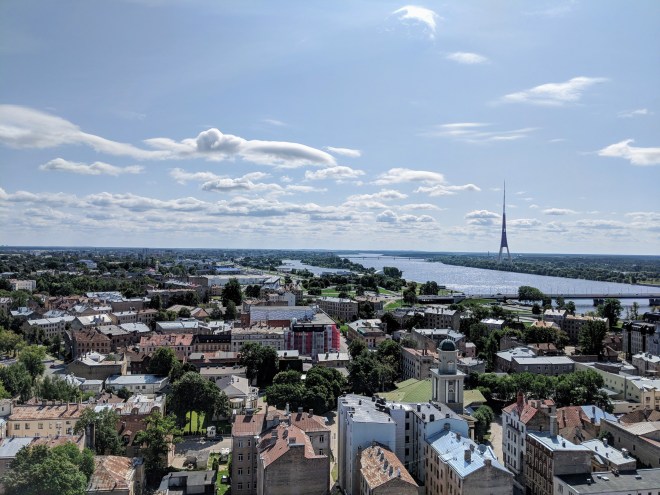
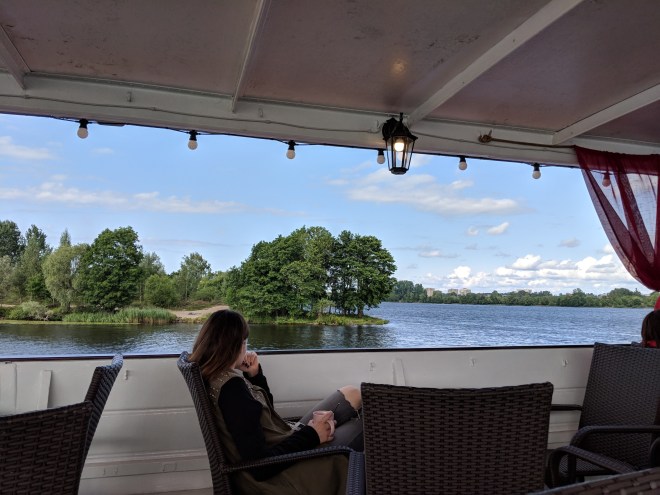
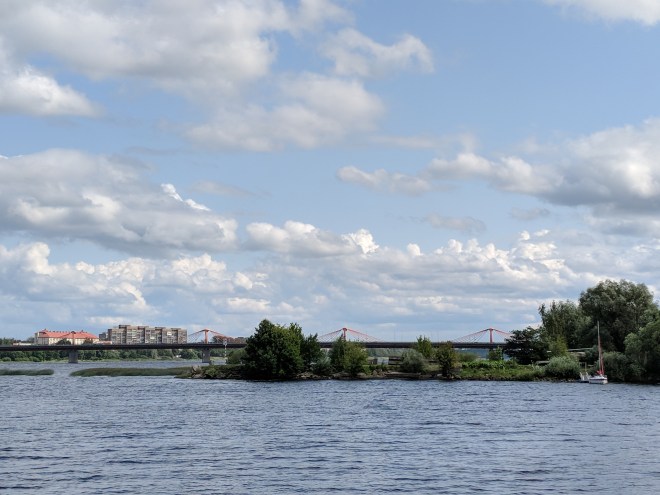
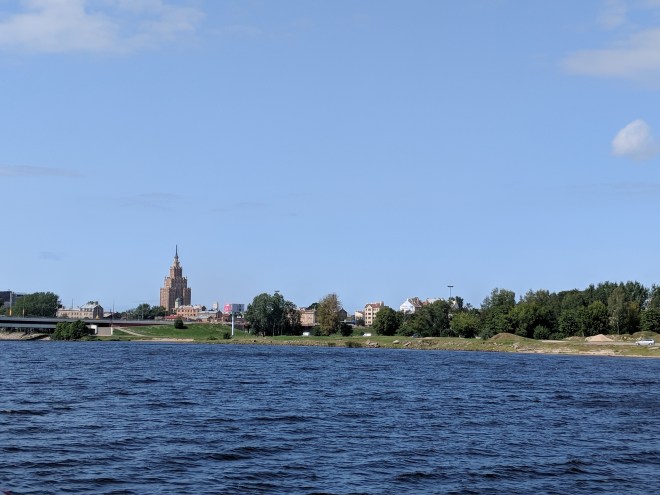
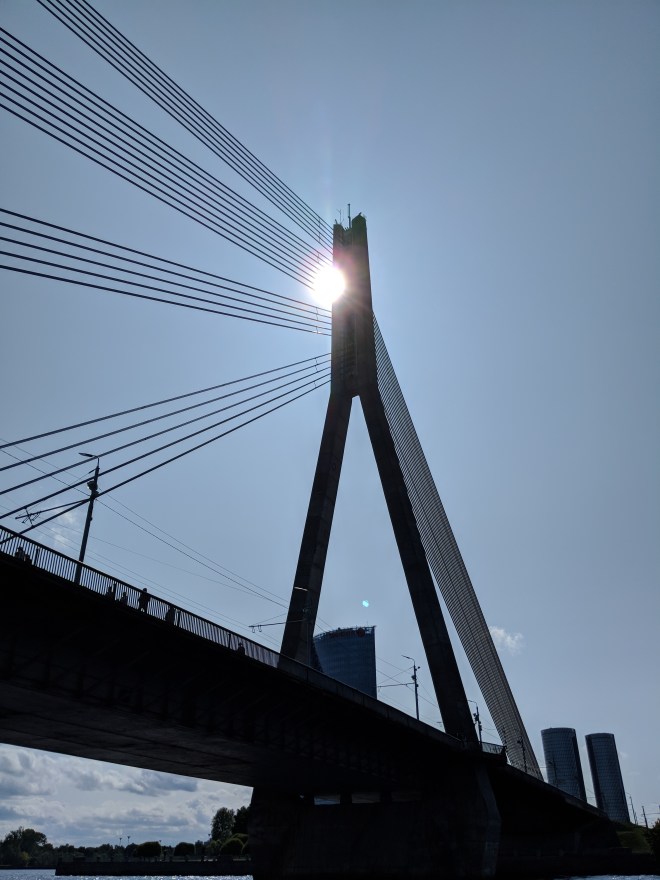
Riga is a coastal town, making it a natural port of commerce throughout the ages and water just makes everything prettier and greener. I had the opportunity to see the city from a few different vantage points, including the top of their Academy of Science where the smart kids learn. This building is an imposing structure, visible from all over the city with an observation deck at 19 stories up. I spent a socially uncomfortable amount of time up there. Once I outlasted the professional photographer, I figured it was time for lunch with a satisfied smile on my face. After viewing the city from up high, I stumbled on a boat tour of the Daugava River which intersects the city. I mentioned before that the Baltics are flat, so even from the boat, I could still see for miles. The river’s edges are dotted with marshy land, growing beautiful grasses and water lilies. Whether a marsh or sand beach, the river’s banks are popular for fishing, camping, and swimming. With miles and miles of undeveloped riverfront, the area is a playground for outdoor enthusiasts and parents of energetic littles. It was a chilly and windy day, but I still waved (as you do if you’re a dork on a boat) to multiple sets of folks enjoying their time on or near the water.

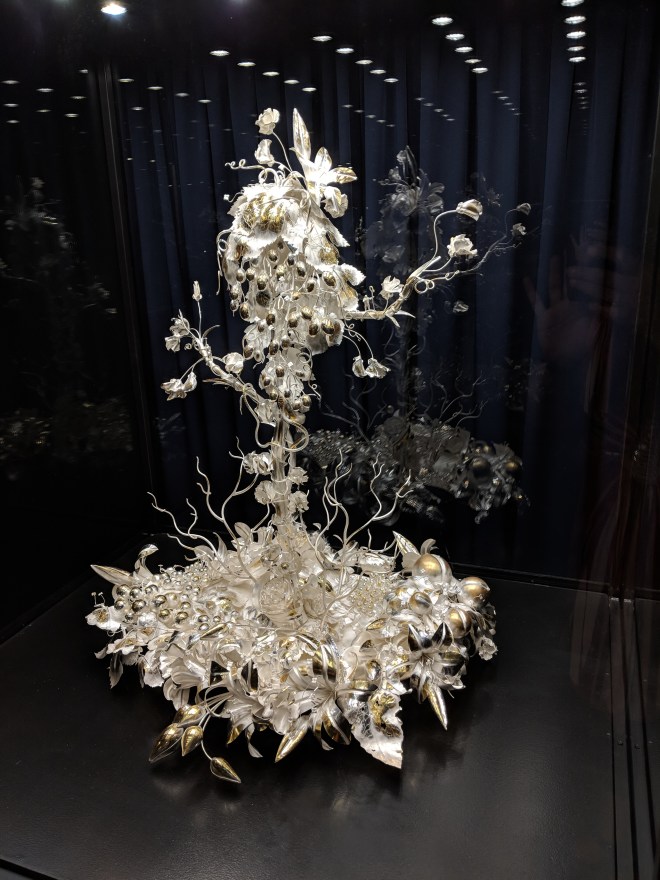
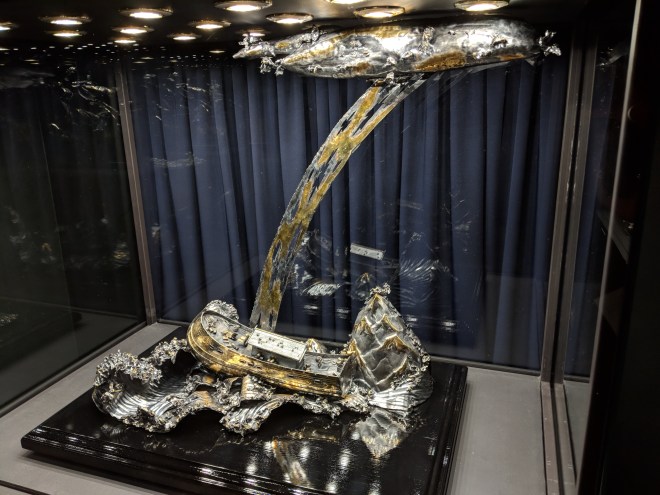
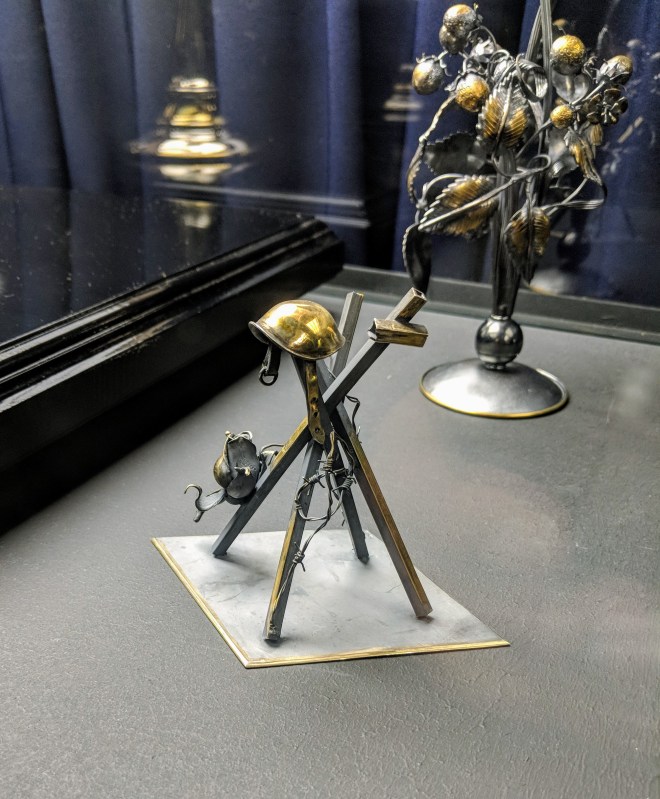
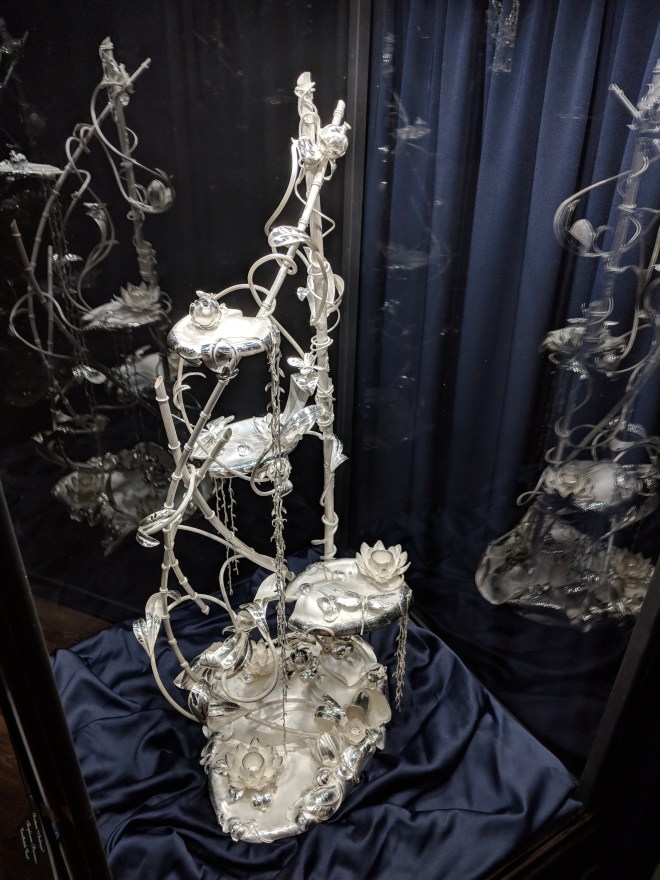
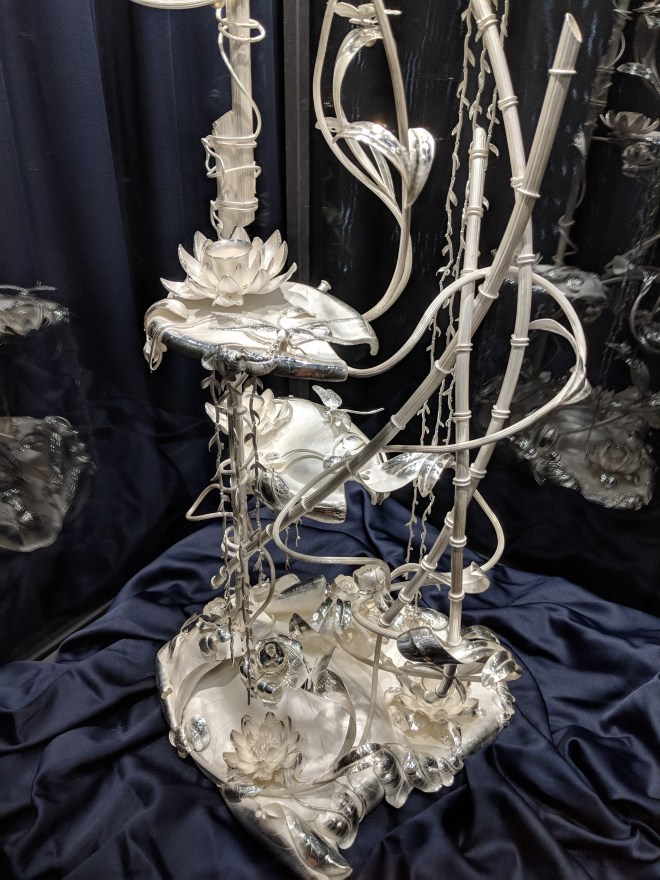
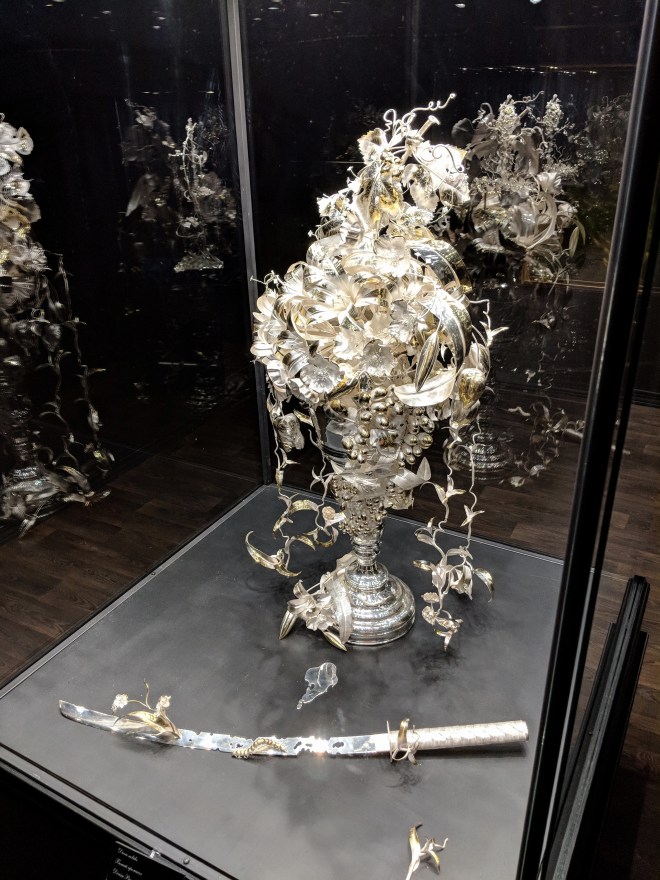
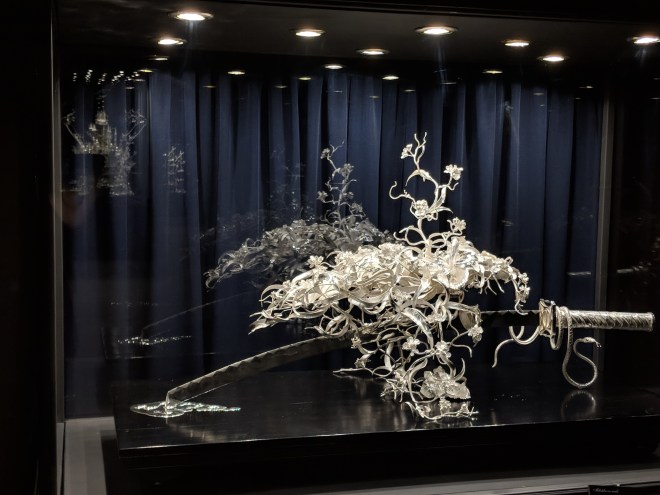
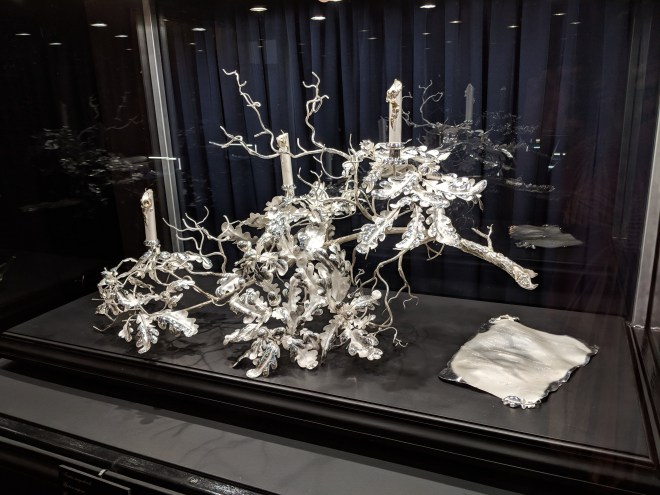
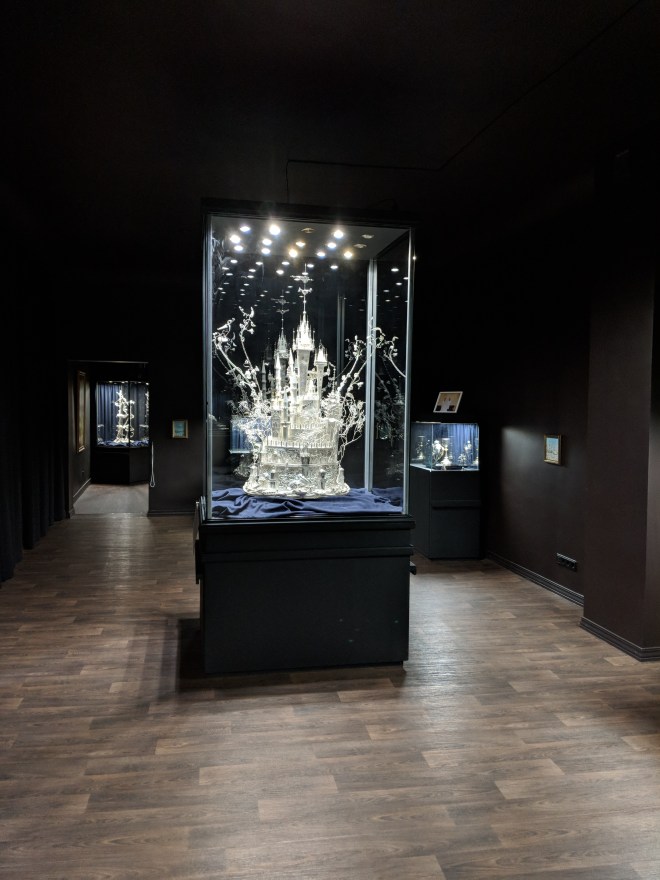
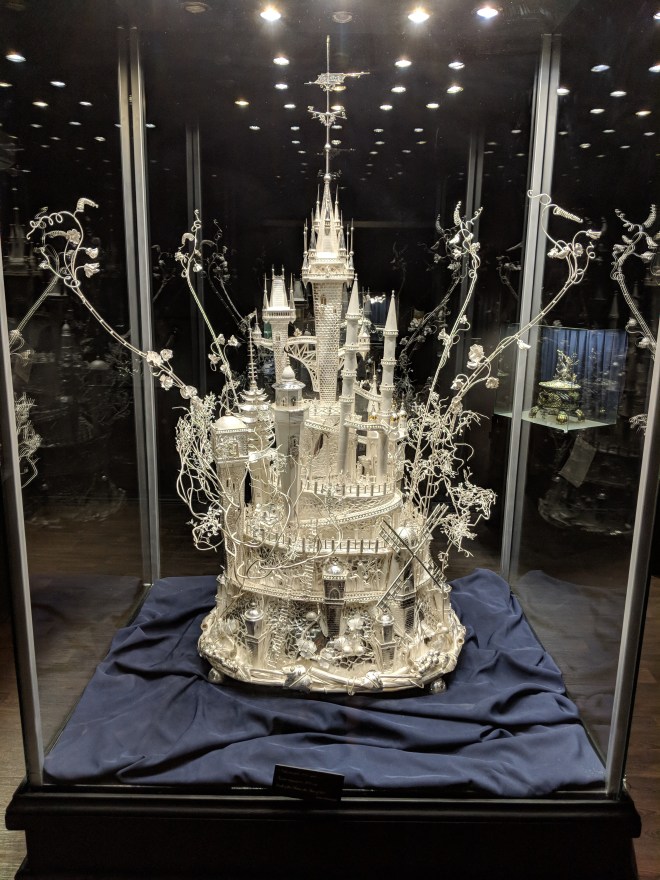
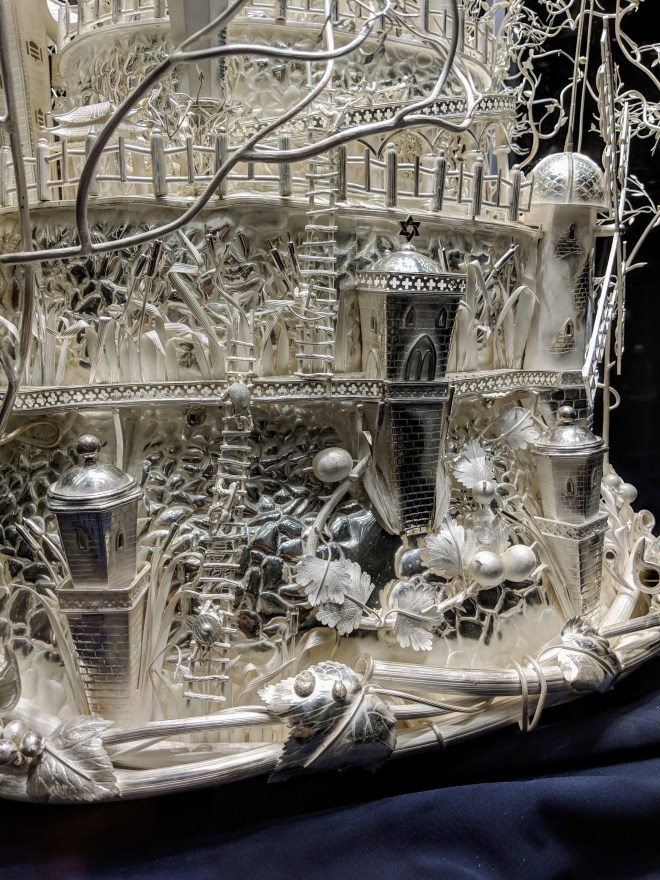
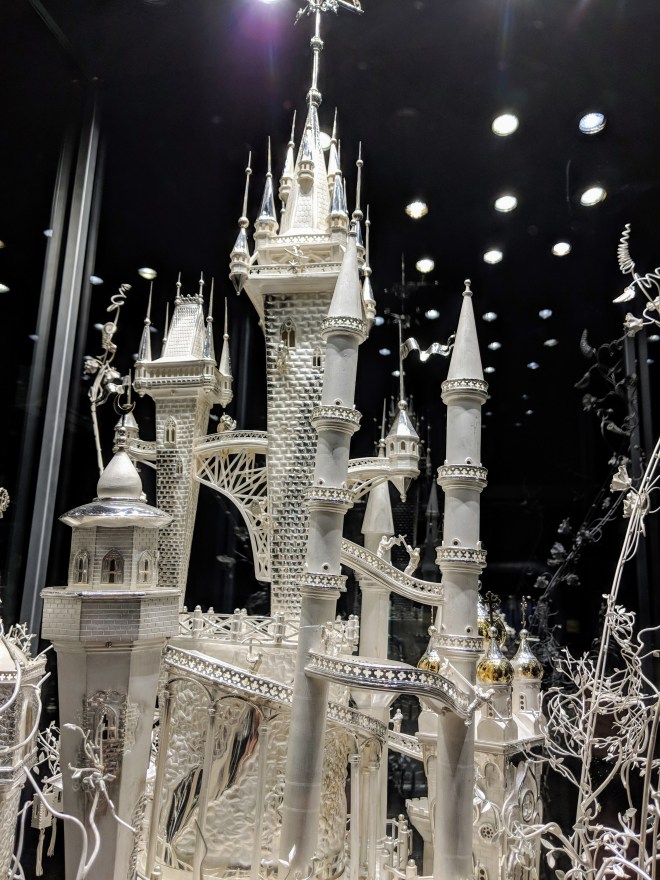
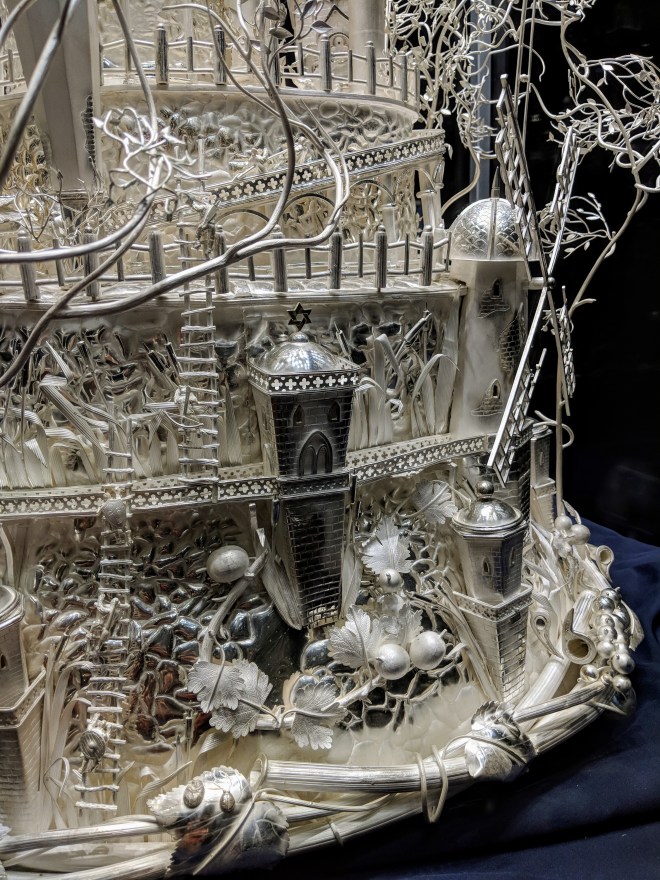
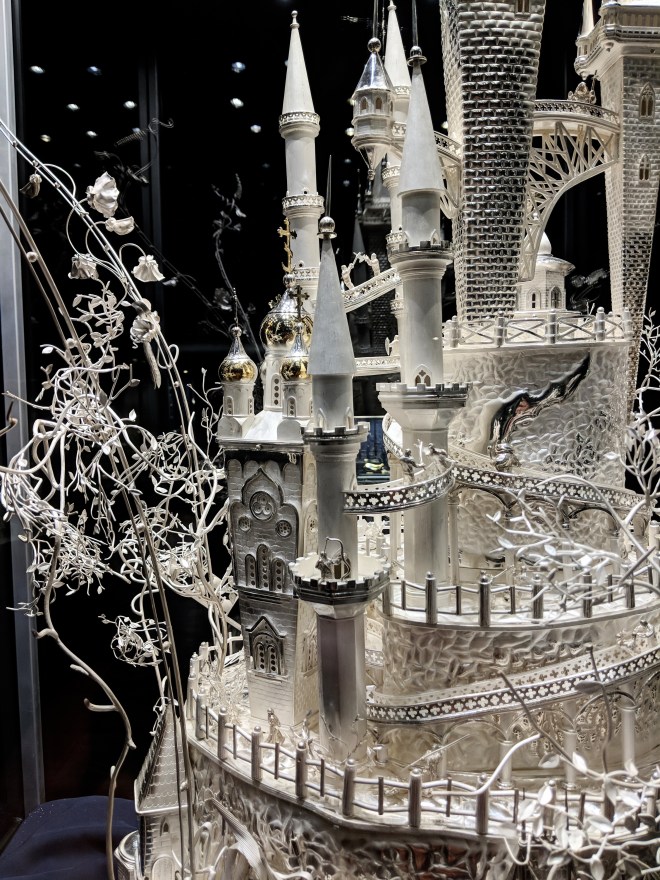
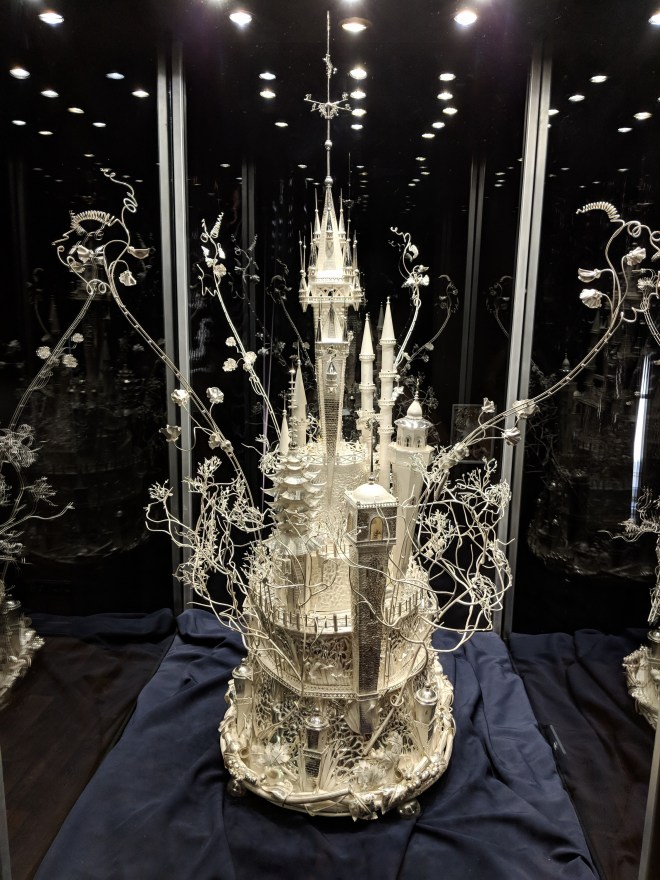
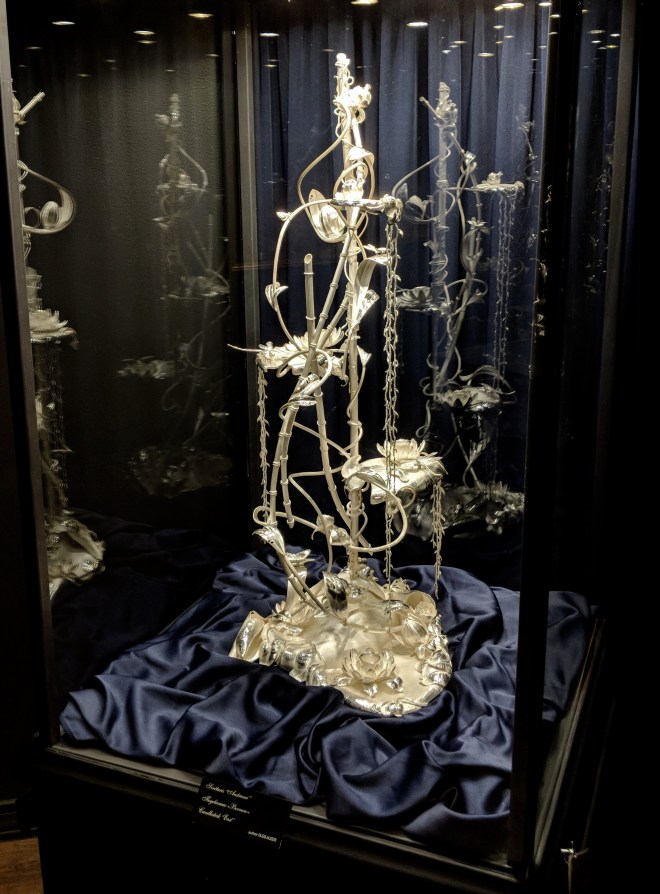
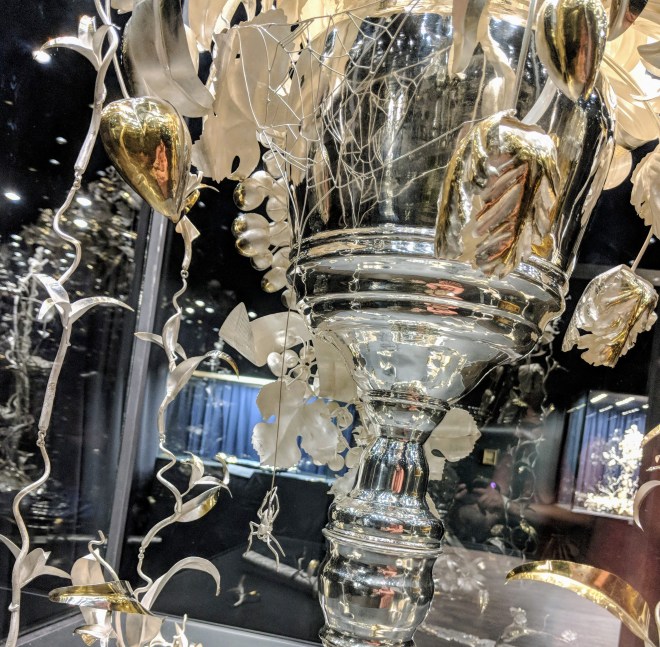
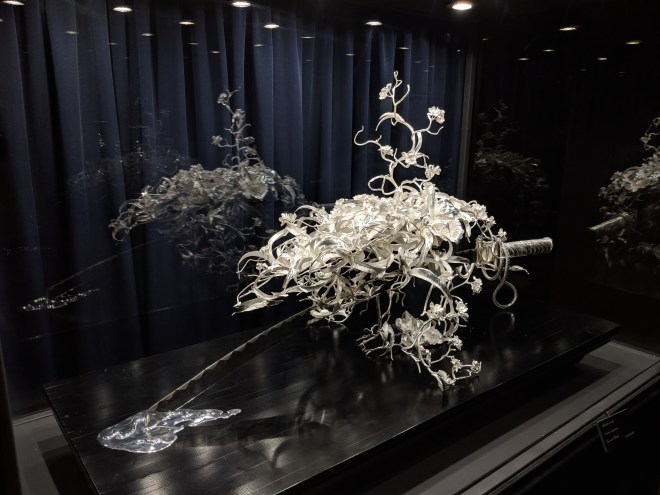
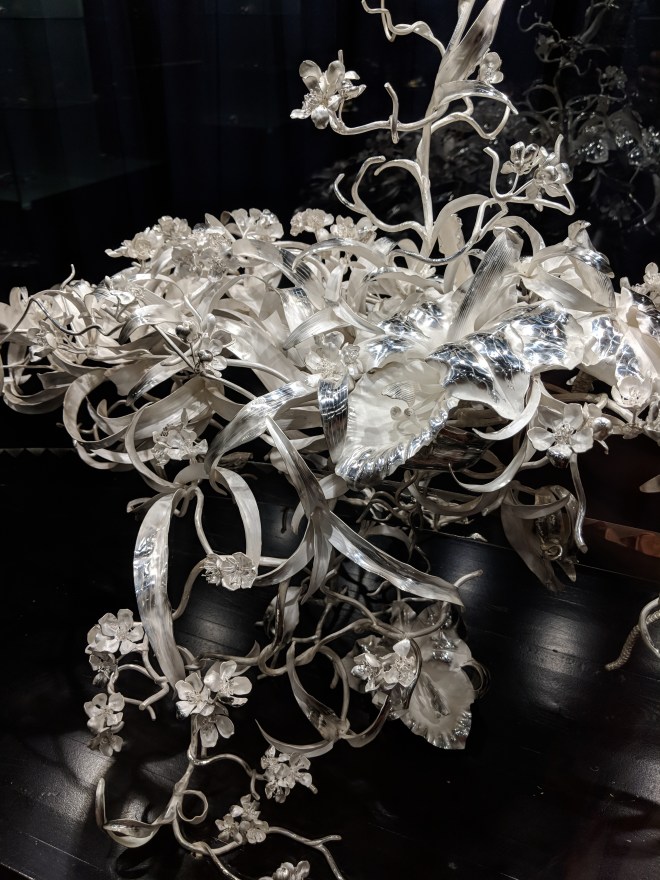
I eventually did head inside because I was on a mission to see the work of a very talented Riga resident – Olegs Auzers. Olegs works with silver and creates these works of art which are not only beautiful and delicate, but thought provoking, as well. It seems his theme is to promote love and unity, while acknowledging that conflict exists and suggests ways to deal with that conflict more effectively and humanely. He’s now 70 years old with a 5 year old kid, so this guy’s got passion which is evident in the spectacular visages he crafts. His most popular piece is a castle of theologies which is more than twice as large as the second largest silver sculpture. It depicts a timeline of working together throughout the years as we move into a better place, called “Castle of the Future, the Year of 3001”. Silver is a difficult medium; the artist has to heat up the entire piece in order to make even the smallest of tweaks or additions. When you’re talking about a piece that’s made up of over 66 pounds of silver, you can imagine how many heart palpitations are generated when it’s getting a new addition! He doesn’t only work on the castle, he’s smithed jewelry for the Queen of England, gift platters for worldwide peace keeping, and so much more. Latvia considers him a national treasure in his ability to bring love and harmony through his work. I’ll post some of my pictures here, but they will do absolutely no justice to the incredible artistry in this work.

Across the river from old town is a striking building I couldn’t help but stop to stare at every time I had the chance. The National Library of Latvia was designed by a Latvian American architect and stands out as a symbol of the future. I didn’t have a chance to go inside, but this building holds more than 5 million titles and employs almost 500 people. Sitting in a cafe in old town, eating Latvian food, and staring over the river at this intriguing building could become a favorite pastime of mine…

It was bittersweet to leave Riga. I really enjoyed my time there, both the time with the crazy folks I can now call friends and the charming city with delicious food and perfect summer weather were wonderful experiences, but it’s time to find more adventure!

Little Surprise Gem, Tallinn Estonia

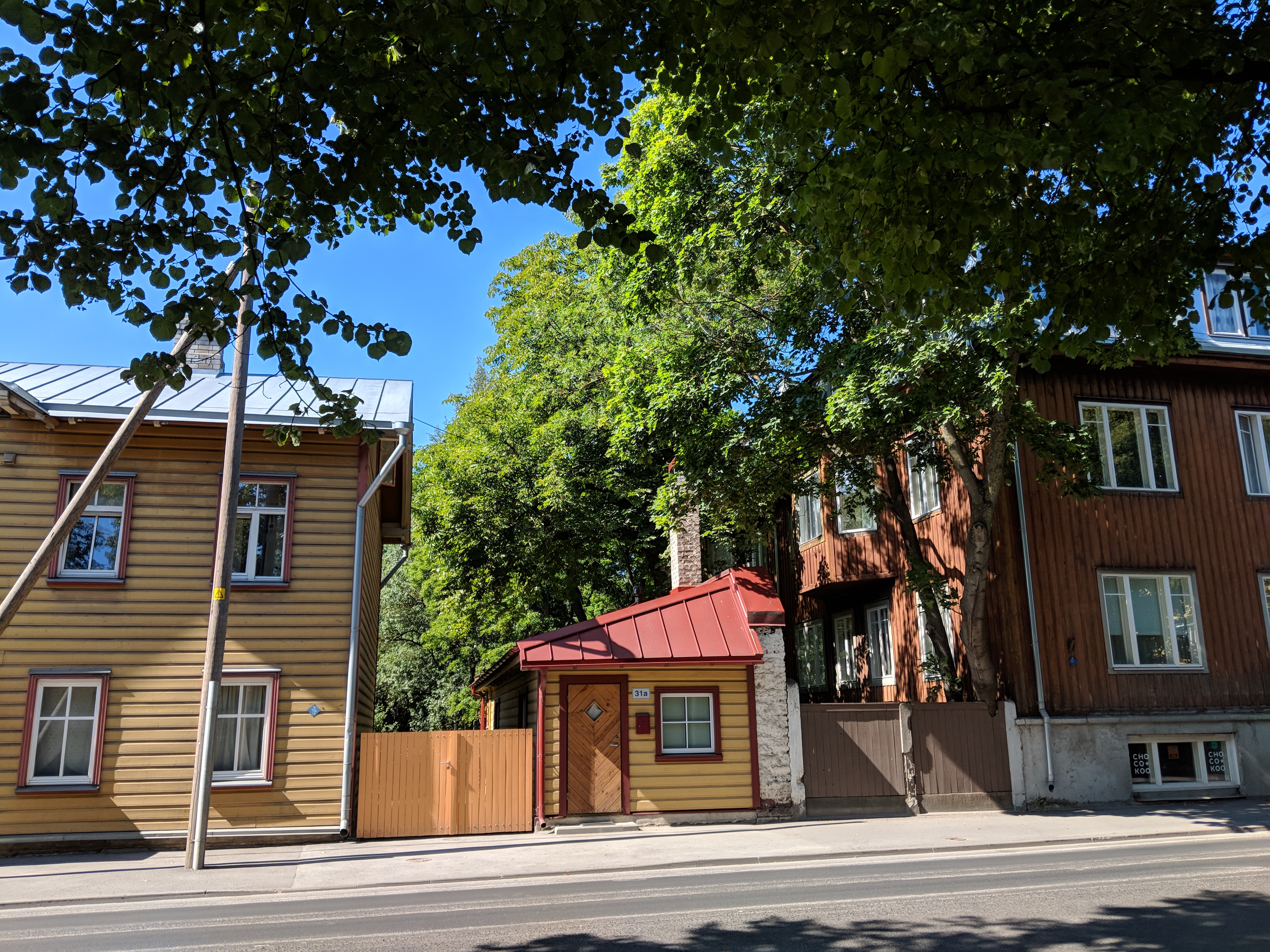
Coming in from Stockholm, I was in the mood for a little more grit with a side of joy. Tallinn, Estonia is a wonderful little city and I felt much more at home there and really enjoyed the way the city embraces the cheesy tourism of their medieval history… and the green. So much green. Tons of parks have been set aside to break up any monotony in the architecture and in these parks, I didn’t feel like I had to sit up straight, suck in my gut, nor keep my smile from reaching my eyes.

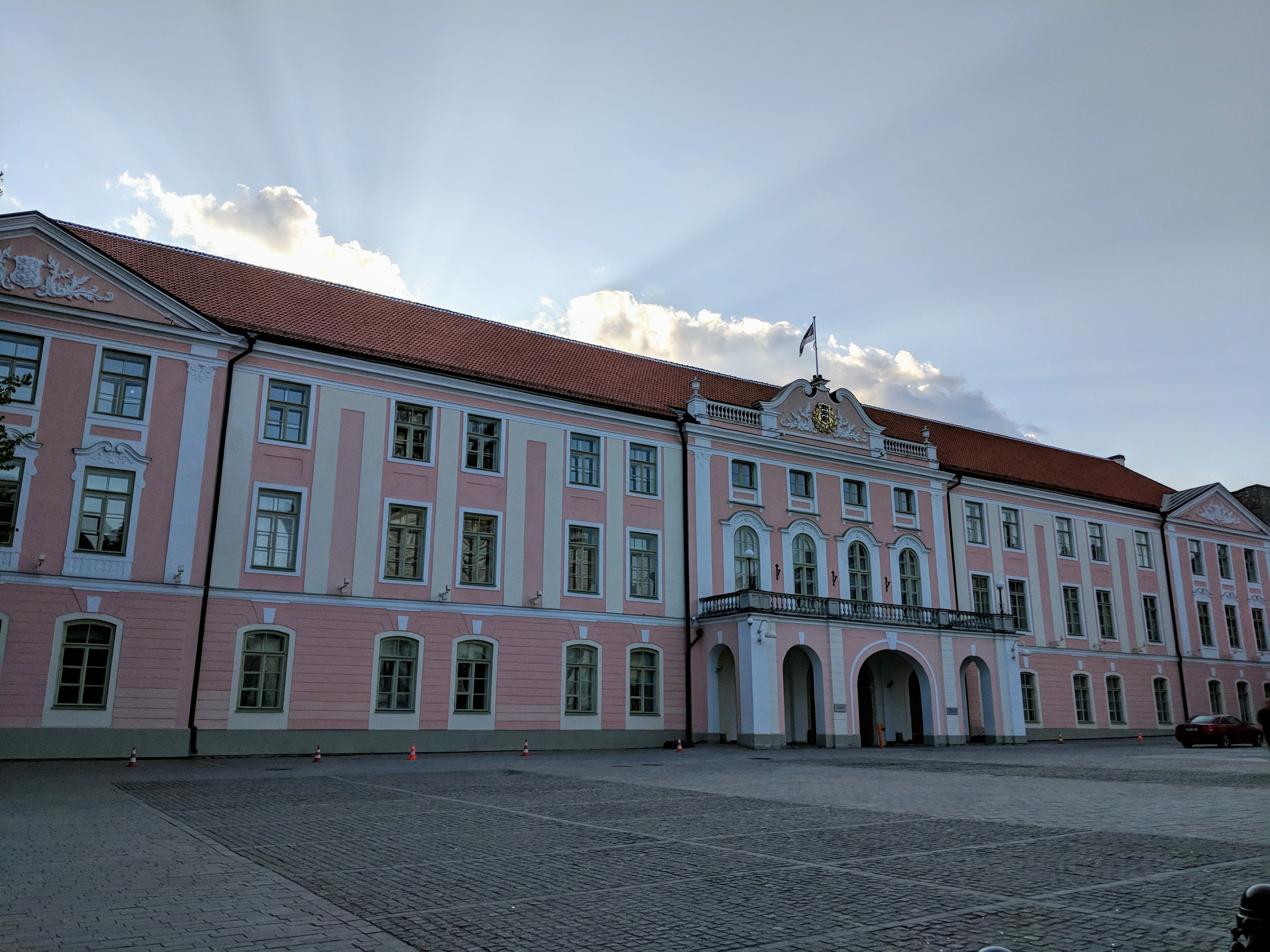
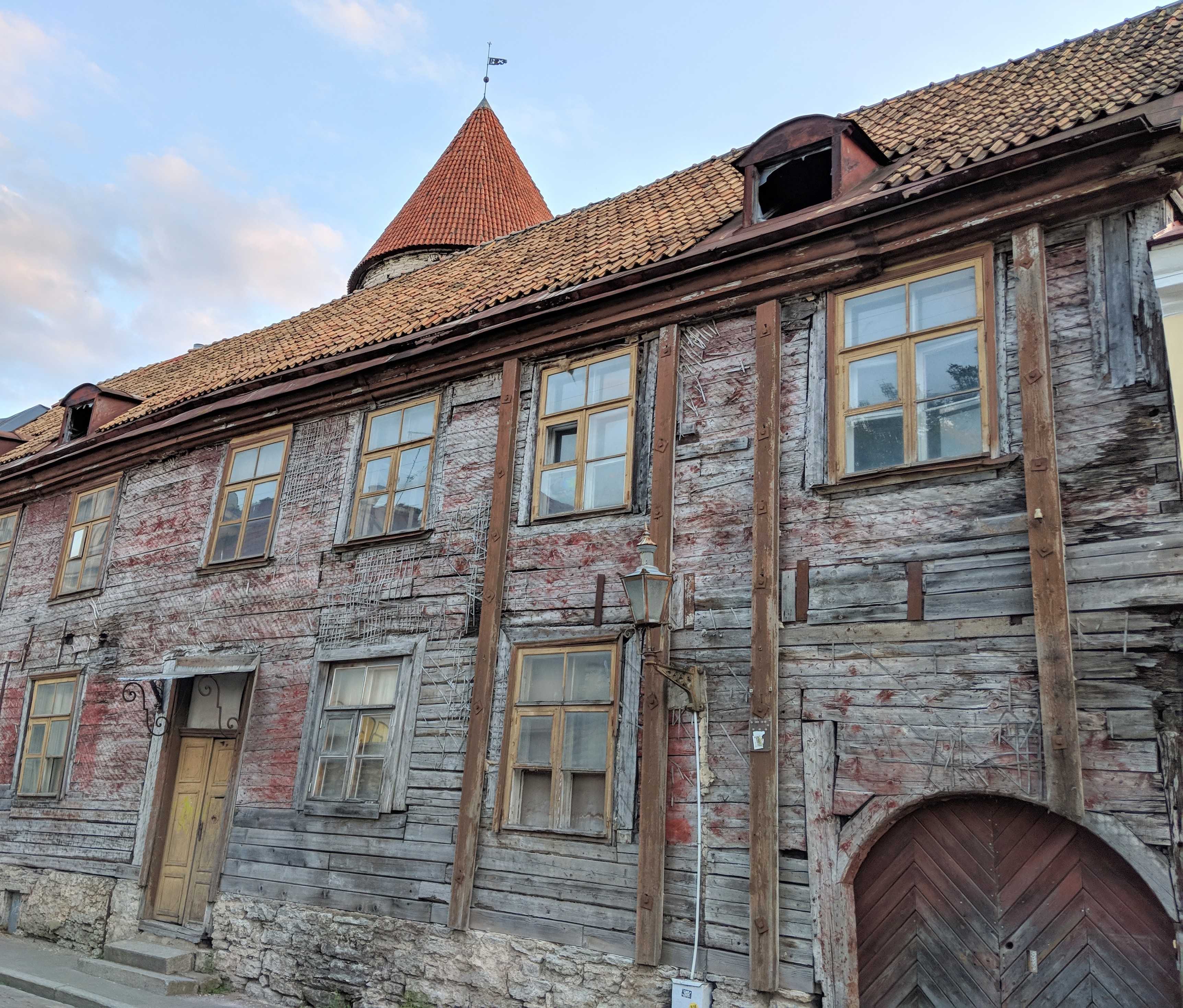
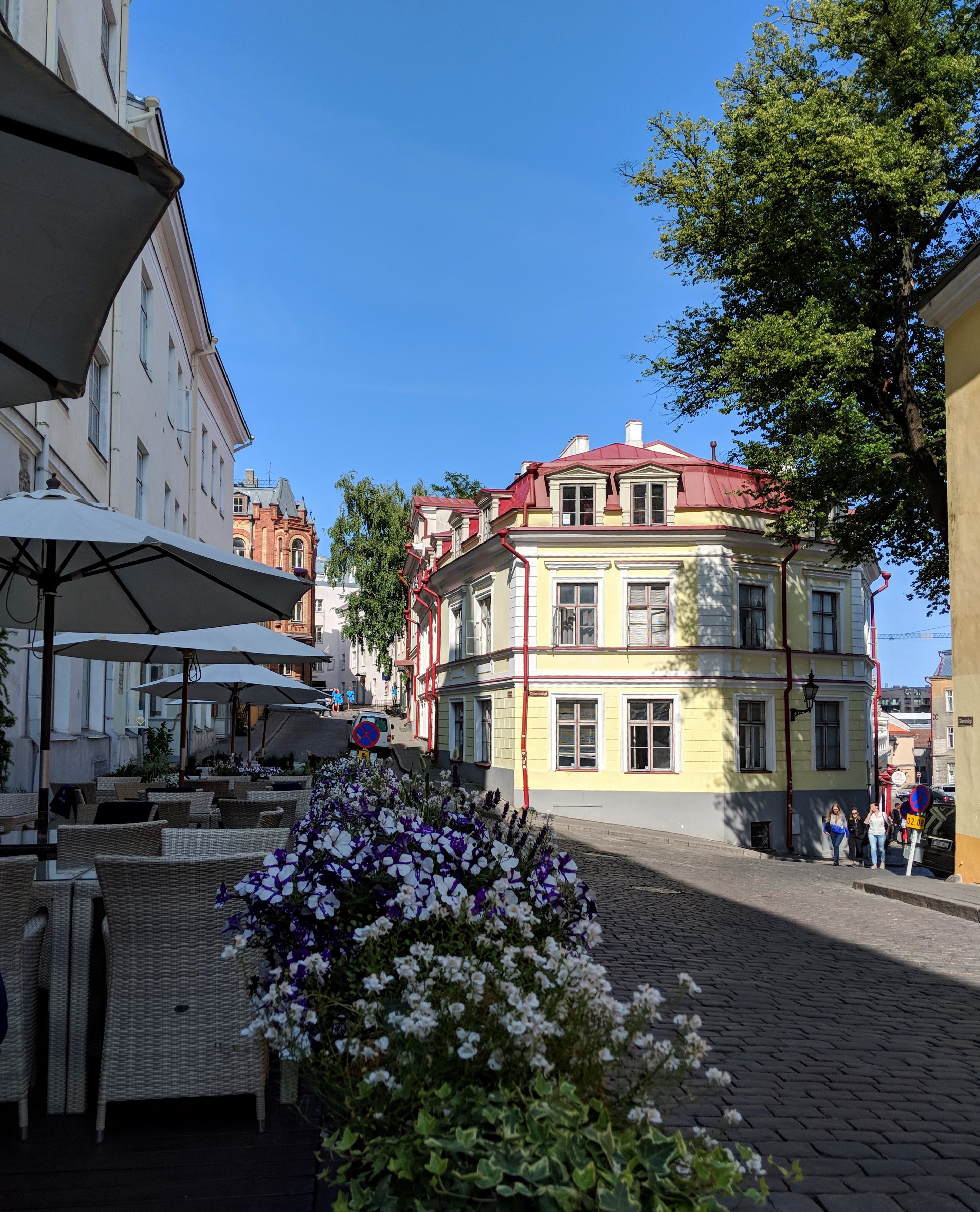
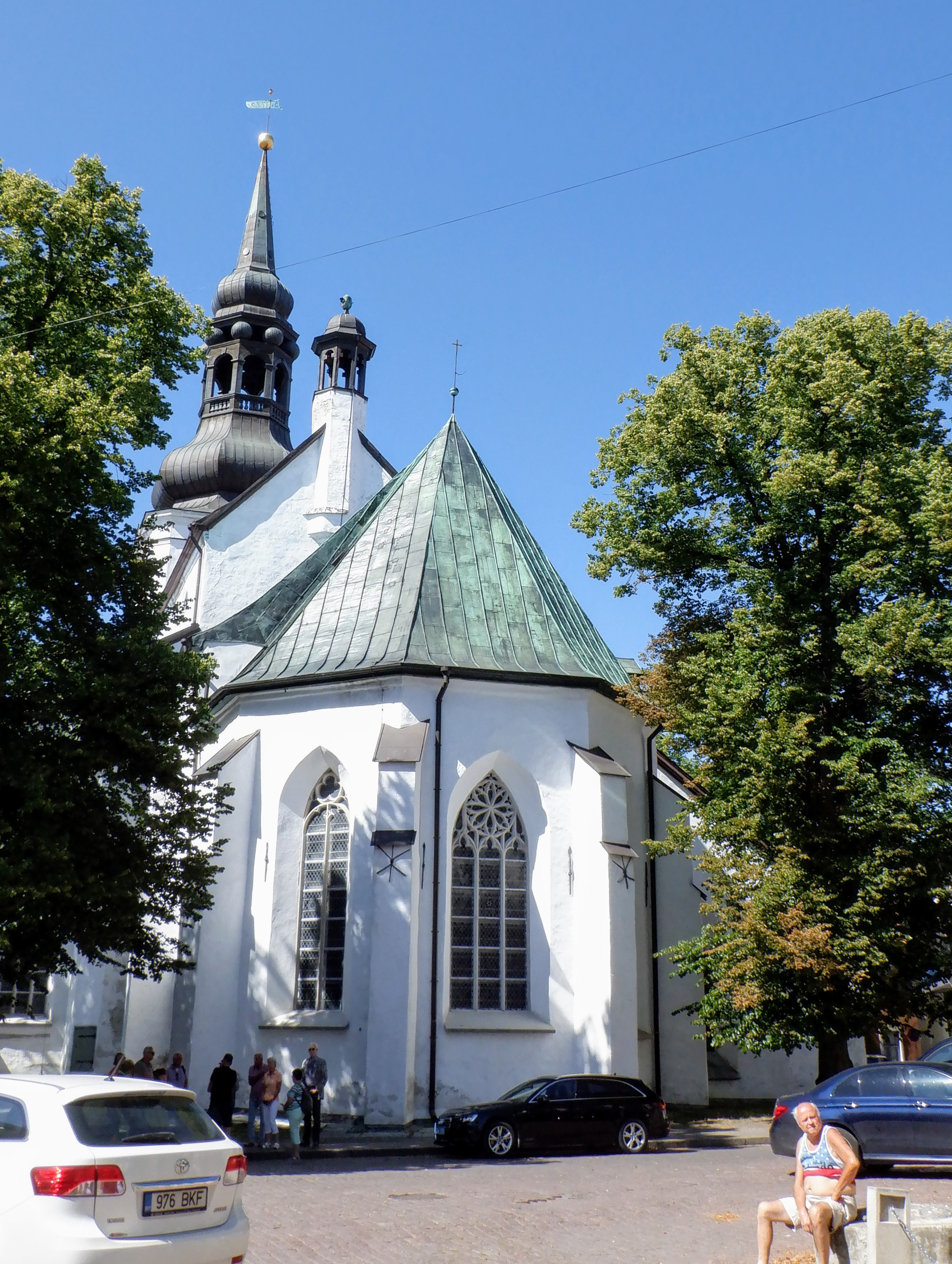
My Airbnb host told me that Tallinn’s Old Town is the most beautiful of all the Baltic capitals. Upon first glance, I could see why she feels that way! I stayed a little out of town in a suburb called Pelgulinn. It was a good spot for exploring anywhere via bus and still being near the sea and a swimming beach, but the suburb itself didn’t hold much charm so off to Old Town I went. My first stop was the Parliament building, built on the site of (and still some parts of) a previously destroyed castle called Toompea which was a major stronghold in the 9th century. The Parliament building is a big, pink, baroque place with very nice cars in the parking lot. Cut to another juxtaposition of architecture, of which I am always in awe, with an Alexander Nevsky Russian Orthodox cathedral directly across the street!

Estonia’s history is relatively short, having been ruled by *intakes breath* the Danes, the Swedes, the Germans, the Soviets, and back again multiple times. At one point, they were able to claim independence when the Germans retreated, only to be taken over by the Russians one. day. later. Sigh. They’ve been a nation since only 1918 and fully independent only since 1991 when the damn curtain fell. All of this to say how surprising it was to see this iconic Russian church right next to the seat of Estonian government. Local reasoning for this is when the Soviets left town (for good?), it cost too much to demolish the behemoth, then when tourism started, they thought ‘hey, people sure do like to spend money on pretty things… maybe it stays!’

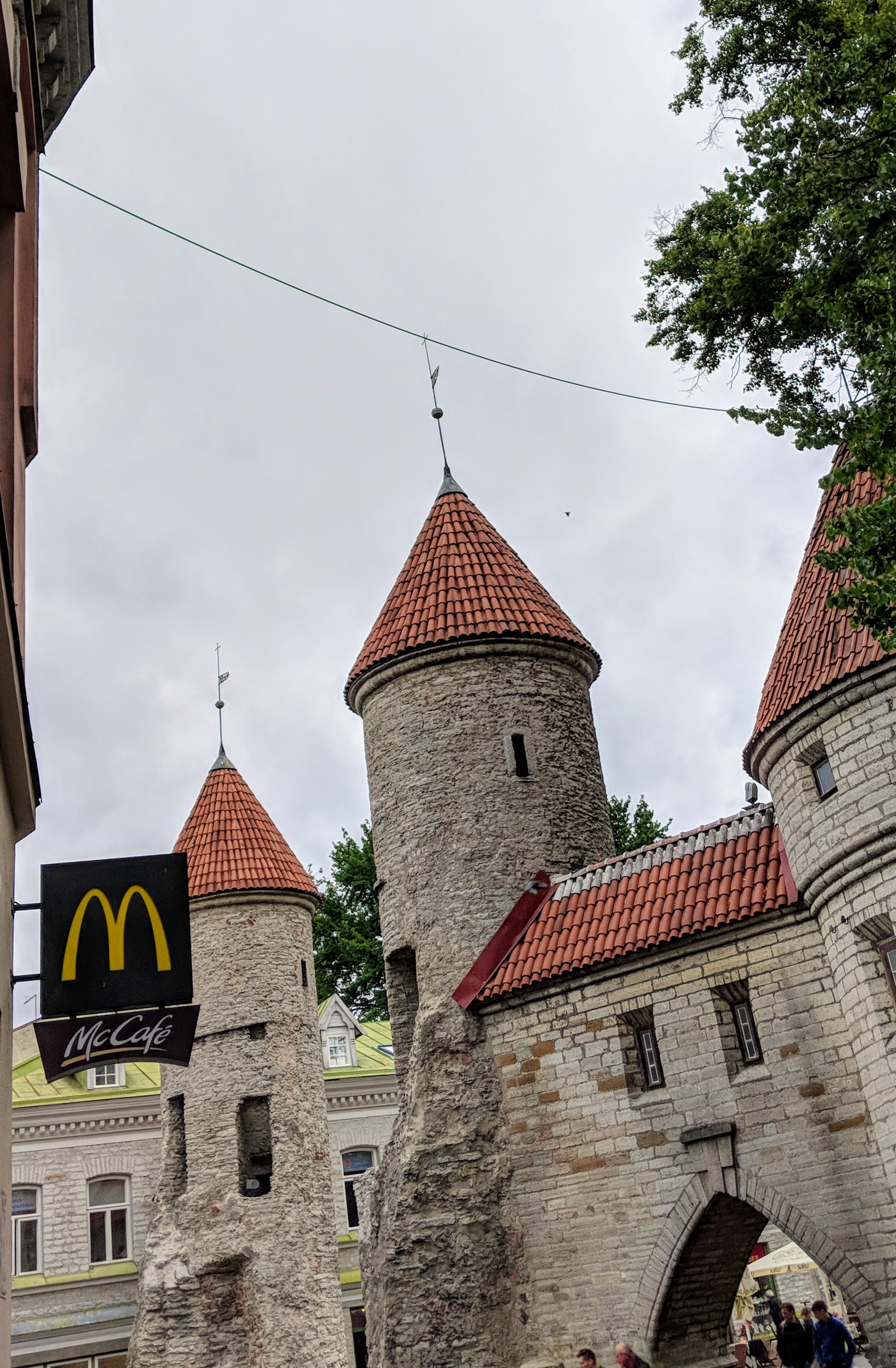
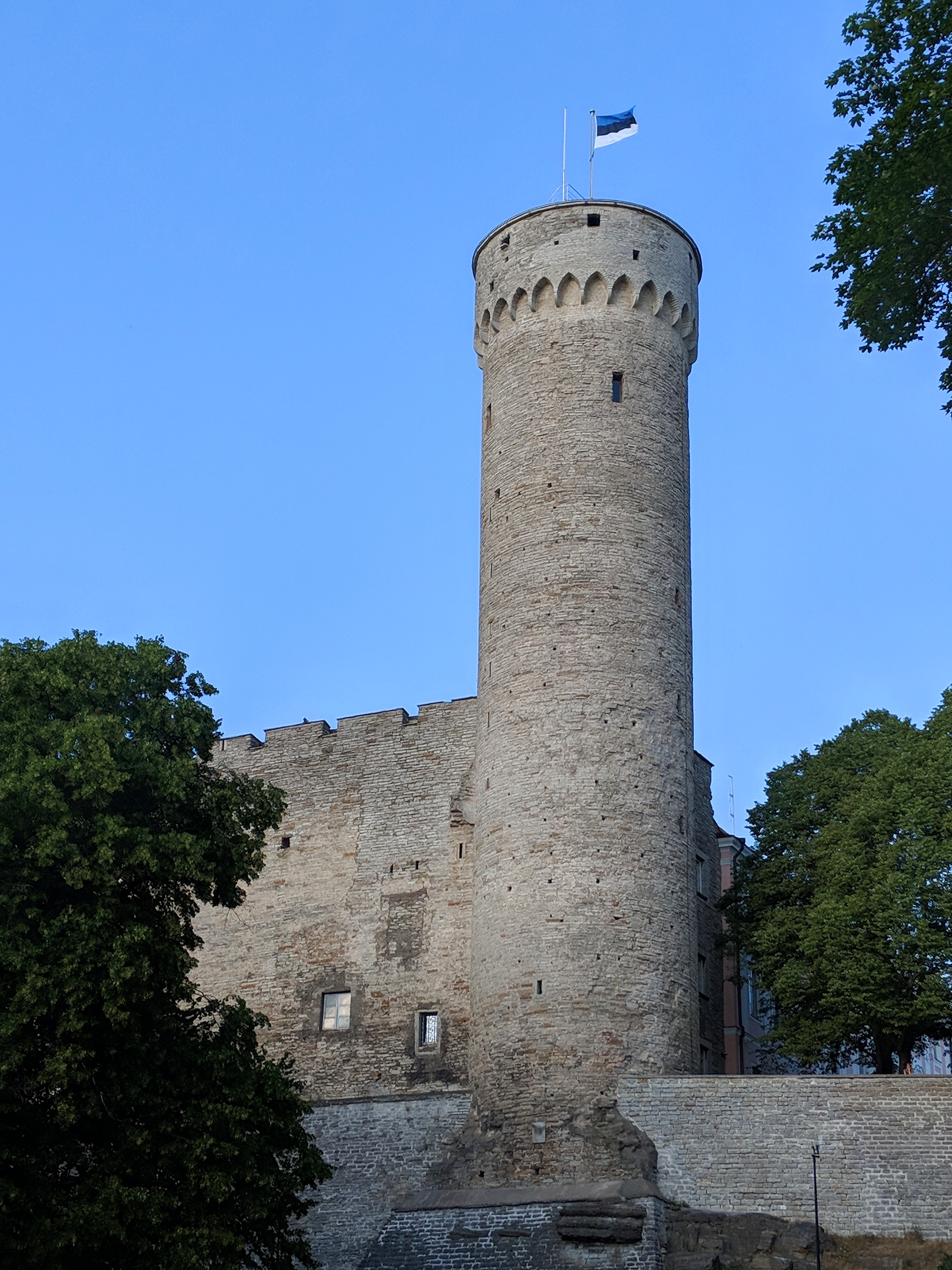
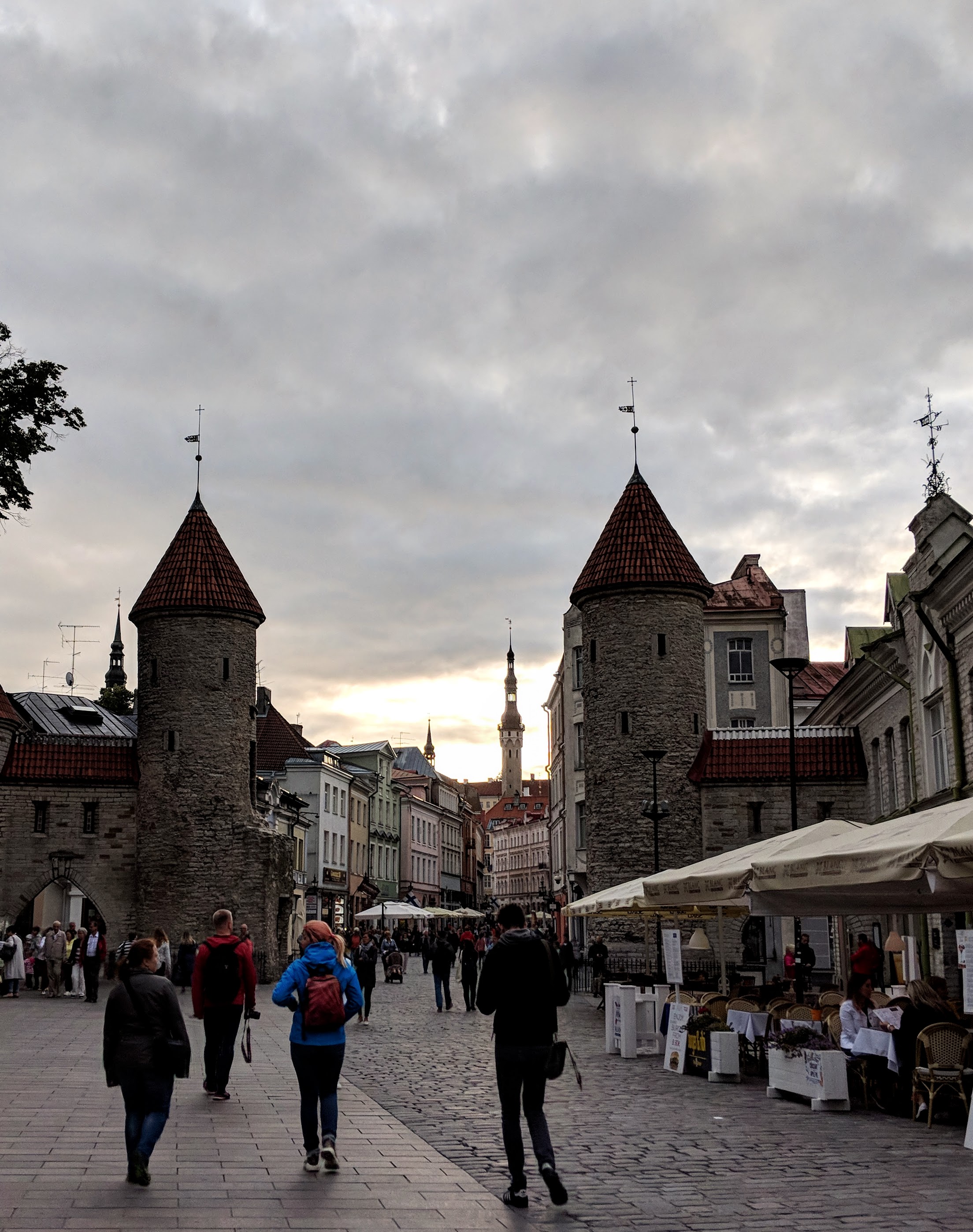
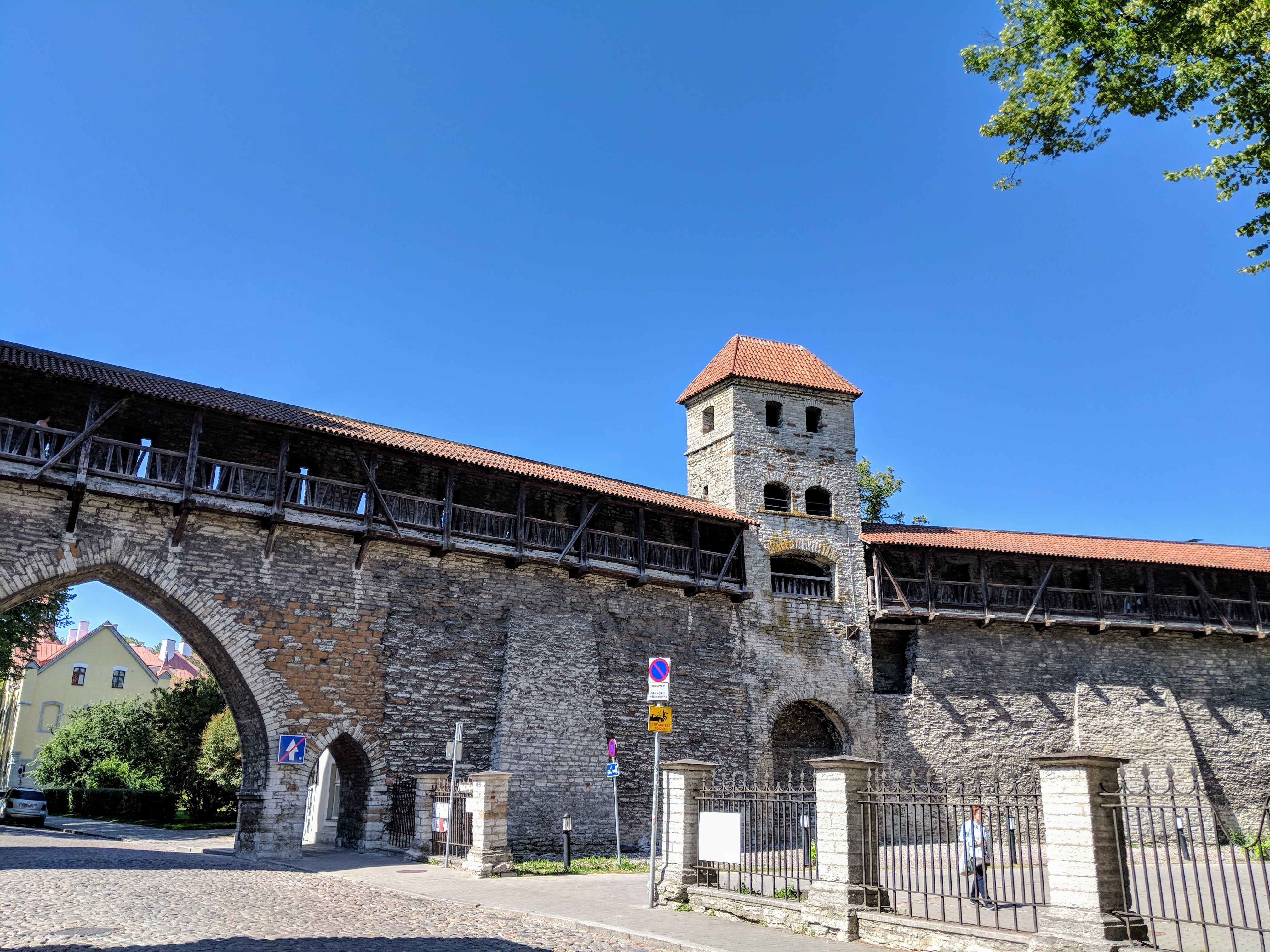
The Old Town of Tallinn is made up of upper and lower town, common among places with similar histories of being the chew toy between greedy nations. There are several remnants of the city walls and towers, including the affectionately named ‘Tall Herman’ and ‘Fat Margaret’ towers. Legend has it that if lovers were out past midnight, they were turned to stone so when Herman and Margaret didn’t quite make it back to mom and pop by midnight, they were turned into these striking towers; one tall and thin, the other squat.

Another claim to fame in Tallinn is that it is home to the oldest-still-working-and-hasn’t-moved-location pharmacy in Europe. There are a couple which are older, but they have been relocated at some point. On the floor of this building is a map rendering the Old Town in the 15th century which could be used today by any tourist without a smart phone. The streets are still the same, but likely less smelly now.

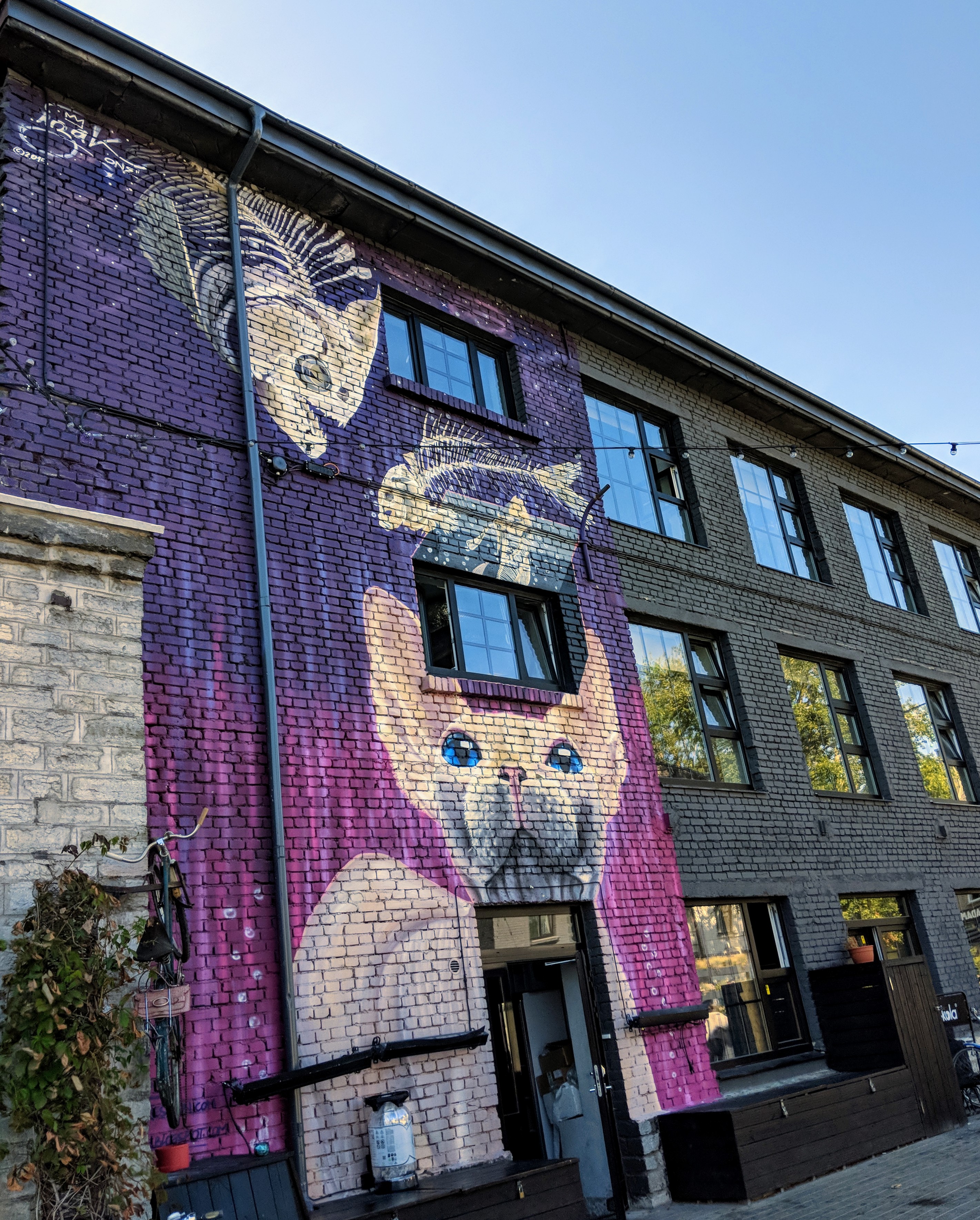
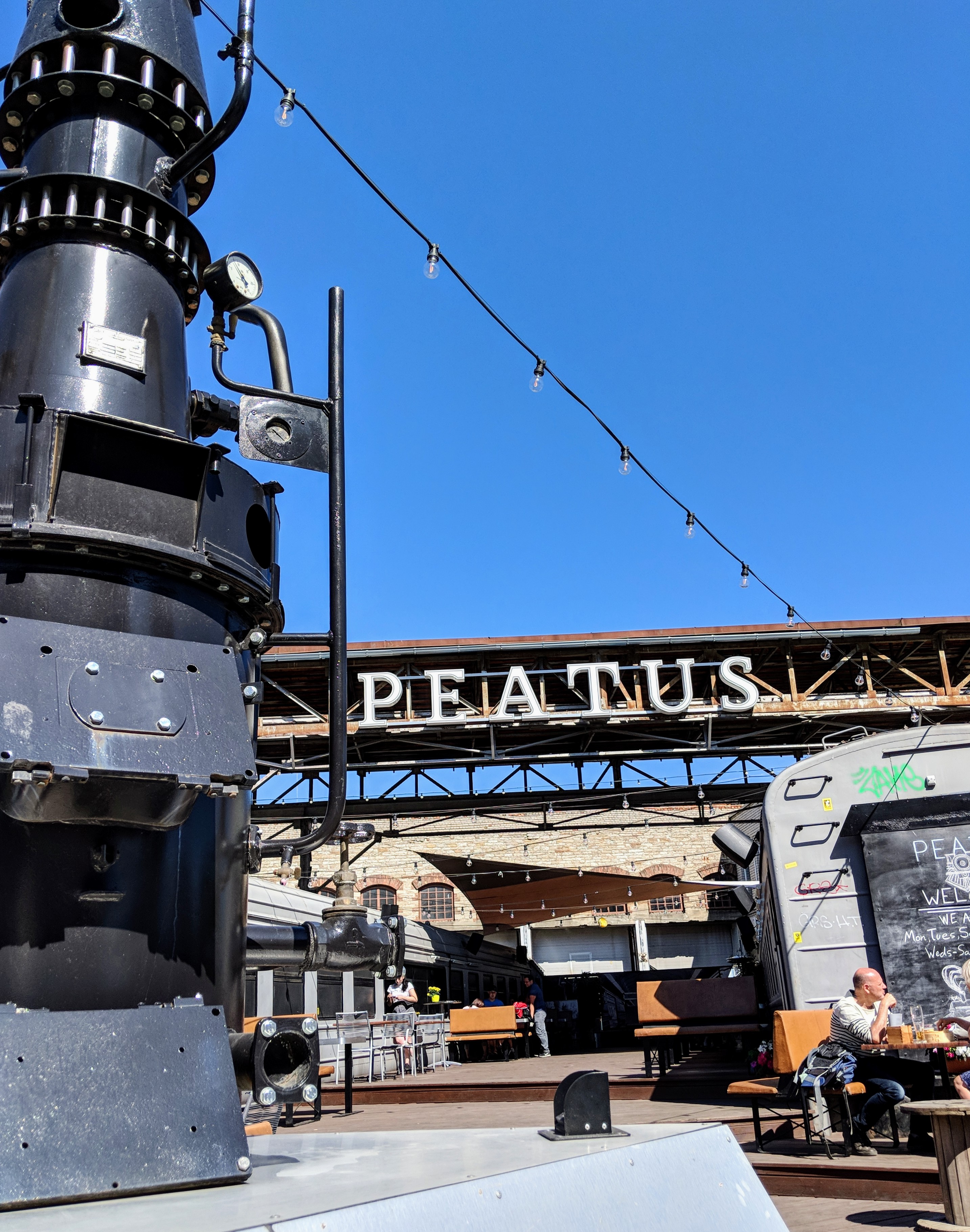
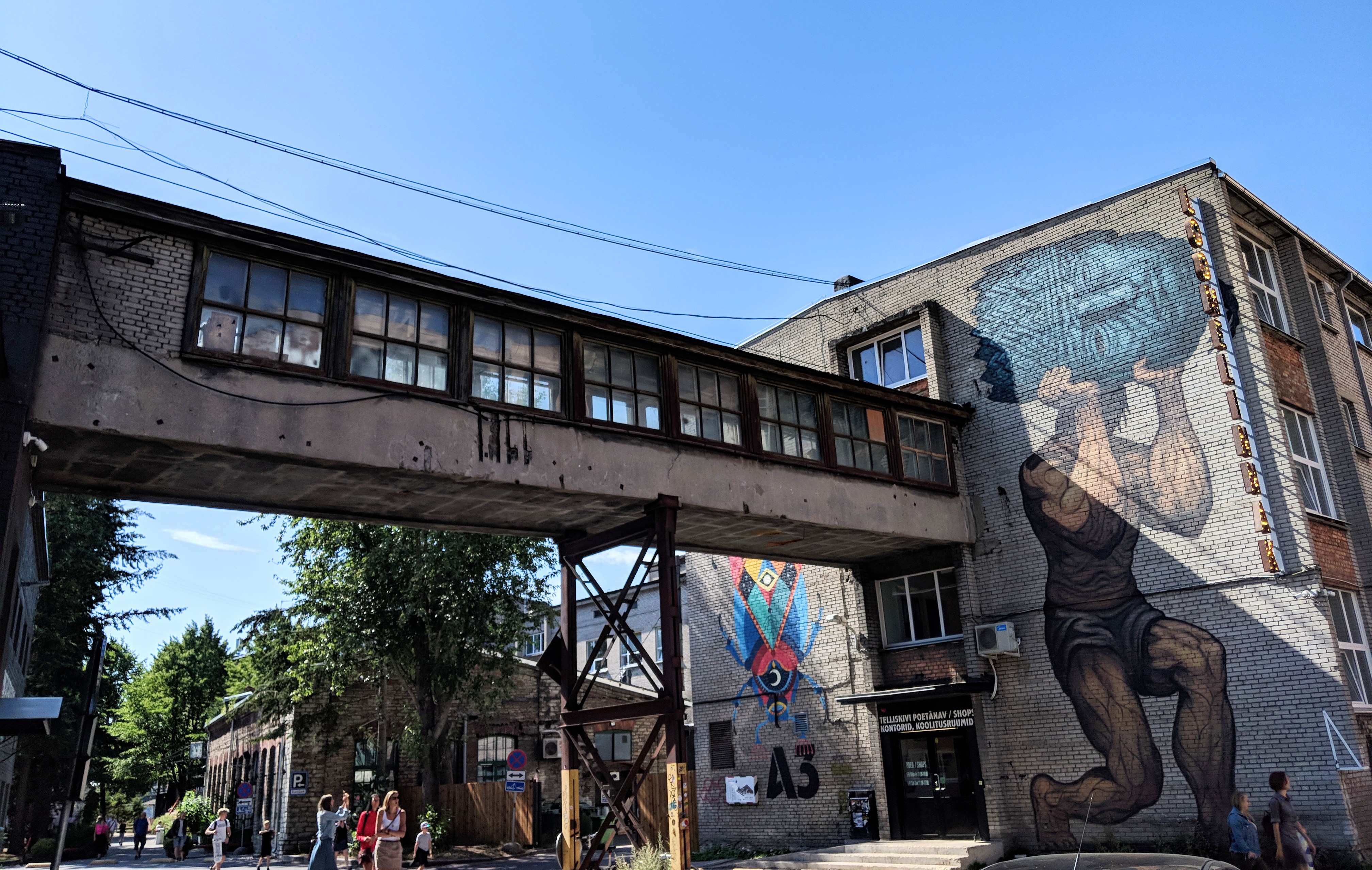
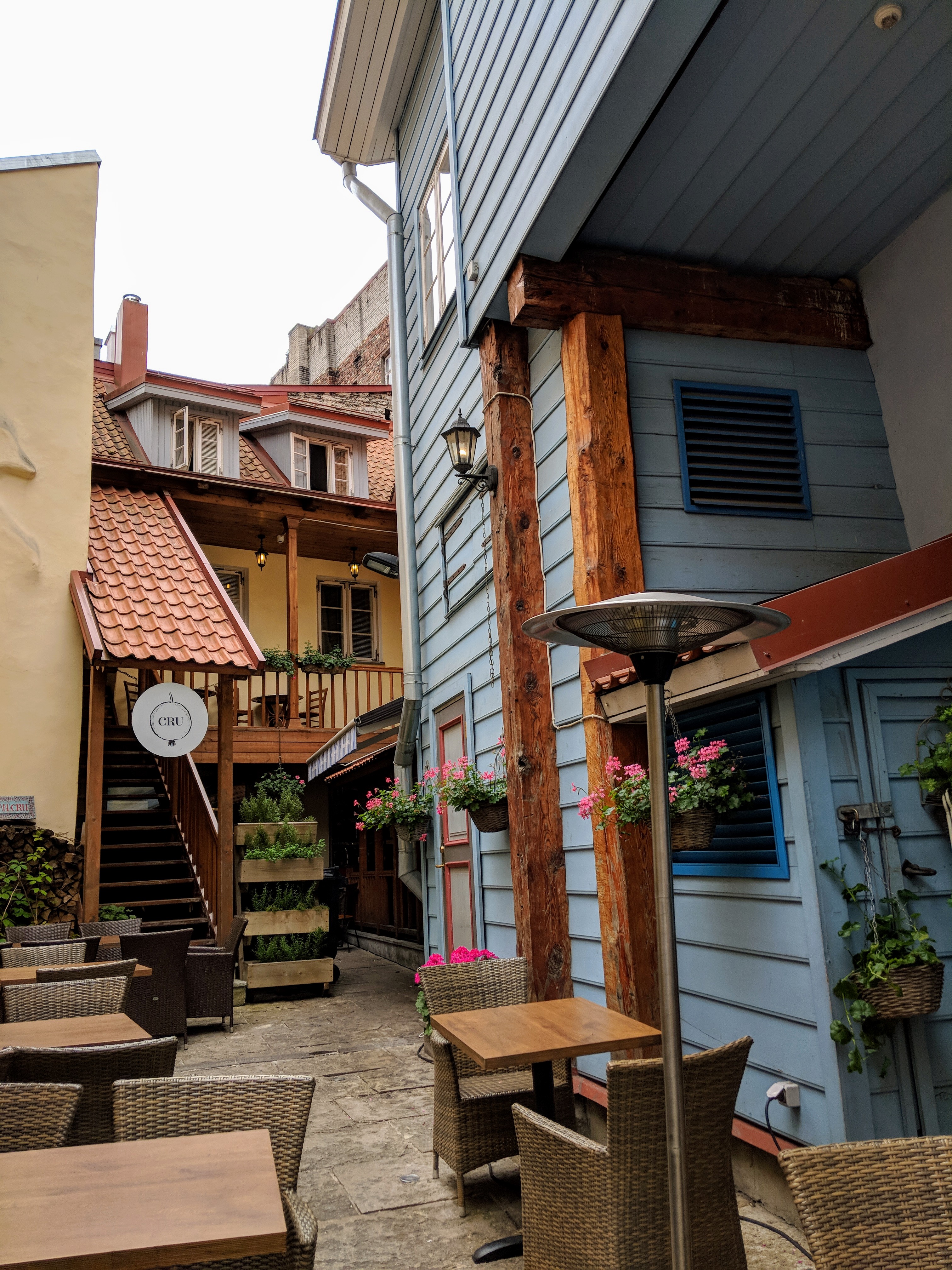
The Old Town is a compact maze of winding streets, narrow passageways, a big town square, and jewels of ambiance secreted away inside beautiful buildings. Having been built on what I can only assume is the only hill in Estonia, there are places to gaze out over the entire town. It was from one of these vistas that a tour guide told us about the Telliskivi Creative Center. It’s an old industrial district that the Estonian hipsters have turned into a funky neighborhood where folks can spend all day drinking, eating, and soaking up the amazing street art and atmosphere. I ate some pretty yummy crepes (called pancakes) from an upcycled rail car in the ‘depot’ area before wandering to look at the uber cool graffiti artfully drawn all around. One vantage point had me looking up to see broken down industrial fences covered with colorful graffiti, backed by glass modern business buildings, with medieval cathedral spires in the distance. It’s in that situation I wish my photography skills were better because, wow.

Estonia is a prosperous country these days, but my impression of Tallinn is that the locals were just as surprised by that as I! Tourism seems to be an uninvited, but pleasant guest to the region. Cruise ships even started docking in Tallinn’s harbor about five years ago, bringing with them hoards of people. From my selfish perspective, this makes me happy because that also means that not only is everything repeated in English, but they also actually have free WiFi hotspots – hallelujah! In every nook and cranny of Old Town, you’ll find some expression of Estonia, creatively crafted to entice us foreigners to visit – be it medieval restaurants with live music and pottery as serving utensils, sleek bars touting Estonian wines, Estonian-Indian food smells wafting out to catch your attention, or the myriad chocolate shops intent on providing an Estonian theme with their chocolate bars filled with peat from the bogs or made from Kama, an Estonian flour mixture which tastes amazingly like chocolate. Outside of Old Town, you’ll find many of the big brand stores for locals and tourists to shop designer.

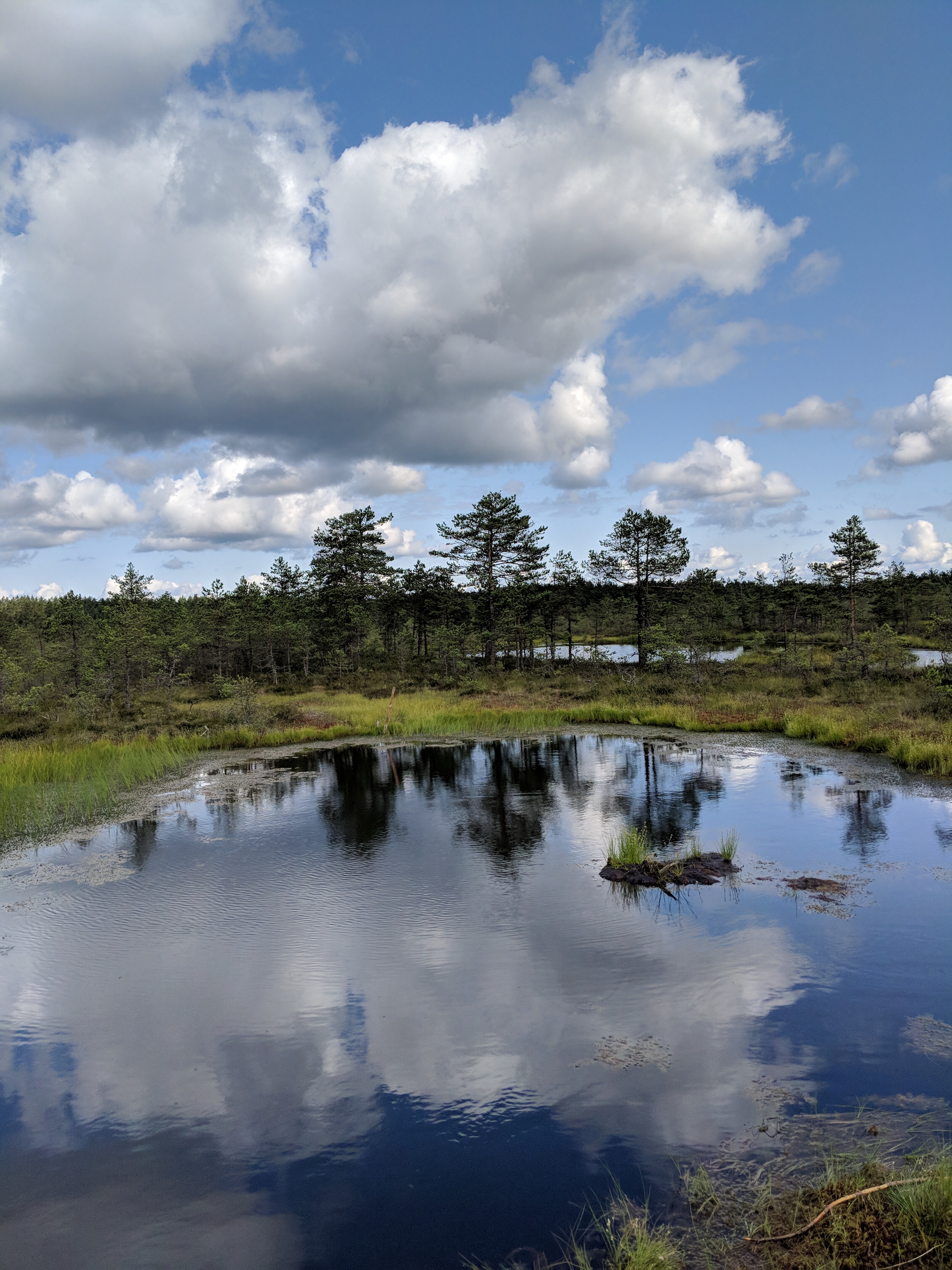
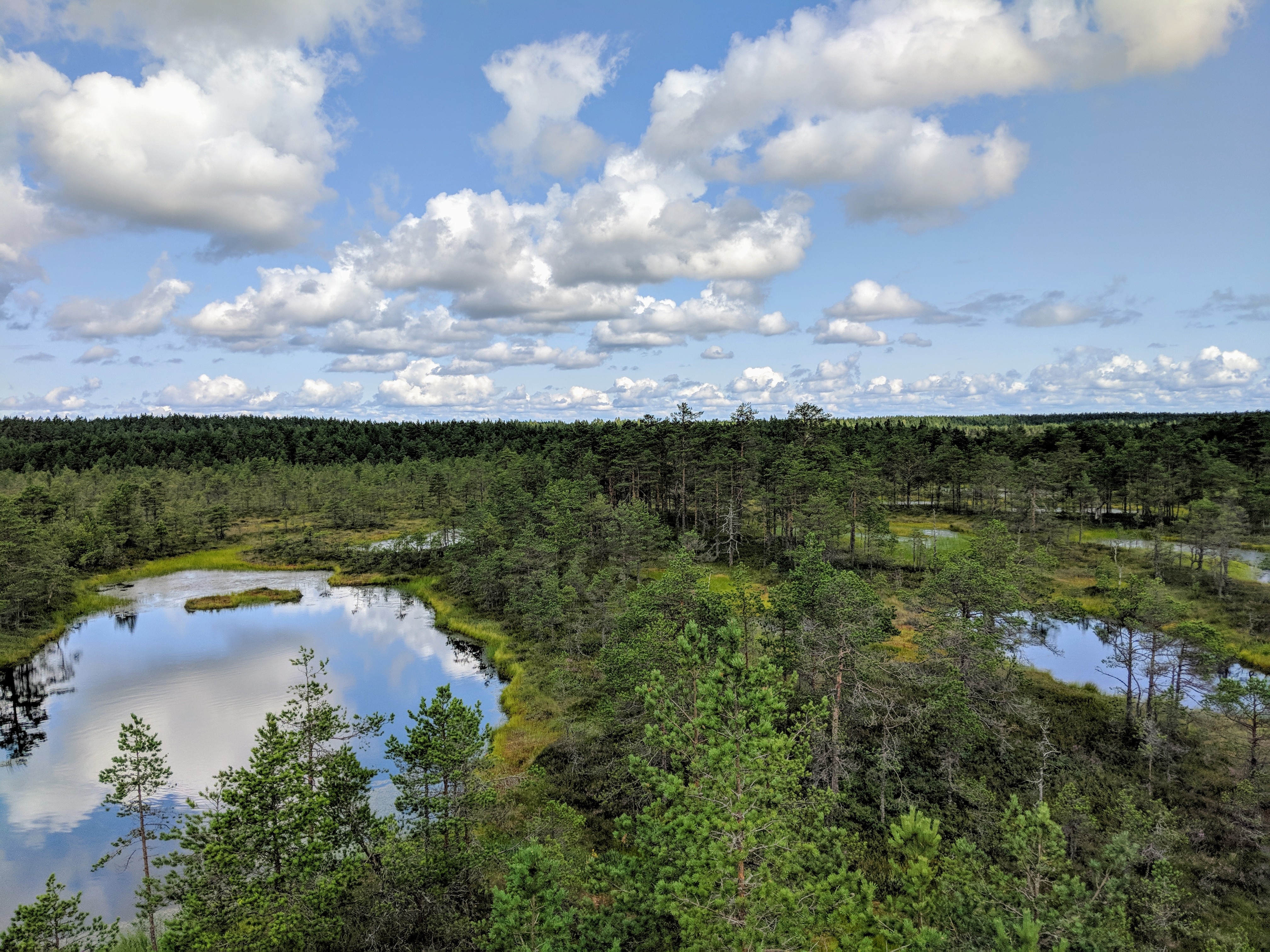
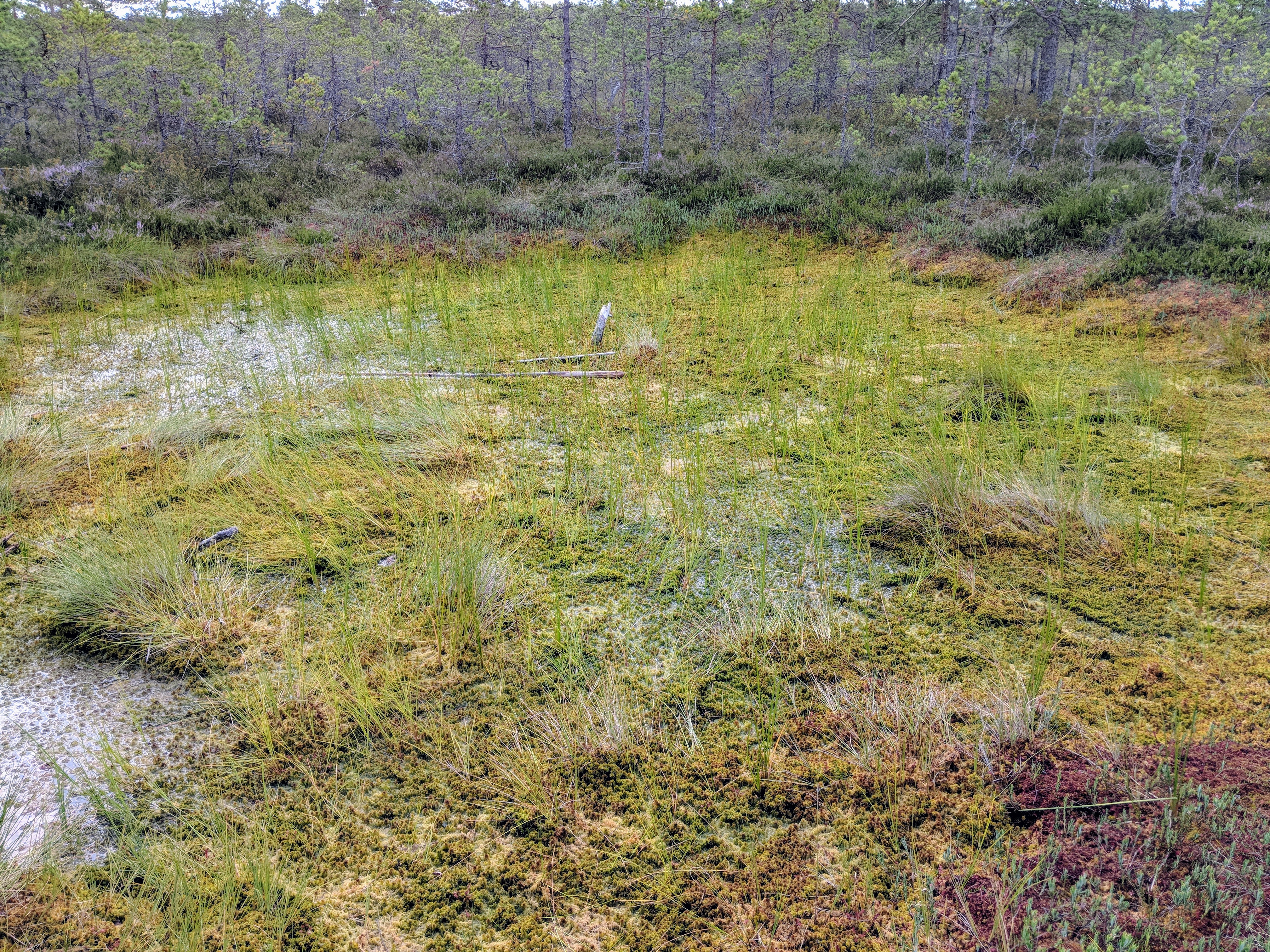
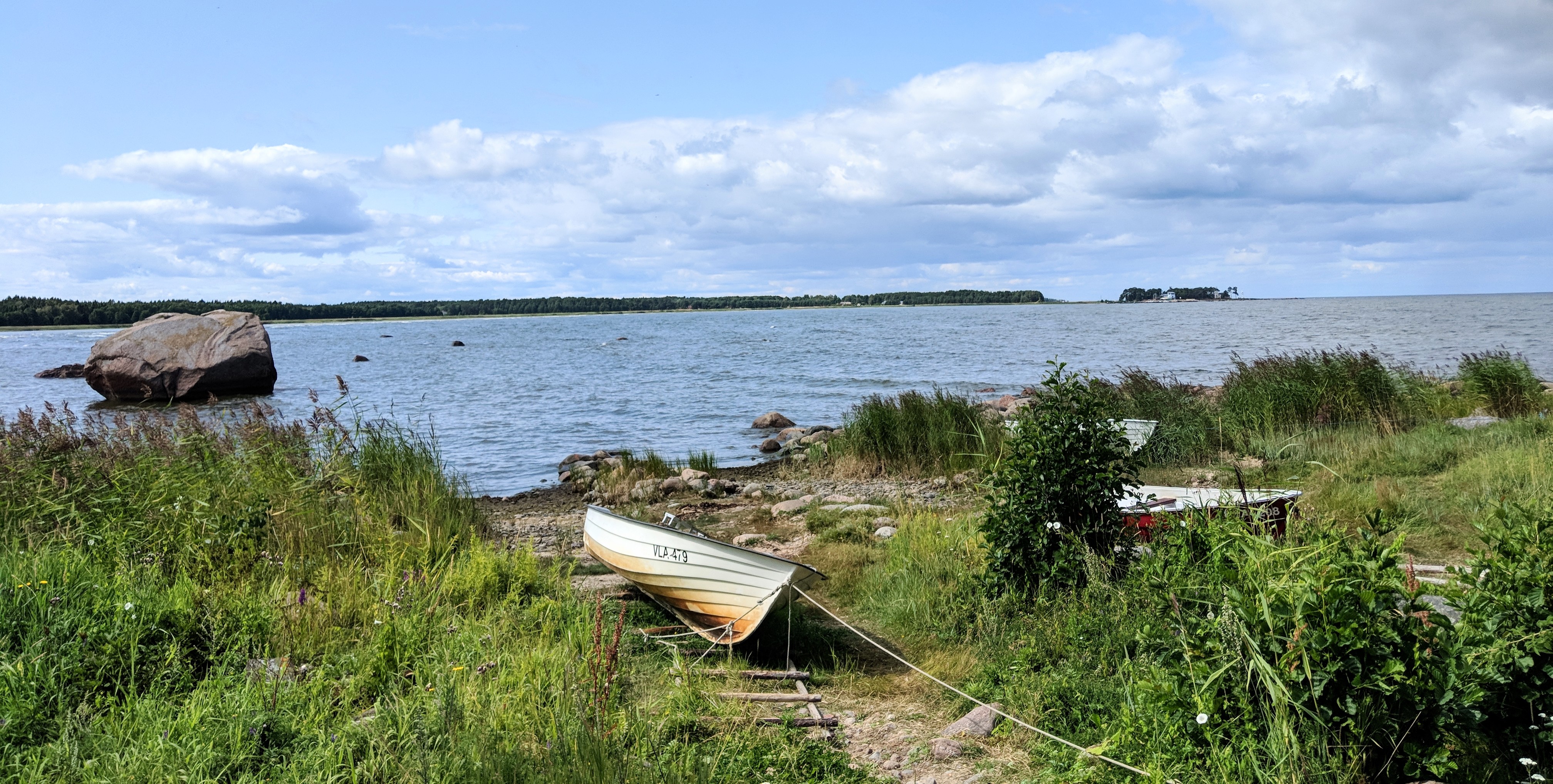
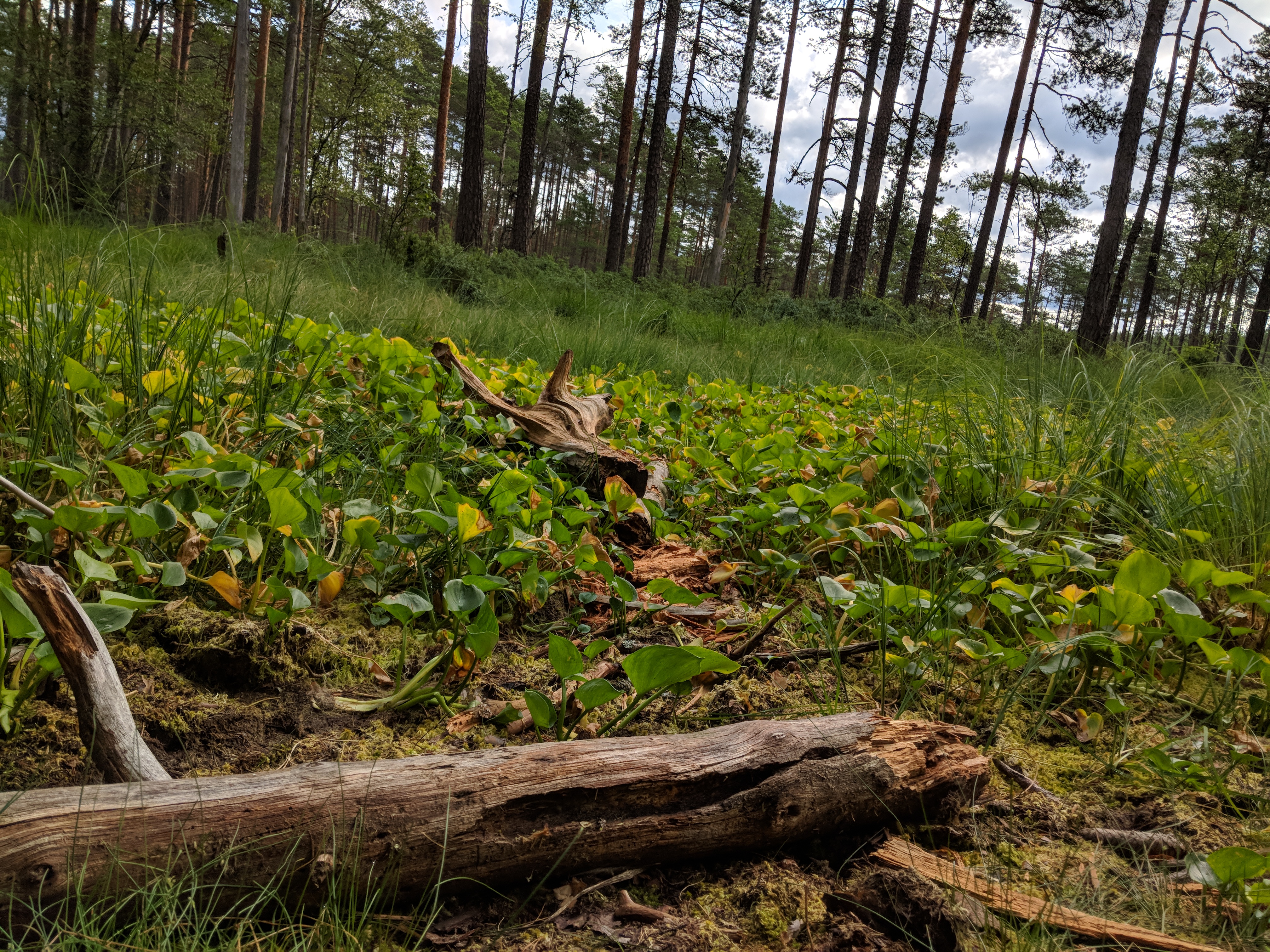
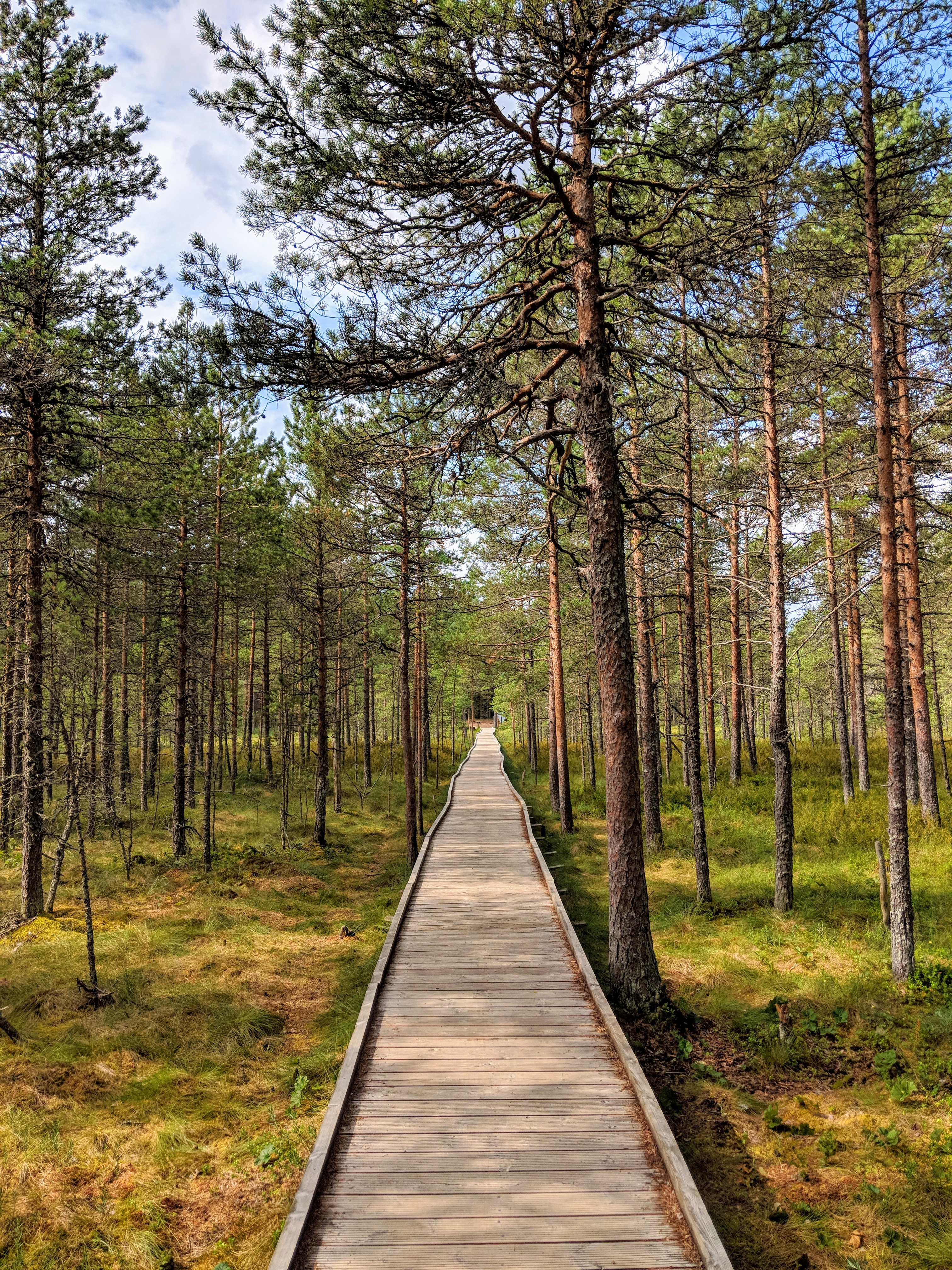
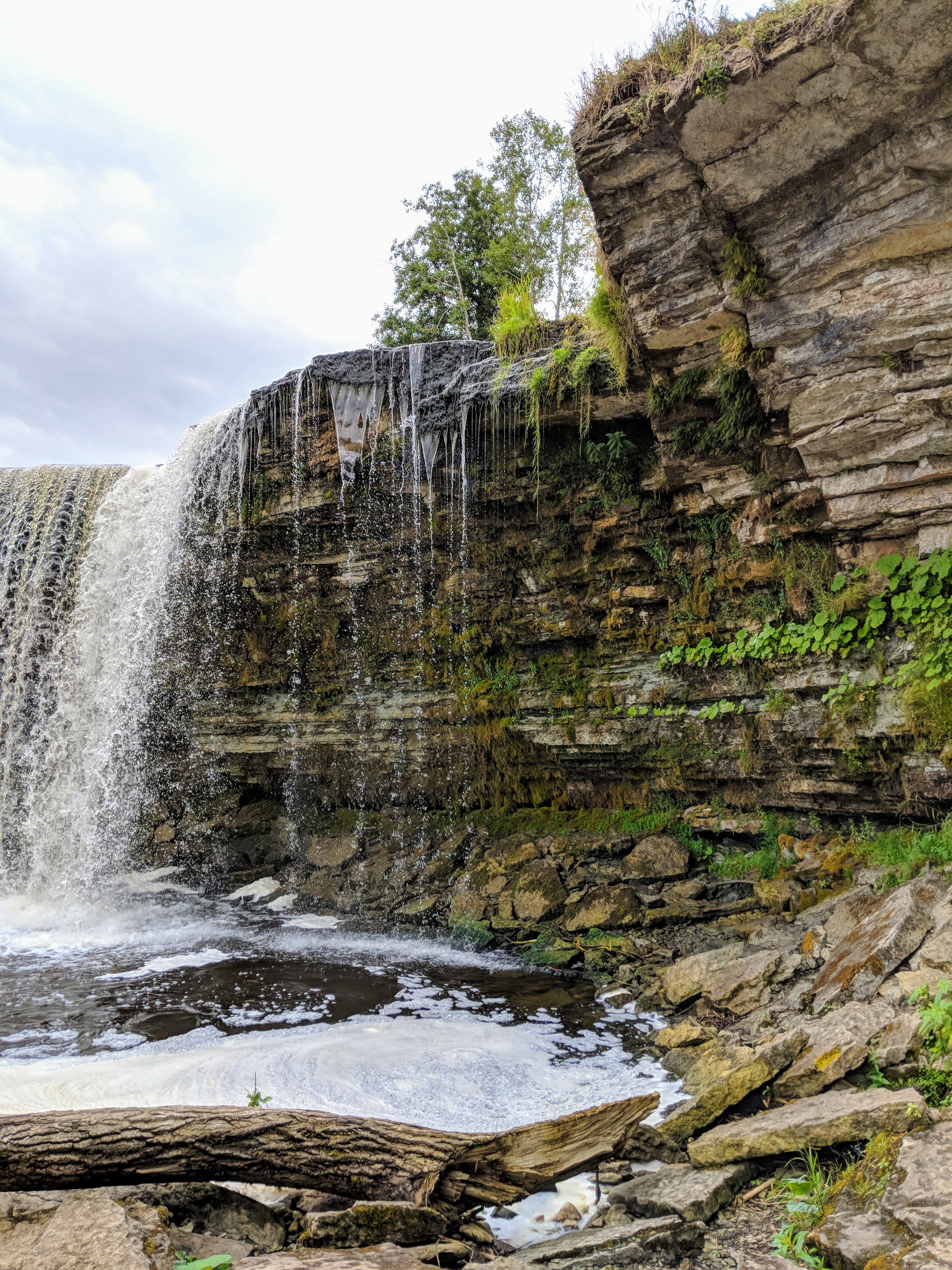
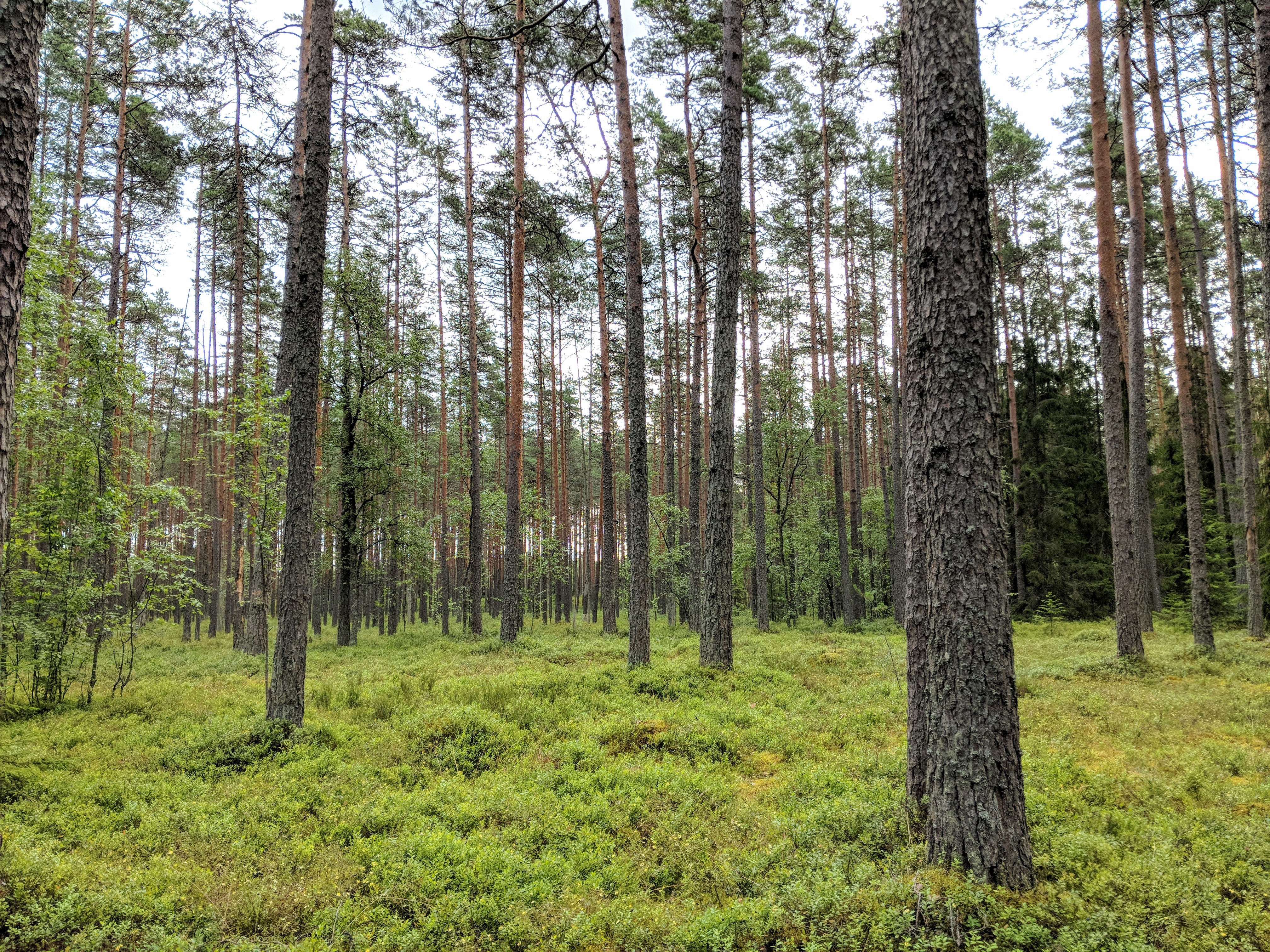
I took advantage of a tourism tour to the Lahemaa National Park up north and can see that although Estonia is embracing the influx of people, they still have a ways to go in highlighting the region in a repeatable manner. Our guide was an absolute nature lover, obvious in the way he lit up when we stepped into the forest and later, the bog. He instructed us on the flora and fauna of the region with adoration in his eyes. The Baltics are flat and Estonia is no exception, so one can see the dedication it takes to become an expert navigator in the lush woods with nary a landmark to be found. Even the waterfalls aren’t tall enough to be dangerous were a person to hurl themselves over without a raft. Unfortunately, that’s where the delight ended. In more matured tourist areas, the guide would be animated with stories of the region, snippets of history and local culture, and site stops carefully selected to seduce the foreigner with their charms. Alas, this was not the case. What I can tell you from this trip is that the bogs are an amazing and fragile ecosystem, growing a plethora of organisms at a rate of only .02″/year. Being the dry season, our bog was less spongy than in spring, but we still got a chance to witness things like kill zones; ponds within the bogs that very quickly go from walkable sponge to swallowing an entire human within mere inches (think wet, green quicksand). There were also several beautiful small ponds left behind by the lake who retreated so many moons ago, creating this bog. These little lakes are popular swimming sites, though anyone with an appreciation of nature would recommend sealing them off from the public for fear of ecosystem degradation. There are bog trekking tours where folks don bog shoes, reminiscent of snow shoes (and double as such in the winter), to explore the vast bog regions. It’s hard to explain the smell of a bog; though you might think (wish) it smells like a well crafted, smoky whisky, you’d be wrong. It’s… fresh. It’s… earthy. I can’t recreate it for you, so I’ll quit trying. Coming from the wonderful world of green, myself, I was happy just being in this fascinating place.

Fishing used to make up much of the Estonian economy, but when the Soviets retreated, they left a lasting gift of chemical barrels in the sea. These chemicals in a sea which recirculates at a very slow rate, have rendered the harbors unsafe for wildlife these past 30 years.

Having such a recent history with Russia, 25% of Tallinn is made up of folks who are, speak, or identify as Russian. Much of the culture in the city still caters to those remnants, though Estonians would prefer to team with other post USSR countries since those allegiances align a little better. Being the adaptable folks they are, though, it’s understood that the people aren’t the problem, but the politics, so they find ways to get along and obviously, prosper together. Another result of such recent conflicts is the mandatory military service all male Estonians are required to participate in. Each man is required to serve an 8 or 12 month enlistment in the military where they learn the basics of defense. The service may be delayed by up to three years due to certain circumstances, but it is definitely mandatory. There is, of course, voluntary military service in which some men choose as a career and women are allowed, though the women’s focus is not just fighting, but also defending homestead life. Once the basic training has been completed, the government reserves the right to call these individuals to defend the nation until they reach the age of 60.

One thing most Estonians won’t fight for is religion. The country is notoriously anti-religion. As an example, in a city of 400k folks and Catholicism being its third largest theology, when the Pope visited, only about 6k folks showed up. The main reason that Lutheran is even the country’s documented faith is solely because back in the day, you couldn’t become a city without being Christian. You’ll hear the bells ringing for services throughout town on Sundays, but you will see no mass congregations of church dresses and suits.

I felt as though I could easily stay in Tallinn for much longer. Even though the food is largely adapted from other cultures, it is delightfully yummy, the weather is perfect for a Pacific Northwest girl who hates the heat, and the variety of things to do could keep me busy for weeks (I regret not having been to a boxing match. Not!). I barely had a chance to understand exactly where to get off the bus; the stops are not published on a lit sign inside and the habit is to call out not only the very next stop, but also the stop after, so my ears still had some adjusting to do (I’m sure my mother believes that will always be the case). In addition, the Finno-Ugric language of Estonia is one sprinkled very liberally with vowels. It would take me months to master even the smallest of phrases, so I better go before they start expecting me to do just that! There is still much of the world to see and I’m excited to compare the Baltic capitals to see if I share the views of my Airbnb host!