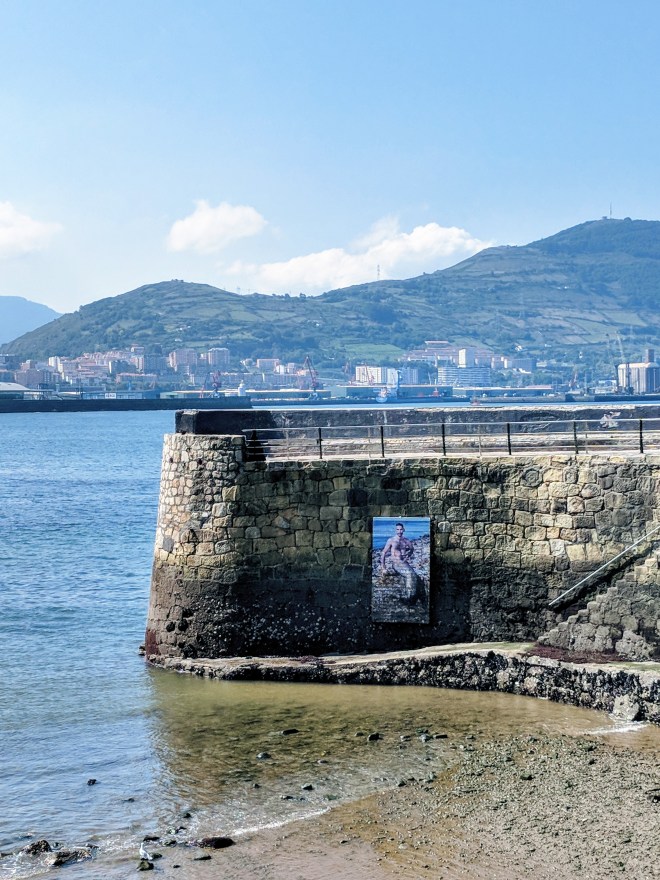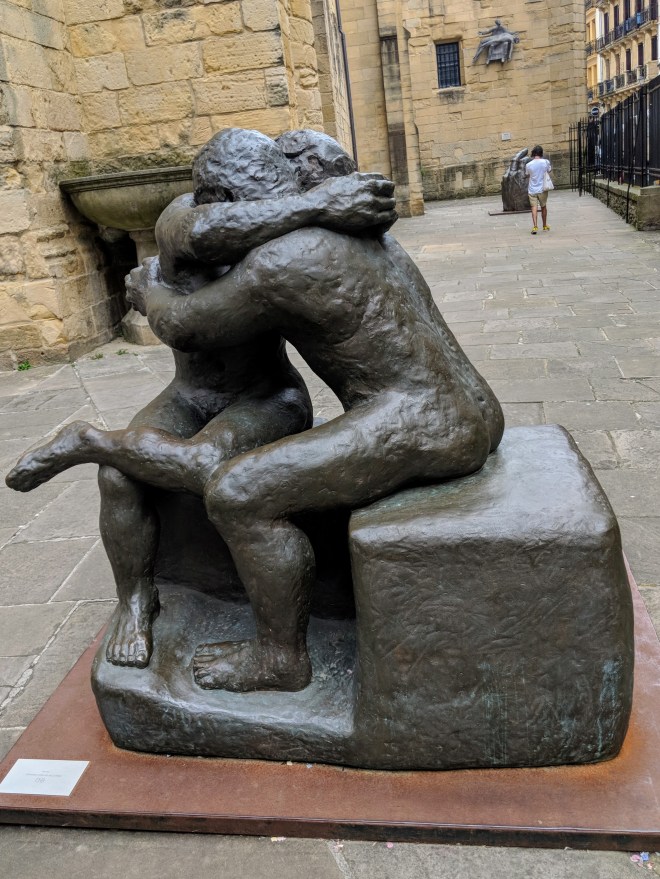
Basque-ing in Bilbao

How I went from Czechia to Spain: Itineraries tend to be a bit fluid when on the road long term. The plan for this sabbatical was to follow the cooler climate (see quirk #3) and visit countries I’ve not yet seen on previous excursions. Since I’d never been to Spain and have a strong desire to improve my high school Spanish, it was always on the list of potential locations, though only once summer was completely over in the large, sun drenched country. The dream was to spend a glorious 90 days between various Spanish cities, immersing myself in the language, culture, and food while the heat wasn’t such a lethal companion.

Wellllll that was when I thought I could spend 90 visa free days in EACH country. Nope. Upon arrival in Sweden, I was informed the 90 visa free days are for the entire Schengen zone. Schengen what?!?! There’s a European country, then there’s the European Union, then there’s the Schengen zone. Of course I hadn’t known about this, so my itinerary was changed on the fly and limited me to much shorter visits in each place meaning I wouldn’t be in Europe long enough for the heat of Spain to lessen. Wahhhhh!

After several weeks touring Central Europe, I was starting to itch for food without potatoes and a bit of seaside. Hmmm, I thought, Northern Spain in Basque country isn’t that hot in September and lookie there, a cheap flight from Prague! Boom, Bilbao called and I answered. Aside from the atrocity that is private rooms through AirBnB (just don’t. ever. get a hostel.), I absolutely adored this part of the trip! The metropolis of Bilbao is a perfect size. Coming in at less than 500k population for the city and surrounding area means there’s plenty to do without all the big city crazy.

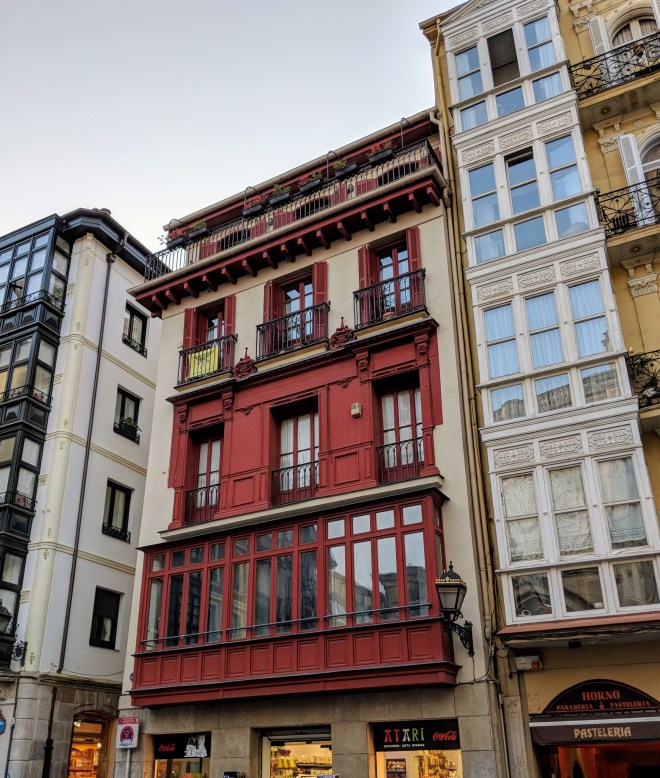
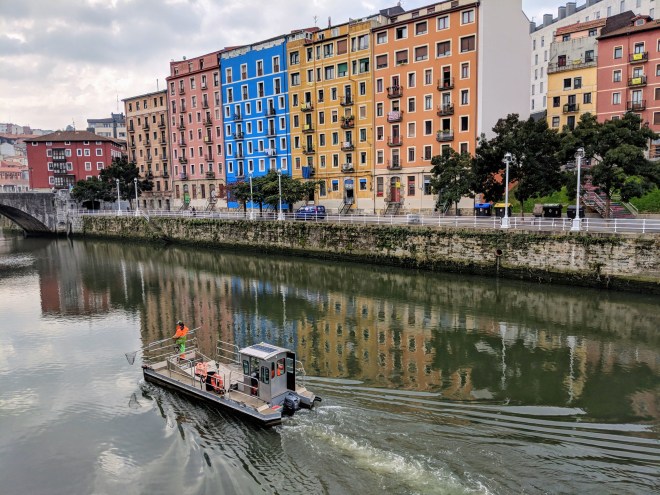
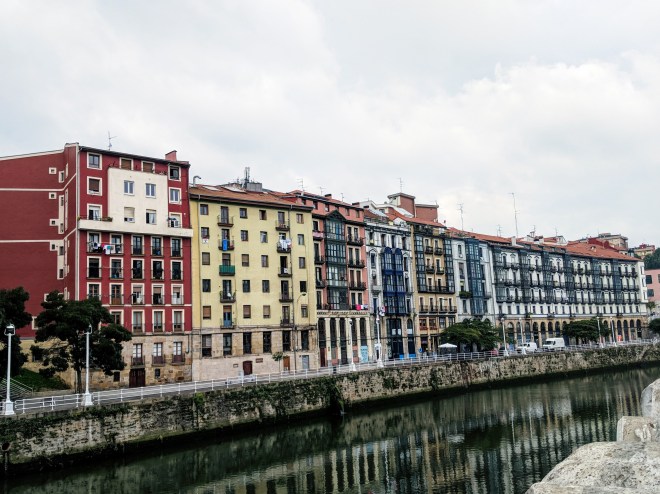
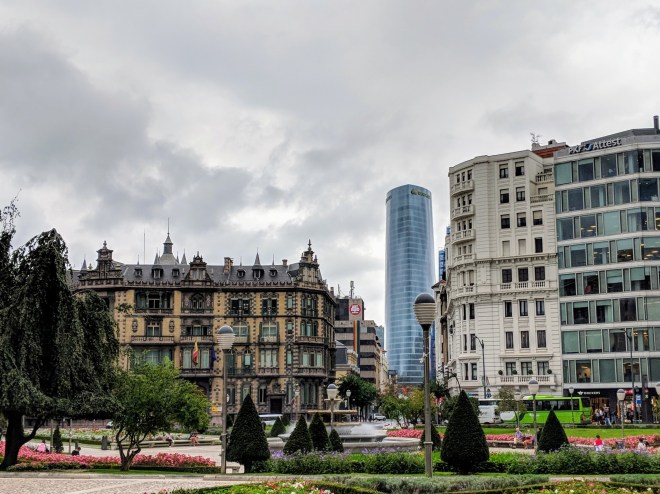
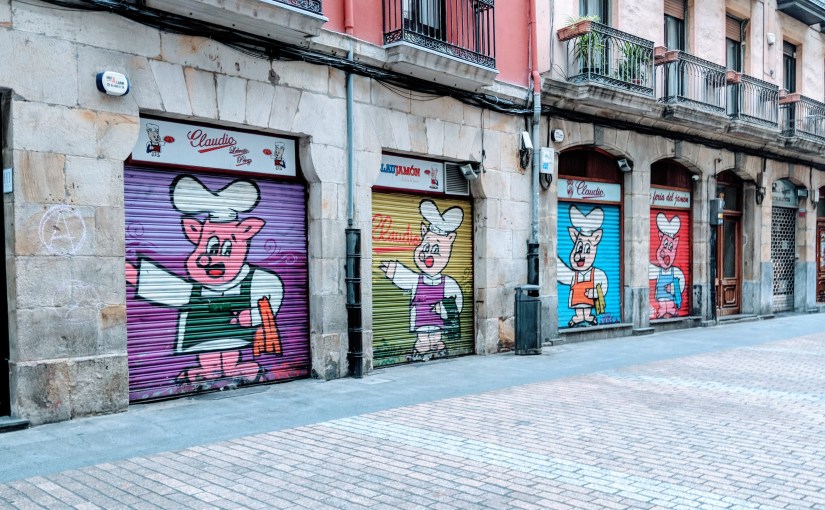
Walking and Gawking: Bilbao was chartered as a city in 1300 but by then, of course, it was already built up and consisted of 7 streets, a church, and a town hall. These 7 streets are still fascinating to meander through; delights to be found everywhere. Across the river from Old Town is where the hipsters live. What used to be run down, neglected neighborhoods now house some of the more eclectic yet upscale homes and boutiques. The buildings’ facade from Old Town only hints at the treasures to be found across the river.

After the more reserved cultures in Central Europe, it was a pleasure to be among my people; Smiling ones. It’s a widespread myth among travelers that the more sun a region has, the more likely a local will whip out a smile. Although that isn’t quite true, it sure was a joy to walk through the city and have a smile returned when given – and if you know me, is always.

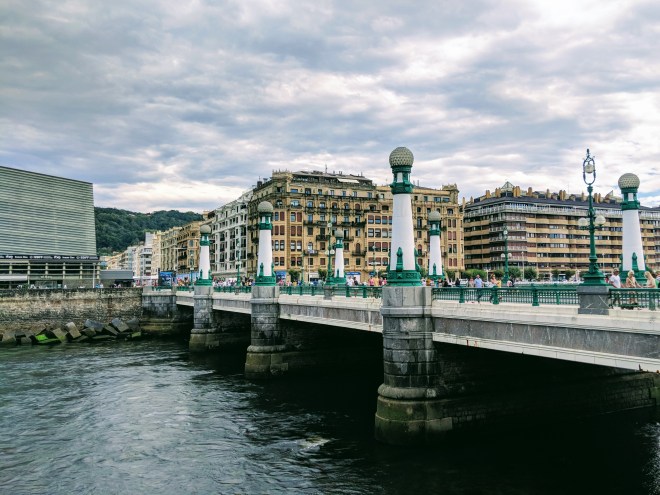
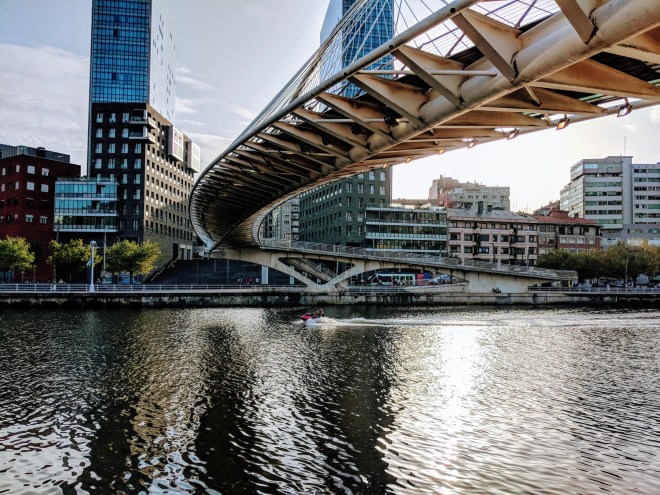
Bilbao was historically highly industrial until the mid 90s. The Mayor at that time made the dramatic decision to move all industry toward the sea and to reinvent Bilbao as a destination city. To that end, he commissioned beautiful bridges and building of the Guggenheim museum. Although the cost of revival was high and extremely controversial, the city’s economy not only absorbed the cost within a few years, but became quite prosperous, giving business opportunities to so many who previously had none. You can see this initiative throughout the city, including in the giant puppy who sits in front of the titanium Guggenheim. He requires the replanting of more than 1000 flowers each month and has become the mascot of the city for all.
Christmastime is special in Bilbao; it’s when the brutes come out to play. The entire main square on the riverfront is turned into a rural sports stadium with competitions for wood chopping, stone lifting, cob gathering, sheep shearing, rock hole drilling, donkey racing, etc… I am so enamored with this idea, there may be another trip in my future just to see the action in Bilbao and maybe throw in the Scottish Highlands to double down.

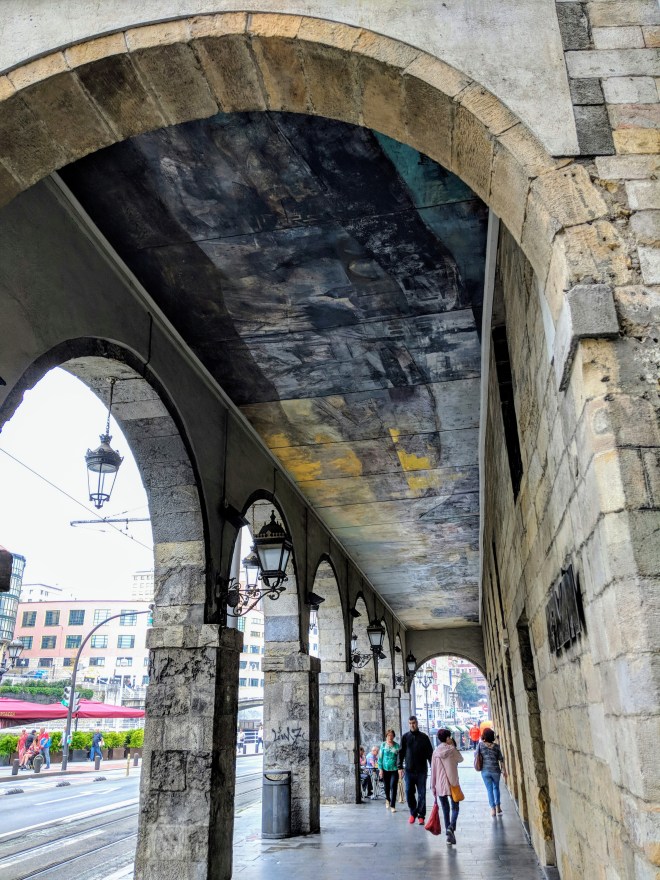
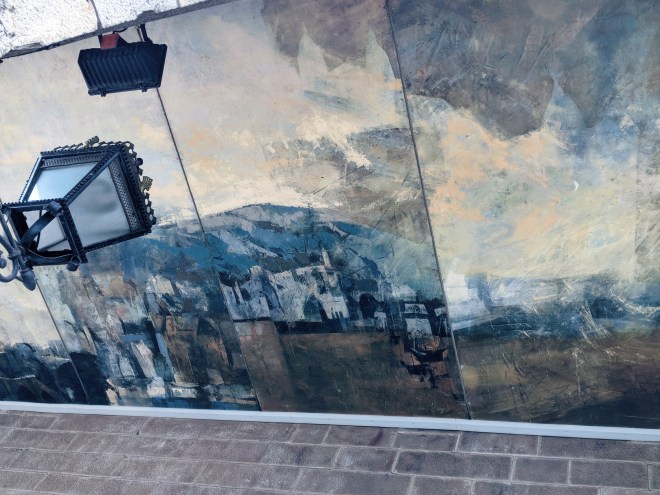
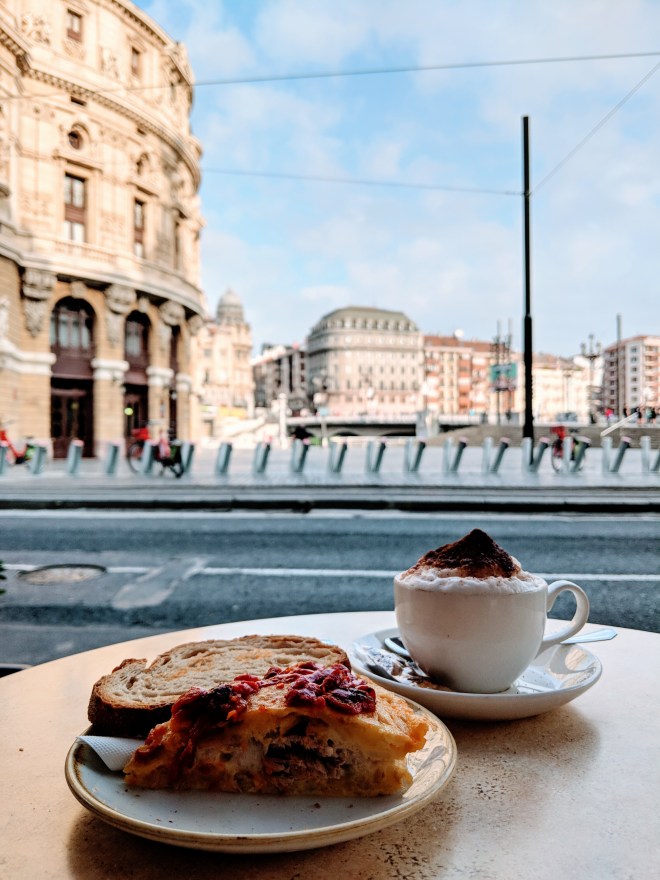
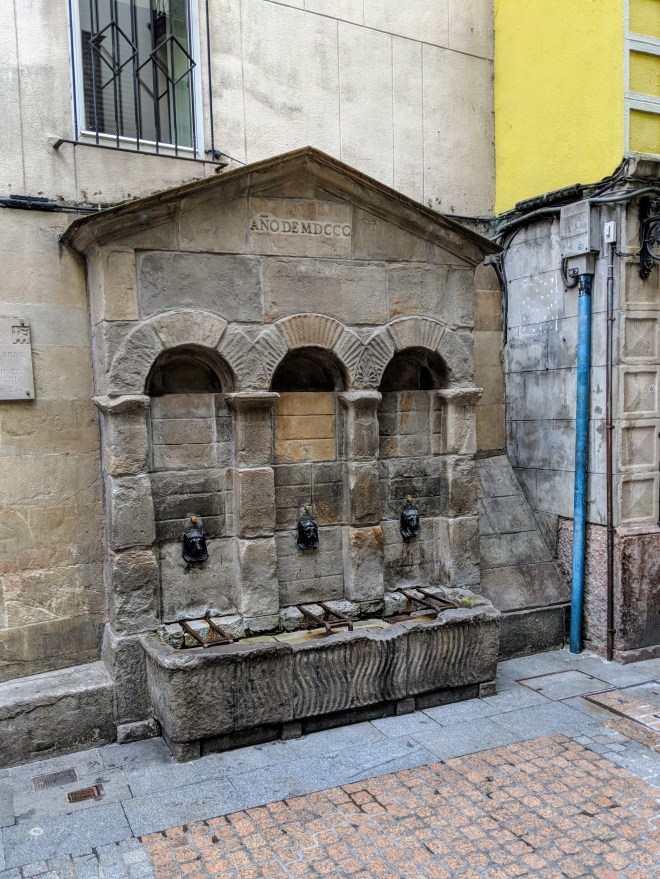
Once, I was desperately trying to find a bathroom which had a sink AND soap AND something to dry my hands with; Seriously, this can become a full time hunt in Northern Spain. Finally, I came upon a sweet little cafe on the river where I just soaked it all in. The first indication that I was right where I should be was the notebook I noticed on the bartop covered in a hand written alphabet with scribbles all over. When I took in the whole scene, I found the bartender and waiter patiently explaining some nuance of the Basque language to a customer whom I later learned was a refugee from Senegal. He couldn’t speak English, I can’t speak French, and neither of us had Basque or Spanish down, but even with the language barrier, the four of us had a great time laughing about languages and hand gestures. They served wonderful coffee and while sitting on their cafe sidewalk, I interacted with so many lovely people, some of whom addressed me only because they heard me laughing softly to myself and wanted to join in on the joke; Didn’t matter a lick that we weren’t speaking the same language. The sidewalk ceilings were painted with impressionist versions of the city and under them strolled a countless number of dogs and their owners, likely to hit up the dog fountain a few blocks away.
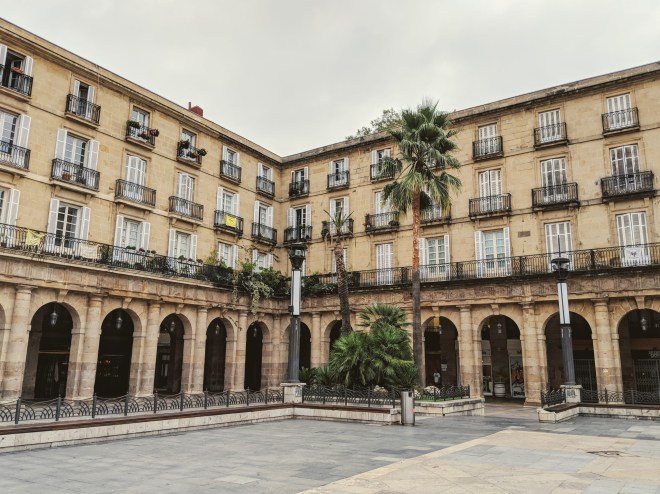
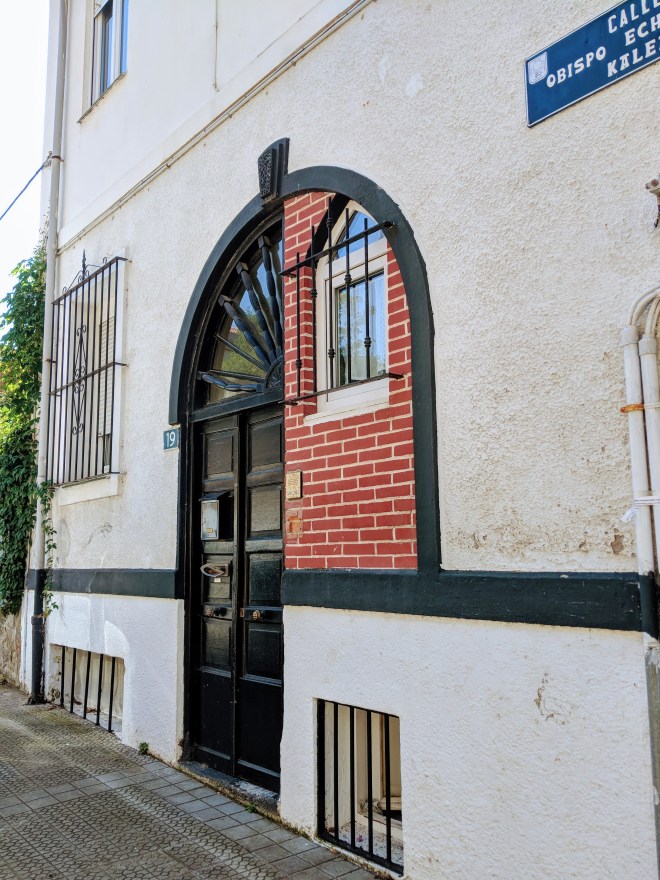
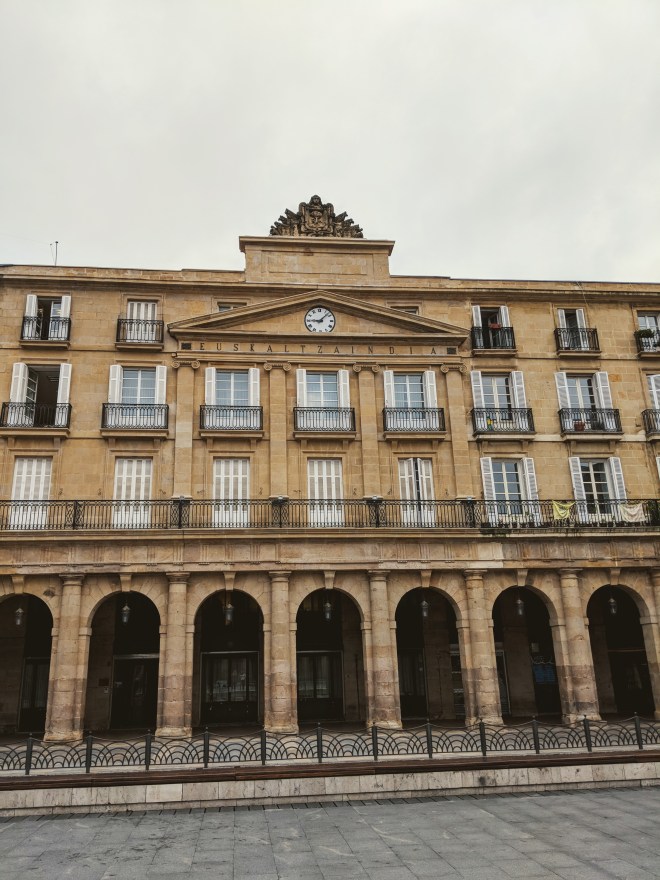
Although the Basque region is technically part of Spain (there used to be some Basque in France, but no more), it is highly autonomous. The language and culture died for several decades while Franco was in power and has resurged with a vengeance since his death. Their children go to school learning the Basque language, not Spanish. It’s common to find instructions and signs written only in Basque, which is vastly different from the high school Spanish on the tip of my tongue. Their Euskaltzaindia, located in a gorgeous square, is where a group of folks watch over the language itself, keeping it alive by discovering or developing new words and phrases. For English, these would be the people who put the word “ginormous” in the Basque dictionary.
The taxes they pay are also distributed differently from those in other regions of Spain, giving them more ability to fund infrastructure and take care of their people in the way they see fit. All of this gives the Basque people a sense of pride and it is one of the more affluent regions of the country. On top of being located in a stunning natural area, why wouldn’t they smile!?!

Police station parking lot

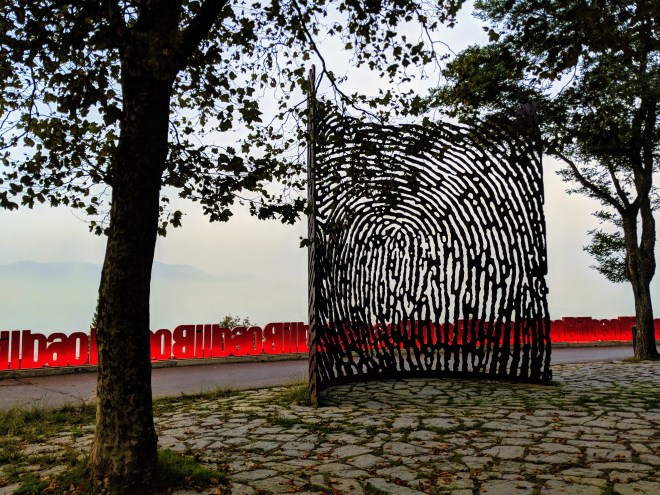
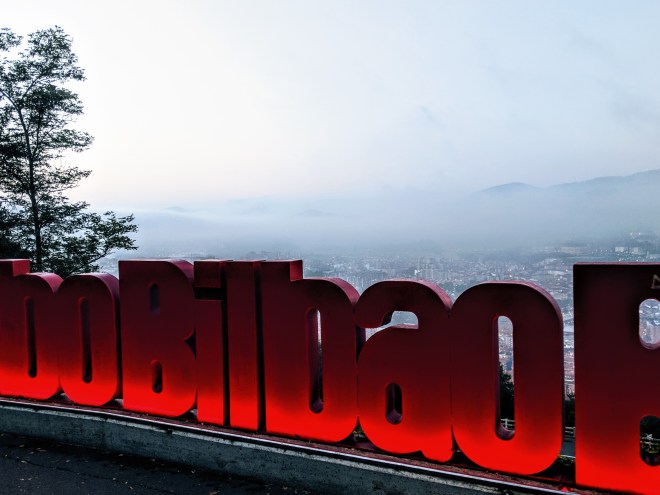
There’s a clean and fast funicular in town which relieves a super windy road or serious hike up to some beautiful views of the city below. I’m a sucker for a good funicular and this one was actually built to take residents up to another of my favorite things; a casino. Back when gambling was a deplorable sin, but still accommodated, they placed a casino outside of the city, high on a hill and built a funicular to carry the sinners back and forth. To my chagrin, there is no longer a casino at the top of the hill, but there are stunning views (on a clear day) and the fingerprint of the city.

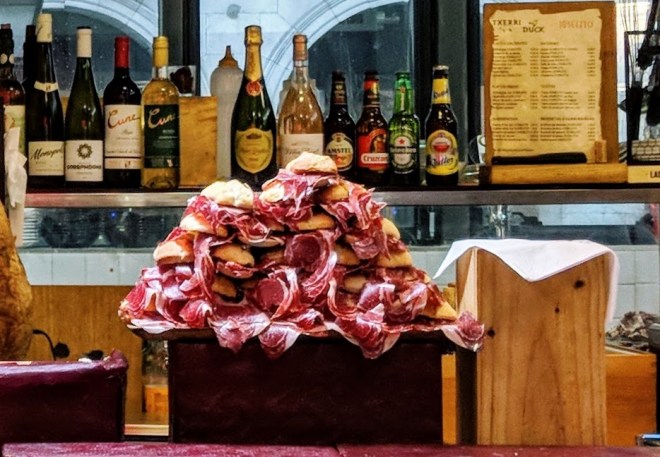
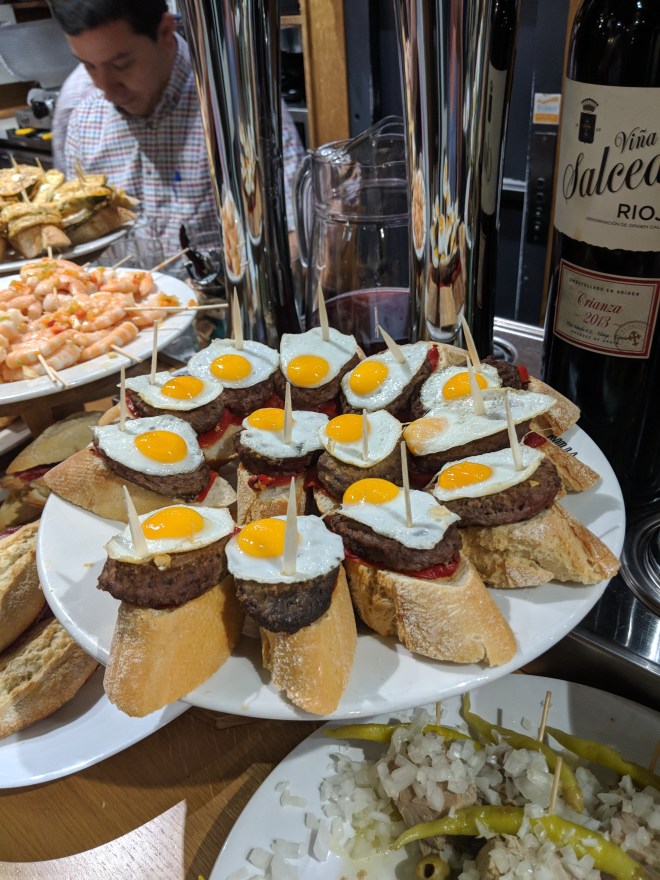
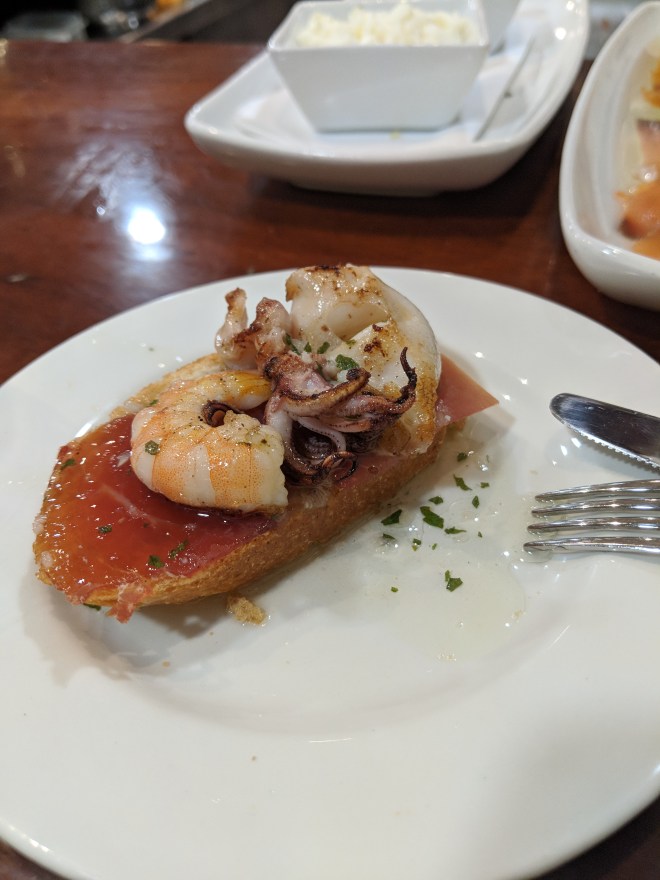
Food: Basque food is world renowned – per capita, they have more Michelin stars than any other region in the world! I booked a tour through AirBnB Experiences (do it!) and my guide showed me how to see the city and where to find the best pintxos. Pintxos are what Basques eat… always. If you know that tapas are small plates of which you order several and share, you’re halfway to understanding pintxos (peenโ€ขchohs). This remarkable little food was originally served as a piece of bread, topped with various foods – often seafood, then speared with a toothpick. Today’s pintxos are decidedly similar in that they are still quite small, intended to be one or two bites, and served on (or often just with) bread. The way to eat them is by bar crawling. Yup, you order one pintxo and one very small beer (called a zurito) or wine in an establishment, then move to another and repeat until you’re sated. The key here is one at a time, any more and you’re pegged as a tourist. I am a tourist so sometimes I threw caution to the wind!

Because of this tradition, there aren’t sit down tables, you just stand at a small counter to chat a bit and enjoy. Many pintxo restaurants consist only of a bar to order where their specialties are displayed at eye level and/or written on a board with a few ledges inside and outside. Of course the turnover of customers is pretty quick, so there are also typically several employees about, grabbing refuse and glasses from the counters at breakneck speed. This creates an adventure just in the logistics of ordering and consuming your meals which, for a traveler, is part of the fun!

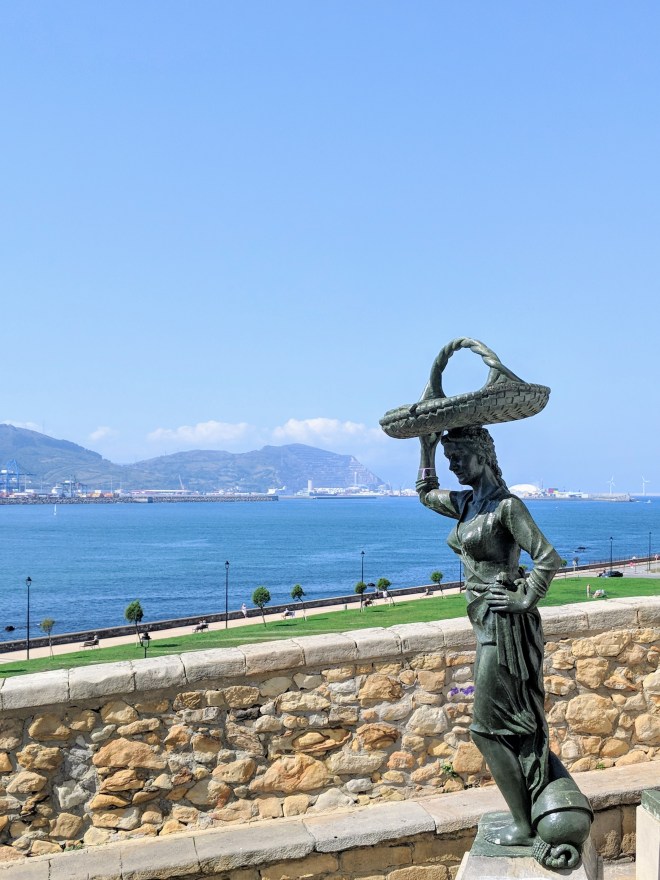
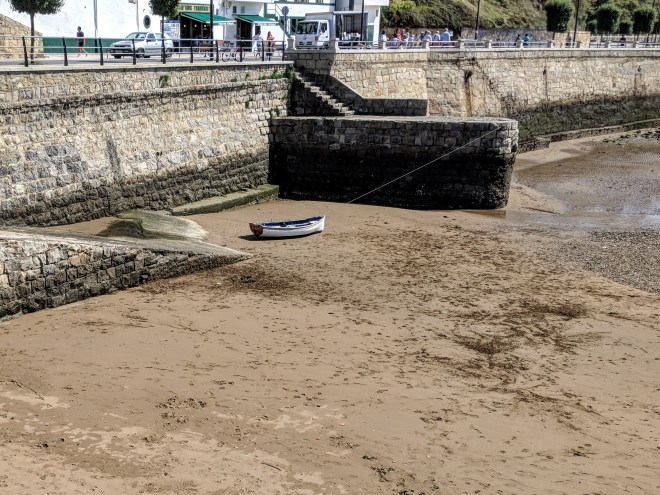
Getxo: After getting my fill of Bilbao, I headed to a suburb on the sea called Getxo. It’s a laid back town with lots to offer. They have a charming fishing village with its own sand beach and the town seems to be a close knit community, self sufficient away from the larger city.
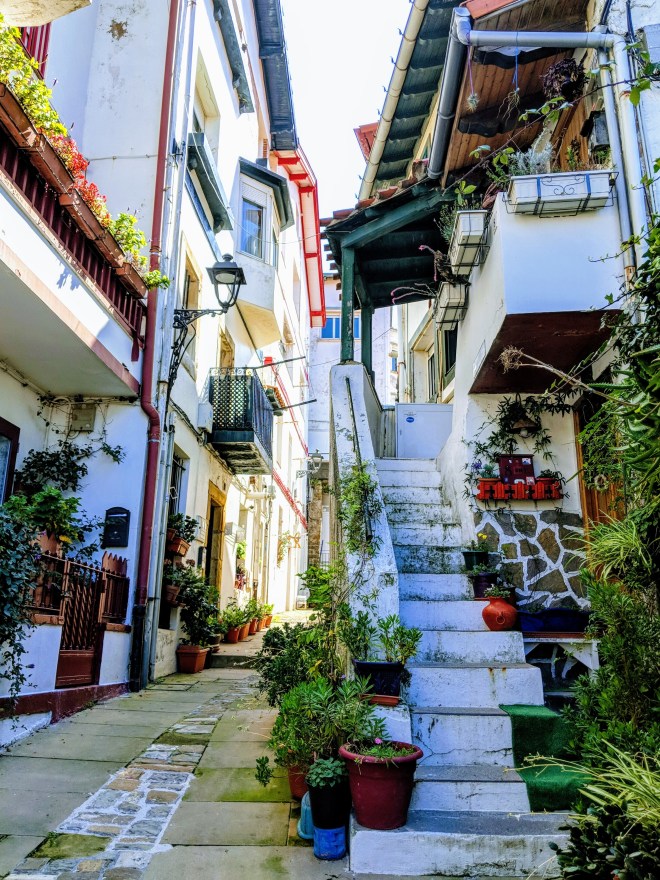
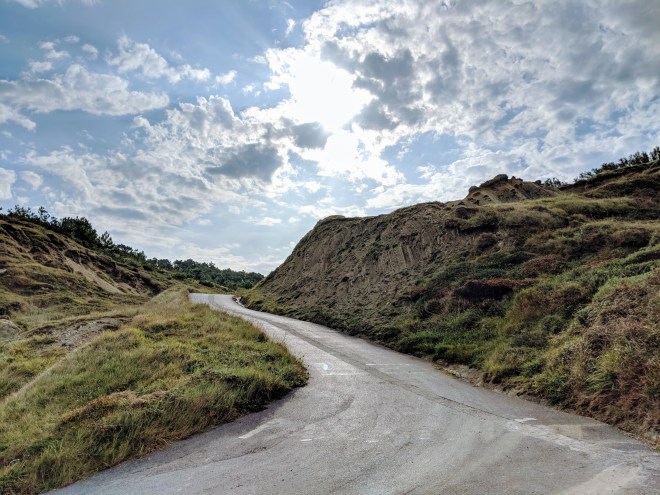
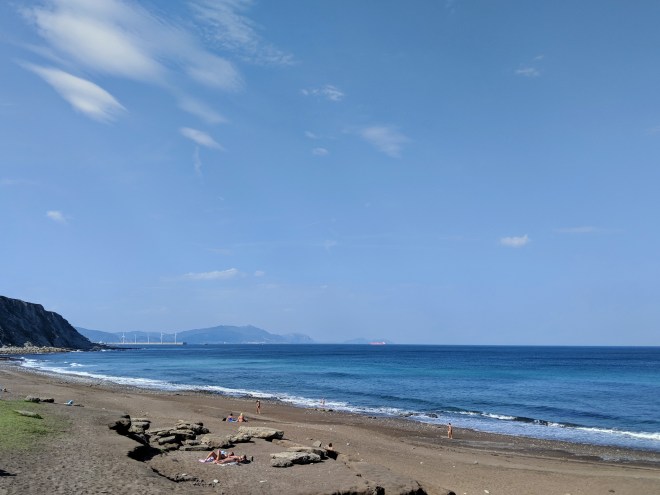
There are multiple beaches to choose from and I inadvertently but happily spent my beach time at the nude one. The walk to the beach was everything I’d hoped for. After finding my way through town and over the rolling hills and countryside, I found myself just drifting. There was something to see or smell or feel at every turn. Once I made it to the beach, it felt like the cherry on top instead of the actual goal.

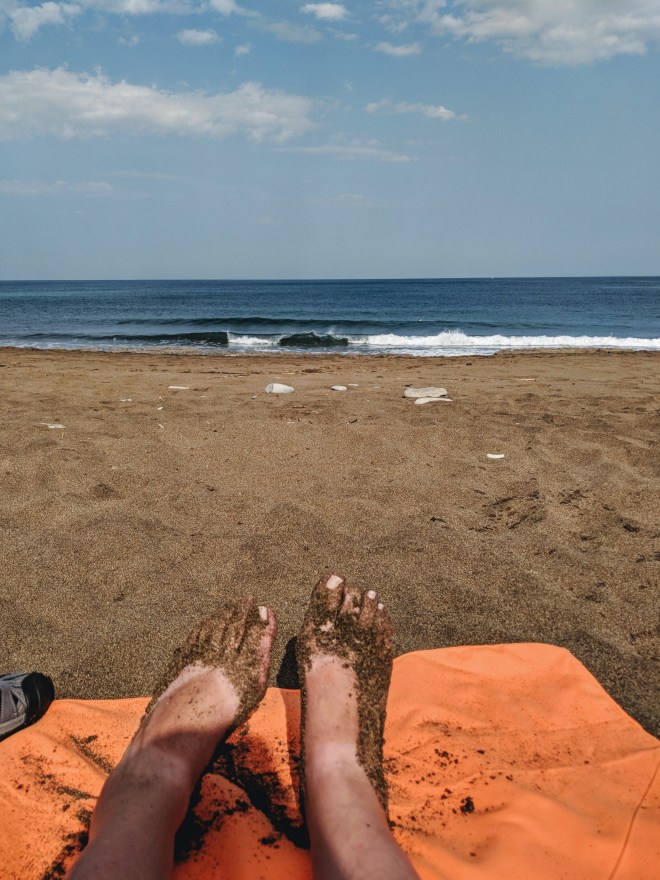
It was amusing to watch the phases of nudity throughout the day and of course everyone was respectful. The early crowd consisted of mostly brazen older men but as the morning petered out, couples of all ages started dotting the beach, only a fraction of whom did not take their clothes down to the nubby bits. By noon, the solo men were entirely gone, replaced by the younger women who came to bask in the sun without getting tan lines. It was absolute entertainment and after getting my fill on the Bay of Biscay, I trudged back up the hill in search of food.
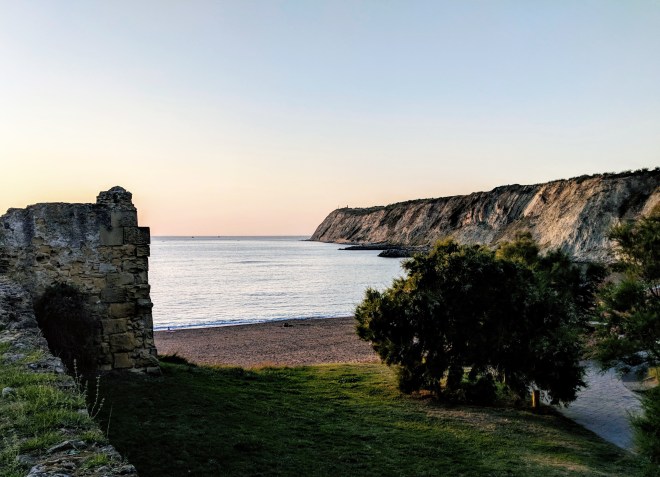
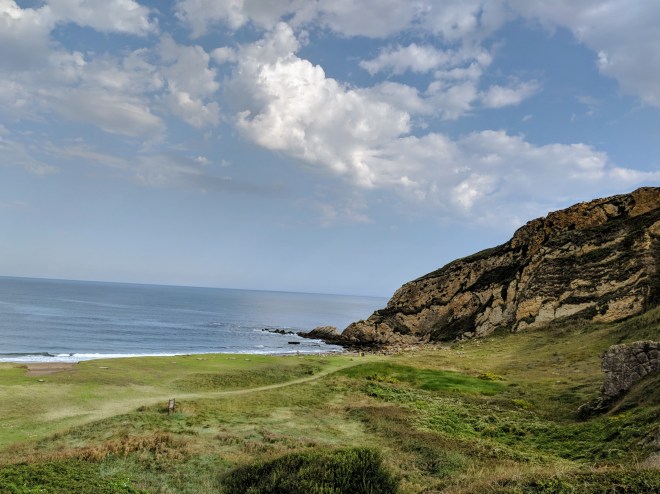
The restaurant at the top of the hill overlooking my beach was part brewpub, part food truck and I was exceedingly happy to find actual tables at which to sit and partake. Starving, I pointed at an item on the food truck menu named “morcilla” and asked what it was. When the girl behind the counter couldn’t find a way to describe it to me, I just asked if she liked it. Since she lit up like a house afire, I figured I gotta get me some. Well, turns out, it’s Spain’s version of blood sausage and it was out. of. this. world! I have tried many other versions of morcilla since that day and they’ve been great, but this one – my first – after swimming and sunbathing for hours, was AMAZING!

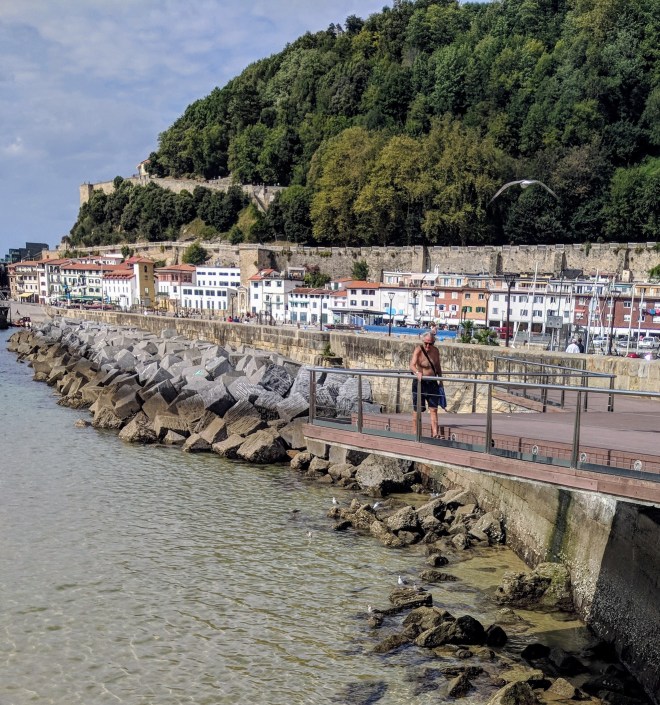
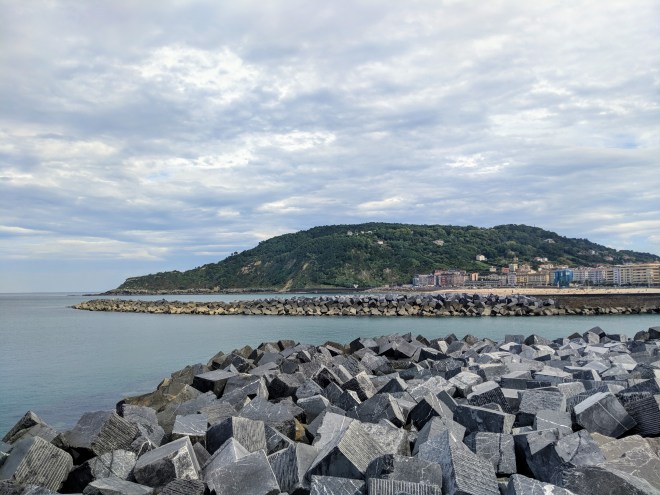
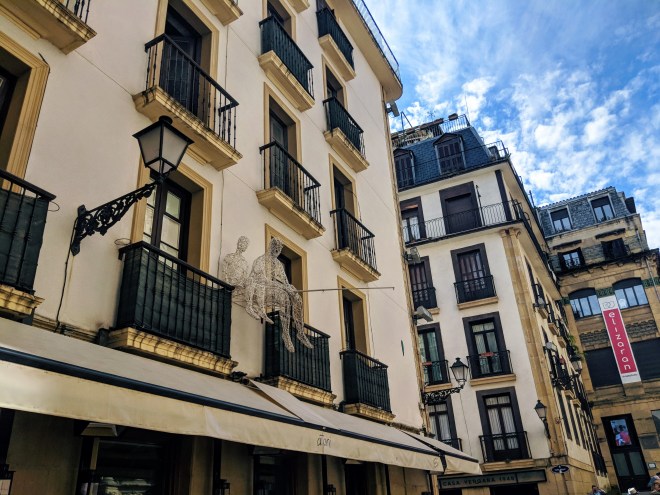
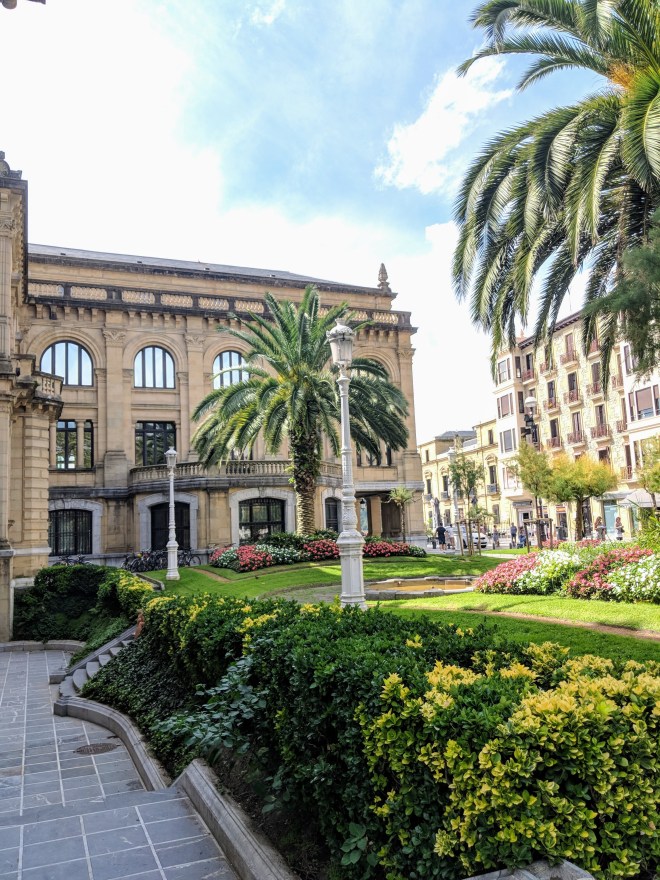
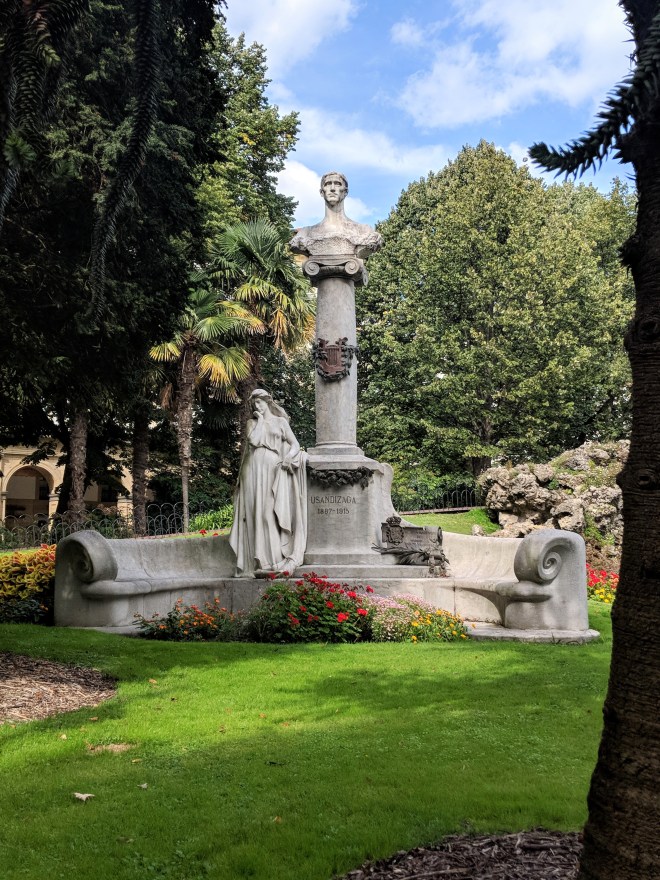
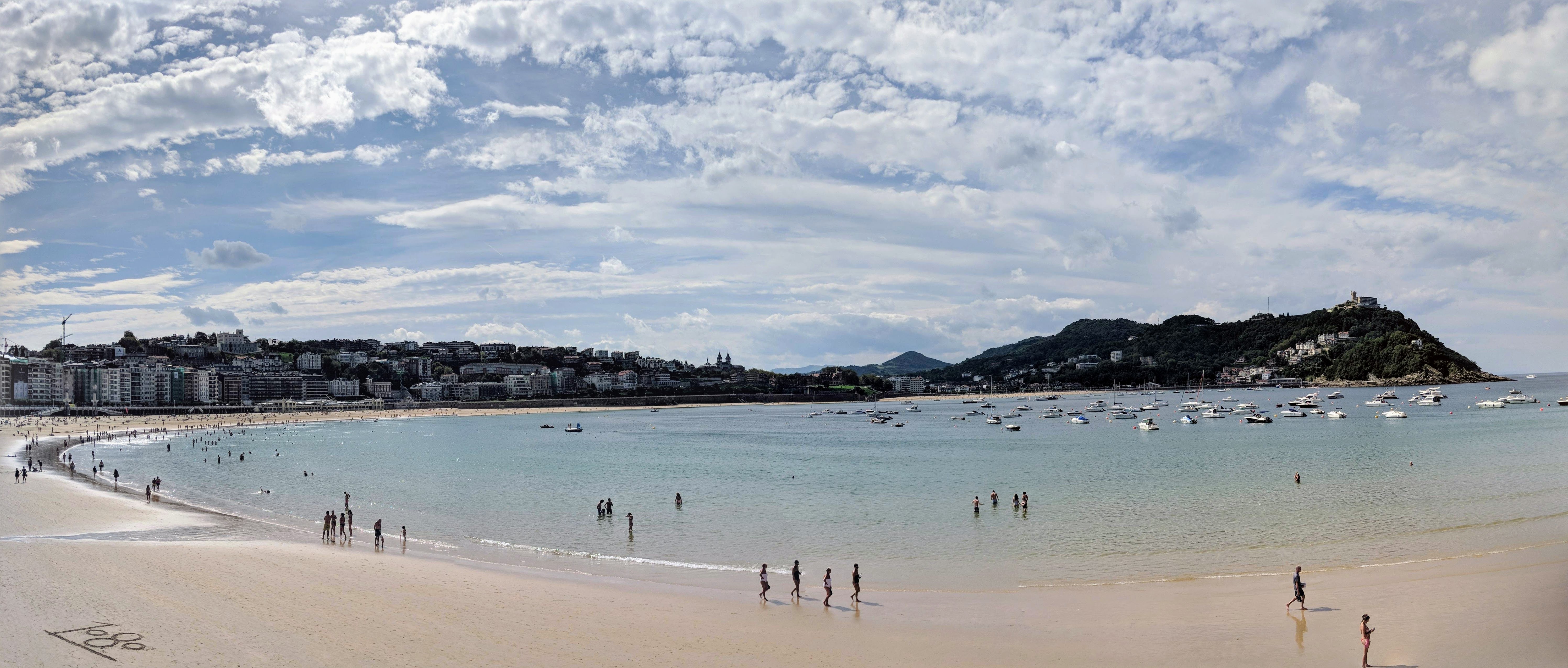
San Sebastian: Many people have San Sebastian on their bucket list for Spain because of the phenomenal food and gorgeous beaches. I was lucky enough to spend a few hours in this beautiful city, gateway to Northern Spain. From the giant square boulders framing the seaside to the delectable food; the calm waters of the bay to its quirky little details, this place was enthralling! Though I didn’t get a chance to learn much about the city and a few hours weren’t enough, I can absolutely see why it is so popular.

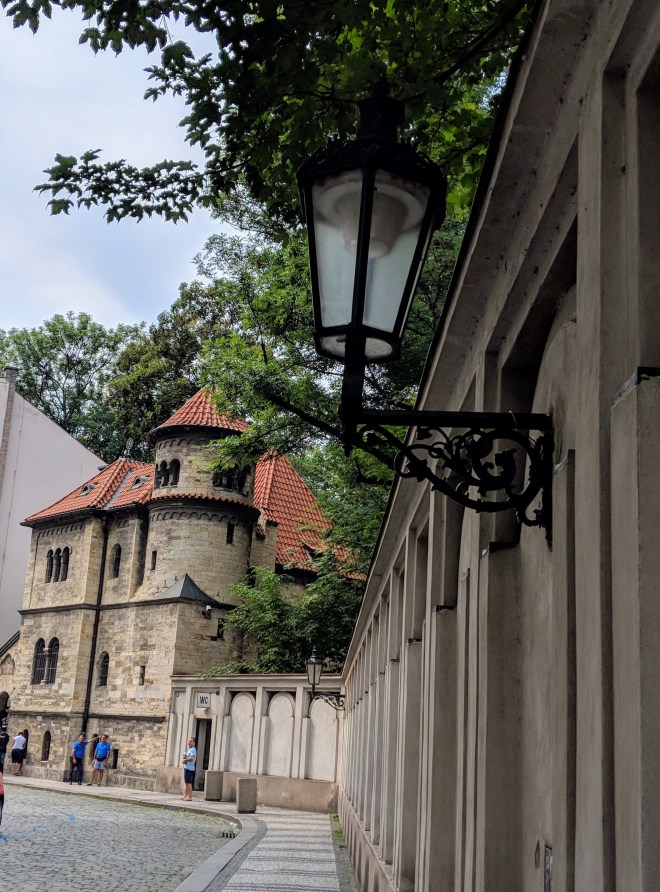
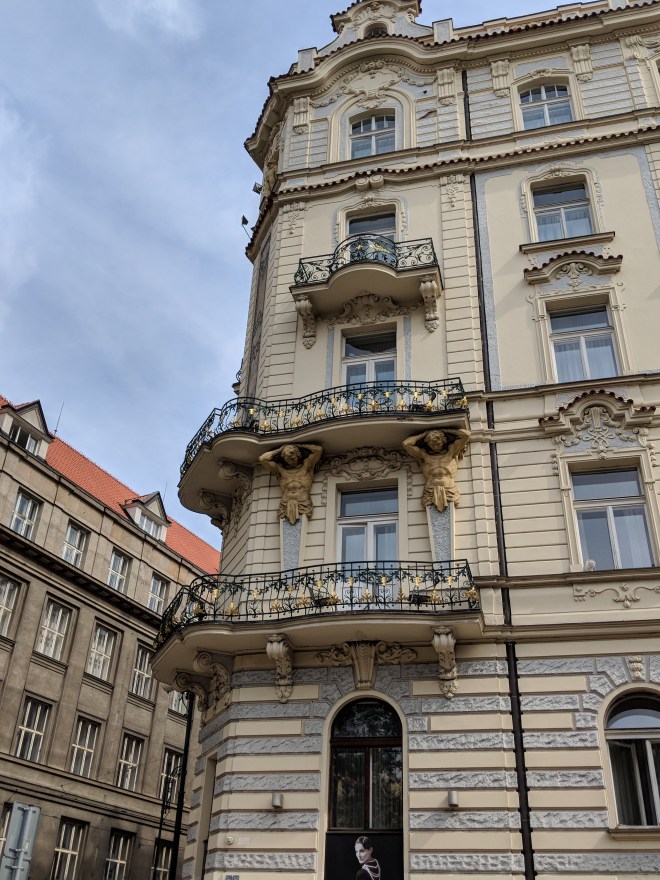
Prague and the Persnickety

When you say you’re heading to The Czech Republic, or Czechia as they are actively trying to re-brand, folks give you a quizzical look. Soooo you give them a helpful “Used to be part of the former Czechoslovakia?” and eventually you’ll get the slight head nod of some recognition. BUT say you’re going to Prague and Americans’ eyes get a sparkle and sometimes a little sigh escapes their lips. Well, bonus points to anyone who knows Prague is the capital of Czechia!

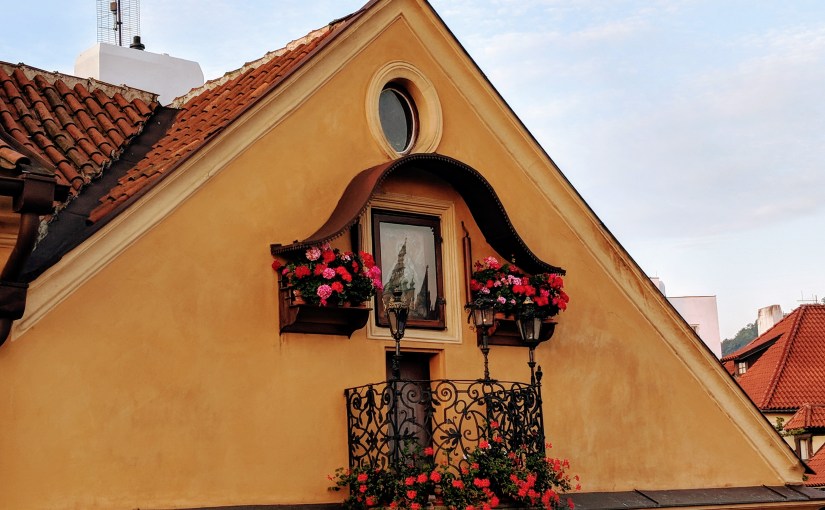
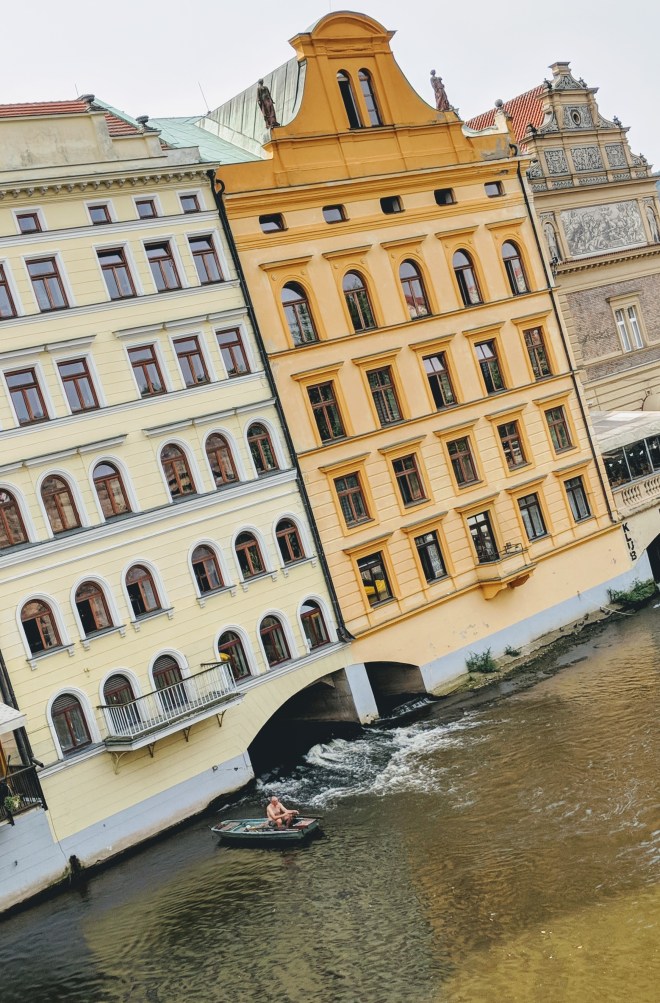
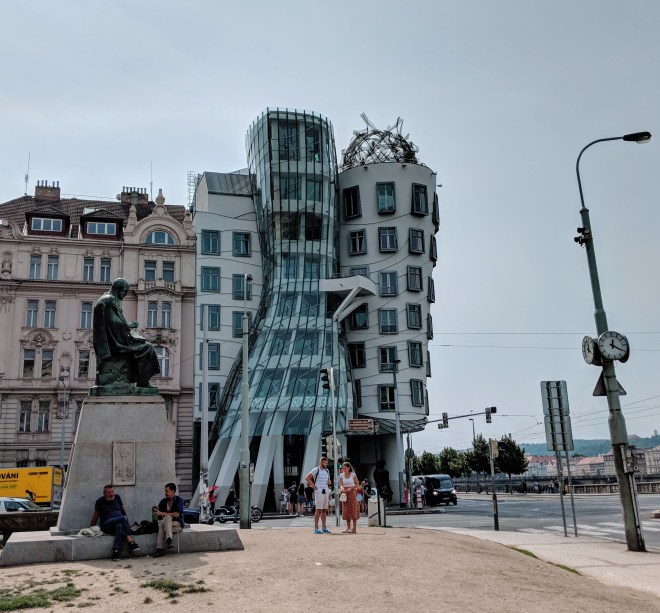
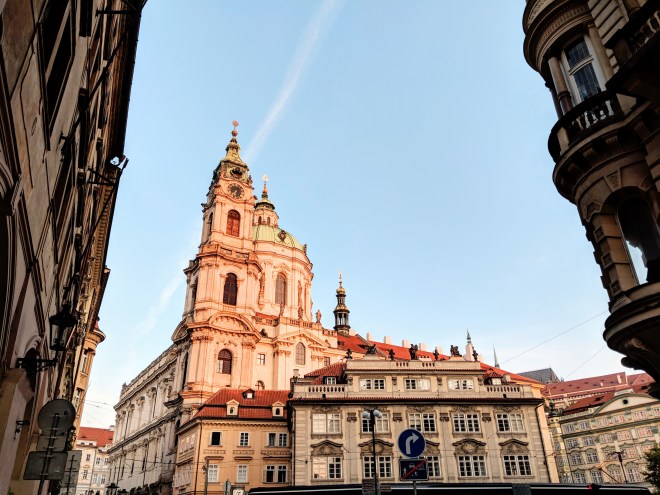
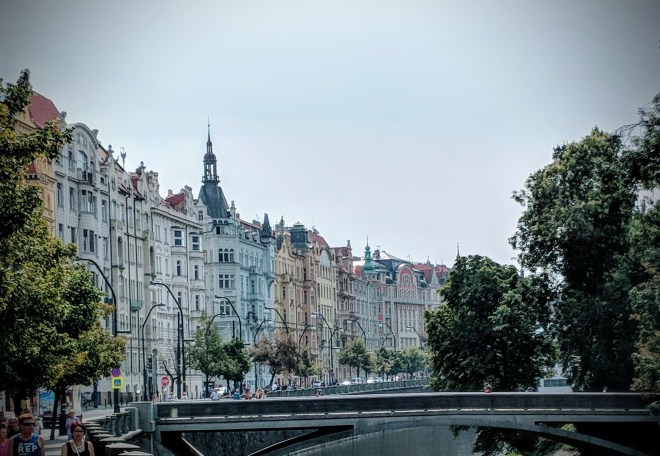
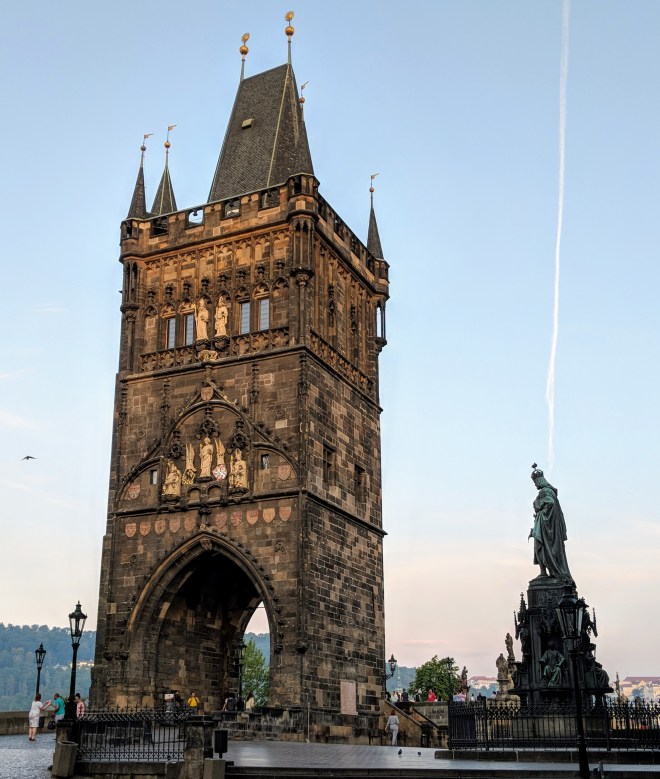
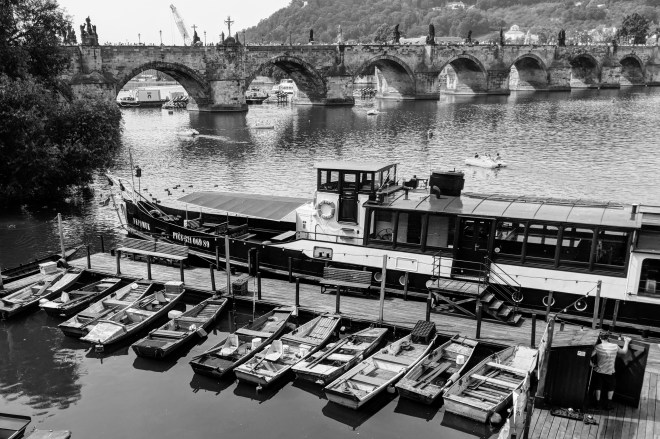
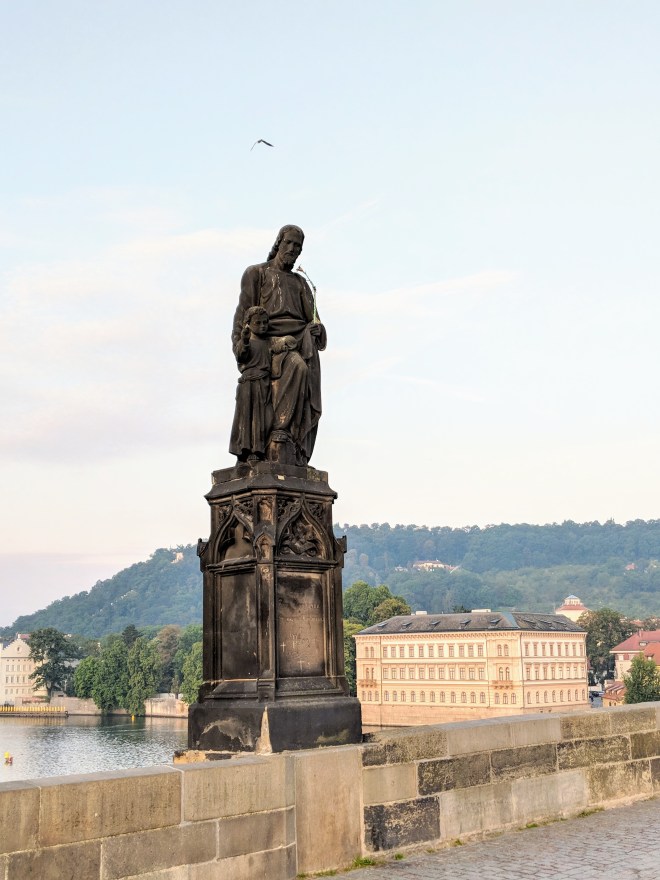
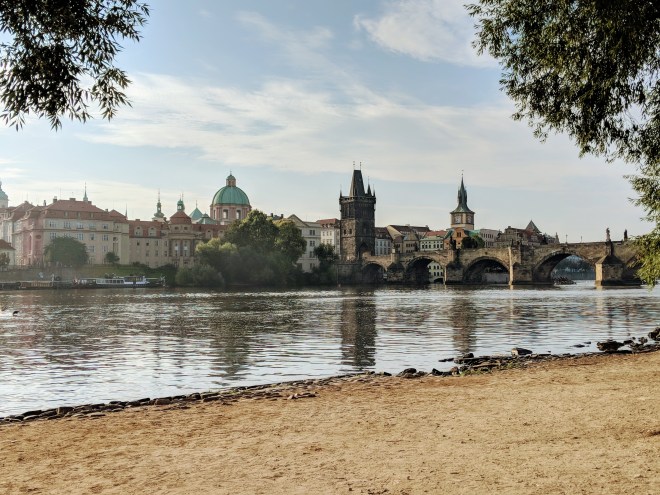
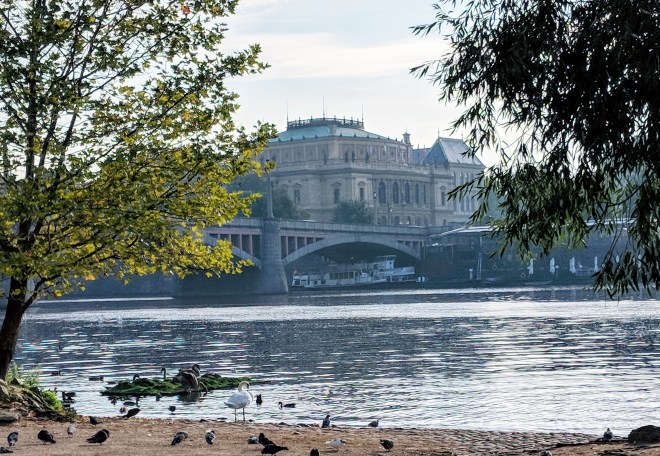
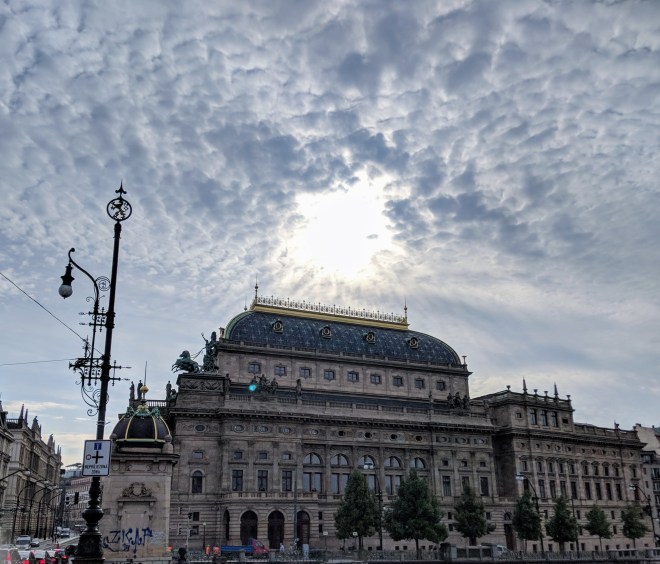
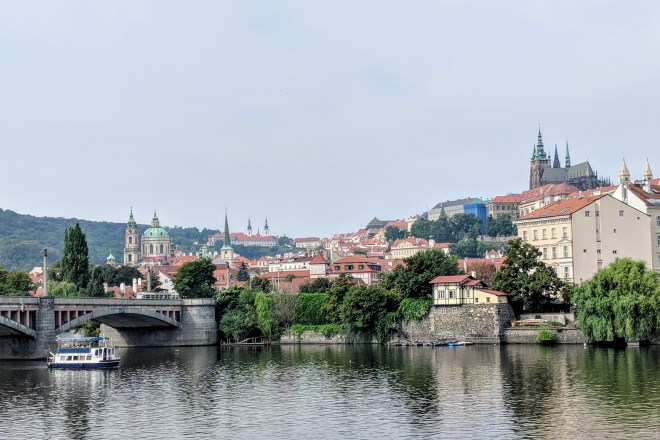
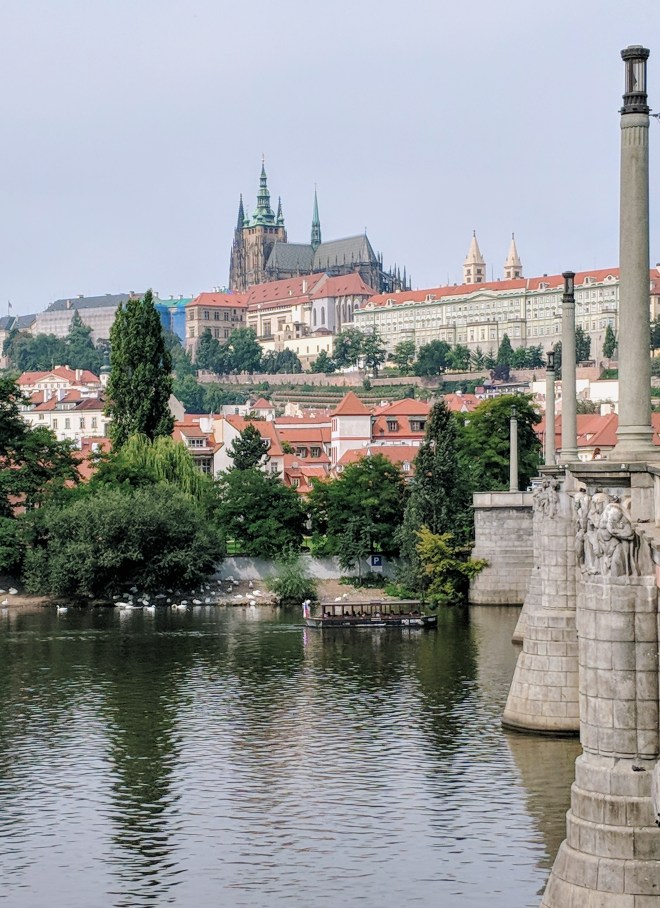
There’s no wonder why people are keen to visit Prague. It is often referred to as a romantic city with its gothic and baroque architecture, the wide Vltava river winding through the city, the picturesque Charles Bridge, and the region’s tumultuous history. In addition to the romanticism, recent marketing has pinned Prague as a cheap destination for travelers. I had the opportunity to spend a few nights in Prague at the beginning and end of my Czechian visit and below are my findings.

This post title is appropriate because I have a few quirks that not all people have and I promise those quirks influenced my opinion of this popular spot. Quirks:

  1. I despise overcrowding
  2. I travel for experiences
  3. HOT (warm, even, to some) WEATHER MAKES ME MISERABLE and therefore cranky
  4. I like to eat good food

Quirks Engage: My first attempt to learn about the culture and history was on a sunny morning mid-week in September during a heat wave and I’d joined a walking tour. Unfortunately, almost every inch of the vast town square was covered with tourists and guides and street performers. With that mass of people with their body heat and breathing, coupled with the blazing ball of gas in the sky, quirks 1 and 3 were triggered. I decided to skip the tour – read that as “run away quickly before I turned on my fellow humans”. The weather forecast told me it was to cool down in short order and my next city visit is only a couple hours away, so I could easily come back to learn some stuff. (this never did happen which is why this post is light on facts and heavy on opinion)

While walking through town to remove myself from the main throbbing mass, it was slow going because I had to navigate around numerous humans crowded into the many, many shopping options in the narrow streets. Trigger alert for quirks 1 and 2 GO! By now, I realized I wasn’t going to be happy with the day and decided to go back to my room and nap through the heat and see what I could salvage in the next 24 hours. This turned out to be the right choice.

After my crank-reducing nap, I found what I consider the best Indian restaurant I’ve ever eaten in (I’ve never been to India; excited for that someday) just around the corner! I chatted with some Indian American folks from LA who agreed that this was THE place in Prague for yummy goodness. Finally, a Prague win on quirk 4!

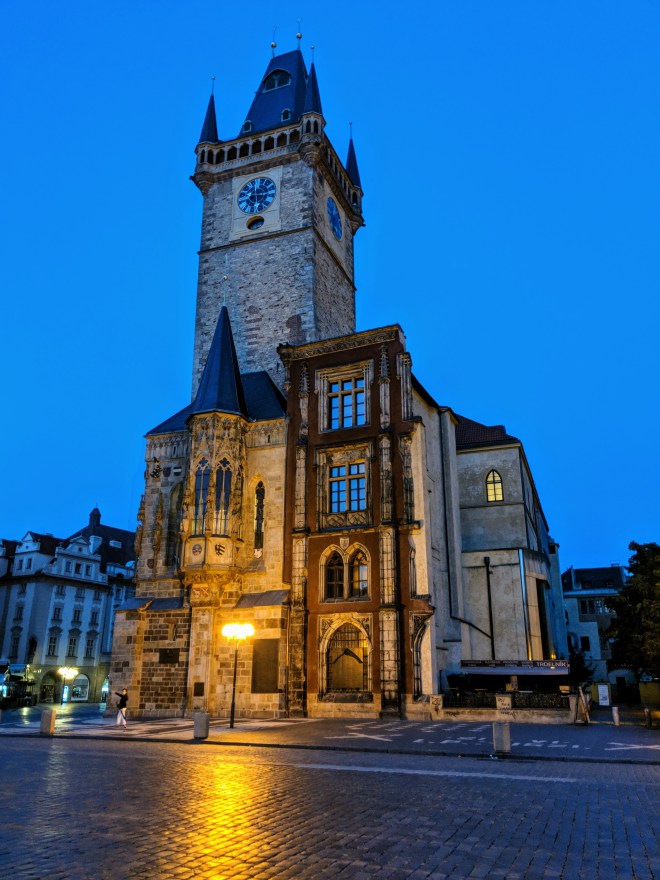
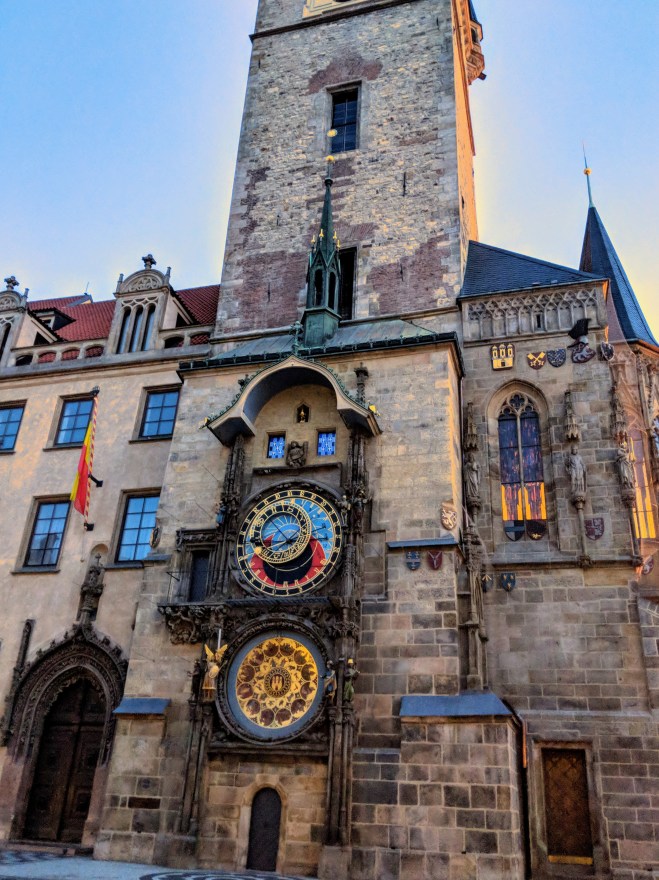
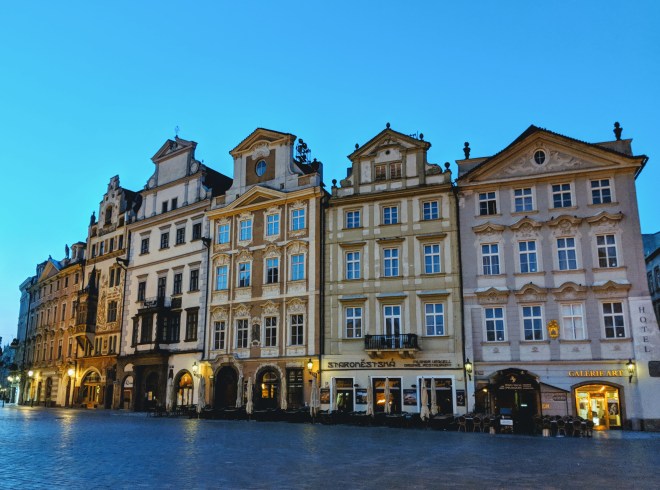
Quirk Mitigation: What better way to avoid crowds, aggressive shoppers, and heat than to get up before the sun!?! Done. As I walked through the darkness into old town around 5am, the only other people I came across either worked for city maintenance or were young’ns stumbling out of still open bars. I had the place almost entirely to myself. Glorious, glorious space! Although I didn’t have an escort to teach me things, what I could see with my own eyes was absolutely mesmerizing!

The squares and buildings were fabulously sans humans and watching the sun rise over the aforementioned romantic structures was awe inspiring. I gaped and walked for hours and miles, all before I had to meet my bus in late morning.

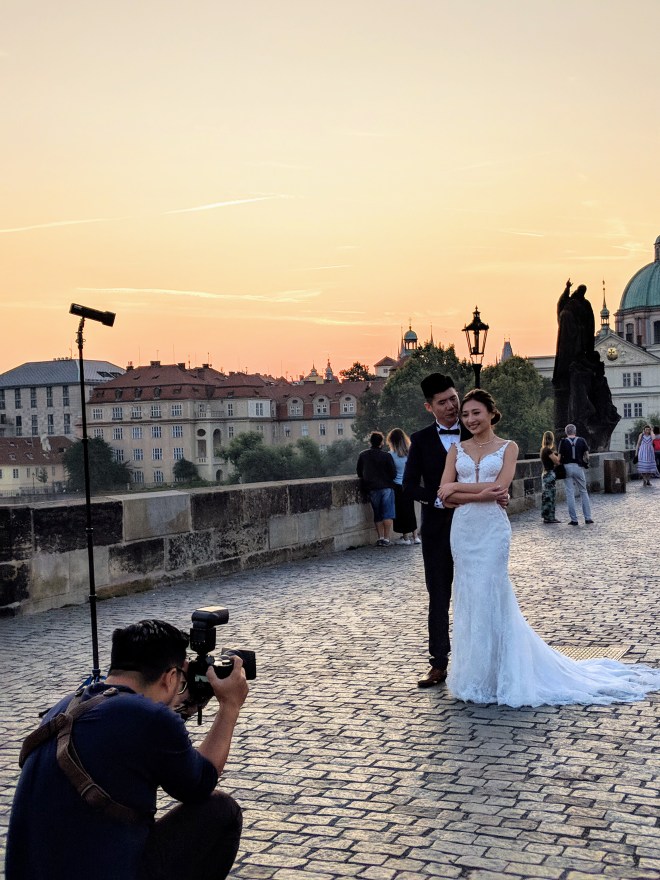
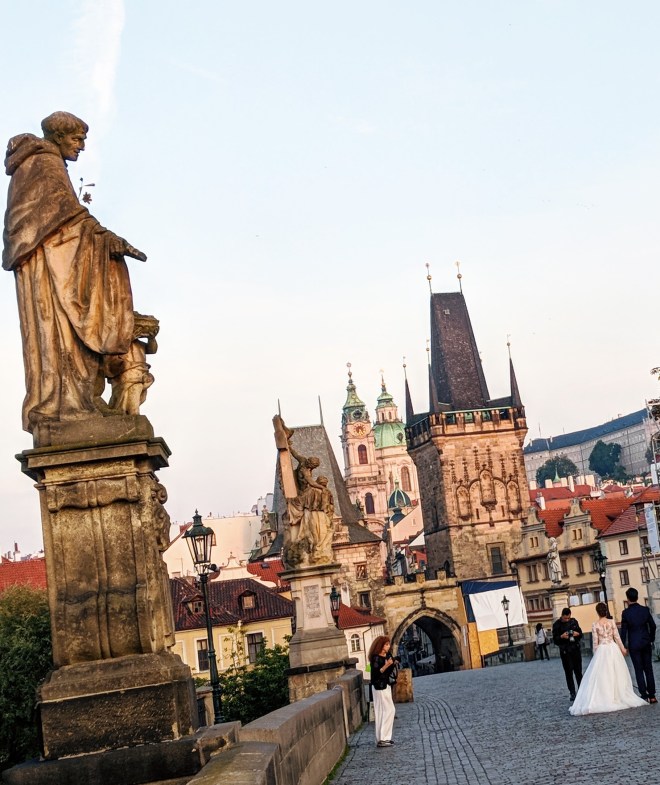
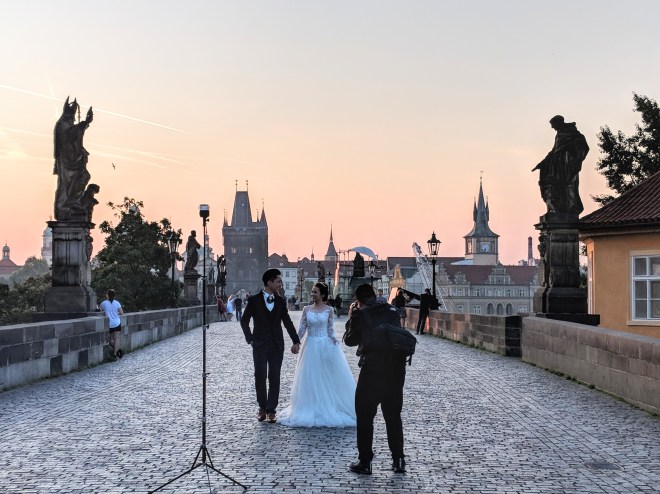
I walked across the Charles Bridge which engaged couples famously use as a backdrop in their wedding photos.

I spun in happy circles in the main Town Hall square, scaring sleeping pigeons into flight.

I stumbled on interesting Prague street art and other paraphernalia, laughing out loud to myself at times.

I climbed the bazillion steps to the Prague Castle without another soul seeing the sweat rolling down my face as I took picture after picture of the castle compound and inspiring views below.

Prague is GORGEOUS!

On my return night, I also got to experience the city itself, outside the old town hustle and bustle. Yes, there are still crowds and lines and shops of all kinds, but there’s a quieter, more relaxed side as well. I’m very grateful to have had the opportunity to visit this romantic city overall, but where, oh, where is the good and cheap food?!?!

It’s pronounced vrohtsโ€ขwahv and I’m in love

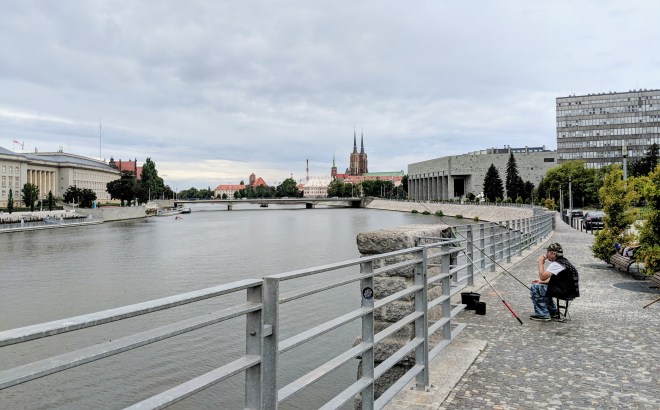
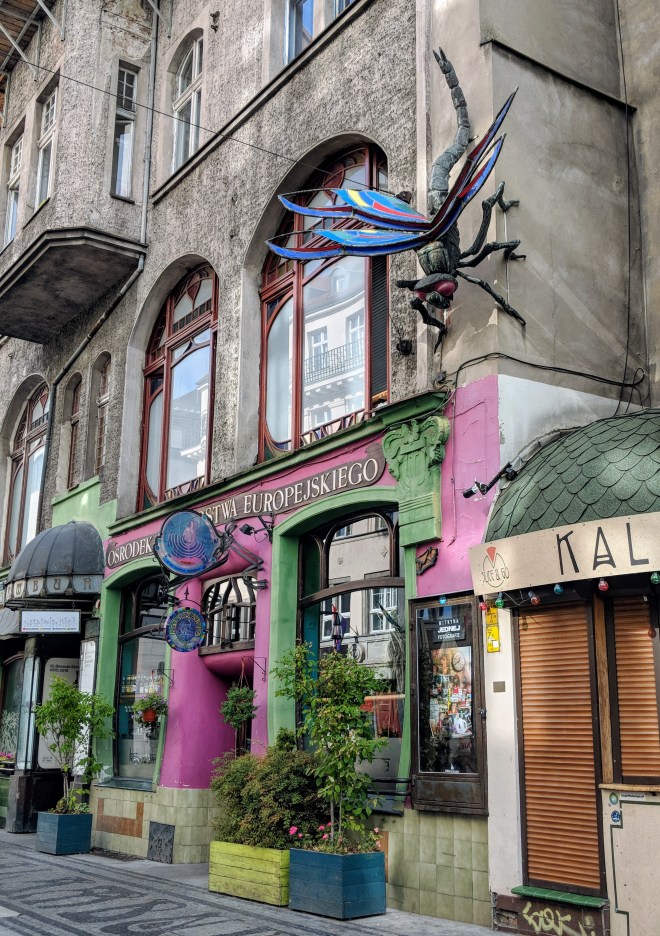
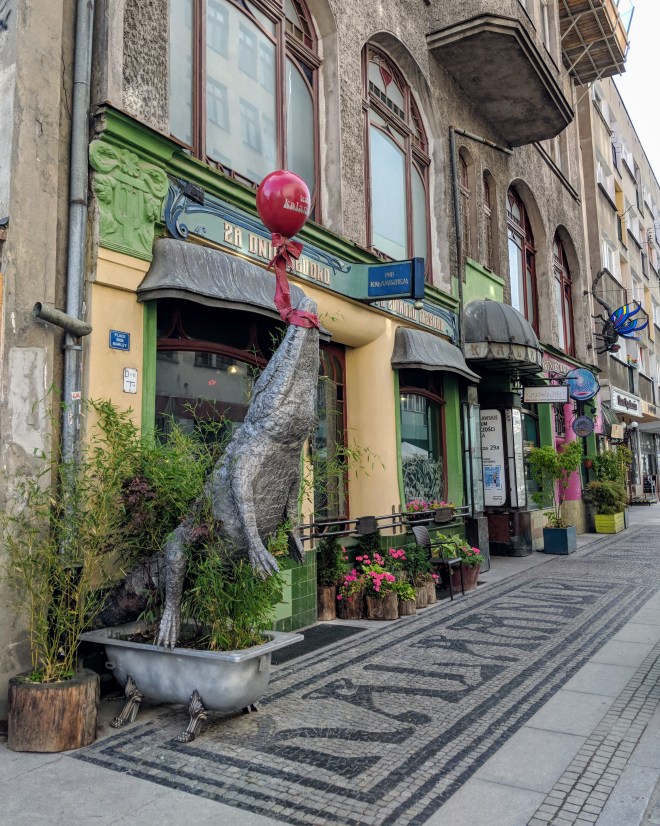
Wrocล‚aw, Poland has around 650K people living there so this could render it a small city, a big town… or just “home”. The fourth largest city in Poland sits in the southwest corner of the country in the region of Lower Silesia. It is not the big metropolitan capital of Warsaw which everyone is familiar with, it’s not on the sea with Gdaล„sk, nor is it Krakรณw, the up and coming “it” tourist spot. What it is can’t be summed up easily, so I’ll walk you through what I experienced over eleven days and you can decide whether you agree Wrocล‚aw is as absolutely wonderful as I believe it to be!

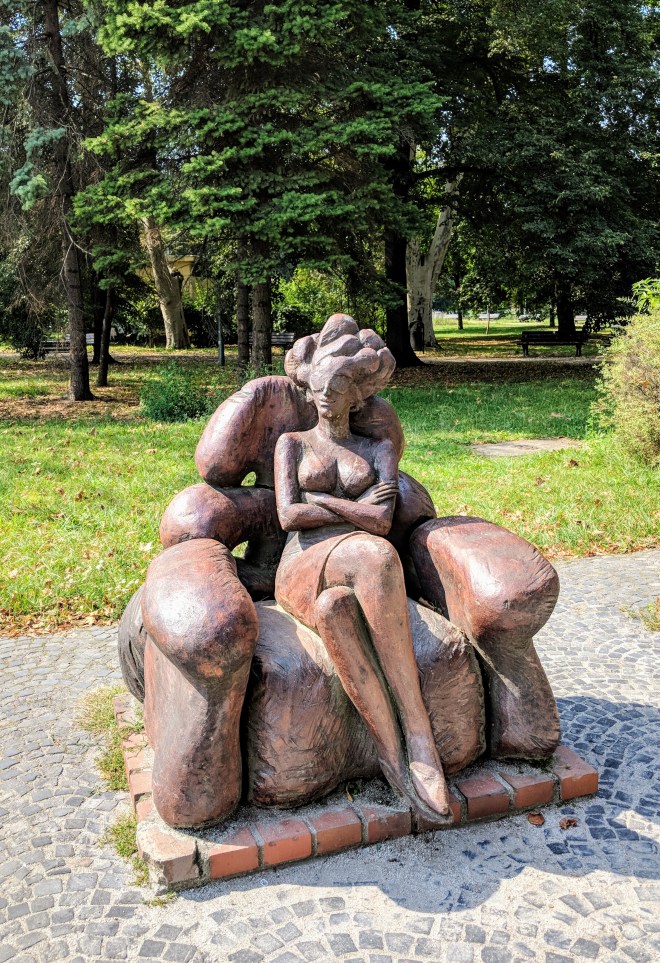
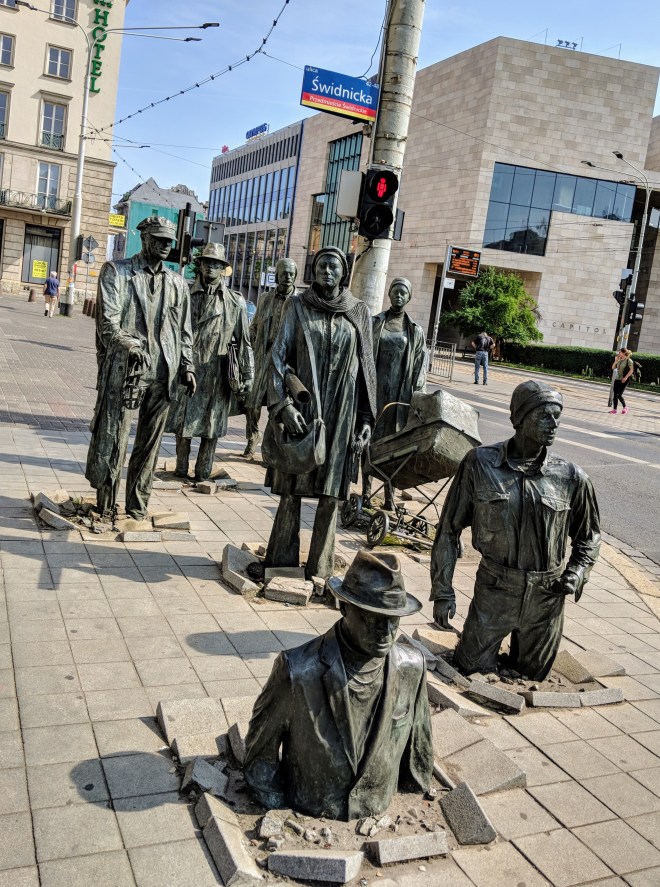
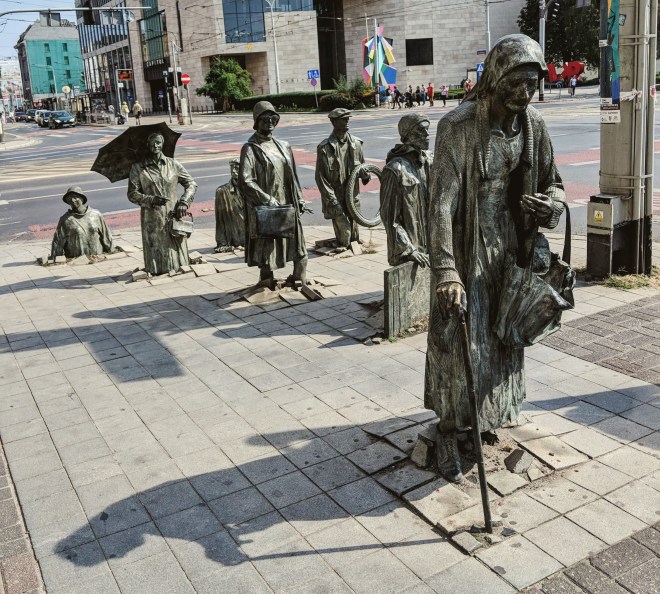
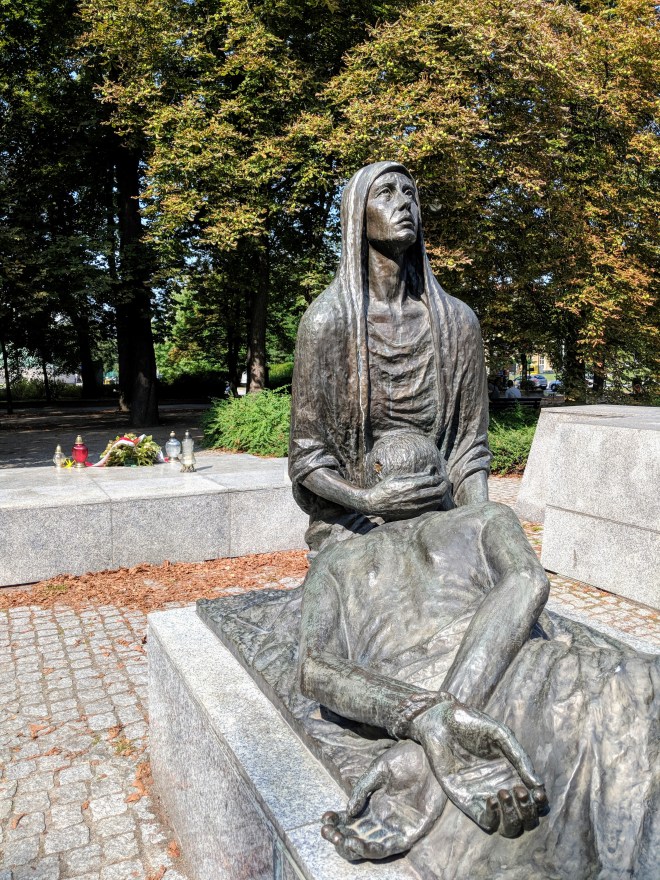
Resting Lady

WROCลAW: Let’s start with how to pronounce this guy. I won admiring glances from every resident I met each time I tried to get the nuance right, whether I did or not didn’t really matter to them. ๐Ÿ™‚ In English, it’s easy to think the first W is silent, the letter after C is an L, and therefore the first part of the name sounds like what you do in a boat and the last part sounds like the feisty part of a cat’s paw. RowClaw. Nope! Some of this will click for those who’ve had exposure to languages other than English, but it was still a rough one for me to wrap my head around.

Here we go! In Polish, a W in the beginning of a word sounds like a hard V and in this case, the O is hard as in oh!?!? Easy enough, right? Vroh… Okay, now, that C is the common but pesky *ts* sound. With me so far? Vrohts… The next letter is not an L, but an ล which has a W sound. Woot! This is where we are: Vrohtsw… The A is the A from ah. Vrostwah… When the W is at the end of a word, it’s softer, almost like when a V and an F have a baby but V is the dominant parent. Vrohtswahv. Play with it. Try it out loud. Let it roll around on your tongue (and lips and teeth). Then go back to hearing RowClaw in your head anytime you see it written like most English speakers do. Nobody will judge you.

History and Old Town

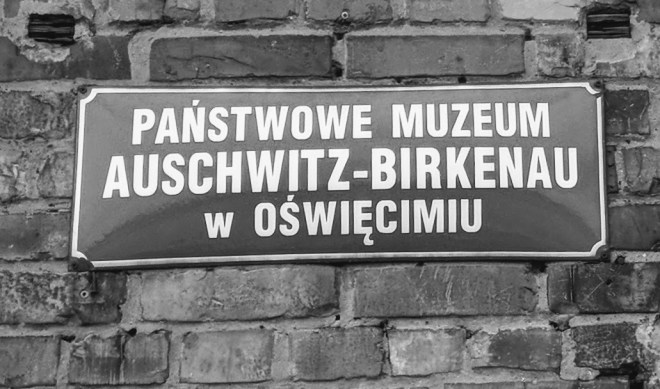
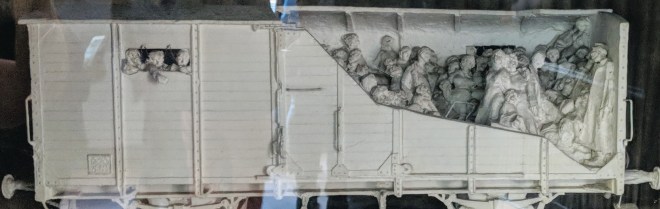
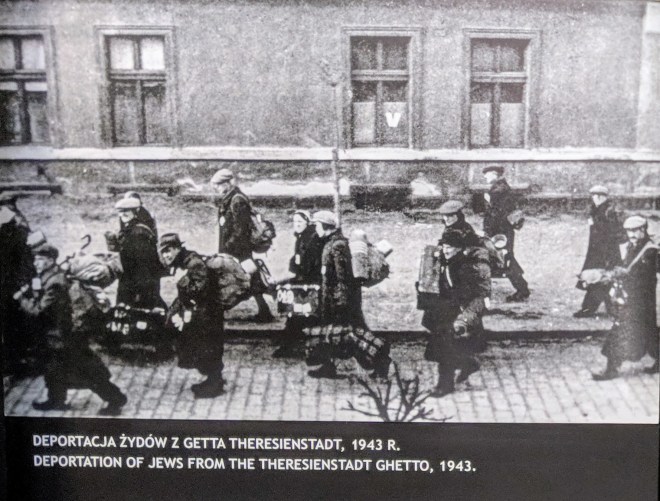
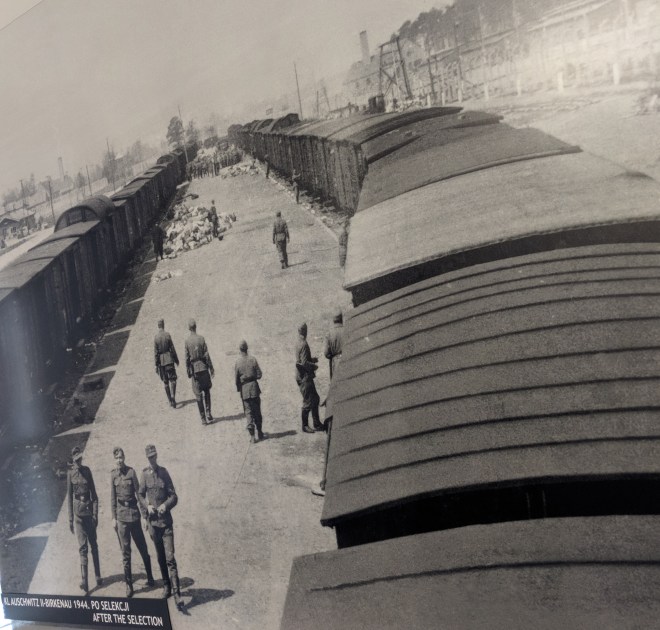
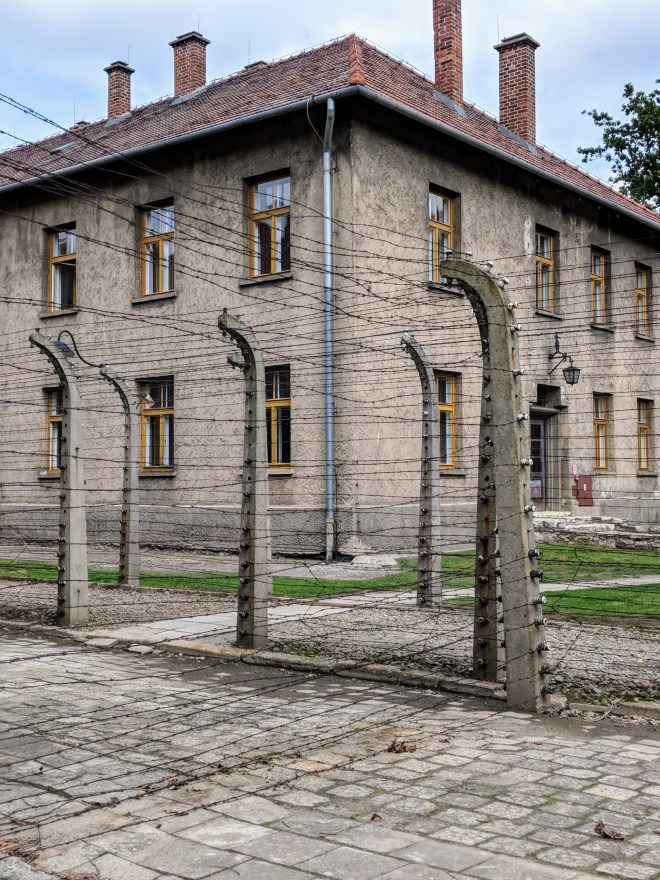
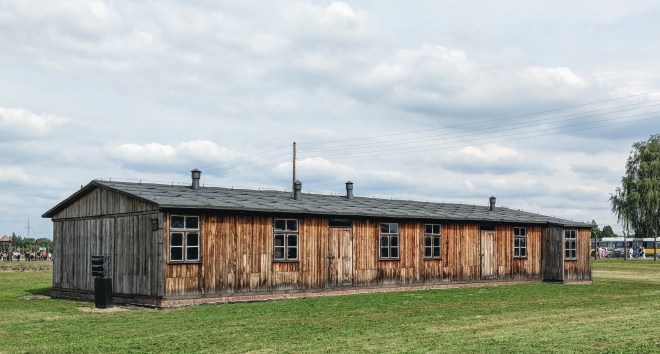
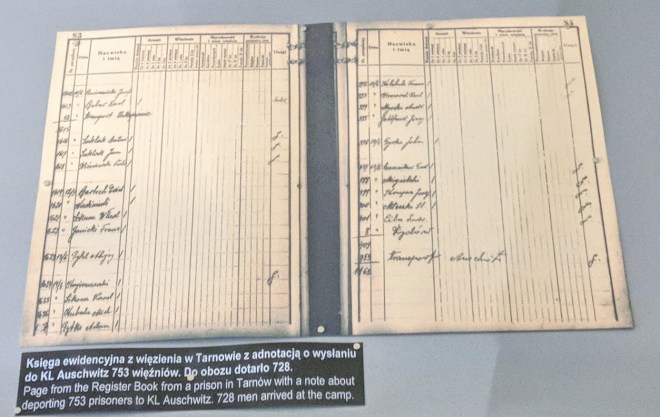
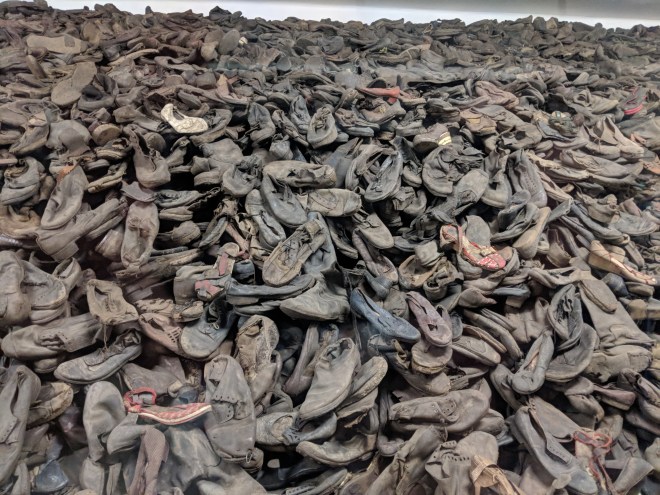
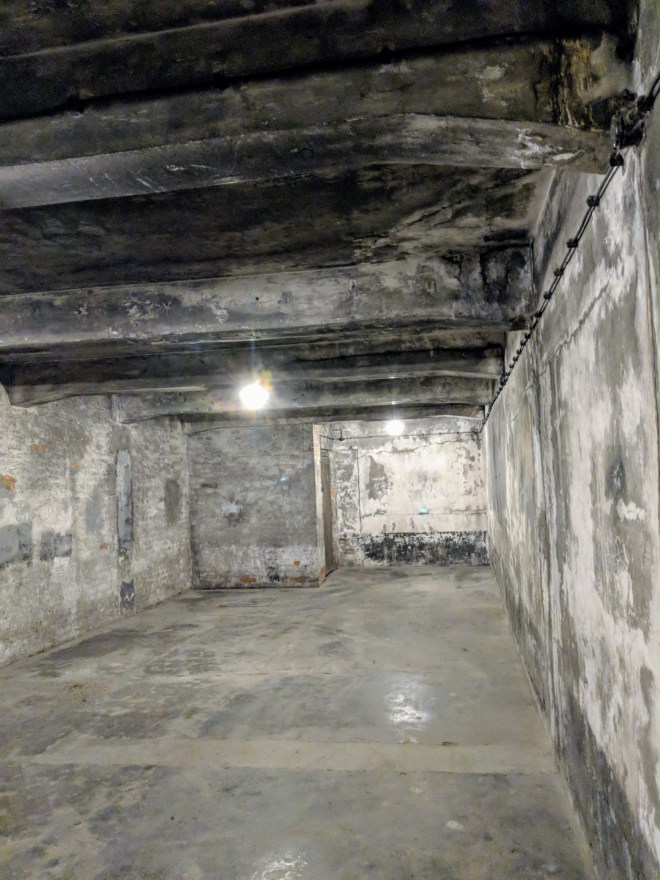
Auschwitz: You all know what happened here and honestly, after visiting and seeing the ghosts of horror, I will leave you only with some photos before moving on. Below reflects Auschwitz I, which was originally a Polish military base, and Auschwitz II – Birkenau, which is the notorious concentration camp, specifically built for its gas chambers and to follow up, crematoriums. The innocent people who were put to death because of the beliefs of one solitary lunatic need to be remembered and their lives respected.

Transport of doomed innocents to the camp

Import and Selection of those who would be put directly to death vs. sent to work before death

Auschwitz I

Auschwitz II – Birkenau

Never forget these were people


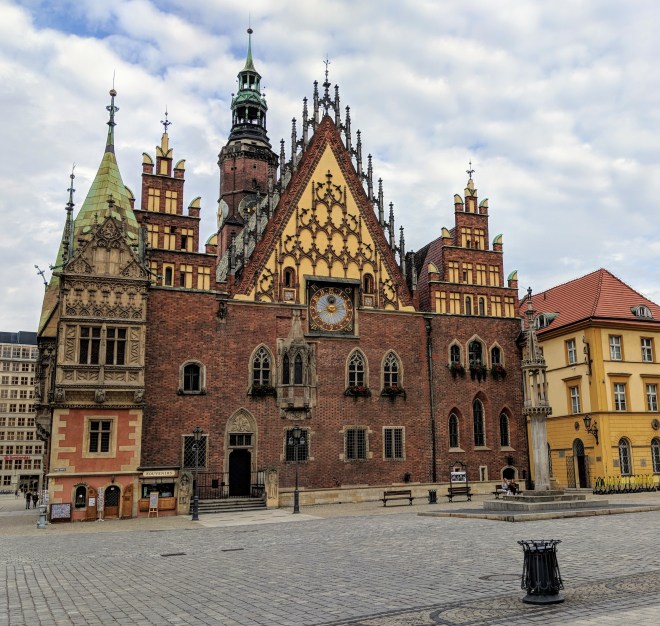
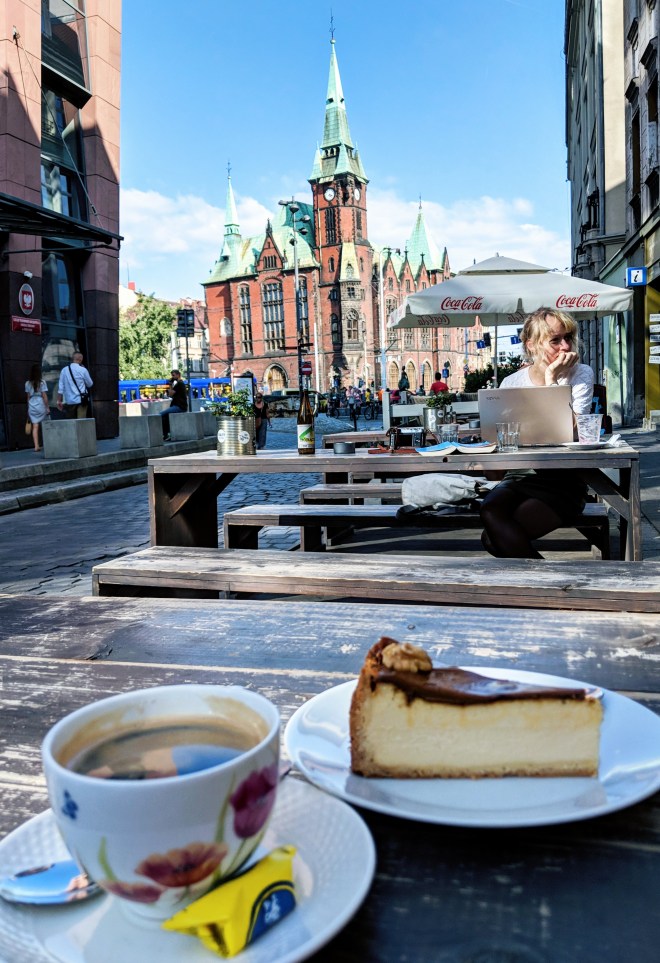
Old Town: Most of Wrocล‚aw was destroyed in WWII so much of it has been rebuilt in the past 70 years, and even then, a lot of the reconstruction wasn’t finished until after Russia took its leave decades later. The reproductions are very well done and worth taking the time to stroll through with a coffee and pastry. There is a row of buildings in the town square which weren’t destroyed and which have been lovingly kept up all these years. Not only is the portion you can see beautiful, but they also boast up to 8 more floors below ground level, having had multiple uses throughout the centuries.

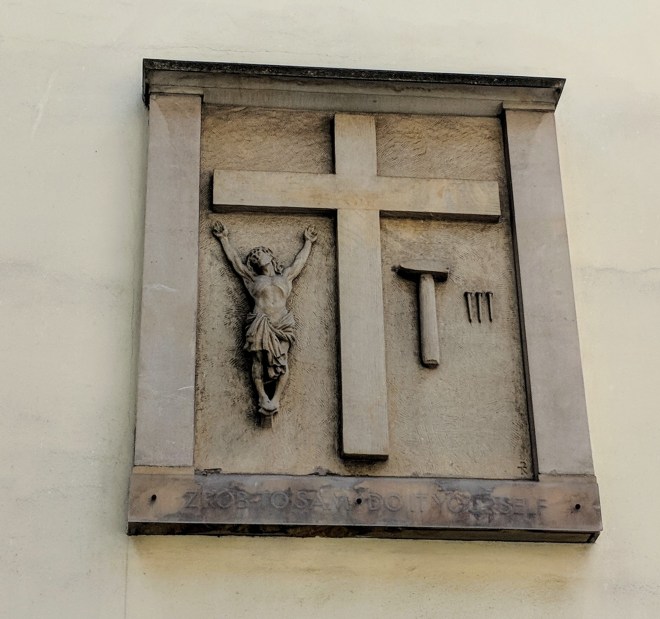
Wrocล‚aw isn’t a very religious city and that’s visible through some of the art found in Old Town which can be read as “take your religion and shove it; we don’t want to fight about it”.

Wrocล‚aw Do It Yourself
Do It Yourself Kit
Middle Finger
Town Hall in Wroclaw
Town Hall
Beware coming home after too many

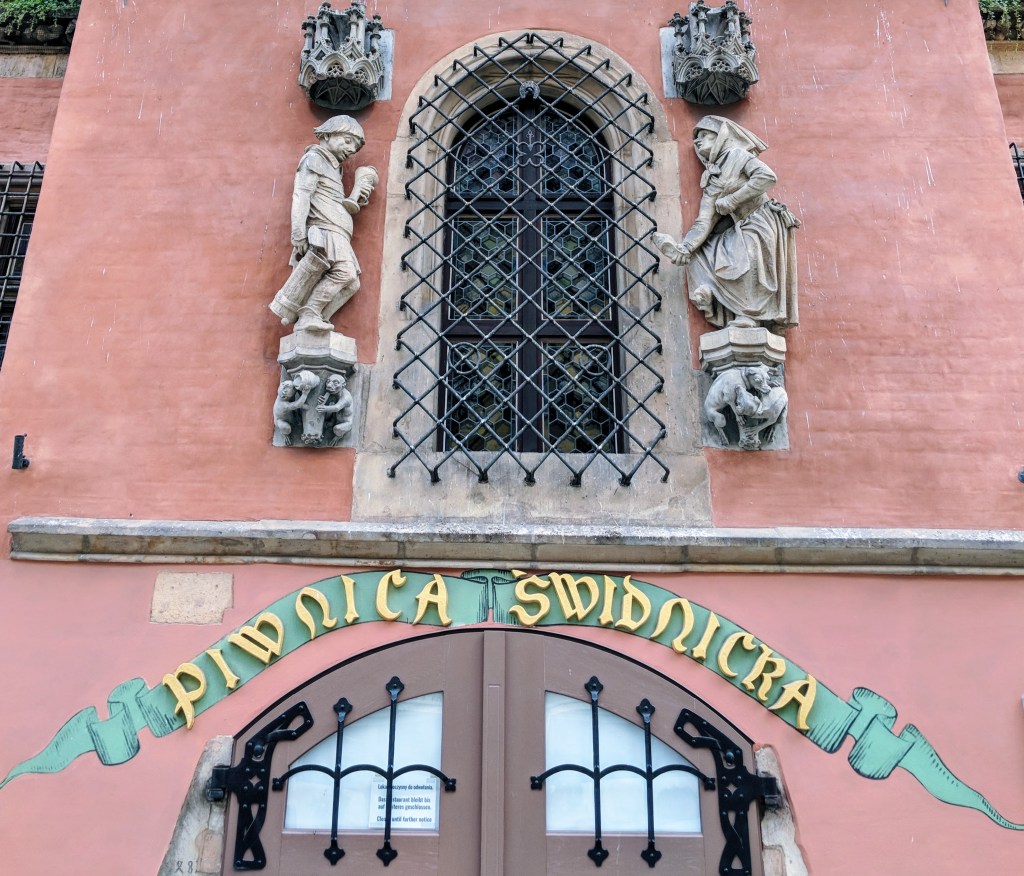
Old Town is located in the center of the larger city, bordered by the Oder River on the north and major transit thoroughfares around the rest of a circle. In the middle of the area is the Town Hall where in the basement, if the lessee had paid his rent over the last 9 years and it wasn’t currently closed, you could also have visited the oldest pub in central Europe – Piwnica ลšwidnicka. The pub was first referenced in city records in 1273 and its facade is still flanked with a drunk and his wife preparing to throw her shoe at his swimming head.

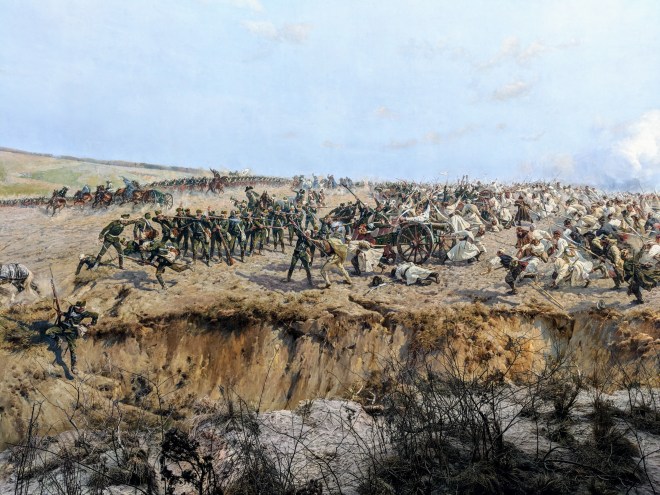
The Panorama of the Battle of Racล‚awice is a fabulous painting of an epic battle during the uprising of Poland in 1794 where the insurgent Poles were victorious over the Russians. Though the rebellion ultimately failed, this battle became a symbol of strength and promise. What I loved about this installation is the creative use of texture back when it was realized – 100 years after the attack – in 1873. It’s an impressively sized canvas of 15m (49f) x 114m (374f) and housed in a special rotunda built solely for its display. They’ve even added tactile elements to heighten the 3D effect of this important historical artifact. Not only is this super cool to look at, but the lengths to which Poland has gone to safekeep and restore the treasure shows so much pride and resilience.

The FOOD

I had trimmed the waistline a bit before getting to Poland, mainly from excessive walking in the Baltics, but there is no amount of walking I could do to account for the vast quantity of Polish calories I can shove in my mouth per day.

Traditional: Pierogies – dumplings of pasta surrounding any kind of filling you like, but the most common is the pierogi ruskie which consists of potatoes and cheese. Yes, you read that right, potatoes and cheese surrounded by pasta dough and boiled (most popular) or fried (my favorite) and served with a big dollop of sour cream. Other popular fillings are champignon (black) mushrooms because mushroom hunting is a popular pastime in the country, oh, and because they’re delicious. You can also find almost any meat of your choice in a pierogi. Then, of course, there are dessert pierogies filled with fruits and cheeses. Somebody stop me!

Other traditional foods of Poland include the ever present pork knuckle, which is popular all over the region. Kielbasa sausages, duh. Rustic soups with boiled eggs and, of course, kielbasa. Duck in every possible preparation. Cabbage, onions, and beets, oh my!

Pork cutlet is one of the most popular dishes especially if paired with potato pancakes (three cheers!). Don’t hesitate to try the kopytka which is like gnocchi on steroids with its perfect balance of flour and potatoes mixed into a medium sized dumpling and topped with your choice of gravies or dropped into a savory broth. There are wonderful cafeteria style restaurants, easily found throughout the city, where you can just fill up your plate with anything that looks appetizing and I was never disappointed.

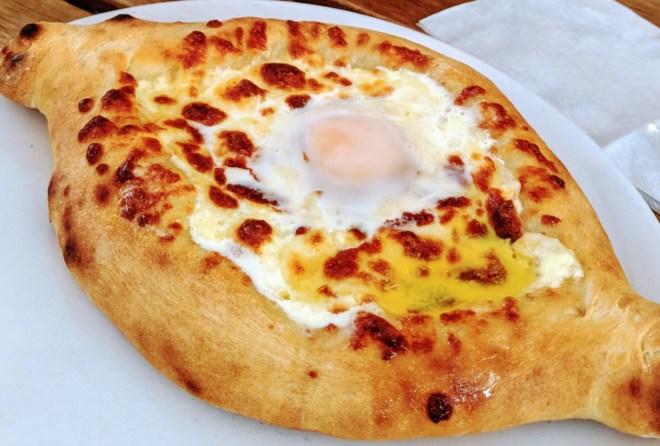
Foody: Wrocล‚aw is quite international and progressive so the food available once you step outside the bubble is eclectic and they do it well. There’s a Georgian (country, not state) restaurant I admit to having frequented where a wonderful meal is simply a tomato cucumber onion salad with a side of khachapuri which is a boat shaped out of well seasoned, chewy pizza dough, the center of which is filled with Georgian cheese, a pat of butter, and a raw egg which cooks itself in front of your salivating face.

Oh, the hummus and the lemonades!

I could seriously make this a 12 page post just on the food of Wrocล‚aw, but I’ll stop after this list of awesomeness: Hummus (amazing and so many choices and presentations!), mango sauce, BEER, Thai influences, pastries, goulash, dense gravies, light fresh lemonades, and along with the young vibe, TONS of vegetarian and vegan options abound! If you want anything spicy, though, you’ll have to season it yourself or visit one of the many flavorful Indian joints in town. Needless to say, I must do MUCH MORE walking.

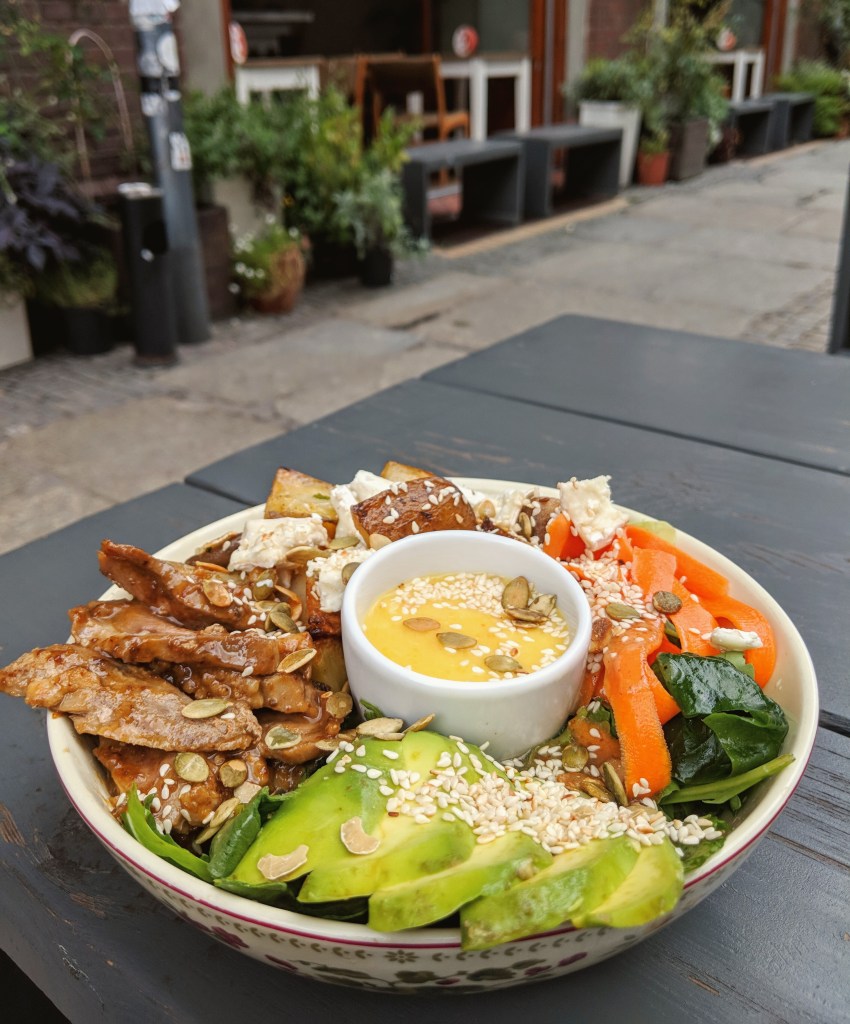
I’m addicted to this duck buddha bowl

Beyond Old Town

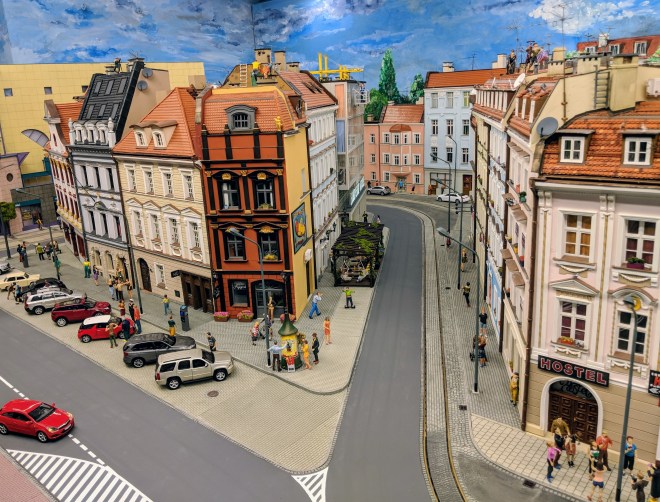
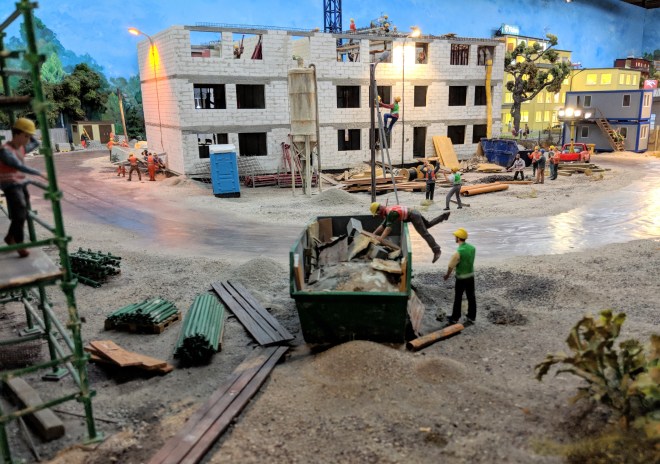
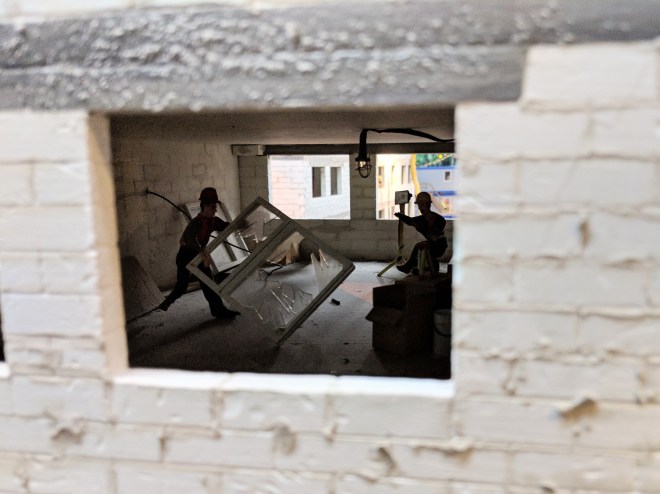
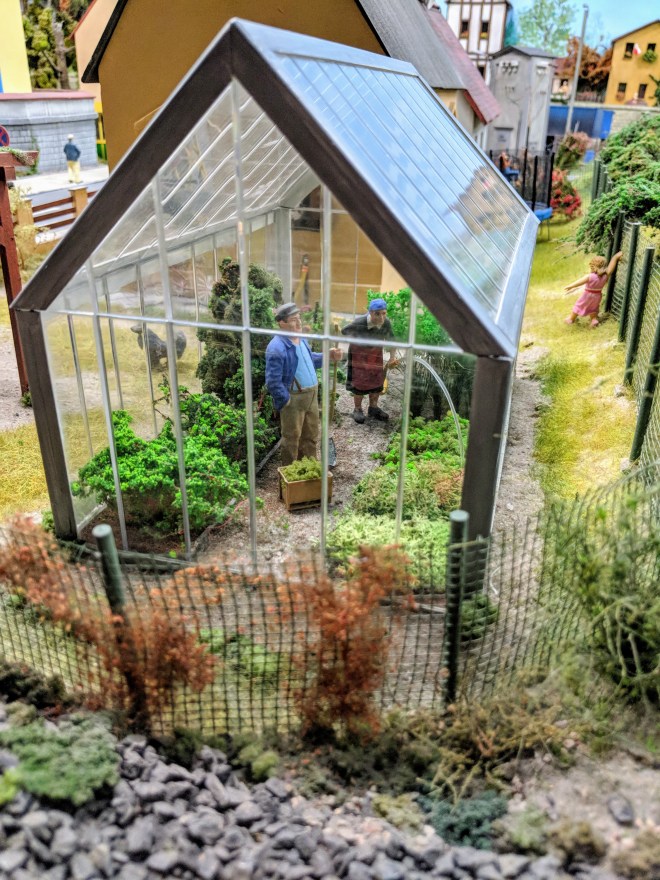
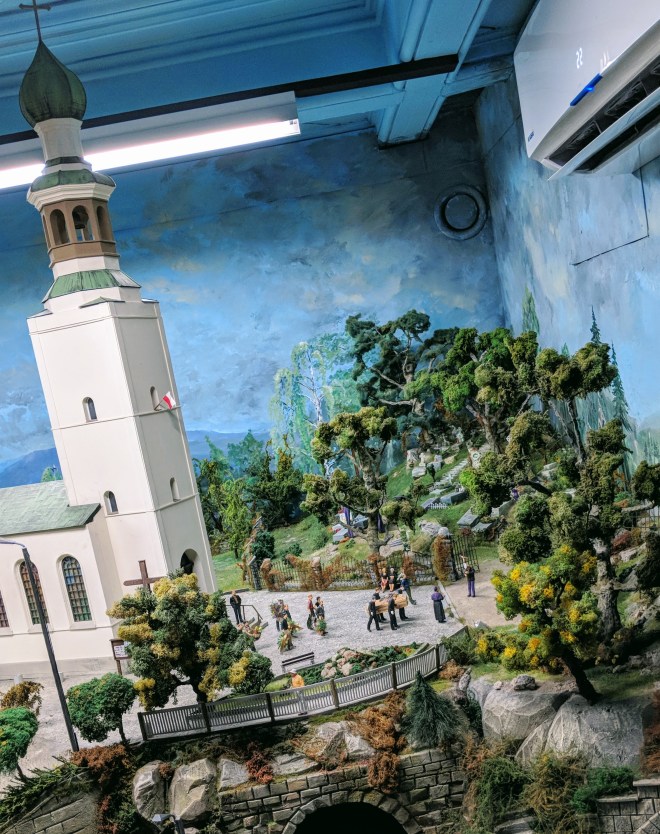
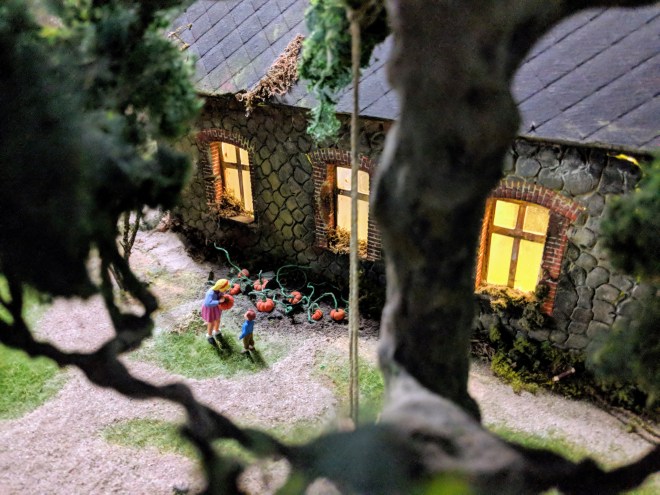
Kolejkowo: Poland’s coolest train set is so much fun! It’s two floors which splendidly capture life in Wrocล‚aw to extreme detail. They’ve perfectly recreated Old Town, included the numerous construction zones throughout the city, represented country life, and simulated the various neighborhoods which make Wrocล‚aw so stinkin’ awesome. Trains and cars run at regular intervals with all the bells, lights, and whistles you’d expect from a stellar toy. Yes, there were tons of kids there, but lots of us adult kids were squealing with glee, too!

Coffee and Comfort: Having just completed the Baltic route, I was super excited to be in a place which doesn’t consider “coffee in a cup” (instant coffee) sufficient. I was finally able to sit down to a nice cup o’ joe and even without breaking the bank. Hallelujah! Once the atmosphere of Old Town has been sufficiently enjoyed, the rest of the city just feels cozy and comfortable. Don’t get me wrong, there is plenty of history to keep a person depressed if they look hard enough for memorials, but ultimately, this place is upbeat and friendly. It’s not unusual to wave at sailboats on the river, whether or not you can say Wrocล‚aw.

NFM

Not all the cool buildings were built centuries ago, either. There are plenty of modern things interspersed among your traditional beauties like the National Forum of Music where the Poland Philharmonic plays. There’s also the row of hipster restaurants and shops under the railroad tracks which serve up great grub (can you tell I already miss the food?!?) and you can find some comfortably weird paraphernalia.

Colors of Wrocล‚aw: There is a long history of men giving women flowers in Wrocล‚aw with many varied legends as to why. Whatever the reason, the town is overflowing with flower shops, including the big 24 hour flower market which means you’re fresh out of excuses for not bringing home flowers on every occasion. Pretty much on every corner, you’ll see a Kwiaty sign which means there is some sort of living beauty inside just begging to be purchased for a deserving recipient.

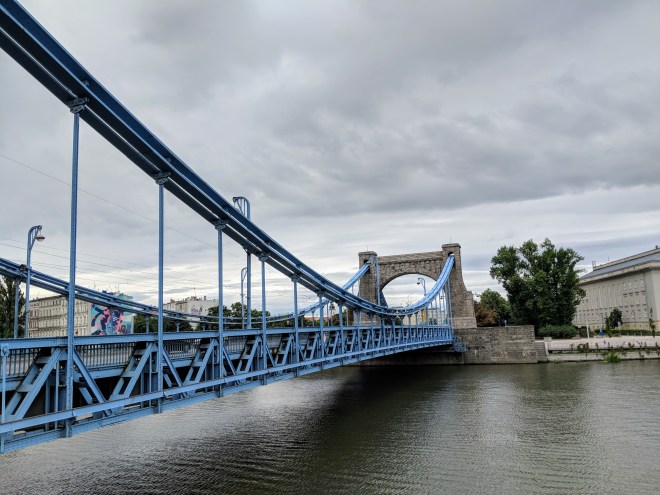
In addition to all the flowers, the bridge structures are brightly decorated and art installations in their own right. The first I came across was when I went a-wanderin’ on day 2, then I subsequently couldn’t help but notice each one, the first remaining my favorite. There isn’t any rhyme or reason to their coloring other than to represent the independence of choice after communist rule.

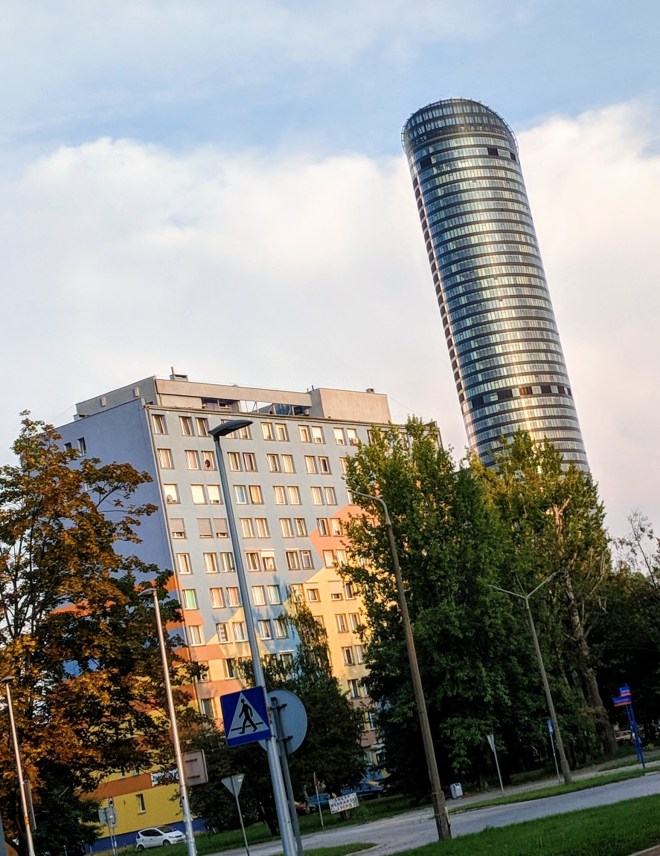
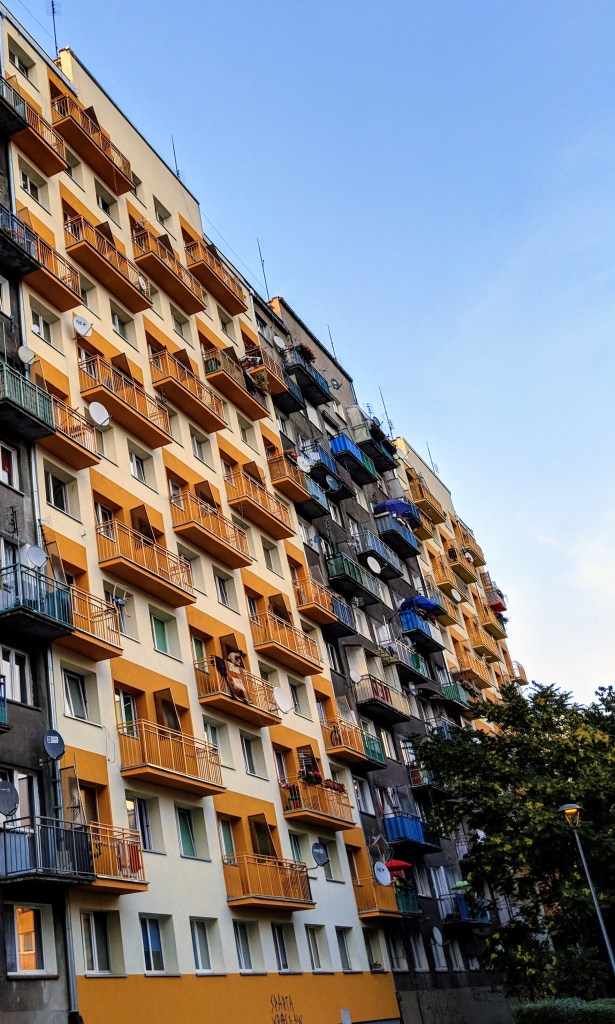
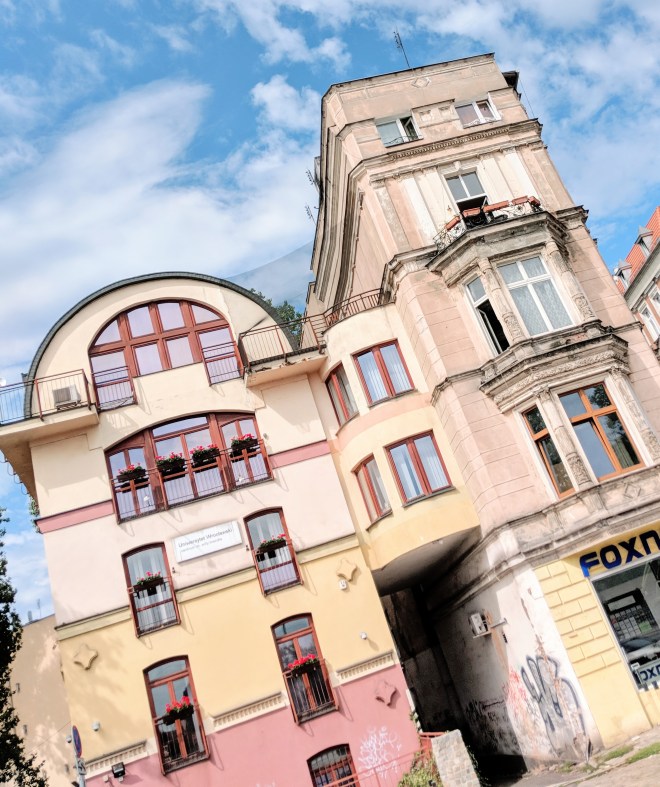
The same goes for painting the tall, rectangular cement apartment and business buildings. Some are rainbow colors, others solid brights, but most often some geometric pattern chosen by the inhabitants. I’m extra thankful for the colors because since the buildings aren’t arranged by grid, getting lost in the kitty corners is all too easy.

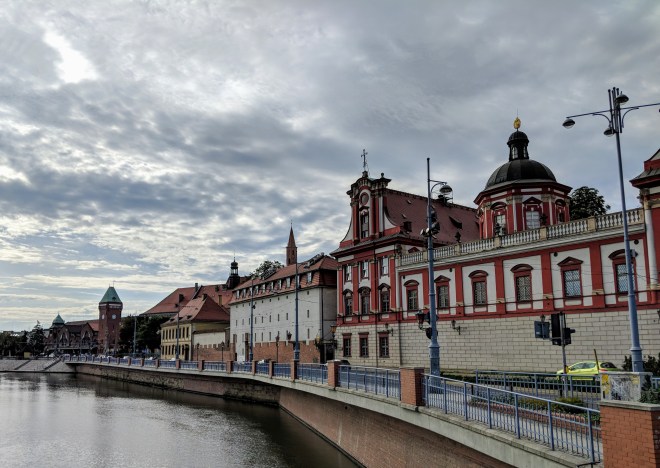
The Ossolineum Library and Research Center is a pretty and red representation of light baroque architecture with the ivy providing a softness to the harder angles and contrasts.

Another beautifully colored location is the National Museum, but the coloring comes from the natural elements of brick and foliage, like many other Northern Neo-Renaissance designed buildings of the 19th century.

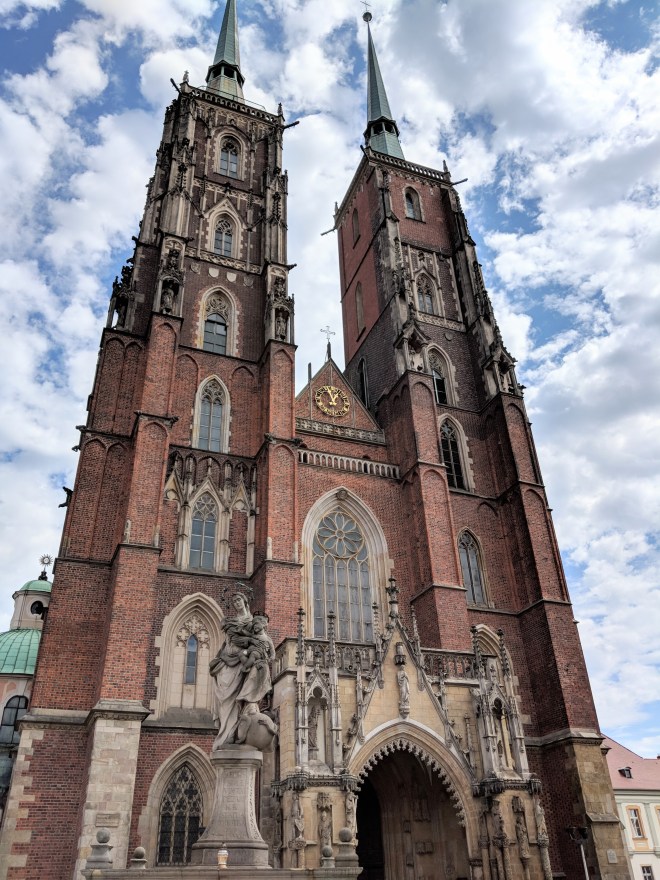
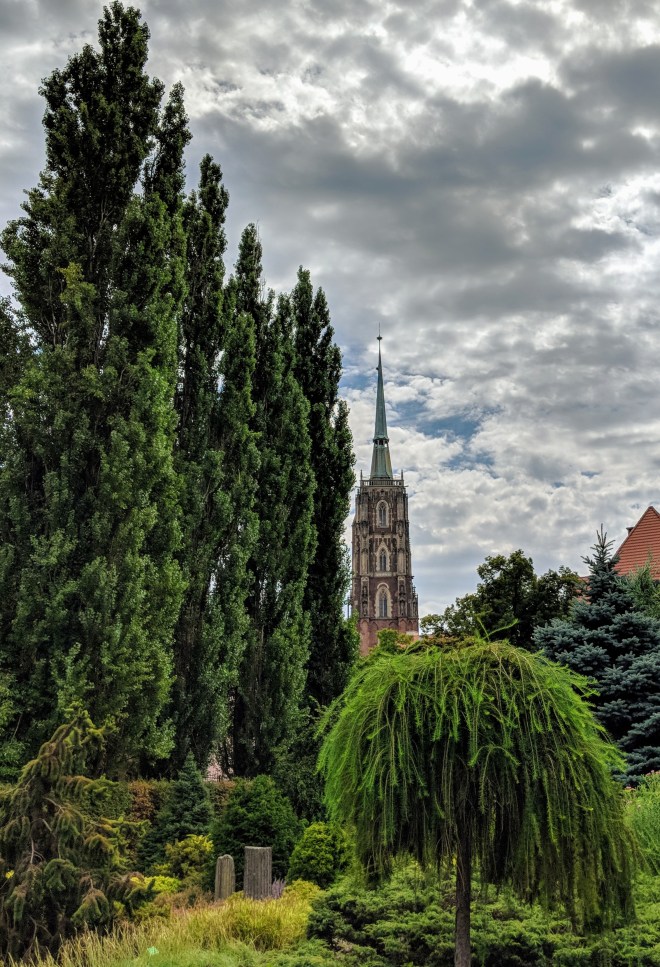
Cathedral Island and University Botanical Center: The oldest part of Wrocล‚aw on what is believed to once have been an island between branches of the Oder River is now considered Cathedral Island. This small area is crowded with impressive baroque and gothic cathedrals known for hosting tourists intent on visiting during the day and revelers at night, when hundreds of lamps are hand lit each day at dusk.

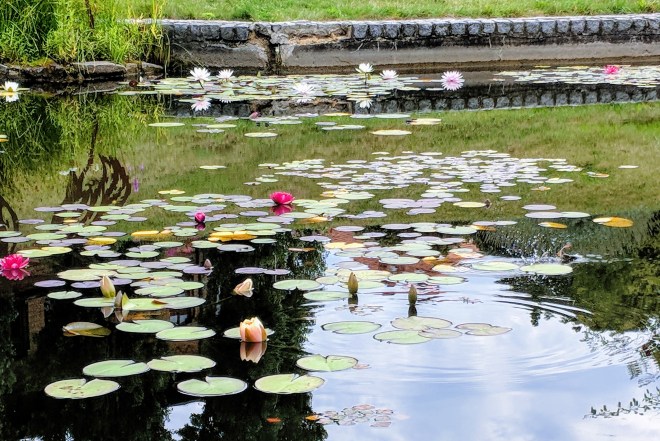
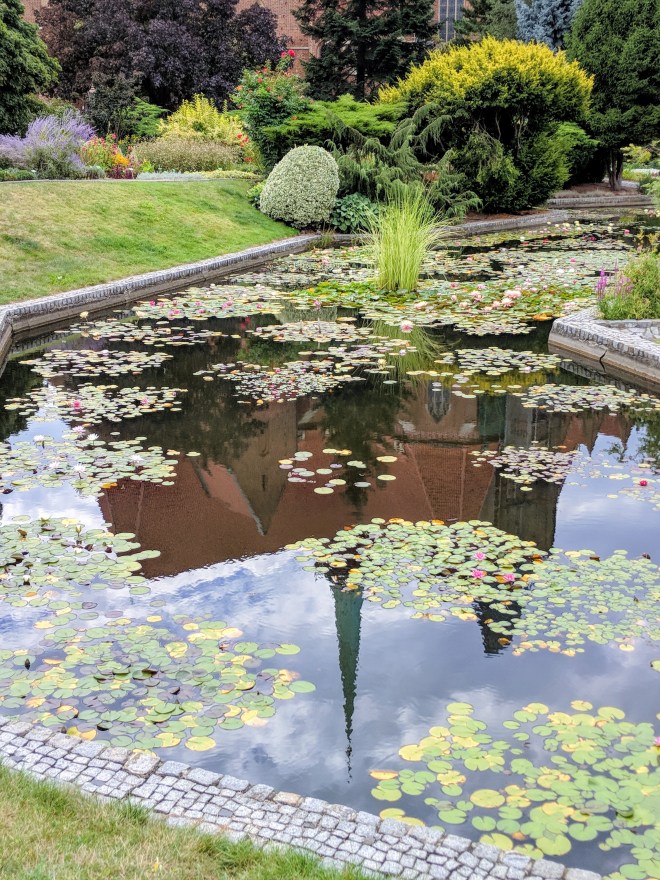
Alongside these cathedrals sits the Botanical Garden at the University of Wrocล‚aw which was on my must see list because… plants. What I can say is there were pockets of beauty which I am glad to not have missed while the majority of the gardens were not at their best. I fell a lot more in love with water lilies and the reflections of the cathedrals off the water mesmerized me for more than an hour. And if I hadn’t made my way through the gardens, I wouldn’t have had the best burger in town on my way home!

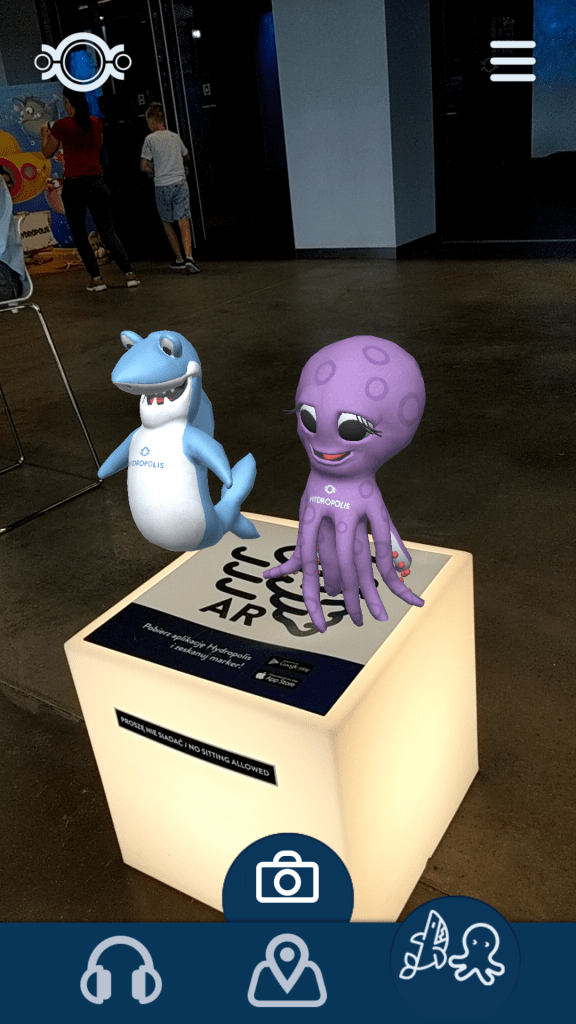
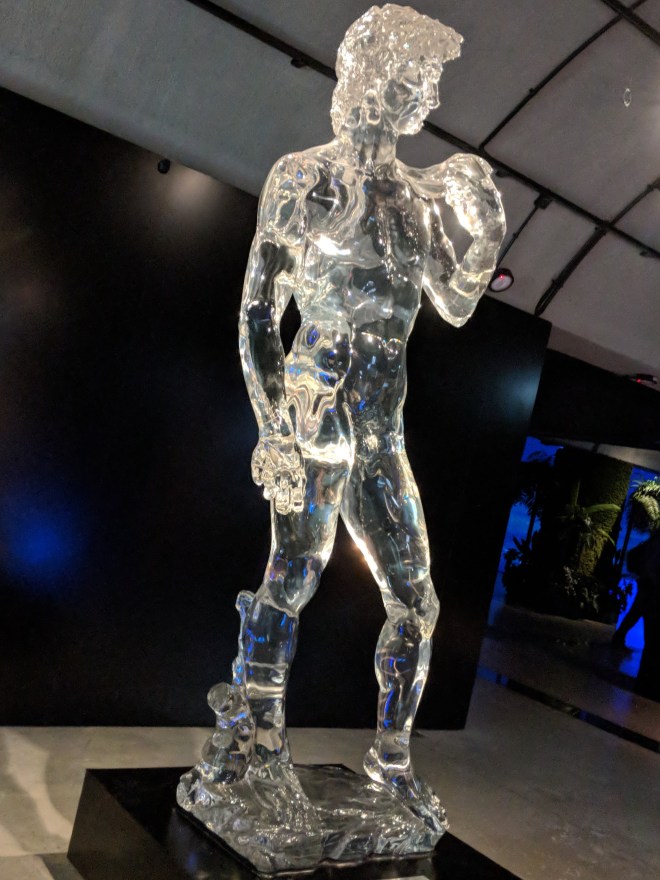
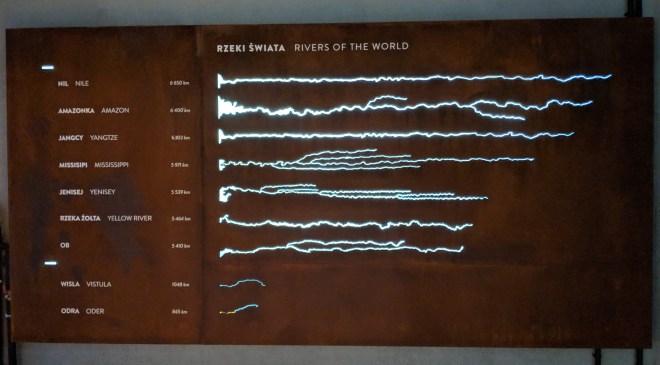
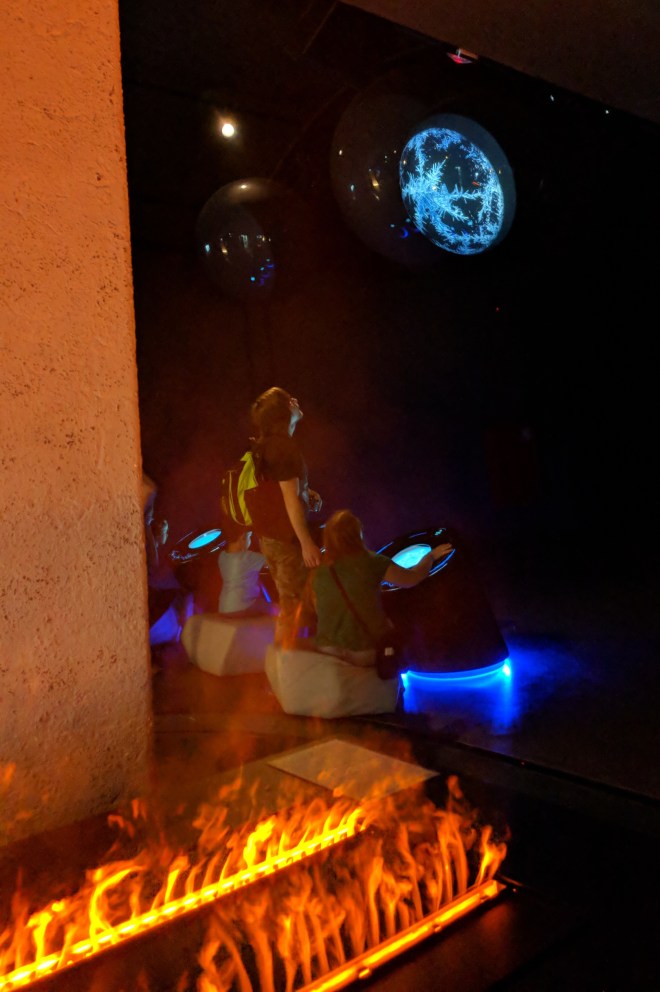
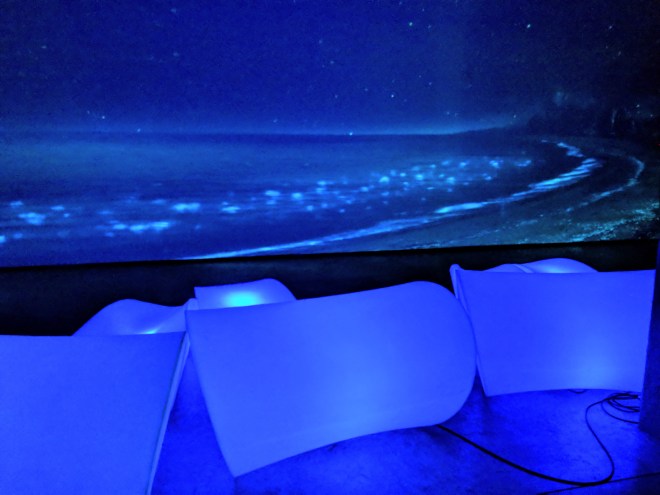
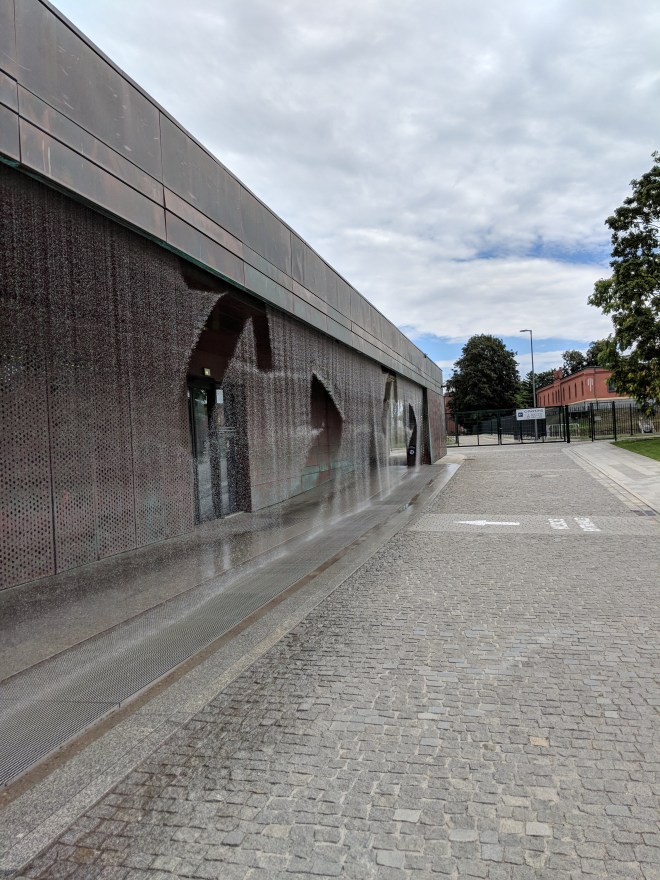
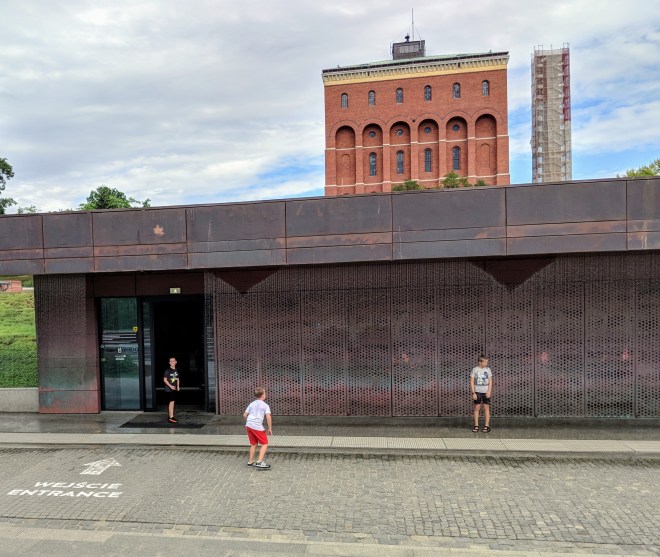
Hydropolis: One of my absolute favorite things in Wrocล‚aw is the ultra modern and interesting water education center – Hydropolis. SO COOL for a water lover like moi, and I daresay everyone should love water because it’s a necessary element for, well… life. This place was educational, entertaining, well executed, and just plain ol’ fun. The hosts of the center are a virtual reality shark and octopus who guide you from one exhibit to another. Yup, I loved ’em. There is no possible way I can share with you everything I learned in the *ahem* six hours I spent here (Google says most folks stay 1.5-2 hrs), so please feel free to make the trip!

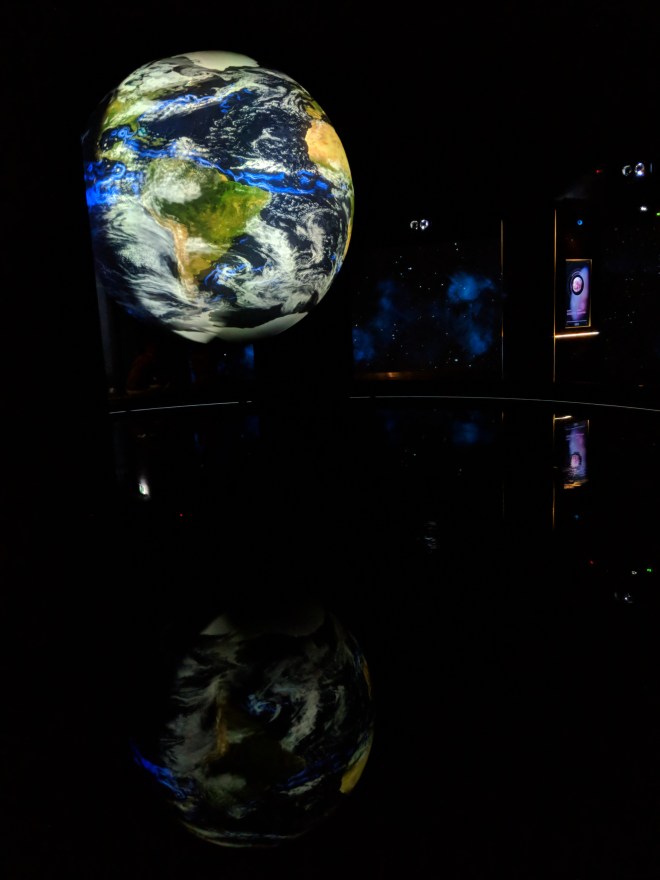
Projected 3D Earth reflected off the water tank below with the video we’re watching in the background. Yes please.

Examples of fun exhibits

Relaxation zones

Just getting in and out was a blast to do and to watch – they call this the water printer

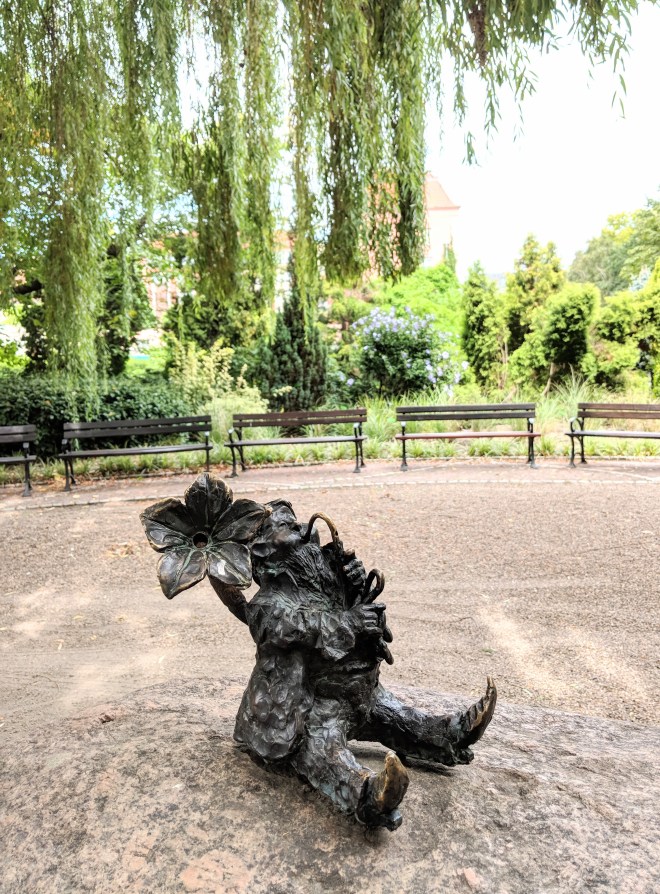
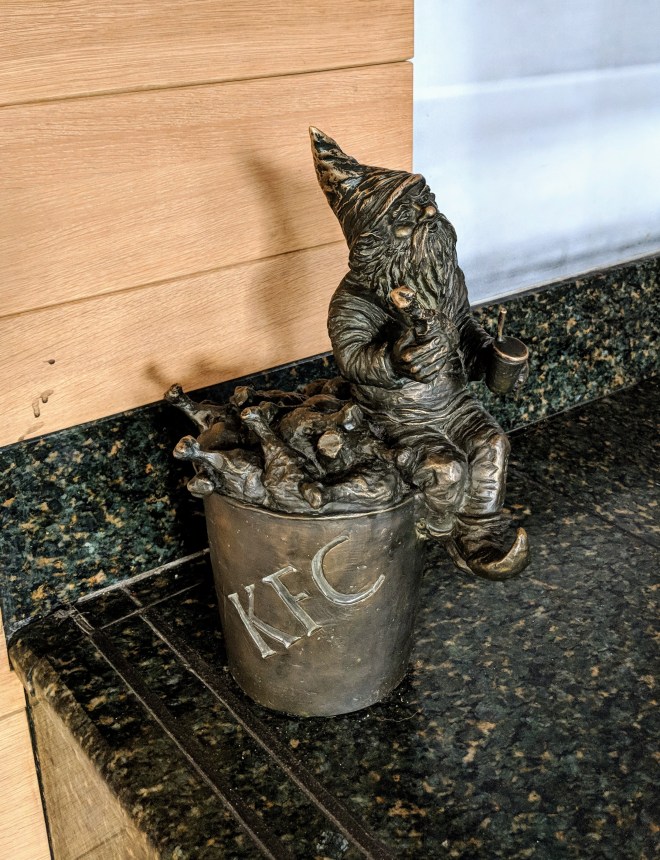
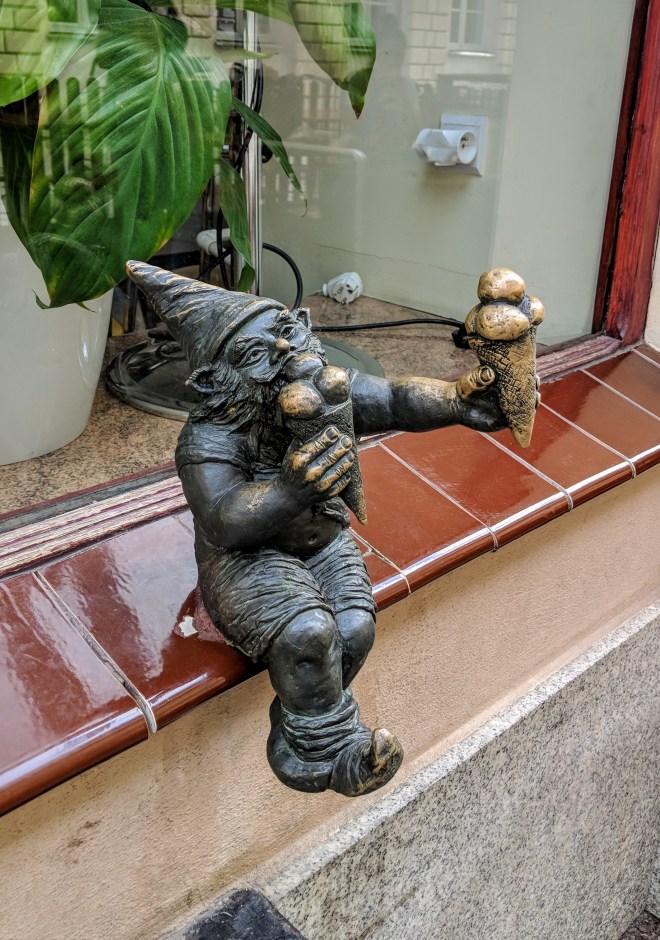
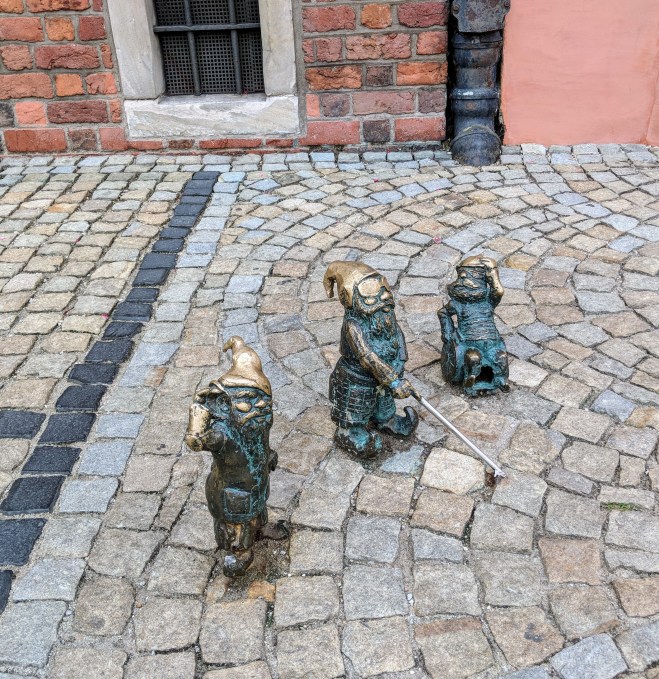
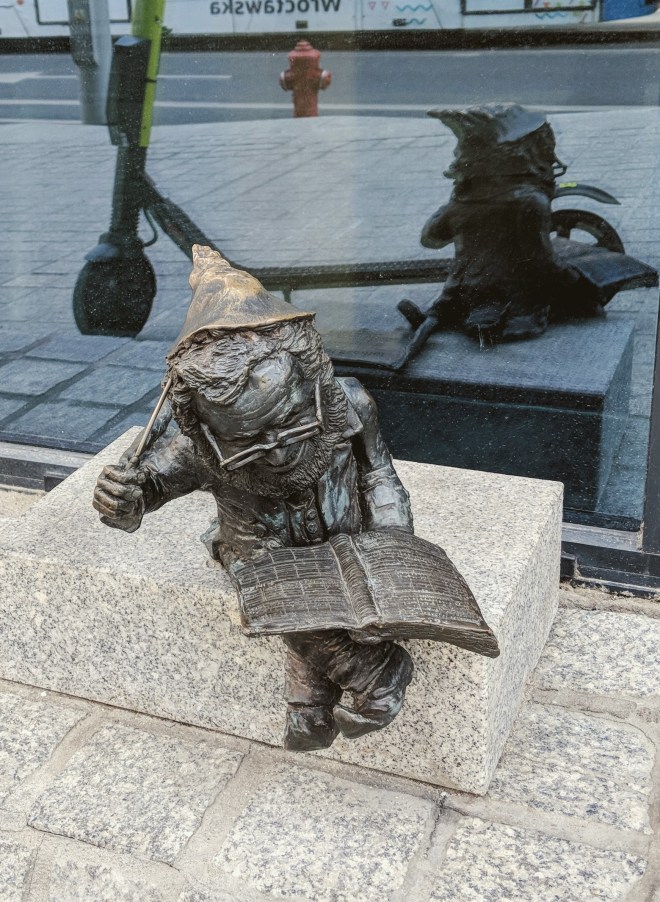
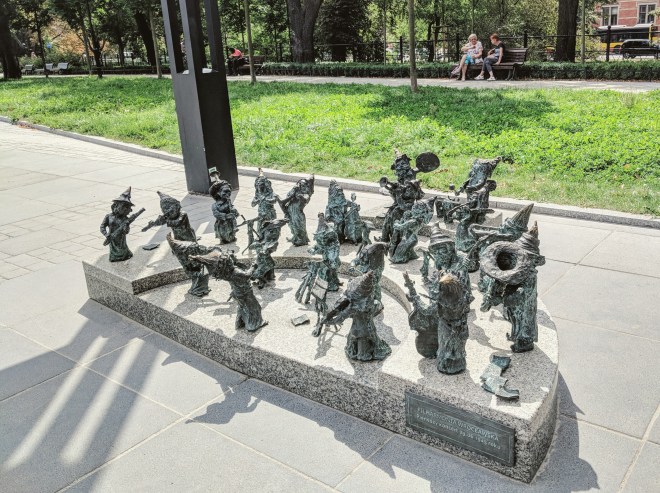
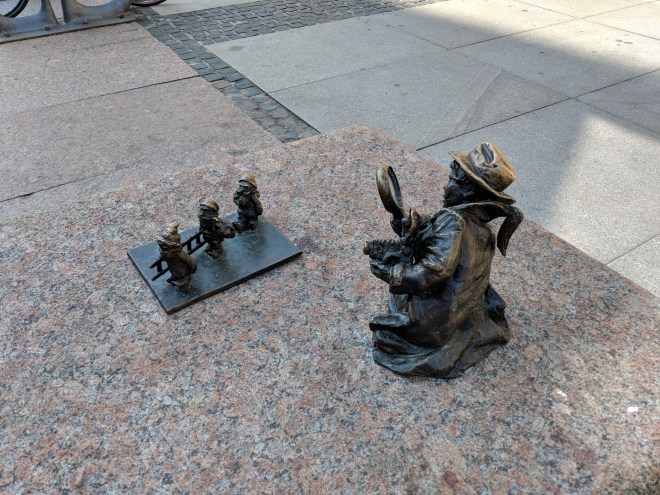
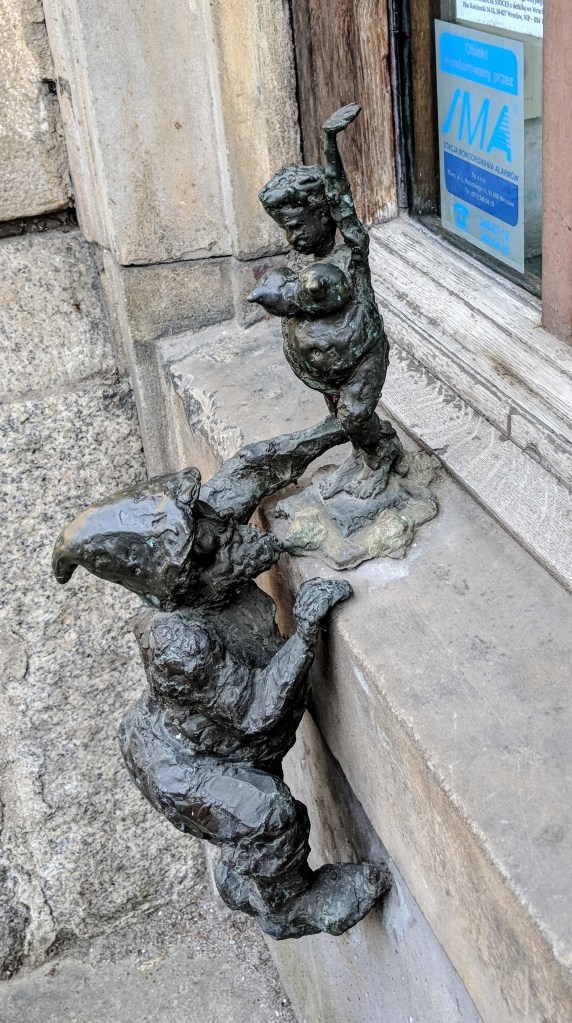
Dwarves: What started out as an inventive way to elicit support for peaceful protests against communism with the Orange Alternative (a group who would dress up or use silly props to mitigate risk of trouble from the communist authority in their protesting), Wrocล‚aw now has over 600 bronze Dwarves scattered throughout the city. These little guys pop up just about everywhere and the city has embraced them wholeheartedly with maps to the Dwarves, Dwarf dictionaries – there’s even a Dwarf finding app for your smart phone. Obviously, by this point, the meaning of each little statue is no longer strictly for human rights. Some shorties are advertisements or dedications to lovers. They have become a universal symbol, however, of “let’s all just get along”, even to the point of becoming gifts to other cities and nations by Wrocล‚aw leaders. While I didn’t capture every one, I’ll share with you some of the li’ls I was happy to meet…

These are the highlights from what I know of Wrocล‚aw. Whaddya’ think?

Lively Riga on the Sea

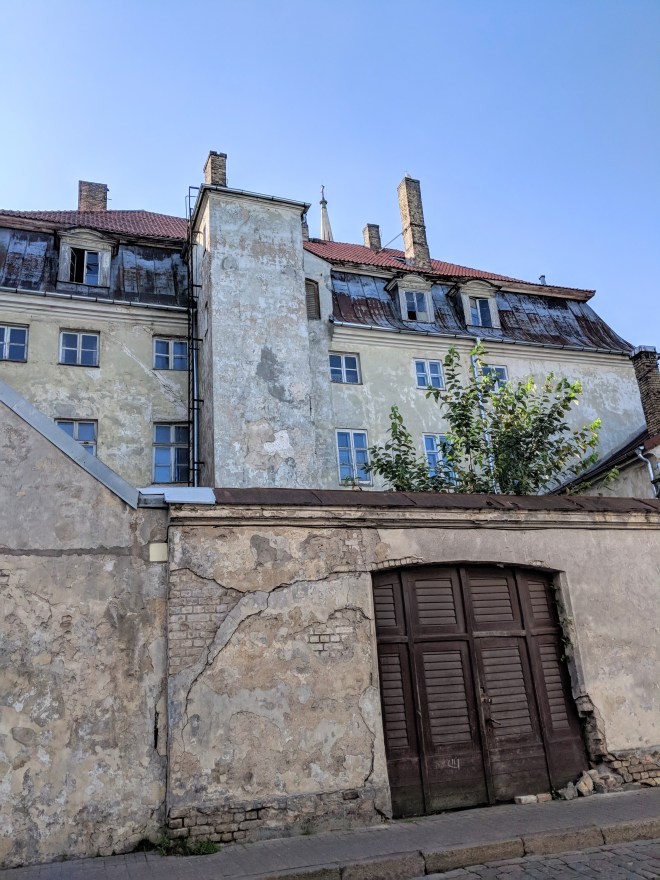
Holy market, Batman! In Riga, Latvia, I went the wrong way getting off the bus… again. Although this misdirection made me cross multiple train tracks, putting my poor luggage through the ringer, then landed me in the middle of traffic, it also showed me the amazing Riga central market! It’s like I stepped into a new world, it was so full of life! This place is not only the spot for fresh produce, meat, and seafood, oh no. You can find sneakers and sweaters and pots and fishing poles and jewelry and plants and BBQs and diapers and and and and… In 1922, before the rise of retail shopping, Riga started planning this mammoth market and bazaar. Once finished, it became the cultural, social, and economic center of the city and region. (Vegetarians, skip to the next paragraph) The giant building dedicated to meat (yes, just meat, there are other giant buildings for seafood, etc…) was an assault on my senses; so much that I started immediately salivating. Pork is the big meat in Latvia, but there were racks and cases full of lots of clean, fresh flesh. Sausages and salami dominated at least a quarter of the place with so much variety, I’d never be able to choose. If I’d have been there longer, oh the picnics I would have had! I’m sorry to say that I have no pictures to share with you, I was too busy gawking, myself.

The market is likely the only spot in or near old town where you can find the little old Latvian ladies chatting (gossiping and arguing, mostly) in actual Latvian. This language is so much more familiar to me than that of Estonia, they actually have some consonants! Of course being there only four days, I learned nothing more than please and thank you, but reading signs and hearing snippets of conversation, I felt that I could eventually get in on the action were I to stay longer. The words were reminiscent of my high school Spanish, so when I went to wander the bigger city, I felt infinitely more comfortable that I could cobble together enough brain power to get back to where I started.

In a lucky turn of events, I met an English speaking couple on the bus when we were all terribly confused as to what the hell the bus driver was saying in Estonian. These two are kick ass people who are intelligent and dorky, so obviously my spirit animals. Having been in near seclusion for the previous couple weeks, meeting kindred spirits was a welcome delight! We toured Riga together and found the city holds a ton of charm. One evening, we stumbled on a cute outdoor restaurant with live music and spent hours watching, listening, and sometimes singing. Between the great song choices, the little girls in pink who had no fear, and the very talented folks who took advantage of the small dancing area, we were completely entertained; It’s when the band would play a Latvian song, the entire crowd perked up. Wow! Normally, I’d expect the crowd to be solely tourists, but there were obviously a ton of locals both seated and crowding around the venue to wiggle and hum along with great big smiles. Incredible.

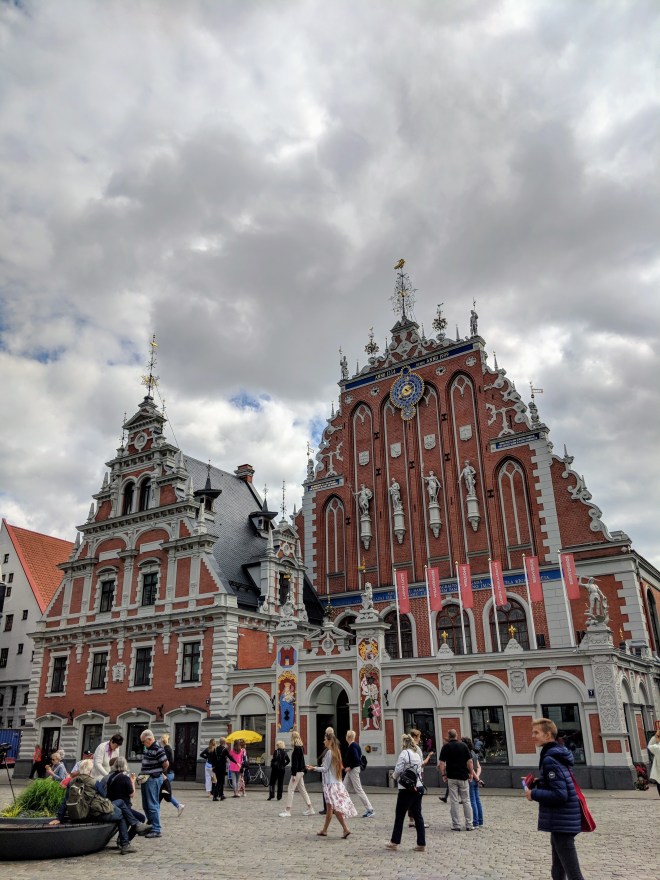
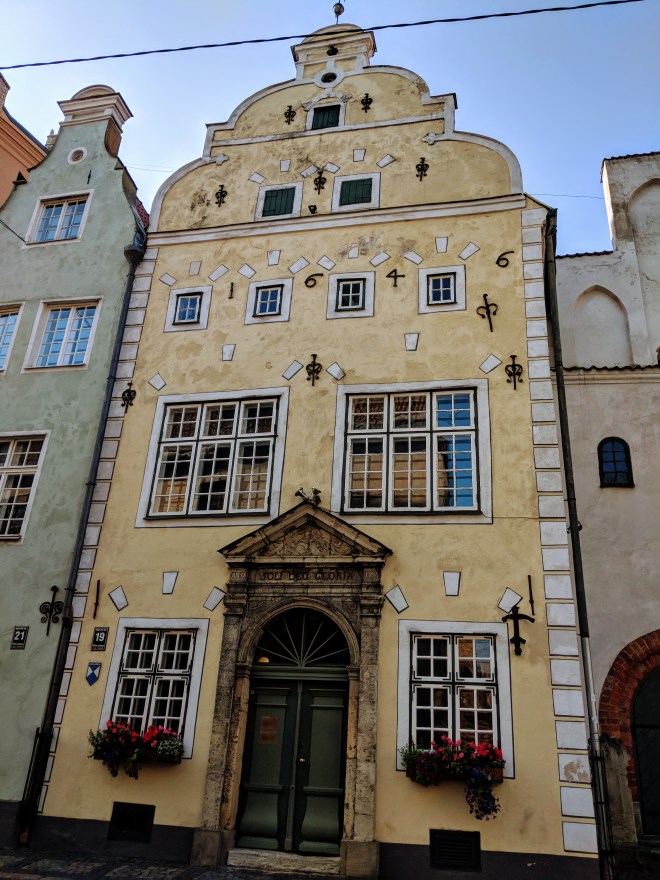
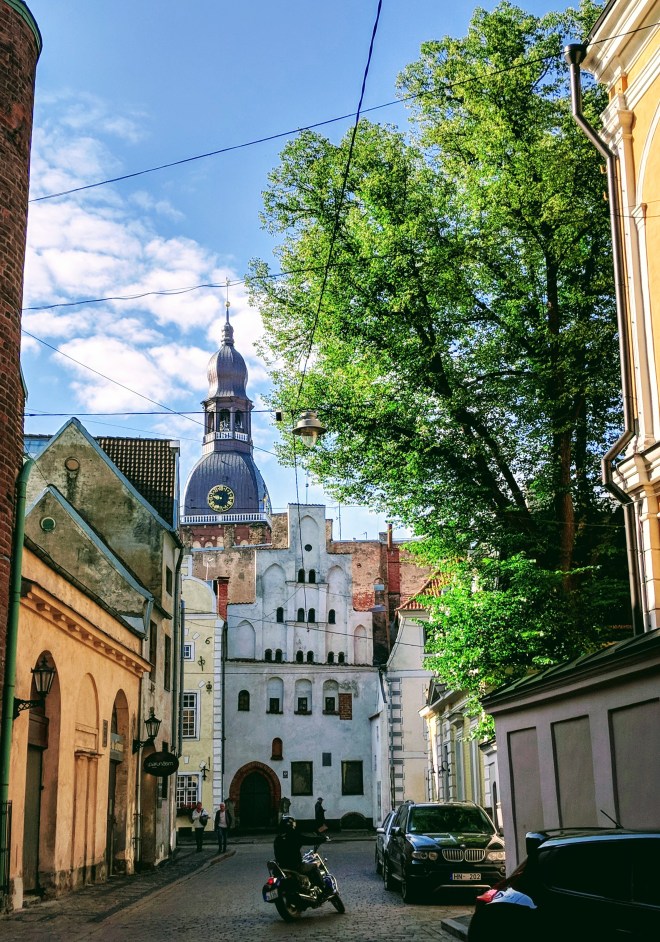
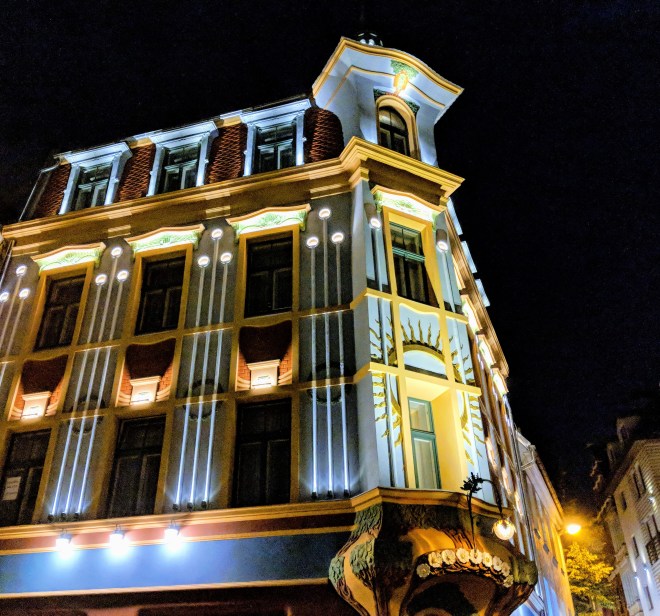
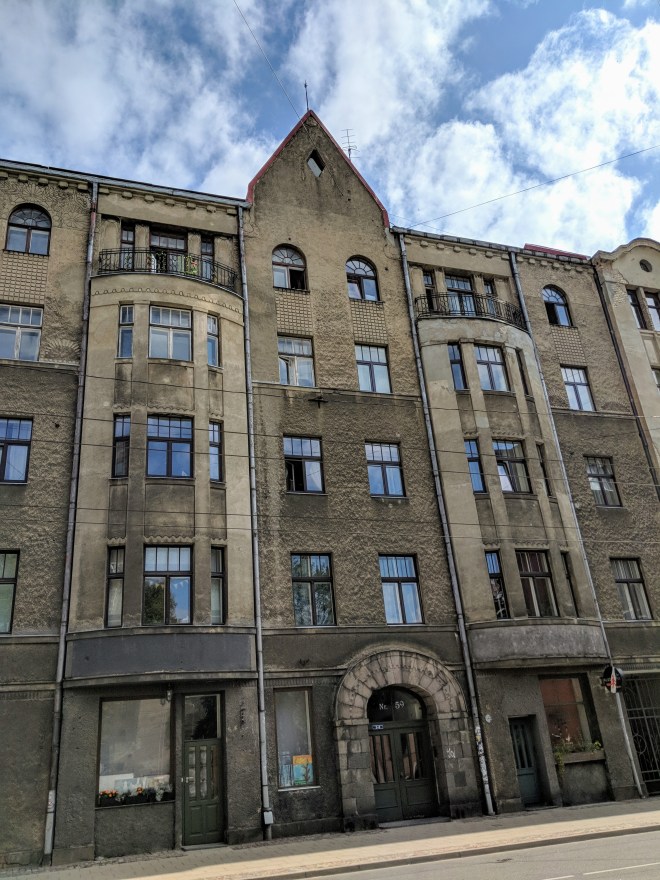
Wandering the cobblestone streets and secret passageways in Riga was a joy made infinitely better having good folks along. We wandered past the oldest houses in Riga, called the “Three Brothers” which are leaning slightly and dwarfed by the cathedrals built in their neighborhood. We also learned about the only synagogue in Riga which was not destroyed during WWII, but only because it was uncharacteristically attached to the buildings next to it. There’s a beautiful, eclectic suite of buildings called the “Blackheads” (yes, please insert pimple joke here) which is the place where the young, unmarried dudes would hold their union meetings and make decisions. By meetings, I mean parties. By decisions, I mean suggestions for the older, married dudes who actually made city decisions over in another building. Over the centuries, with different architectural and theology influences impacting the region, different elements were added to the facade, creating this quirky exterior.

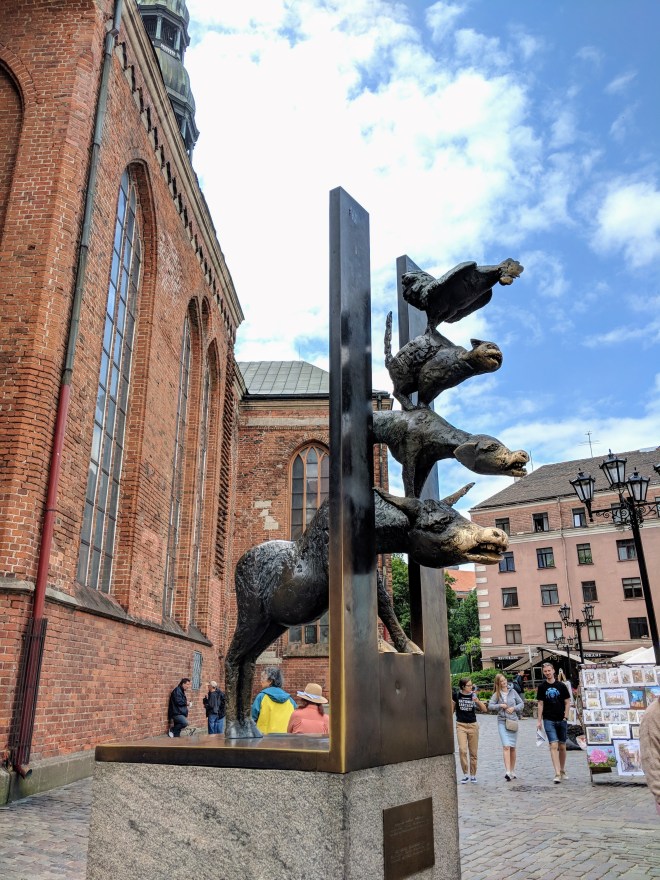
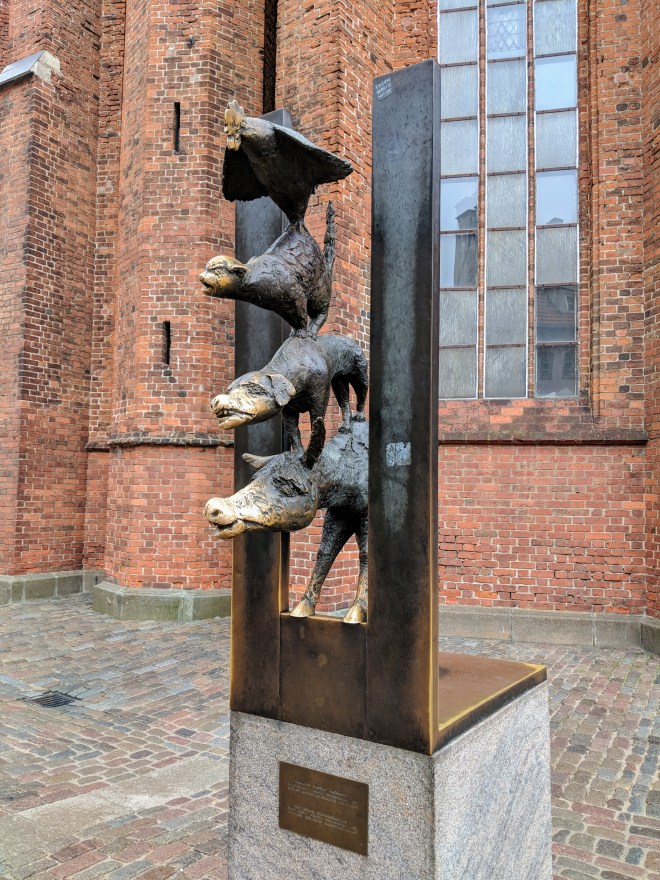
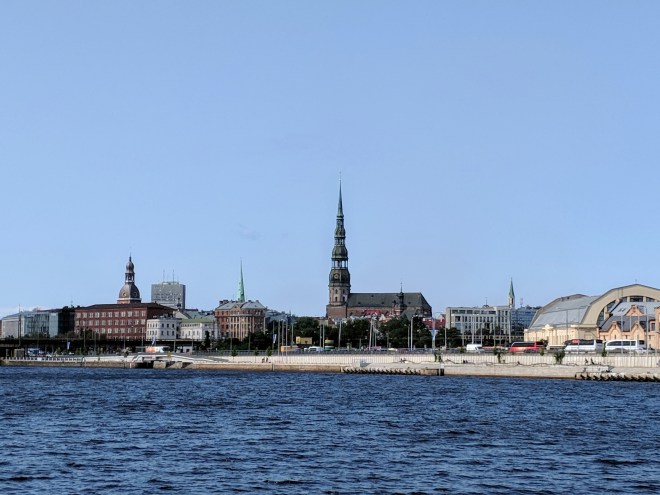
One thing about most of the buildings and sites in Riga is that they’re not original. Most of them have been rebuilt or re-imagined multiple times, so much so that it’s become a city joke. Even the captivating St Peter’s church only last resumed services after reconstruction in 1991. Much of this has to do with major fires in the city and bombings. Yah, the residents of Riga are resilient! There’s a story about four older farm animals who make a break through the fence in their home to find a better life and the moral is how working together, we can accomplish more than we could alone. This story was made more popular by the Brothers Grimm and called “Town Musicians of Bremen”. An artist from Bremen, Germany made a lovely sculpture of these resilient animals and gifted it to Riga to provide continued support to the city through their challenges with the iron curtain.

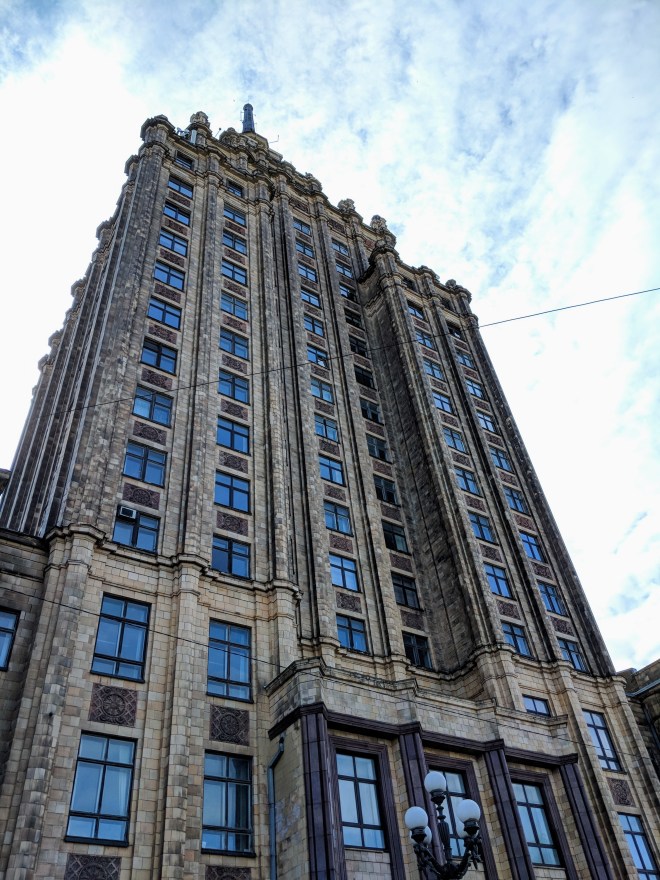
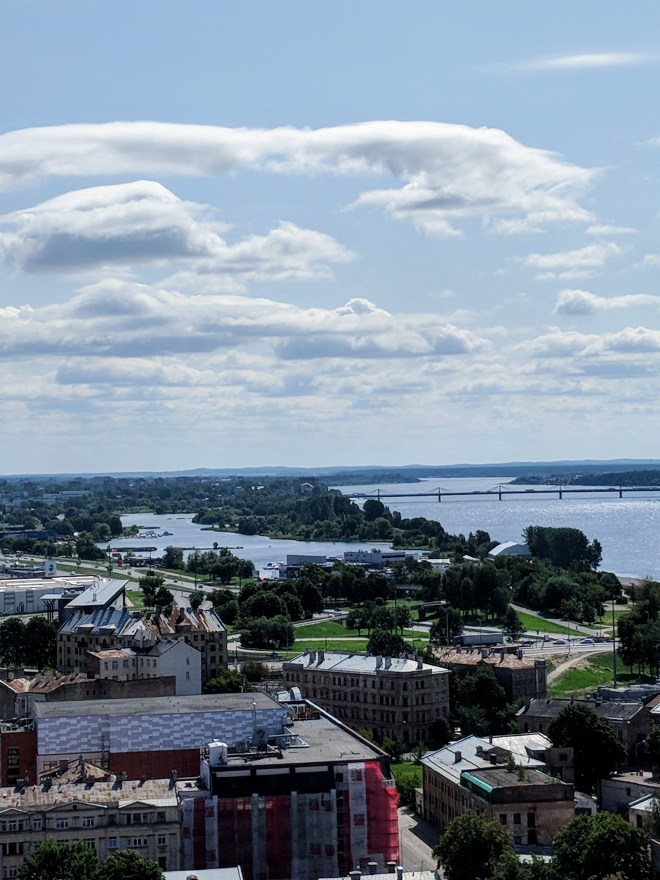
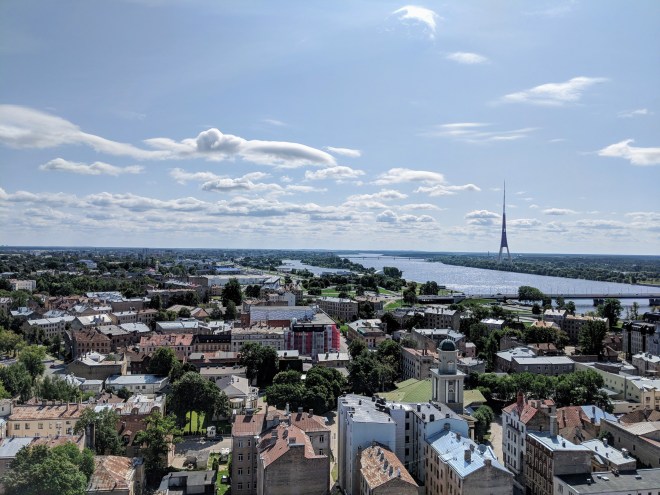
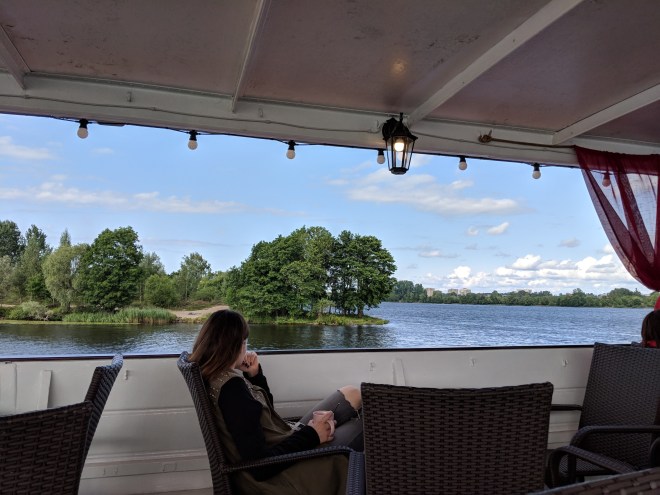
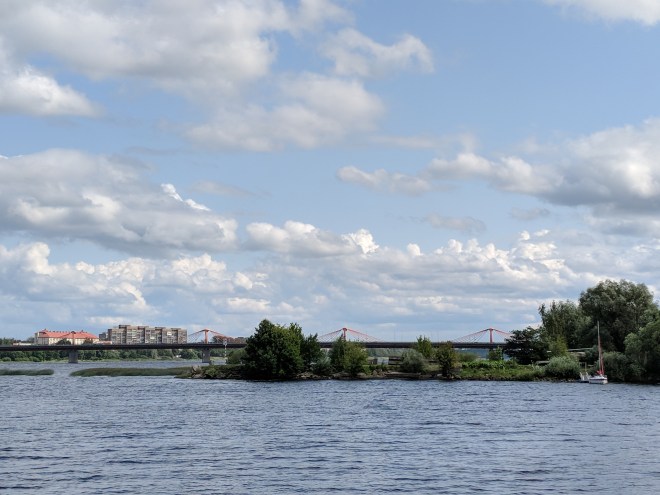
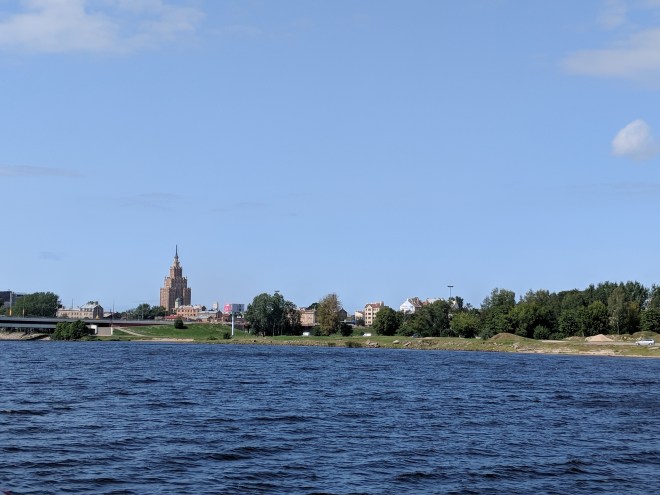
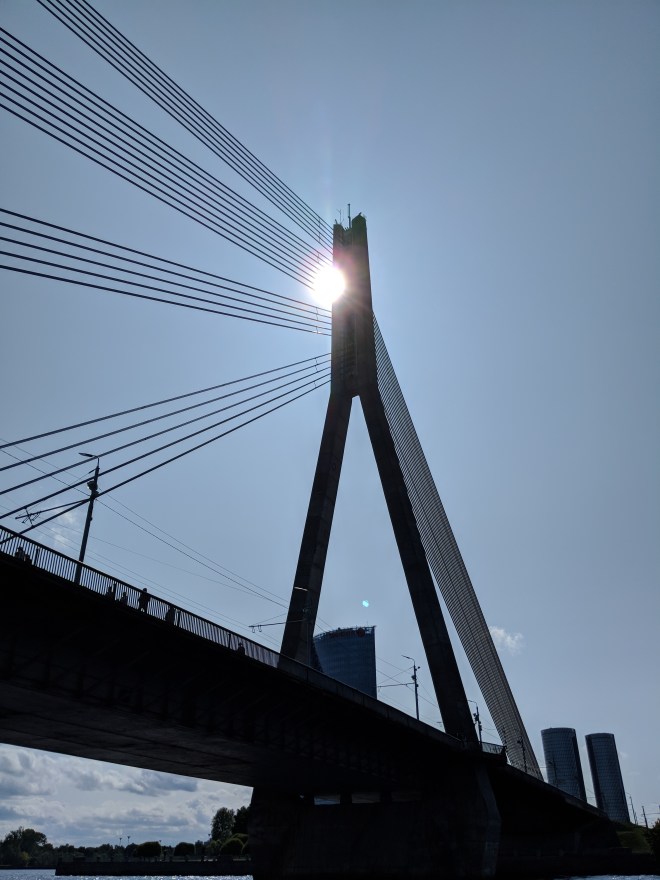
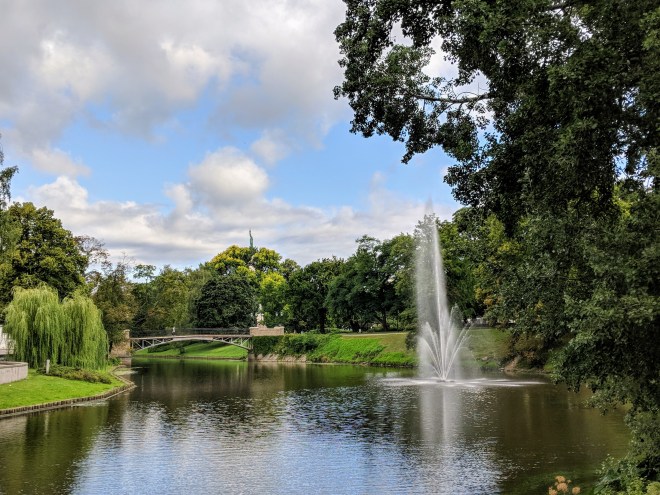
Riga is a coastal town, making it a natural port of commerce throughout the ages and water just makes everything prettier and greener. I had the opportunity to see the city from a few different vantage points, including the top of their Academy of Science where the smart kids learn. This building is an imposing structure, visible from all over the city with an observation deck at 19 stories up. I spent a socially uncomfortable amount of time up there. Once I outlasted the professional photographer, I figured it was time for lunch with a satisfied smile on my face. After viewing the city from up high, I stumbled on a boat tour of the Daugava River which intersects the city. I mentioned before that the Baltics are flat, so even from the boat, I could still see for miles. The river’s edges are dotted with marshy land, growing beautiful grasses and water lilies. Whether a marsh or sand beach, the river’s banks are popular for fishing, camping, and swimming. With miles and miles of undeveloped riverfront, the area is a playground for outdoor enthusiasts and parents of energetic littles. It was a chilly and windy day, but I still waved (as you do if you’re a dork on a boat) to multiple sets of folks enjoying their time on or near the water.

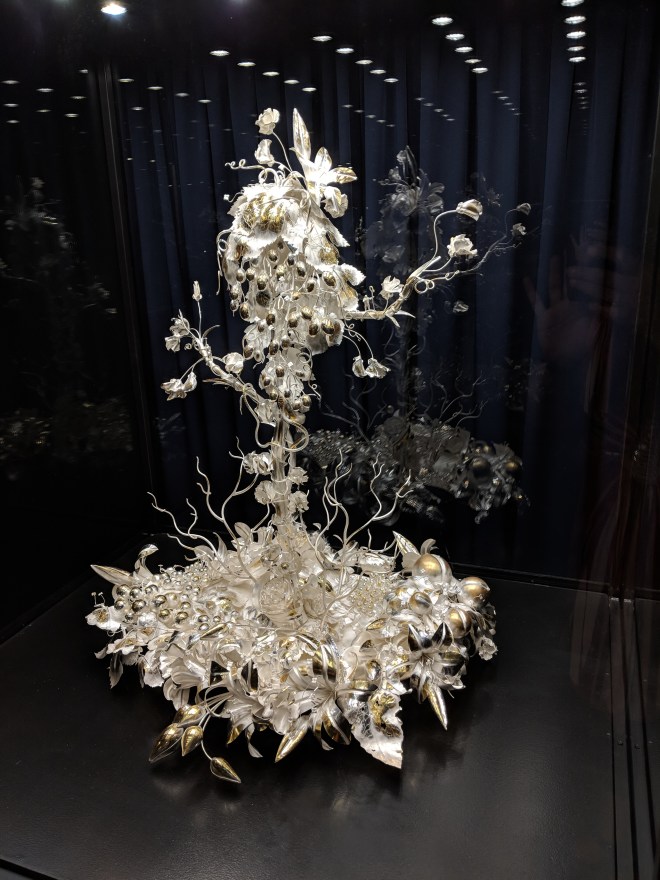
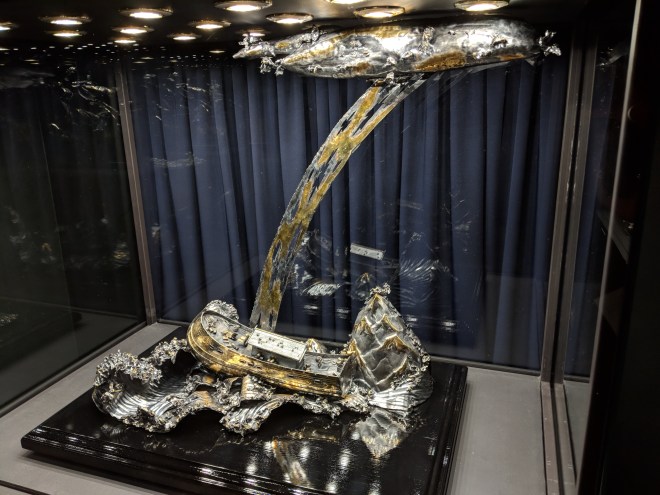
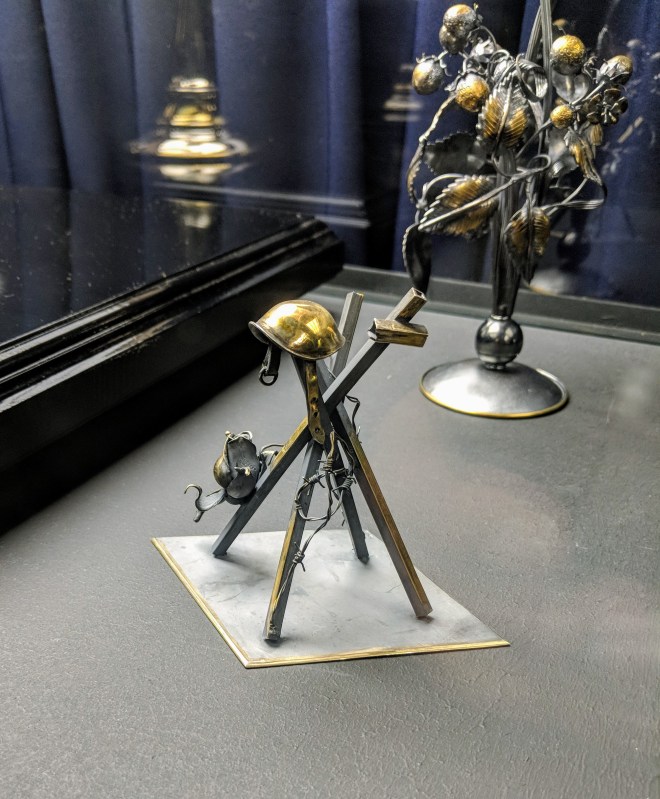
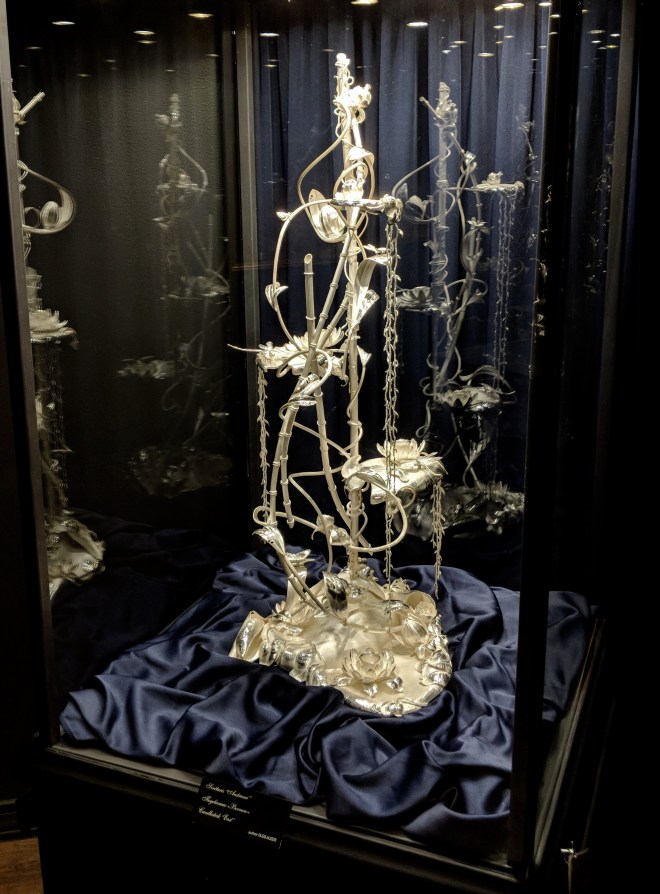
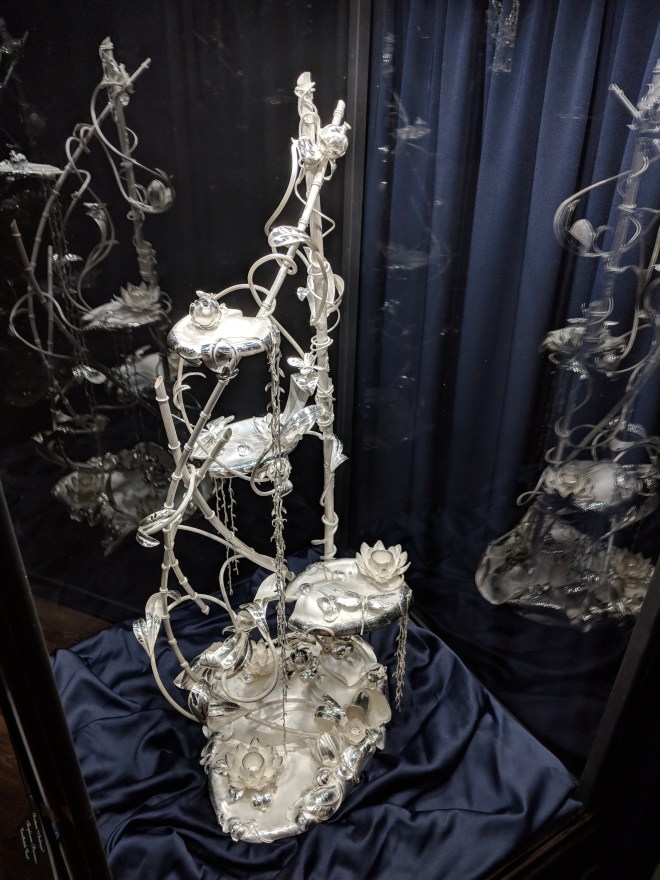
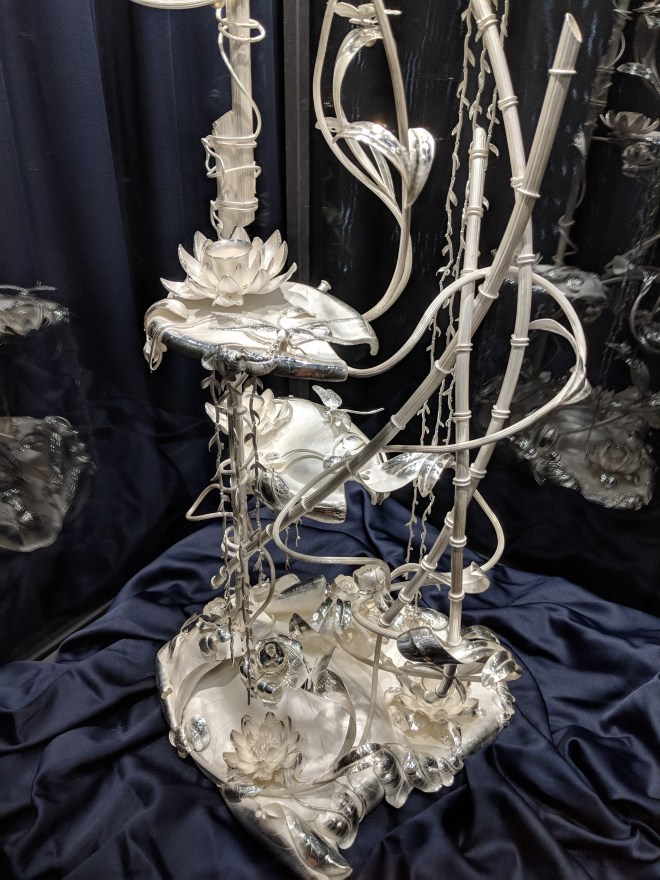
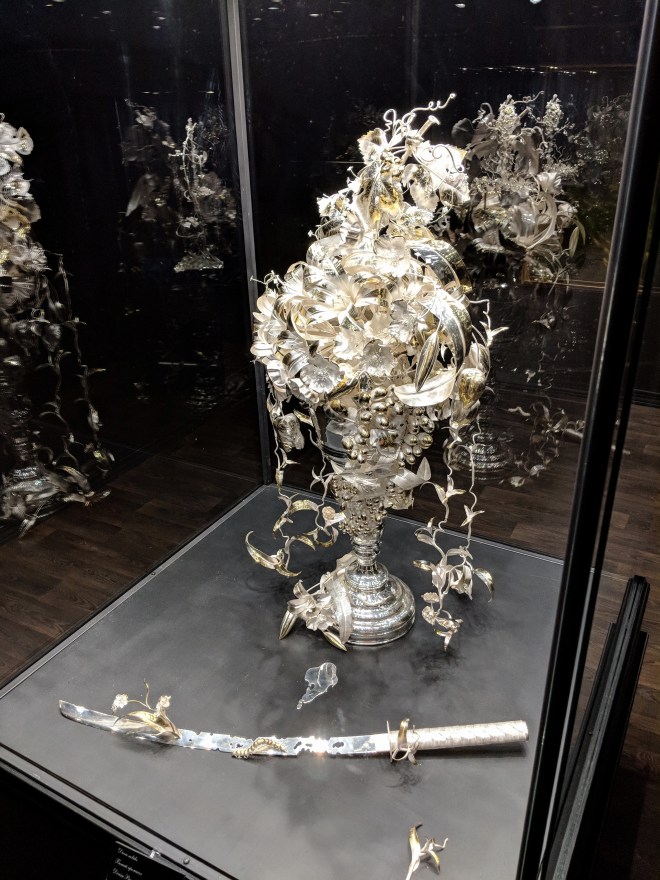
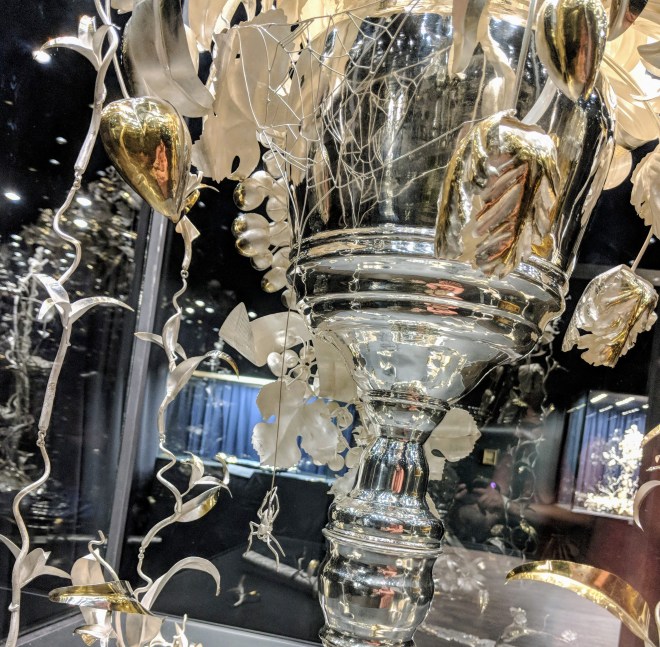
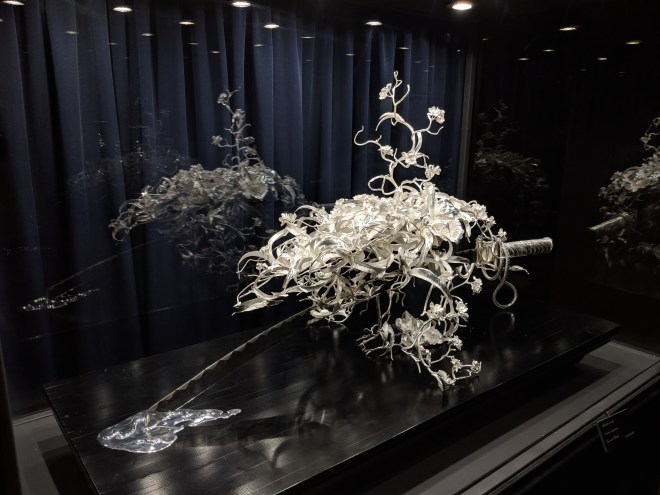
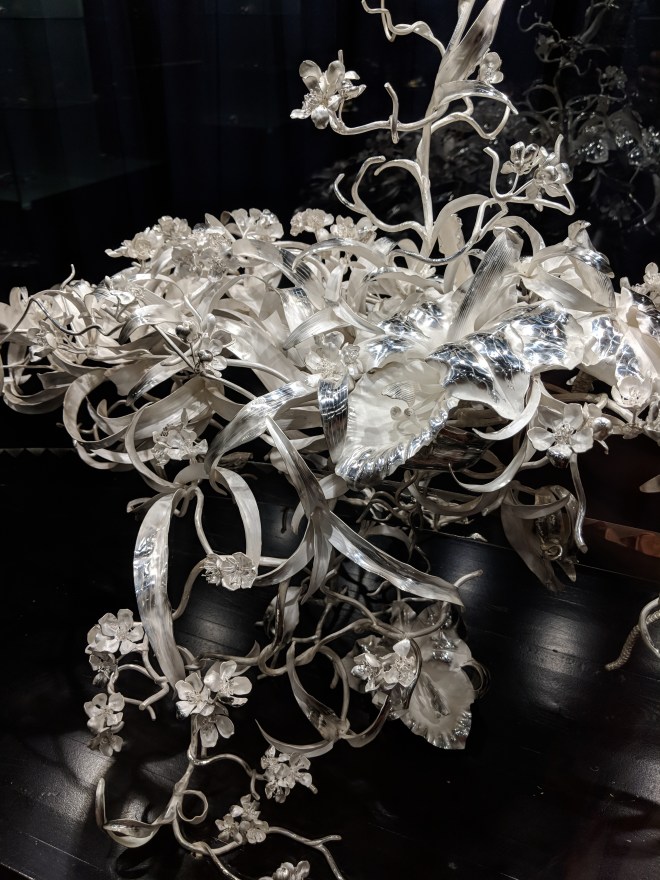
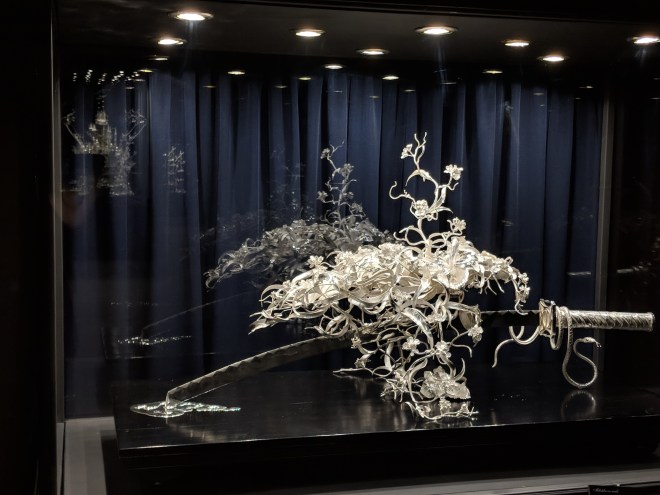
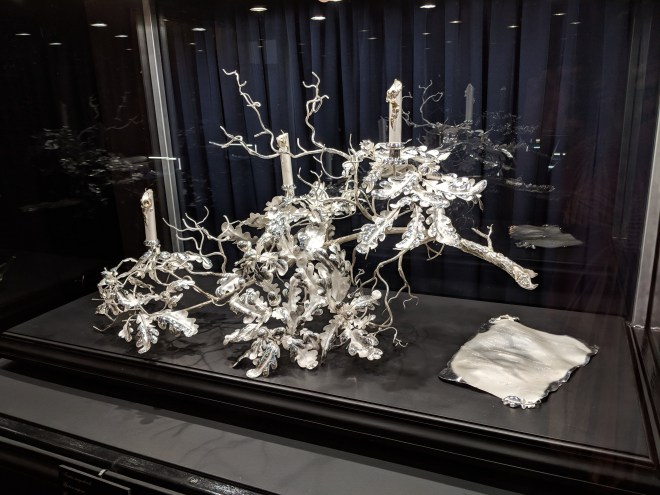
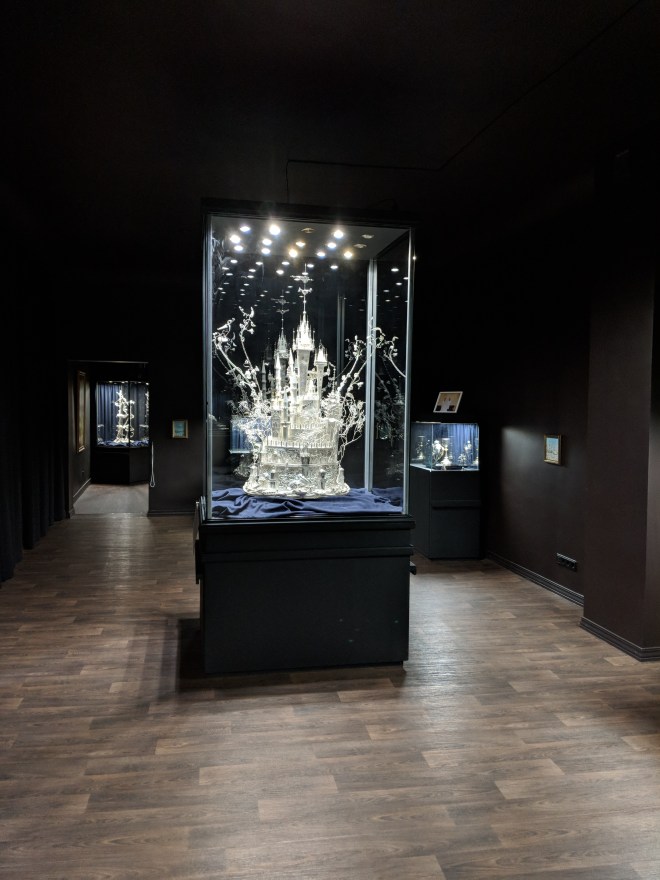
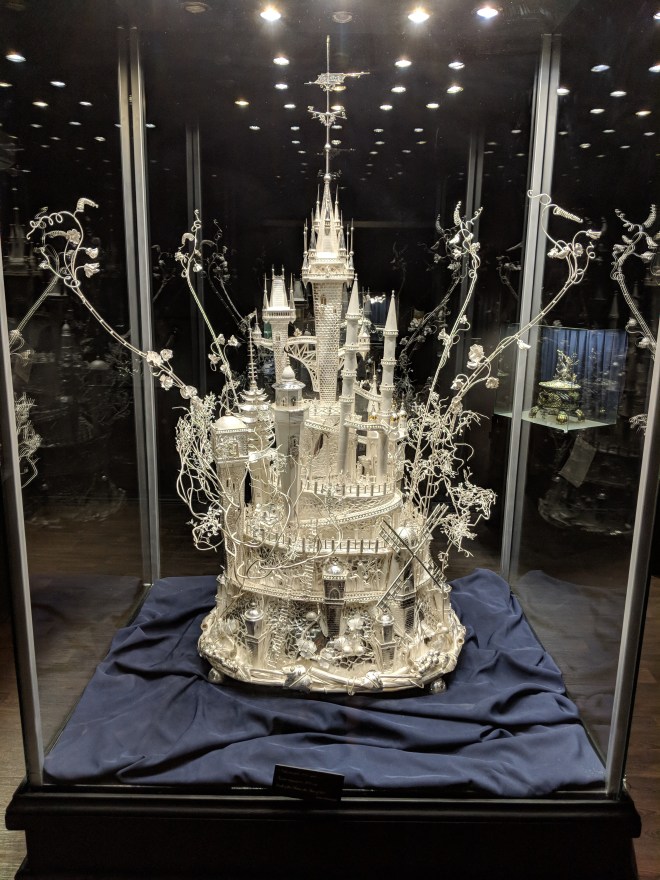
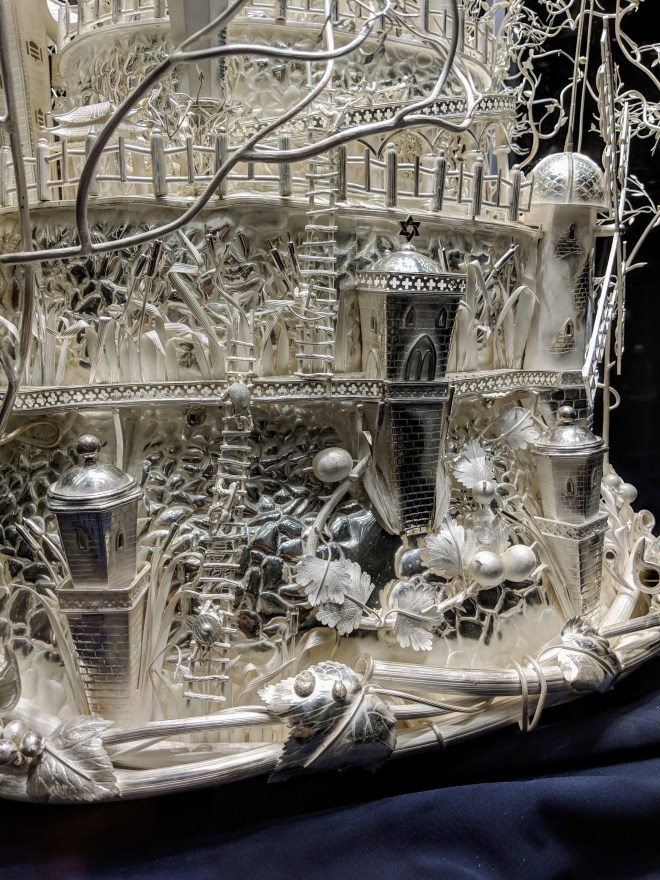
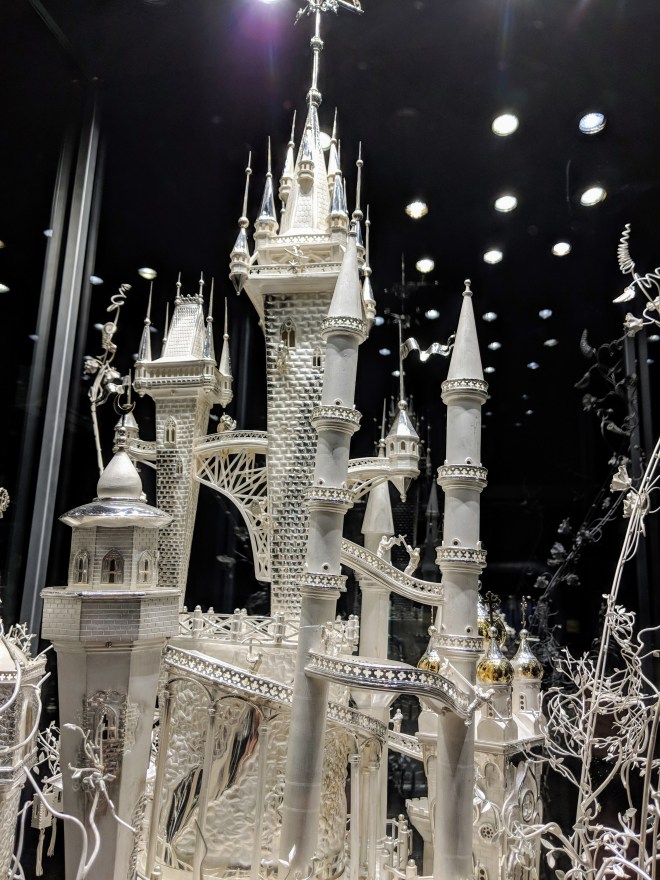
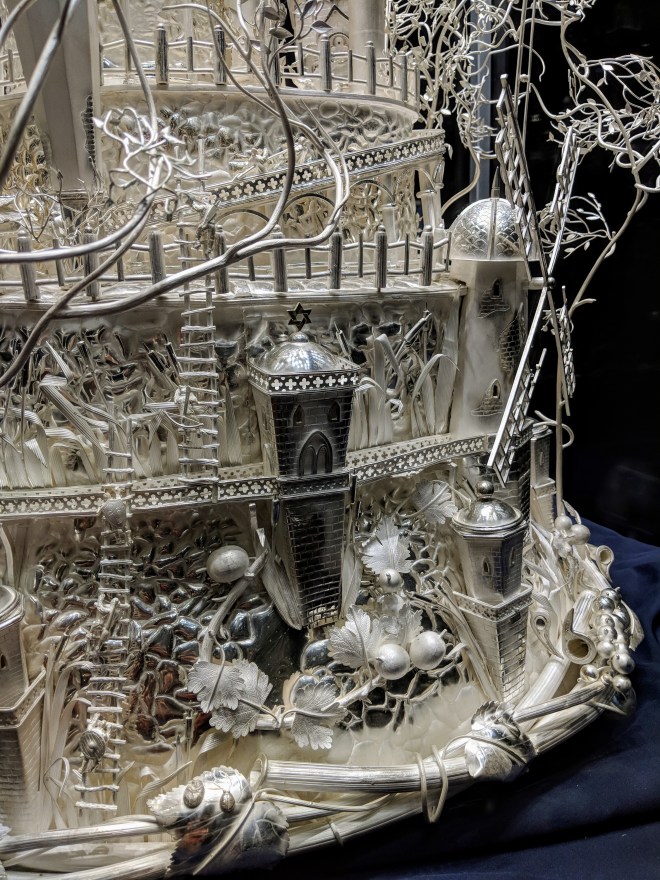
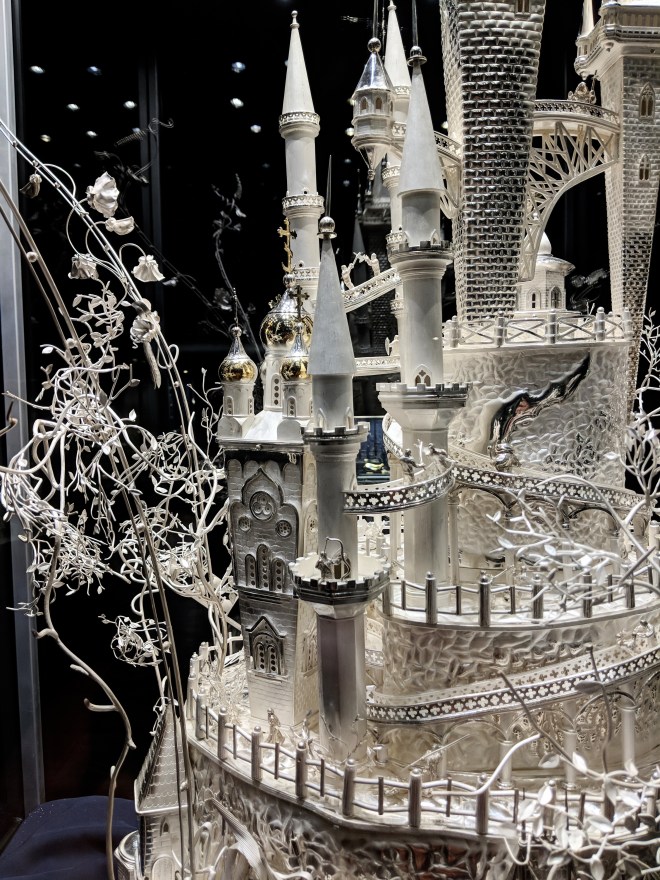
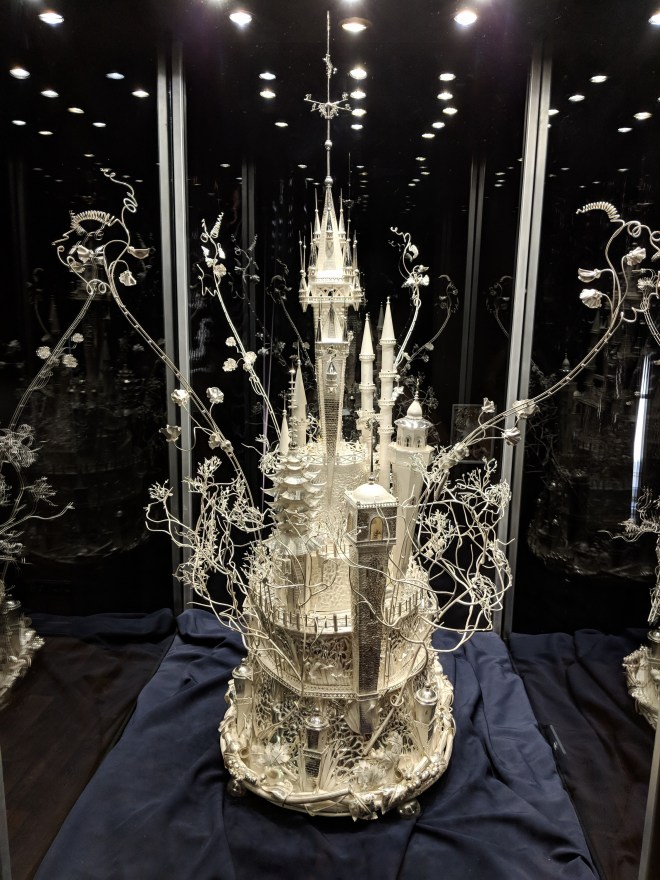
I eventually did head inside because I was on a mission to see the work of a very talented Riga resident – Olegs Auzers. Olegs works with silver and creates these works of art which are not only beautiful and delicate, but thought provoking, as well. It seems his theme is to promote love and unity, while acknowledging that conflict exists and suggests ways to deal with that conflict more effectively and humanely. He’s now 70 years old with a 5 year old kid, so this guy’s got passion which is evident in the spectacular visages he crafts. His most popular piece is a castle of theologies which is more than twice as large as the second largest silver sculpture. It depicts a timeline of working together throughout the years as we move into a better place, called “Castle of the Future, the Year of 3001”. Silver is a difficult medium; the artist has to heat up the entire piece in order to make even the smallest of tweaks or additions. When you’re talking about a piece that’s made up of over 66 pounds of silver, you can imagine how many heart palpitations are generated when it’s getting a new addition! He doesn’t only work on the castle, he’s smithed jewelry for the Queen of England, gift platters for worldwide peace keeping, and so much more. Latvia considers him a national treasure in his ability to bring love and harmony through his work. I’ll post some of my pictures here, but they will do absolutely no justice to the incredible artistry in this work.

Across the river from old town is a striking building I couldn’t help but stop to stare at every time I had the chance. The National Library of Latvia was designed by a Latvian American architect and stands out as a symbol of the future. I didn’t have a chance to go inside, but this building holds more than 5 million titles and employs almost 500 people. Sitting in a cafe in old town, eating Latvian food, and staring over the river at this intriguing building could become a favorite pastime of mine…

It was bittersweet to leave Riga. I really enjoyed my time there, both the time with the crazy folks I can now call friends and the charming city with delicious food and perfect summer weather were wonderful experiences, but it’s time to find more adventure!

Little Surprise Gem, Tallinn Estonia

Coming in from Stockholm, I was in the mood for a little more grit with a side of joy. Tallinn, Estonia is a wonderful little city and I felt much more at home there and really enjoyed the way the city embraces the cheesy tourism of their medieval history… and the green. So much green. Tons of parks have been set aside to break up any monotony in the architecture and in these parks, I didn’t feel like I had to sit up straight, suck in my gut, nor keep my smile from reaching my eyes.

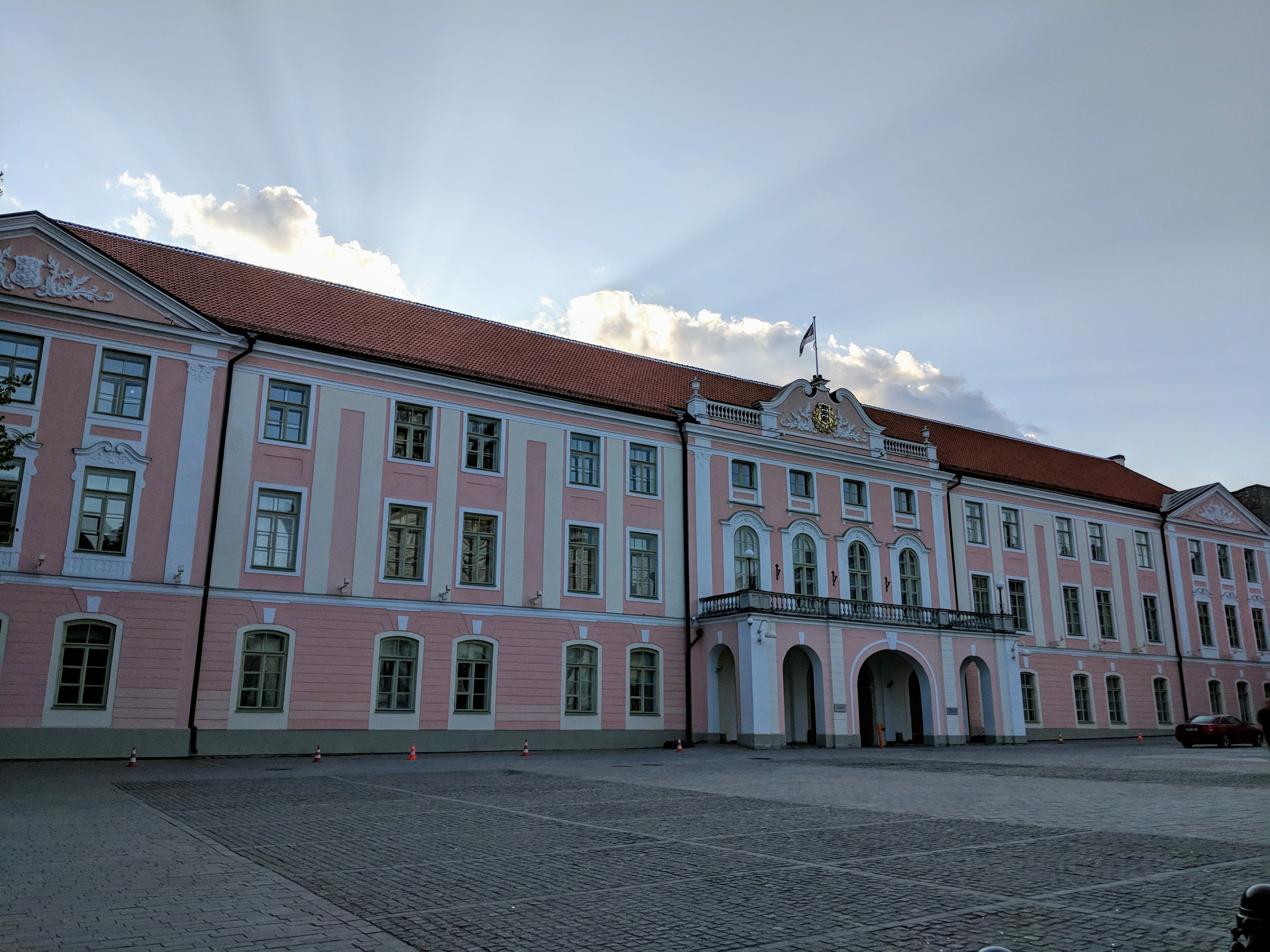
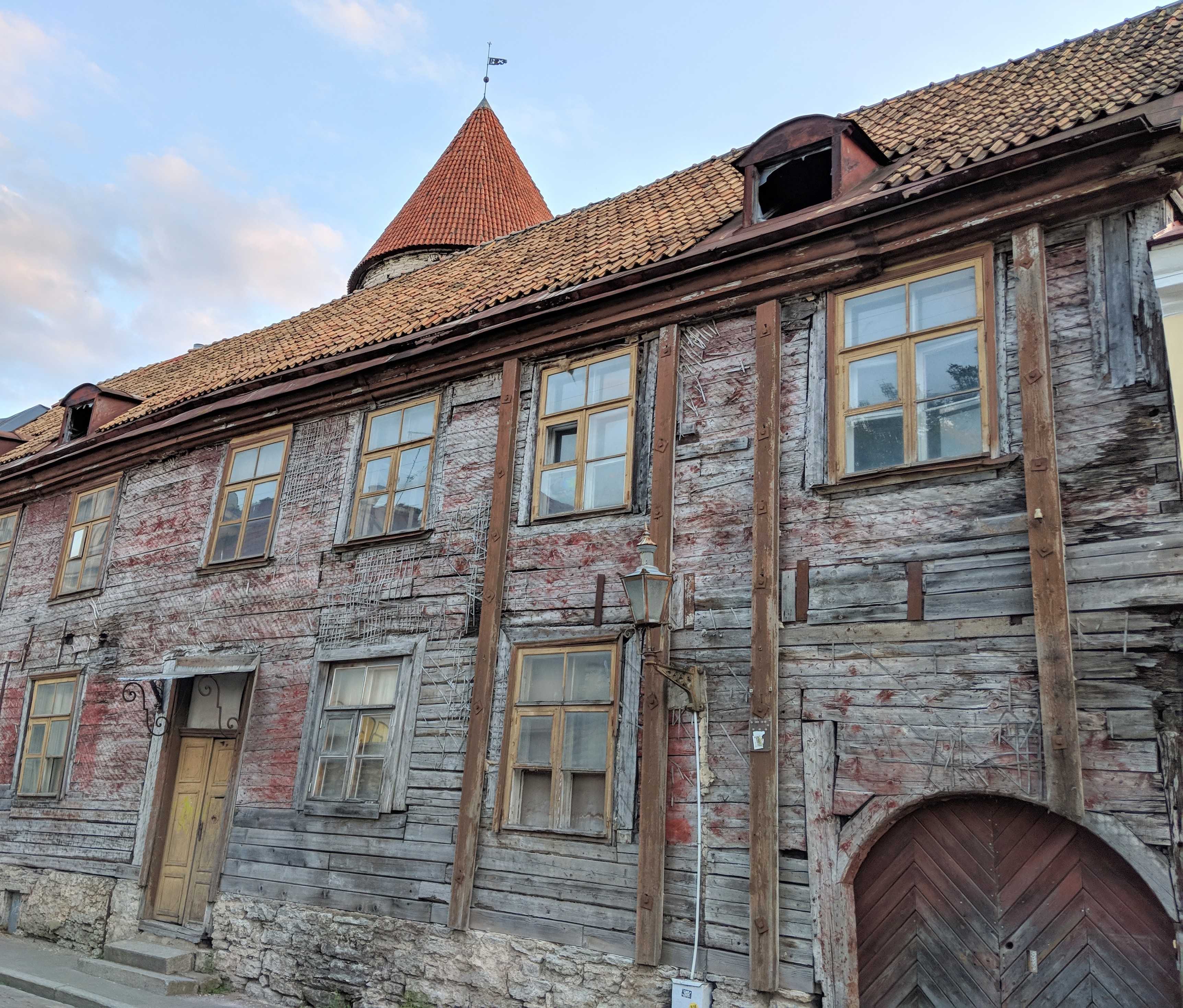
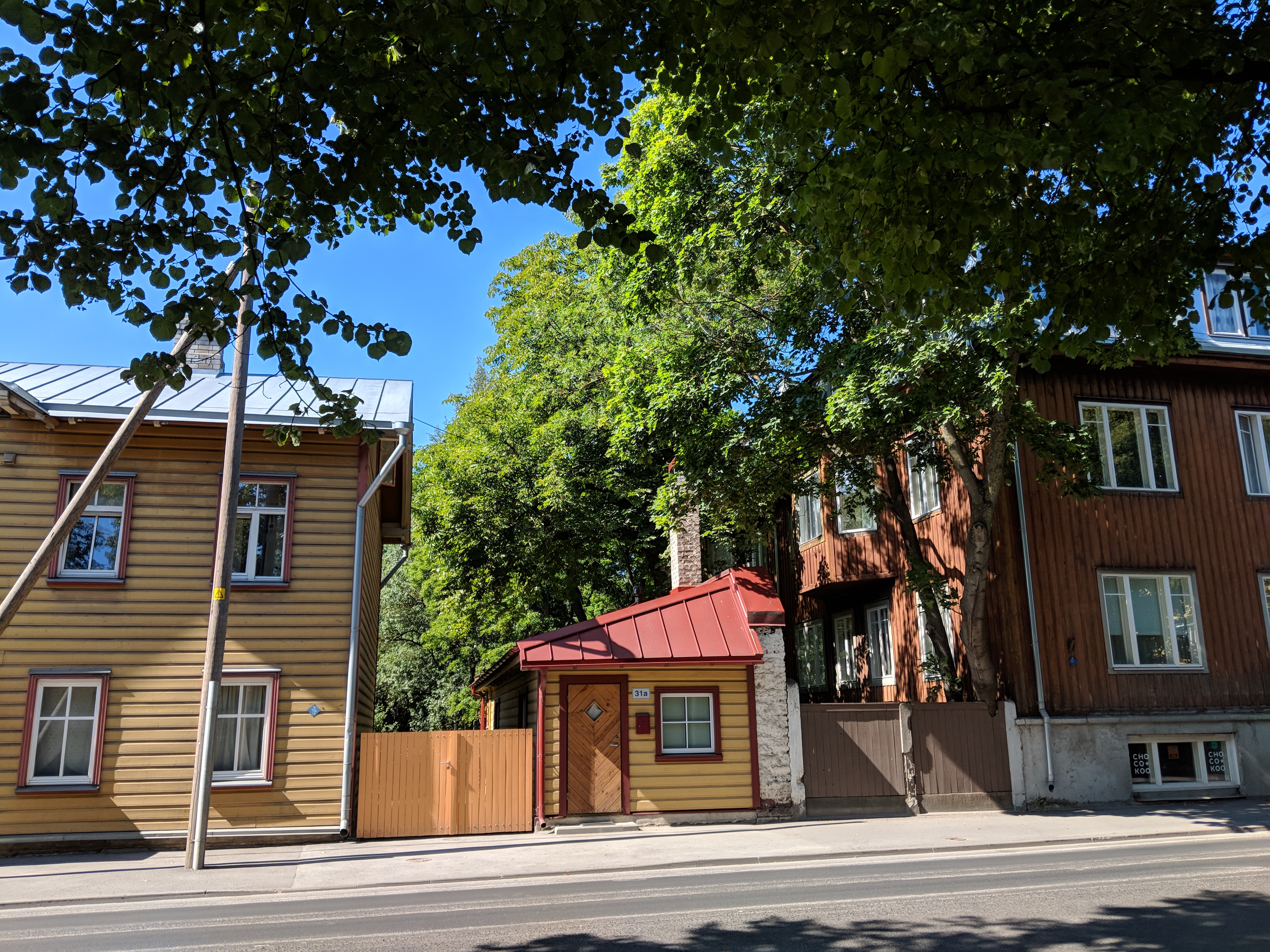
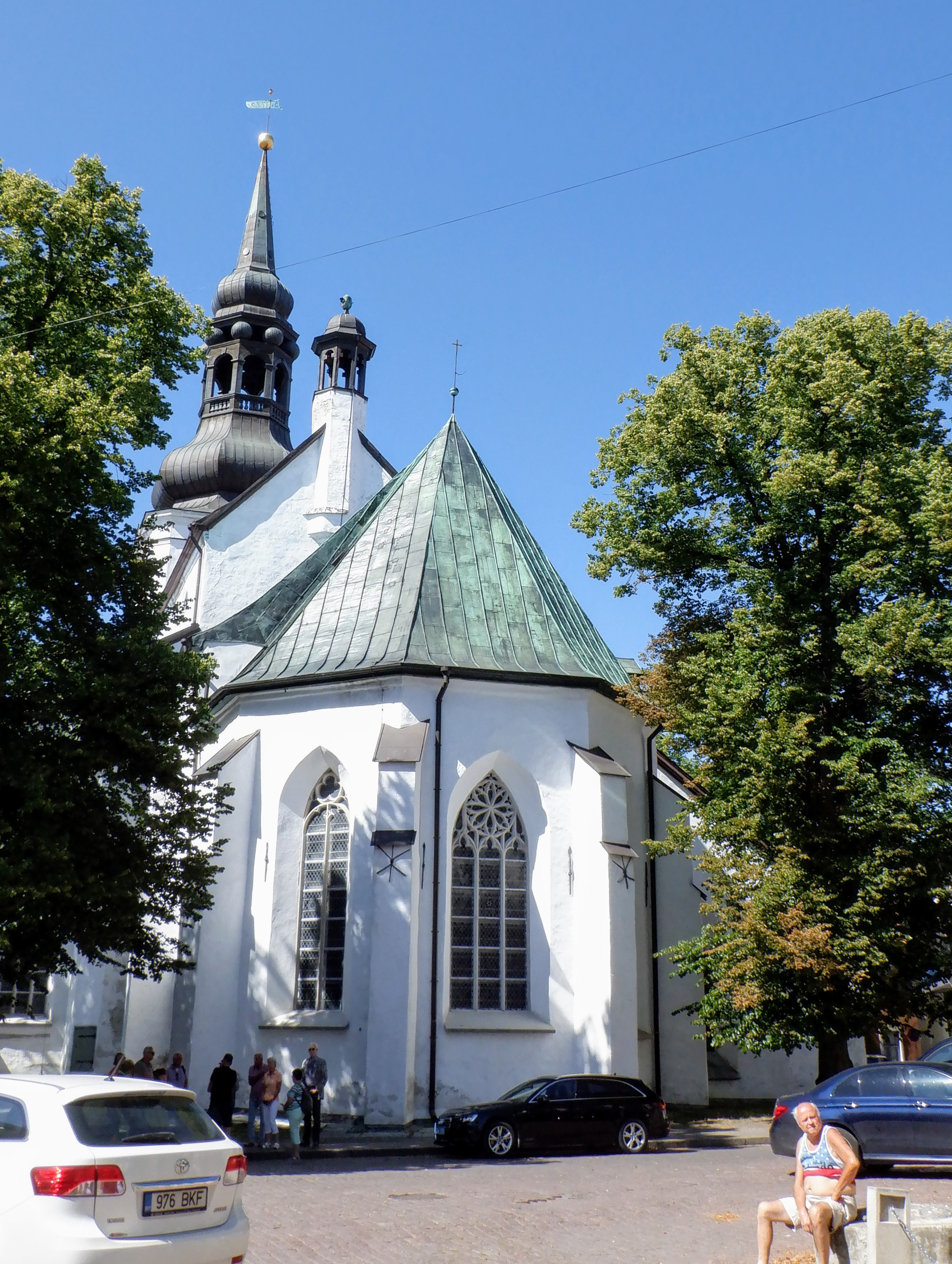
My Airbnb host told me that Tallinn’s Old Town is the most beautiful of all the Baltic capitals. Upon first glance, I could see why she feels that way! I stayed a little out of town in a suburb called Pelgulinn. It was a good spot for exploring anywhere via bus and still being near the sea and a swimming beach, but the suburb itself didn’t hold much charm so off to Old Town I went. My first stop was the Parliament building, built on the site of (and still some parts of) a previously destroyed castle called Toompea which was a major stronghold in the 9th century. The Parliament building is a big, pink, baroque place with very nice cars in the parking lot. Cut to another juxtaposition of architecture, of which I am always in awe, with an Alexander Nevsky Russian Orthodox cathedral directly across the street!

Estonia’s history is relatively short, having been ruled by *intakes breath* the Danes, the Swedes, the Germans, the Soviets, and back again multiple times. At one point, they were able to claim independence when the Germans retreated, only to be taken over by the Russians one. day. later. Sigh. They’ve been a nation since only 1918 and fully independent only since 1991 when the damn curtain fell. All of this to say how surprising it was to see this iconic Russian church right next to the seat of Estonian government. Local reasoning for this is when the Soviets left town (for good?), it cost too much to demolish the behemoth, then when tourism started, they thought ‘hey, people sure do like to spend money on pretty things… maybe it stays!’

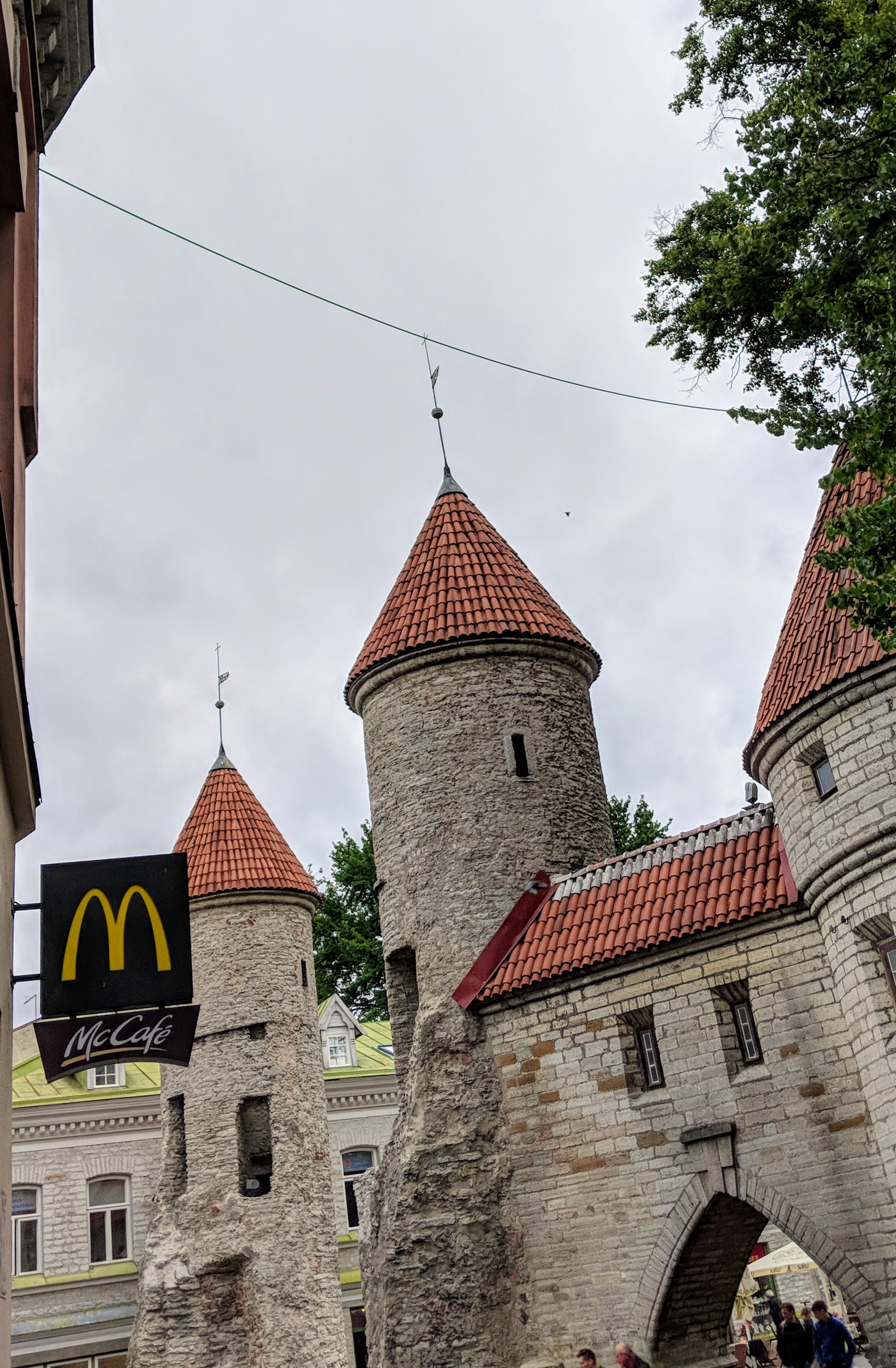
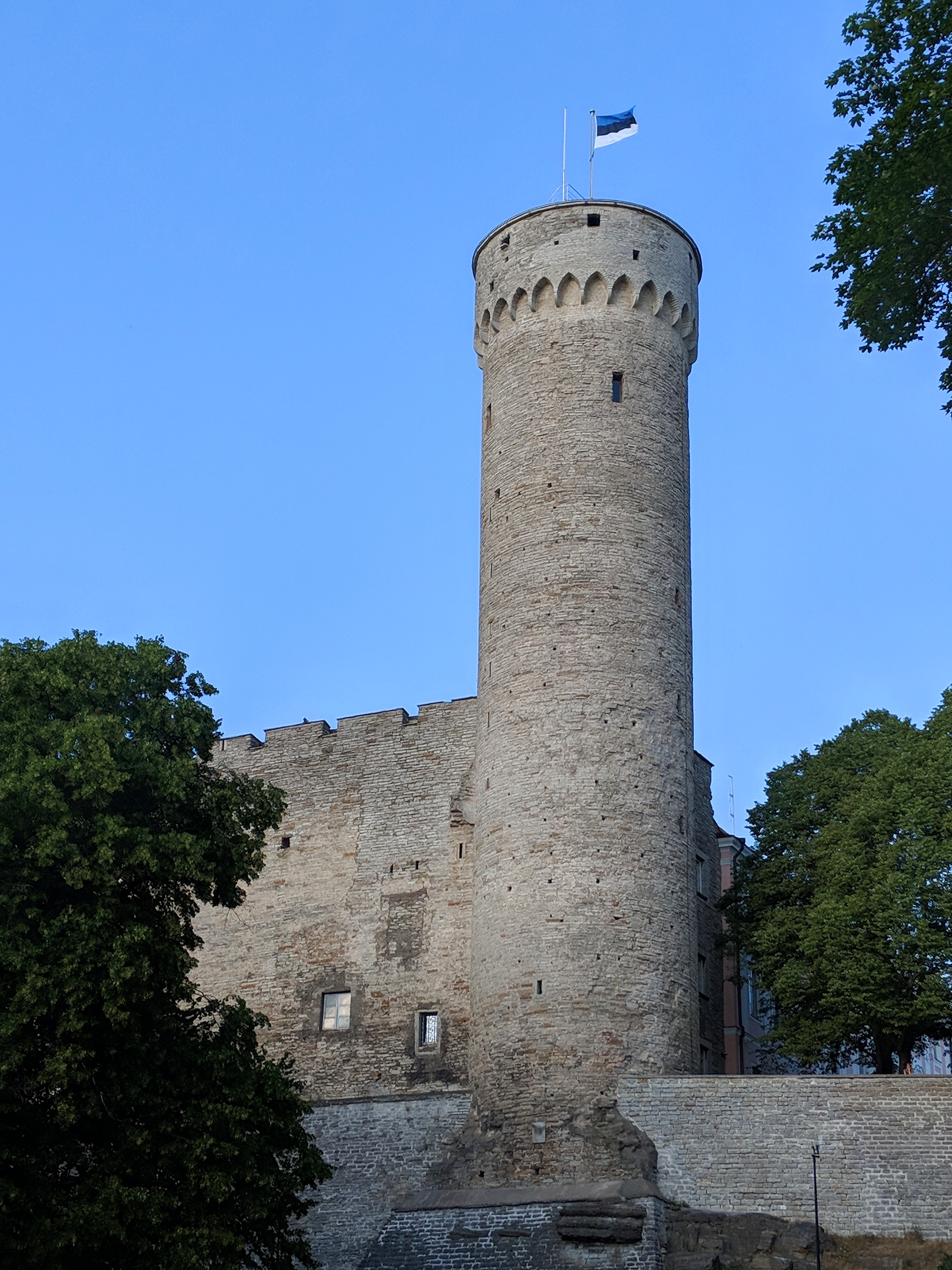
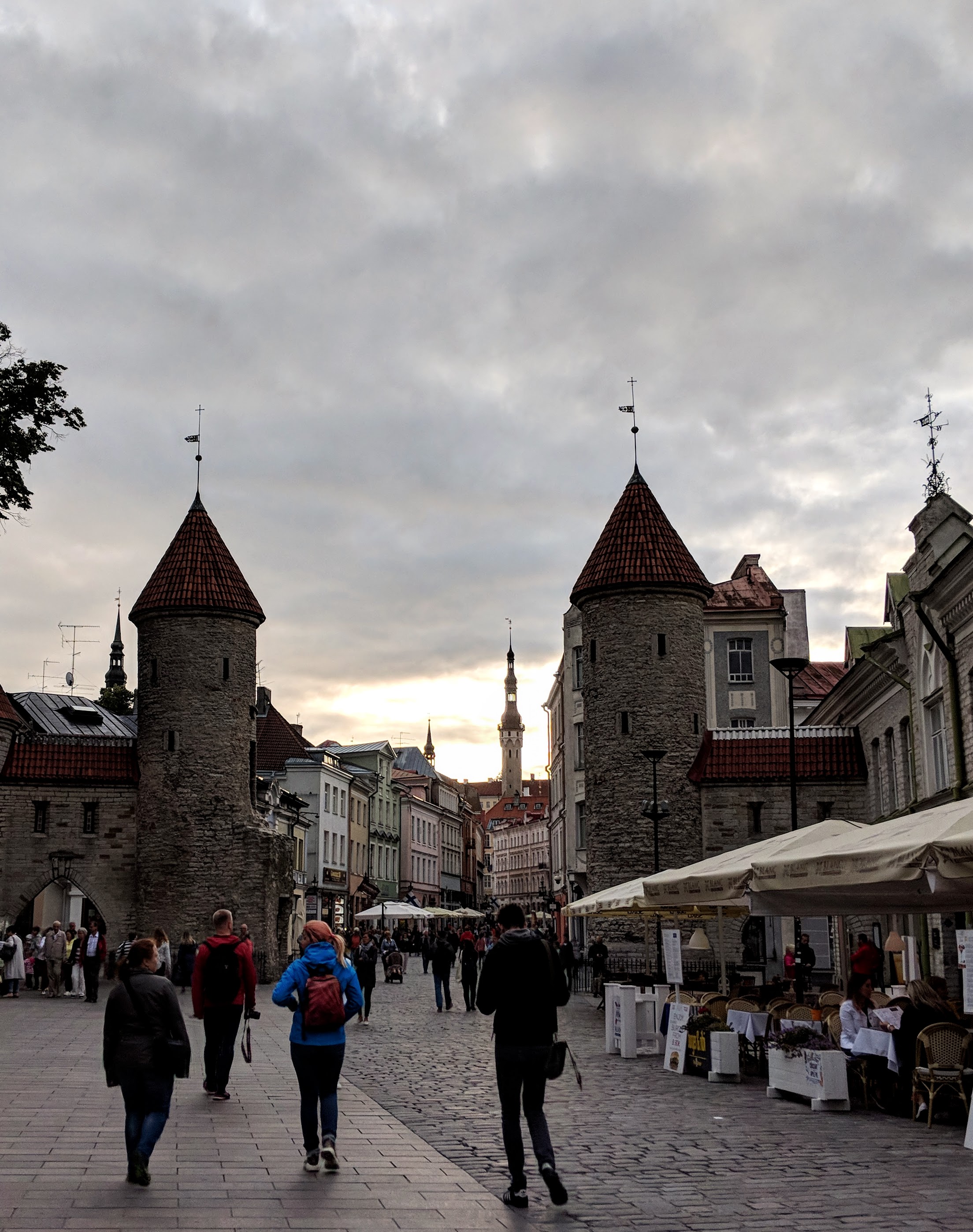
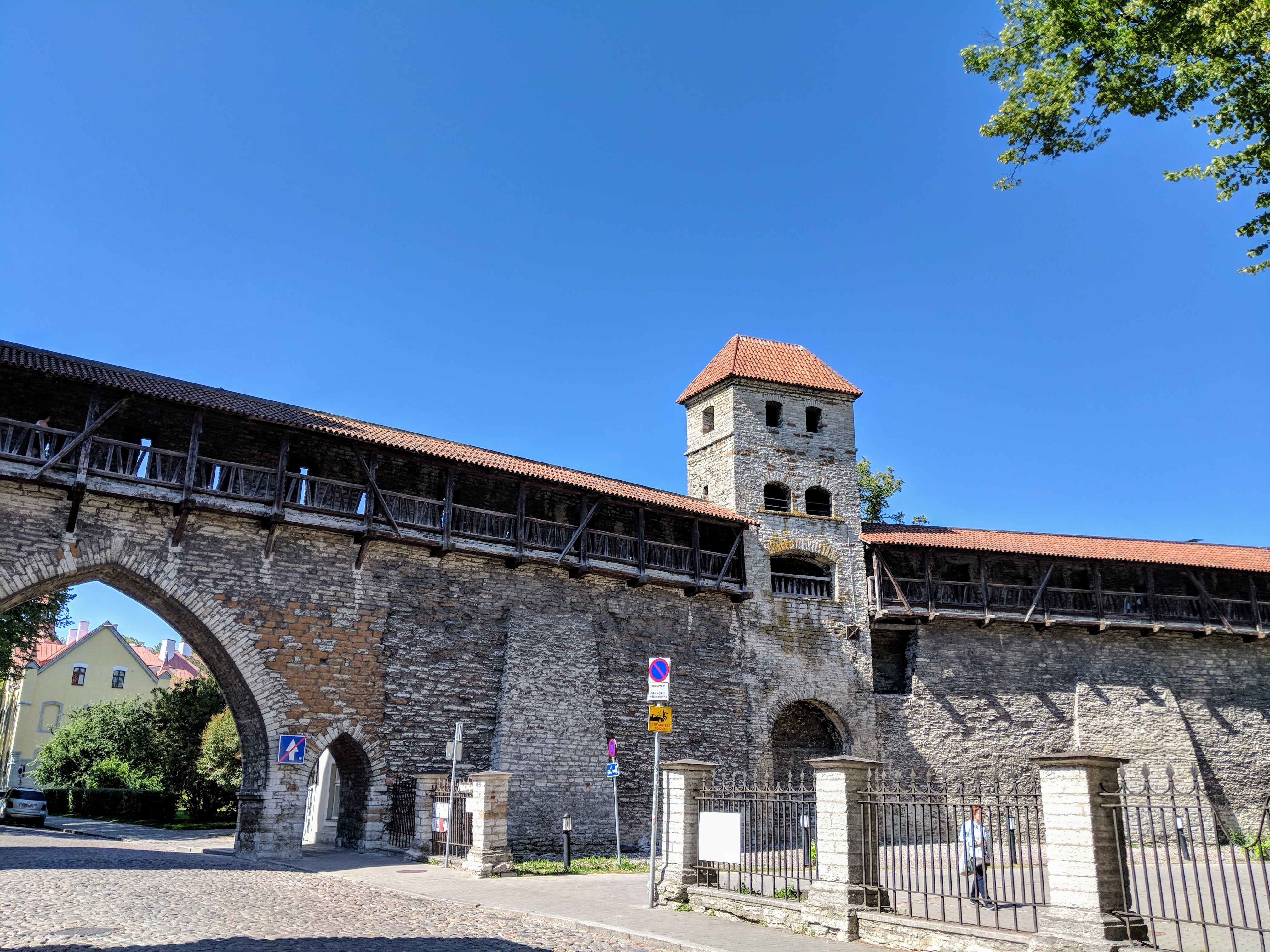
The Old Town of Tallinn is made up of upper and lower town, common among places with similar histories of being the chew toy between greedy nations. There are several remnants of the city walls and towers, including the affectionately named ‘Tall Herman’ and ‘Fat Margaret’ towers. Legend has it that if lovers were out past midnight, they were turned to stone so when Herman and Margaret didn’t quite make it back to mom and pop by midnight, they were turned into these striking towers; one tall and thin, the other squat.

Another claim to fame in Tallinn is that it is home to the oldest-still-working-and-hasn’t-moved-location pharmacy in Europe. There are a couple which are older, but they have been relocated at some point. On the floor of this building is a map rendering the Old Town in the 15th century which could be used today by any tourist without a smart phone. The streets are still the same, but likely less smelly now.

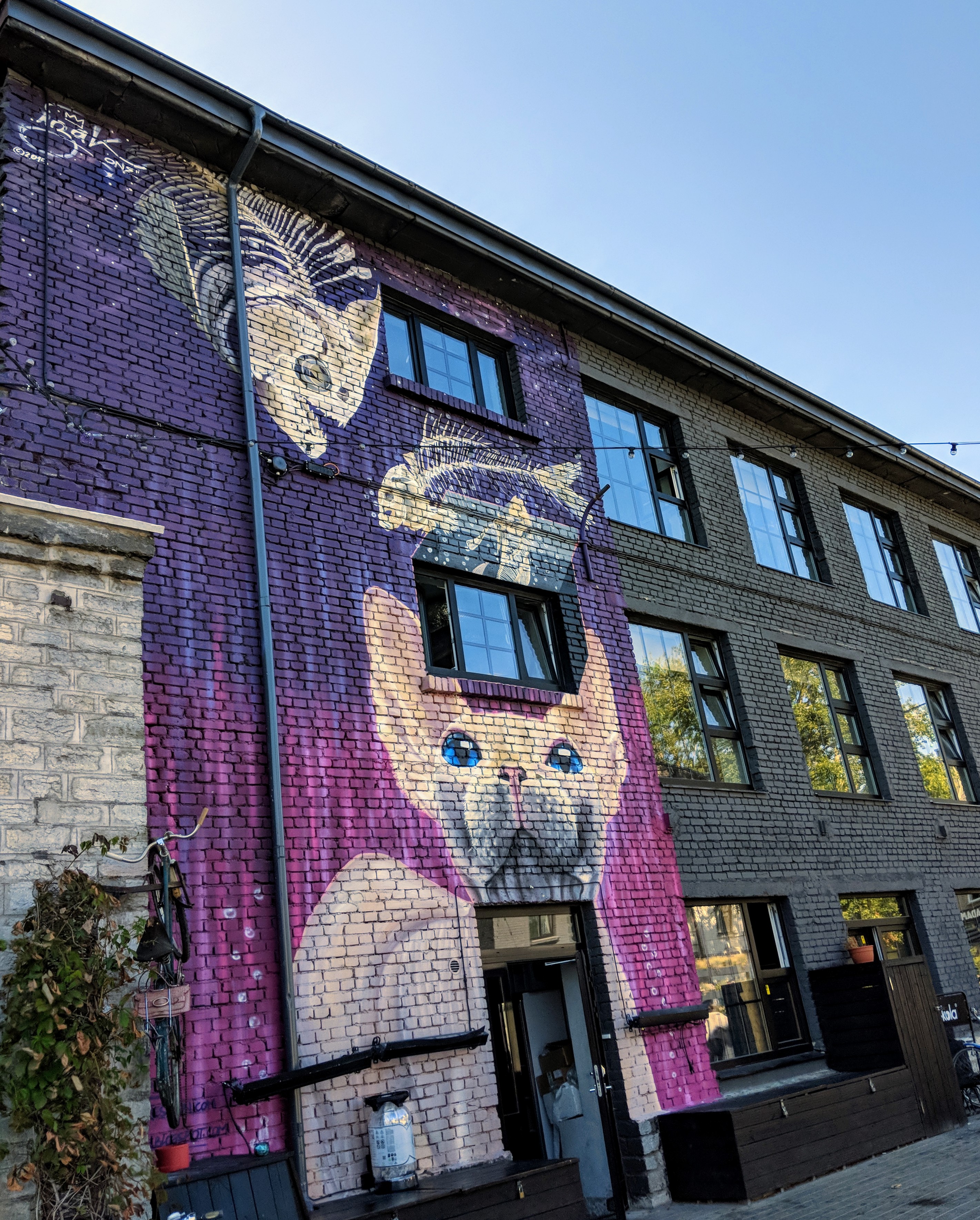
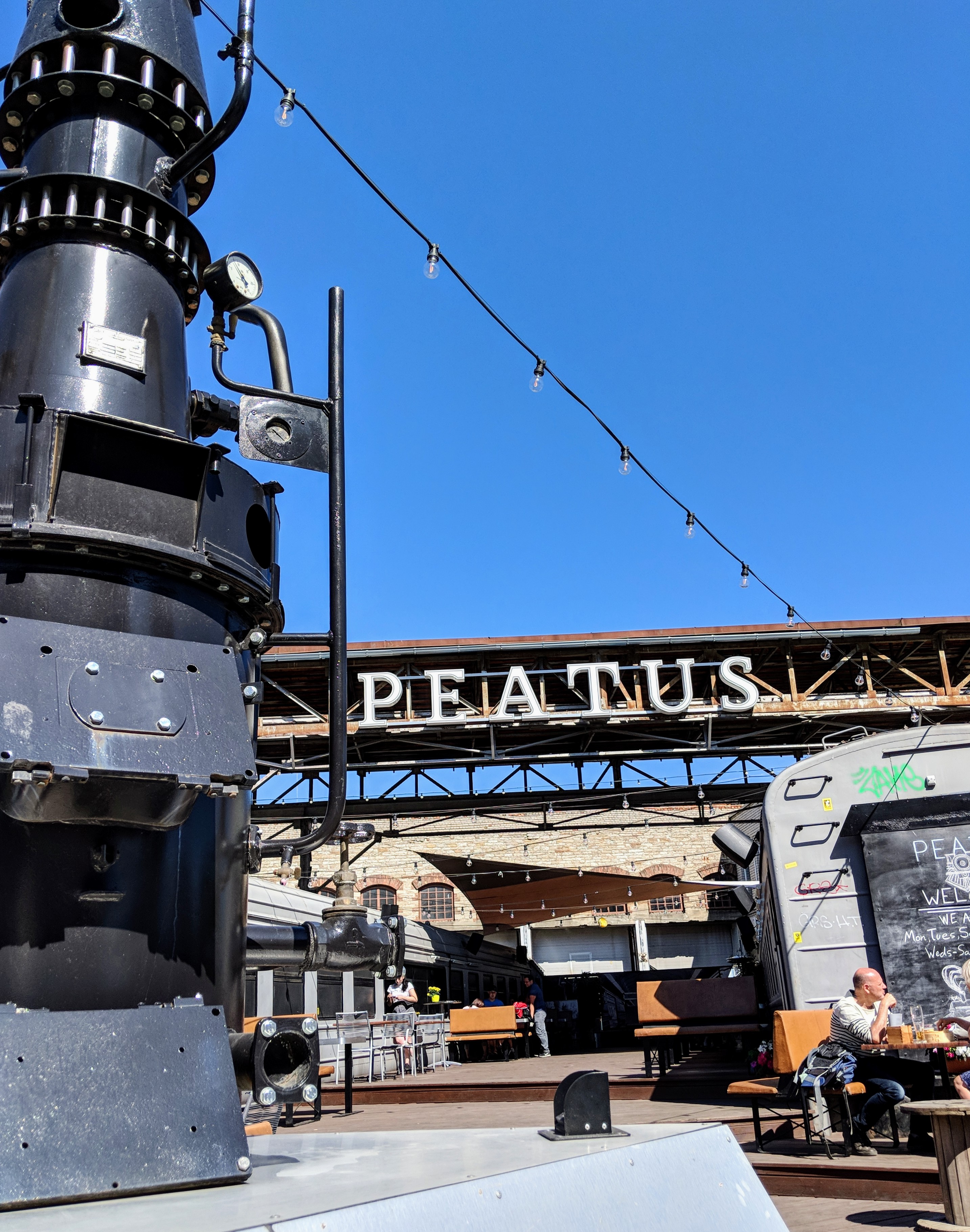
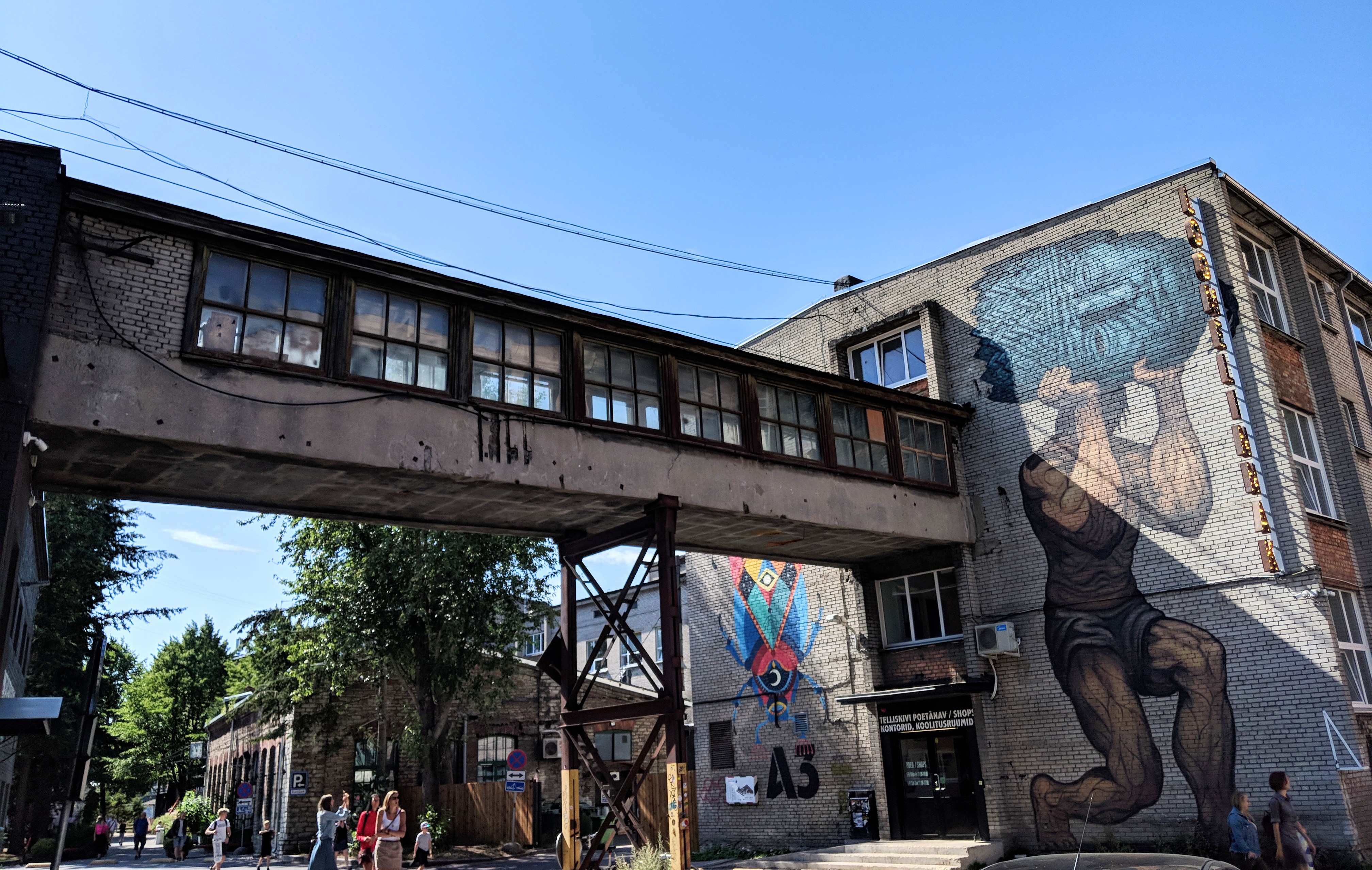
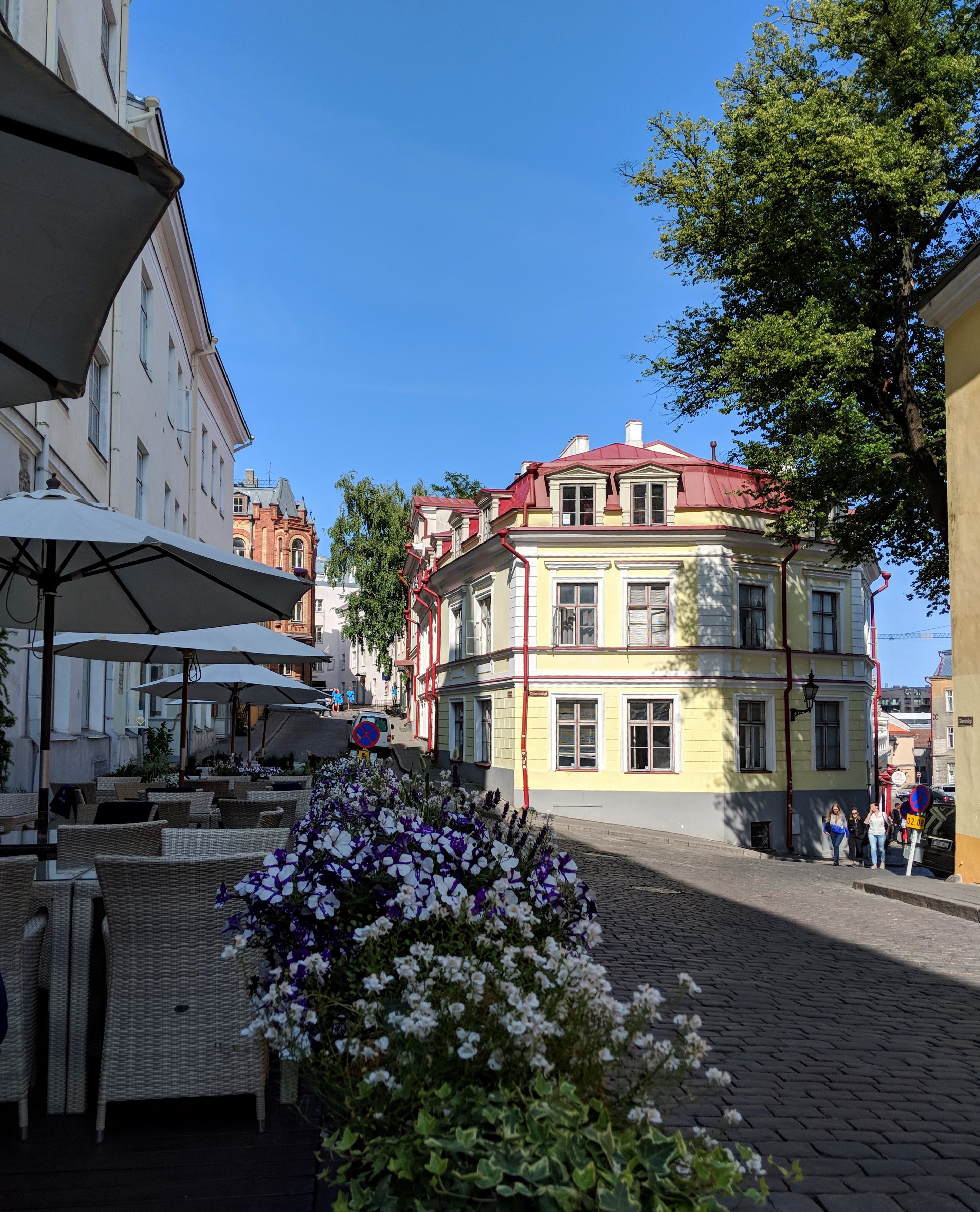
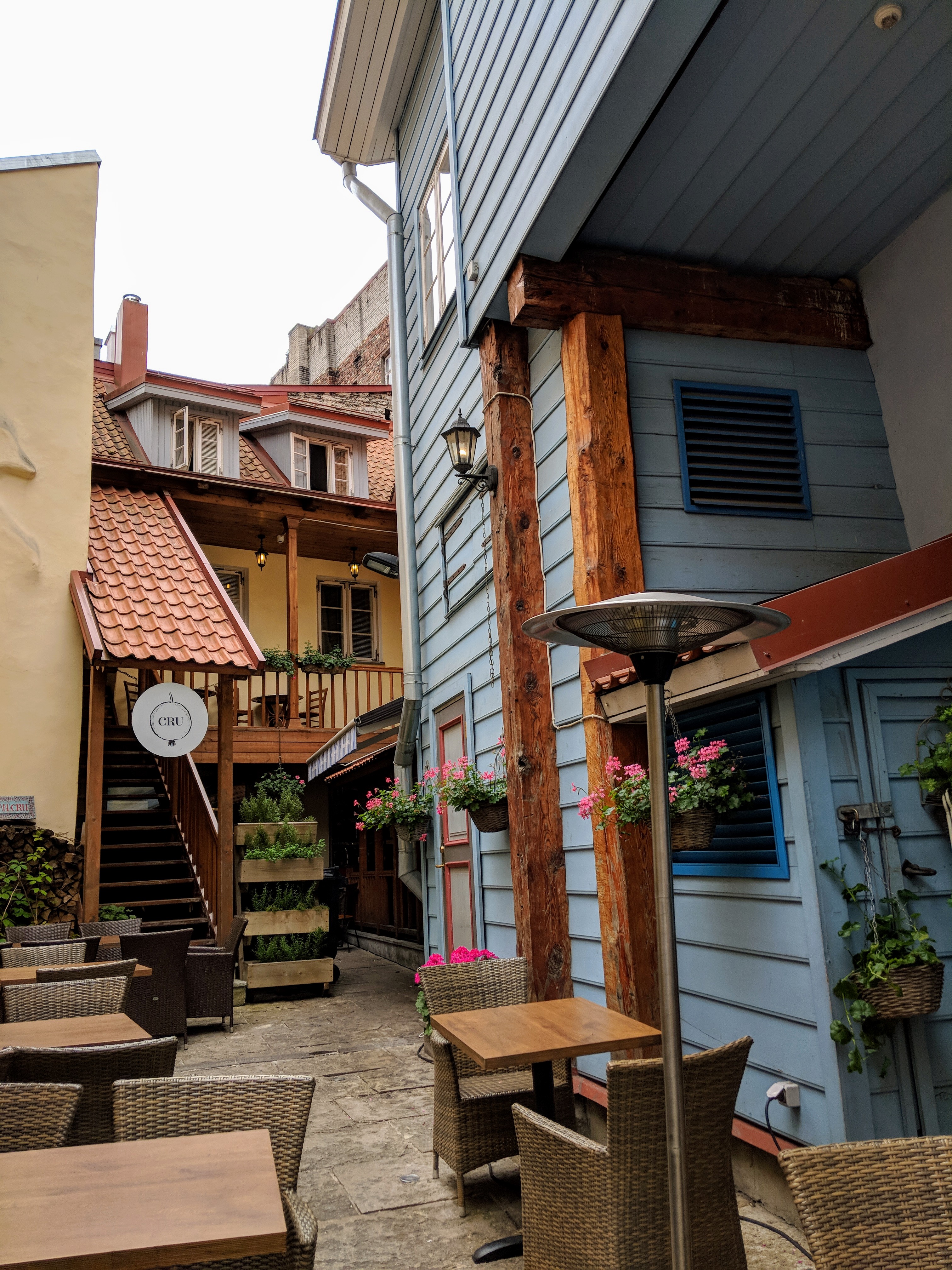
The Old Town is a compact maze of winding streets, narrow passageways, a big town square, and jewels of ambiance secreted away inside beautiful buildings. Having been built on what I can only assume is the only hill in Estonia, there are places to gaze out over the entire town. It was from one of these vistas that a tour guide told us about the Telliskivi Creative Center. It’s an old industrial district that the Estonian hipsters have turned into a funky neighborhood where folks can spend all day drinking, eating, and soaking up the amazing street art and atmosphere. I ate some pretty yummy crepes (called pancakes) from an upcycled rail car in the ‘depot’ area before wandering to look at the uber cool graffiti artfully drawn all around. One vantage point had me looking up to see broken down industrial fences covered with colorful graffiti, backed by glass modern business buildings, with medieval cathedral spires in the distance. It’s in that situation I wish my photography skills were better because, wow.

Estonia is a prosperous country these days, but my impression of Tallinn is that the locals were just as surprised by that as I! Tourism seems to be an uninvited, but pleasant guest to the region. Cruise ships even started docking in Tallinn’s harbor about five years ago, bringing with them hoards of people. From my selfish perspective, this makes me happy because that also means that not only is everything repeated in English, but they also actually have free WiFi hotspots – hallelujah! In every nook and cranny of Old Town, you’ll find some expression of Estonia, creatively crafted to entice us foreigners to visit – be it medieval restaurants with live music and pottery as serving utensils, sleek bars touting Estonian wines, Estonian-Indian food smells wafting out to catch your attention, or the myriad chocolate shops intent on providing an Estonian theme with their chocolate bars filled with peat from the bogs or made from Kama, an Estonian flour mixture which tastes amazingly like chocolate. Outside of Old Town, you’ll find many of the big brand stores for locals and tourists to shop designer.

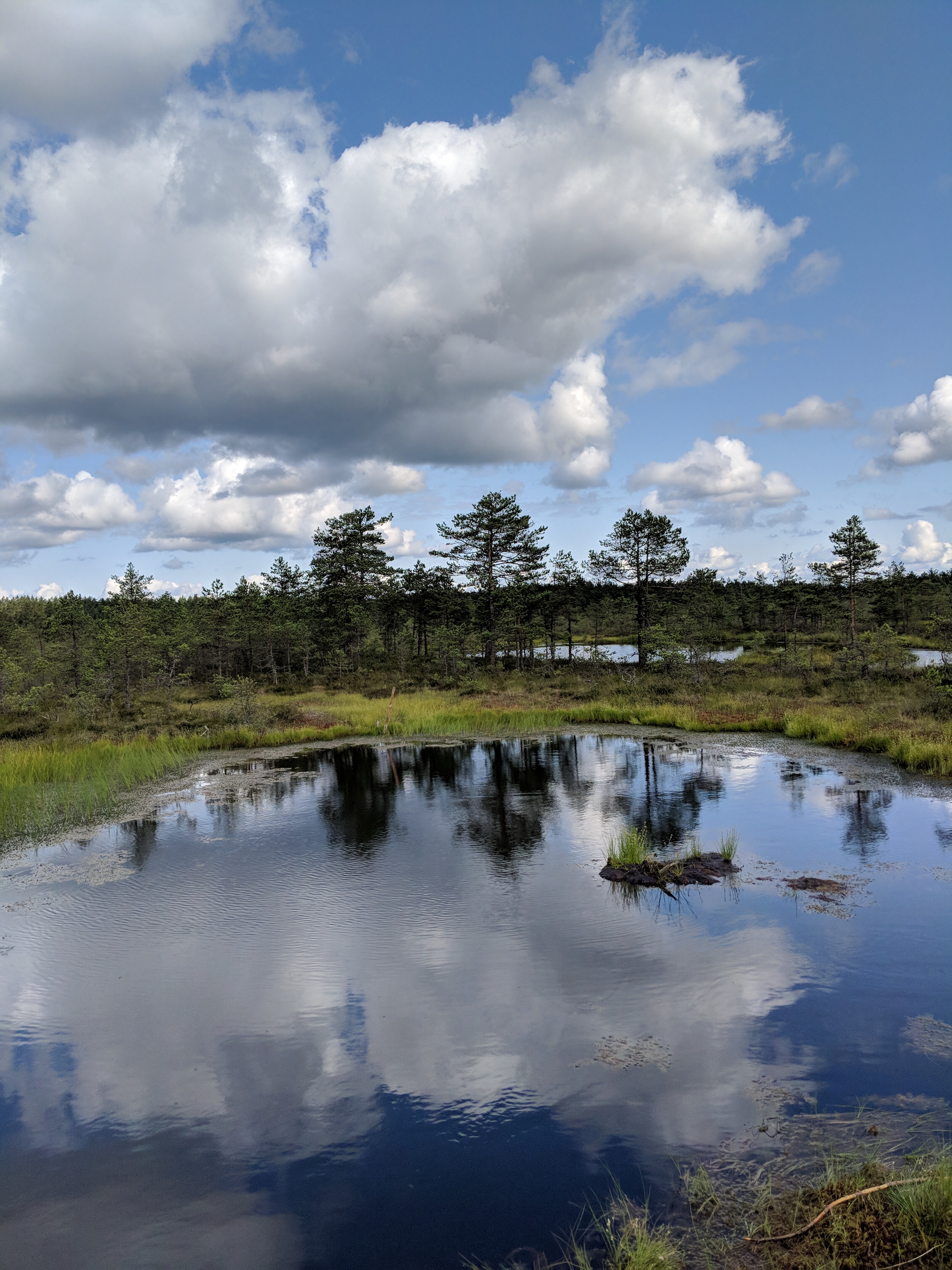
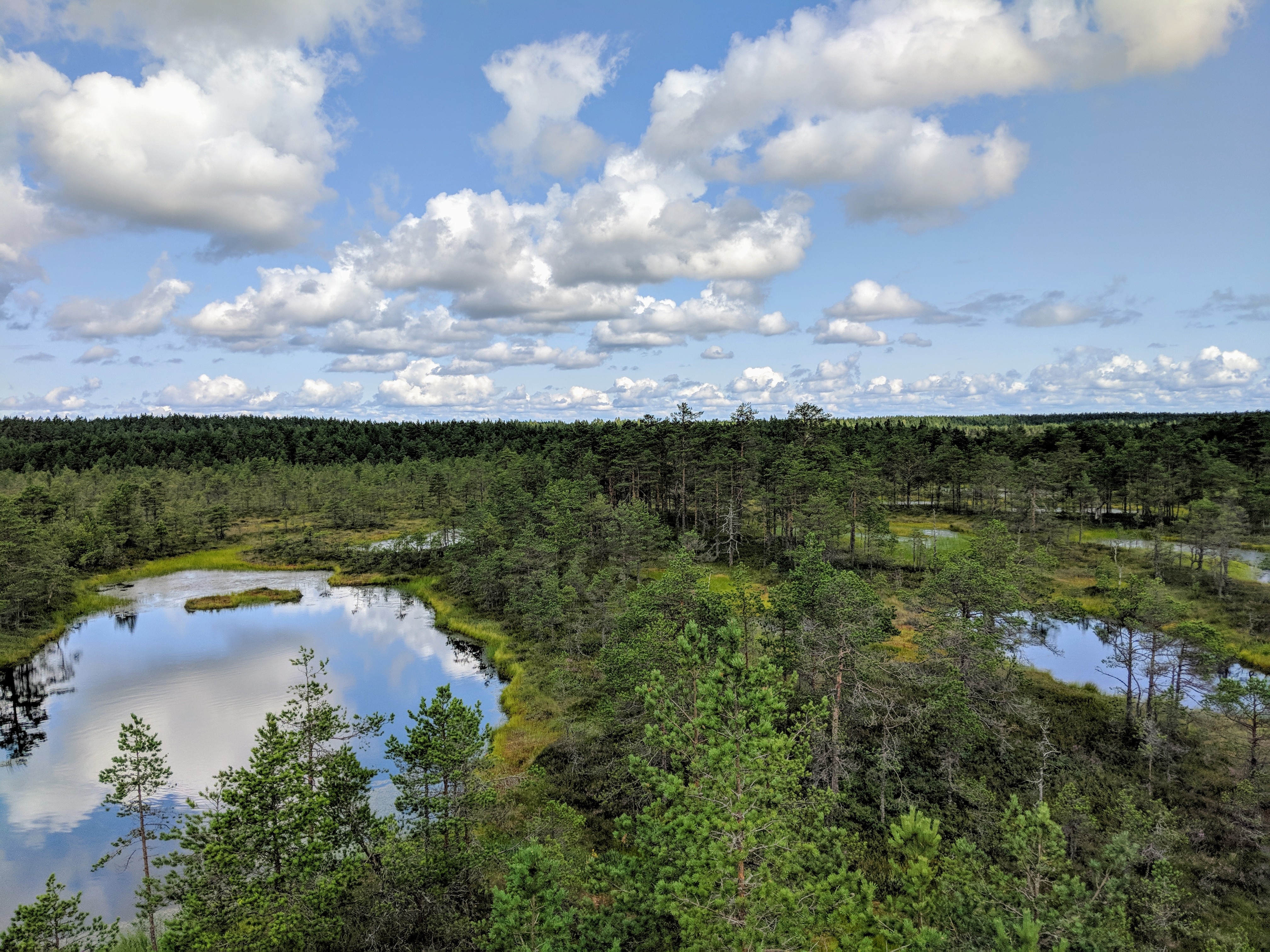
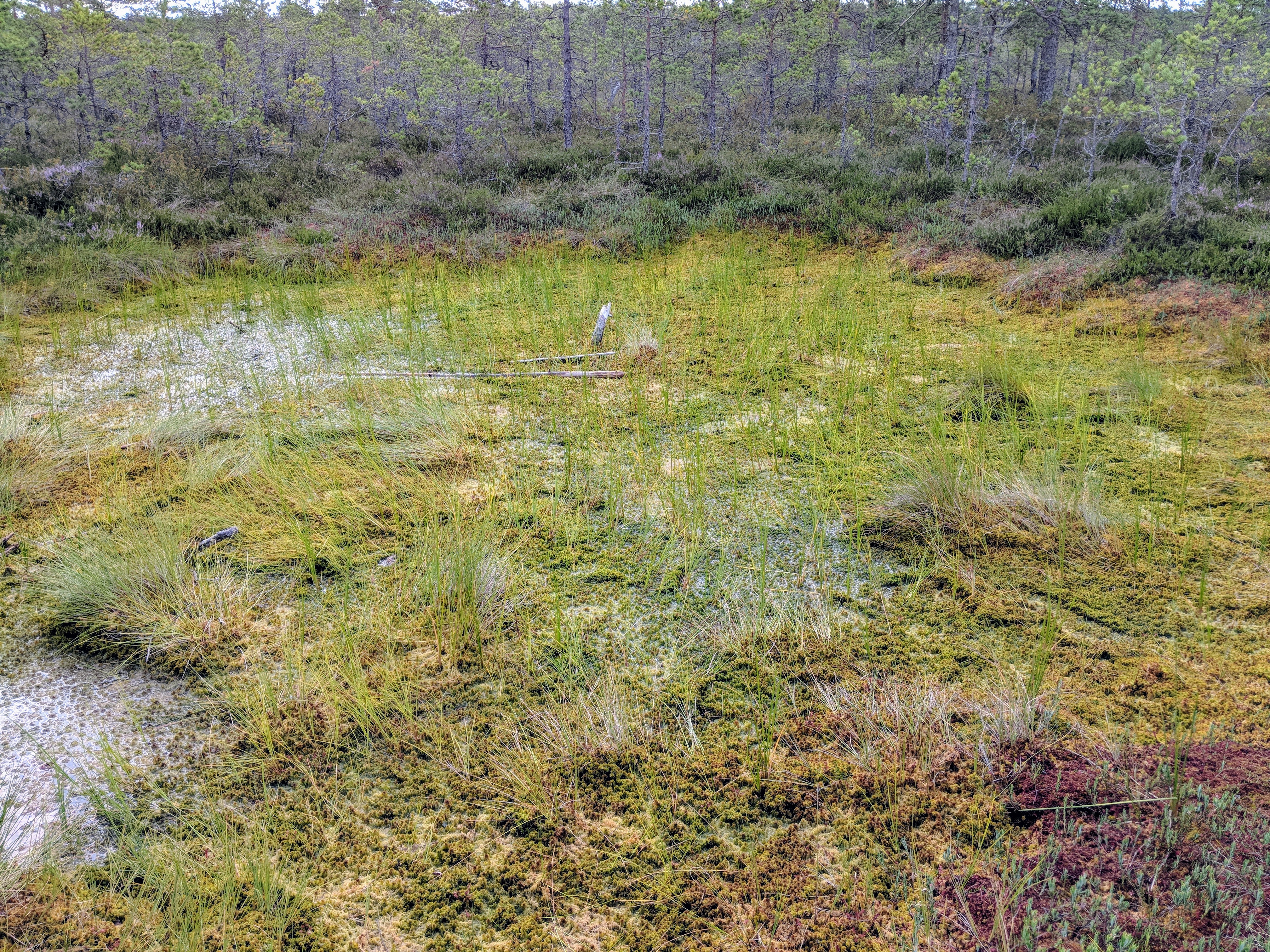
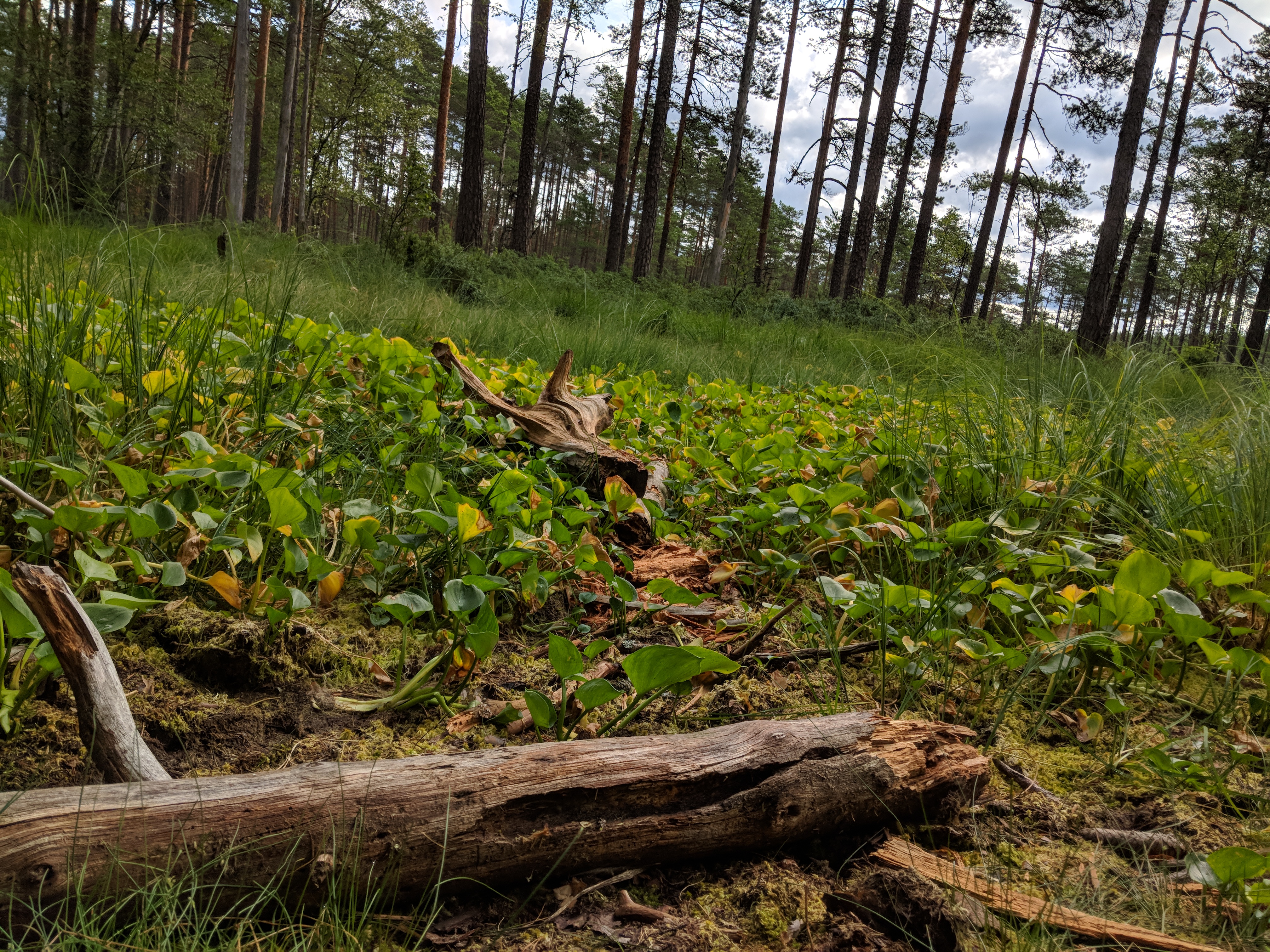
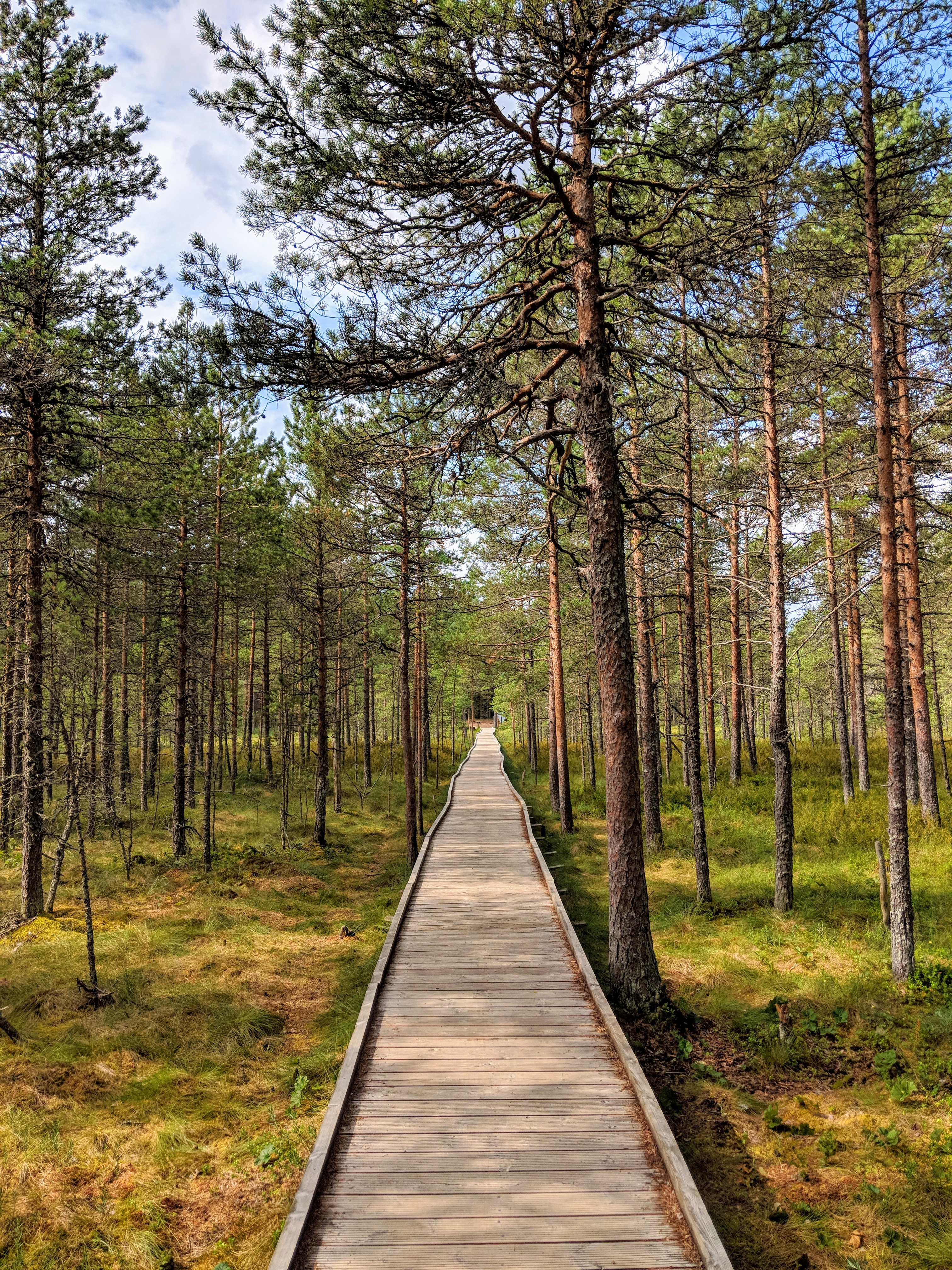
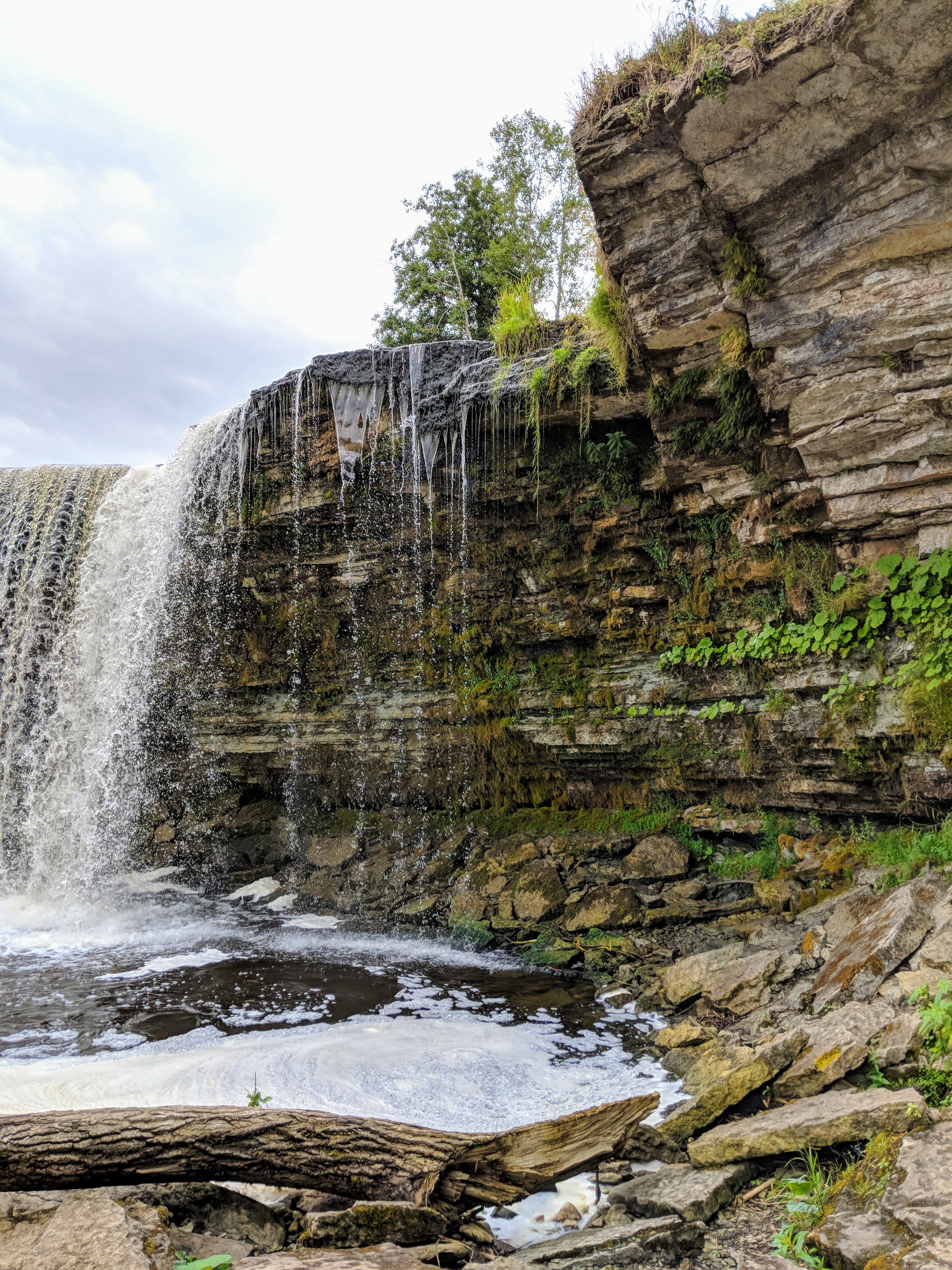
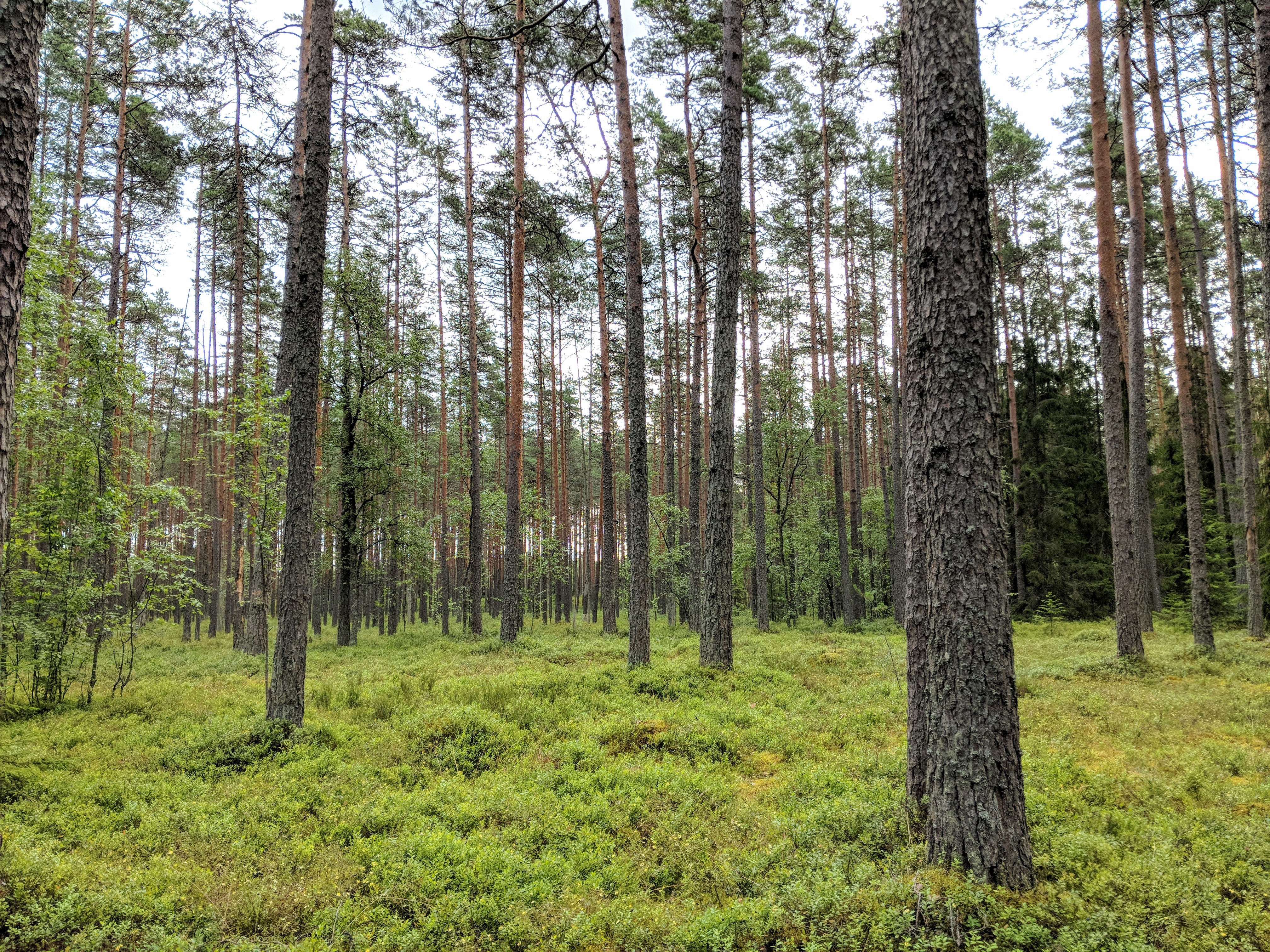
I took advantage of a tourism tour to the Lahemaa National Park up north and can see that although Estonia is embracing the influx of people, they still have a ways to go in highlighting the region in a repeatable manner. Our guide was an absolute nature lover, obvious in the way he lit up when we stepped into the forest and later, the bog. He instructed us on the flora and fauna of the region with adoration in his eyes. The Baltics are flat and Estonia is no exception, so one can see the dedication it takes to become an expert navigator in the lush woods with nary a landmark to be found. Even the waterfalls aren’t tall enough to be dangerous were a person to hurl themselves over without a raft. Unfortunately, that’s where the delight ended. In more matured tourist areas, the guide would be animated with stories of the region, snippets of history and local culture, and site stops carefully selected to seduce the foreigner with their charms. Alas, this was not the case. What I can tell you from this trip is that the bogs are an amazing and fragile ecosystem, growing a plethora of organisms at a rate of only .02″/year. Being the dry season, our bog was less spongy than in spring, but we still got a chance to witness things like kill zones; ponds within the bogs that very quickly go from walkable sponge to swallowing an entire human within mere inches (think wet, green quicksand). There were also several beautiful small ponds left behind by the lake who retreated so many moons ago, creating this bog. These little lakes are popular swimming sites, though anyone with an appreciation of nature would recommend sealing them off from the public for fear of ecosystem degradation. There are bog trekking tours where folks don bog shoes, reminiscent of snow shoes (and double as such in the winter), to explore the vast bog regions. It’s hard to explain the smell of a bog; though you might think (wish) it smells like a well crafted, smoky whisky, you’d be wrong. It’s… fresh. It’s… earthy. I can’t recreate it for you, so I’ll quit trying. Coming from the wonderful world of green, myself, I was happy just being in this fascinating place.

Fishing used to make up much of the Estonian economy, but when the Soviets retreated, they left a lasting gift of chemical barrels in the sea. These chemicals in a sea which recirculates at a very slow rate, have rendered the harbors unsafe for wildlife these past 30 years.
Having such a recent history with Russia, 25% of Tallinn is made up of folks who are, speak, or identify as Russian. Much of the culture in the city still caters to those remnants, though Estonians would prefer to team with other post USSR countries since those allegiances align a little better. Being the adaptable folks they are, though, it’s understood that the people aren’t the problem, but the politics, so they find ways to get along and obviously, prosper together. Another result of such recent conflicts is the mandatory military service all male Estonians are required to participate in. Each man is required to serve an 8 or 12 month enlistment in the military where they learn the basics of defense. The service may be delayed by up to three years due to certain circumstances, but it is definitely mandatory. There is, of course, voluntary military service in which some men choose as a career and women are allowed, though the women’s focus is not just fighting, but also defending homestead life. Once the basic training has been completed, the government reserves the right to call these individuals to defend the nation until they reach the age of 60.

One thing most Estonians won’t fight for is religion. The country is notoriously anti-religion. As an example, in a city of 400k folks and Catholicism being its third largest theology, when the Pope visited, only about 6k folks showed up. The main reason that Lutheran is even the country’s documented faith is solely because back in the day, you couldn’t become a city without being Christian. You’ll hear the bells ringing for services throughout town on Sundays, but you will see no mass congregations of church dresses and suits.

I felt as though I could easily stay in Tallinn for much longer. Even though the food is largely adapted from other cultures, it is delightfully yummy, the weather is perfect for a Pacific Northwest girl who hates the heat, and the variety of things to do could keep me busy for weeks (I regret not having been to a boxing match. Not!). I barely had a chance to understand exactly where to get off the bus; the stops are not published on a lit sign inside and the habit is to call out not only the very next stop, but also the stop after, so my ears still had some adjusting to do (I’m sure my mother believes that will always be the case). In addition, the Finno-Ugric language of Estonia is one sprinkled very liberally with vowels. It would take me months to master even the smallest of phrases, so I better go before they start expecting me to do just that! There is still much of the world to see and I’m excited to compare the Baltic capitals to see if I share the views of my Airbnb host!

Stockholm Summary

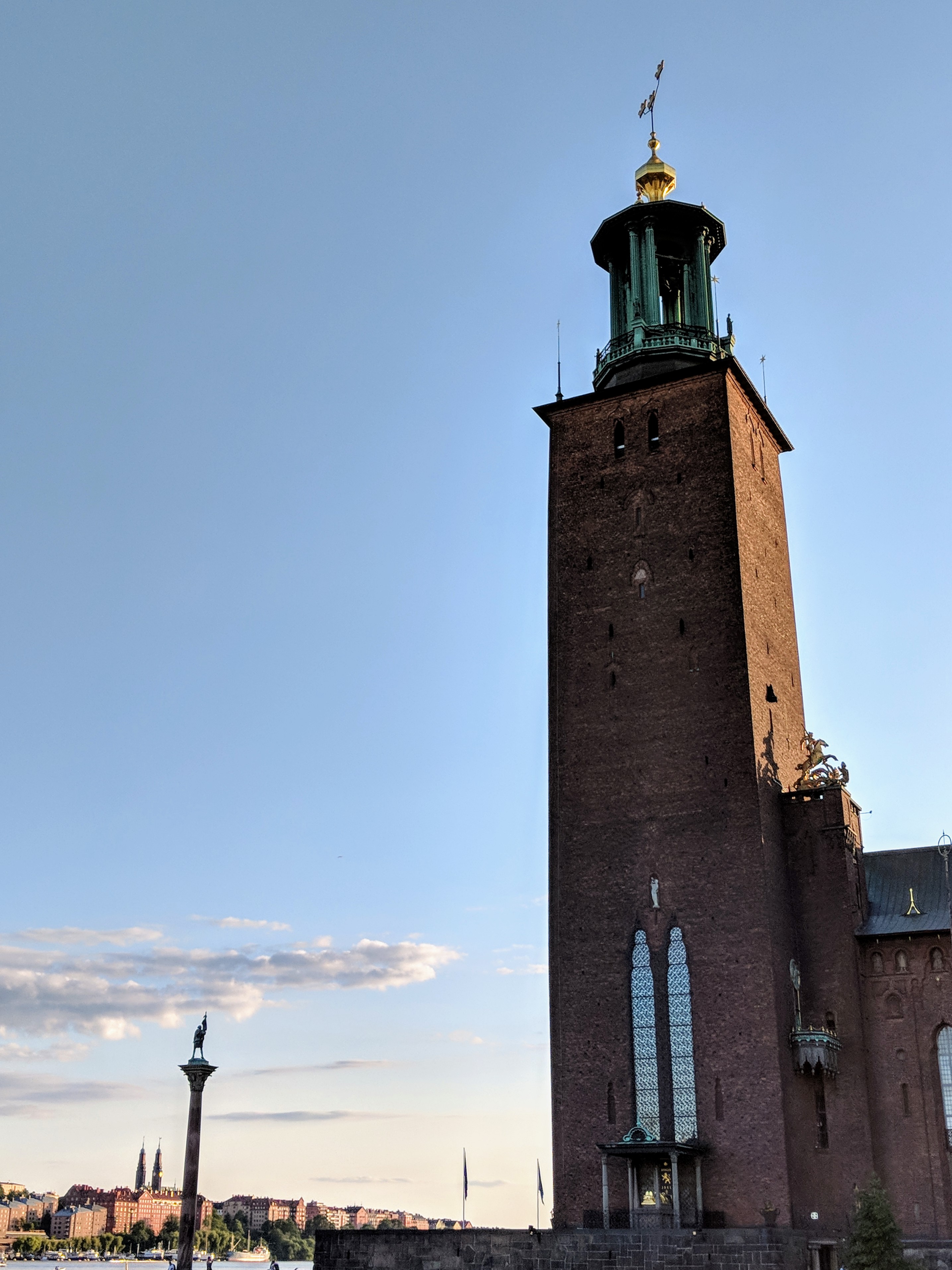
Stockholm was a comfortable place to start my journey, being so similar to places back “home”. Because of that, though, it’s been a little harder to get to gettin’ on this blog; below is a summary of the highlights of my visit, enjoy!

What I LOVED

Me!

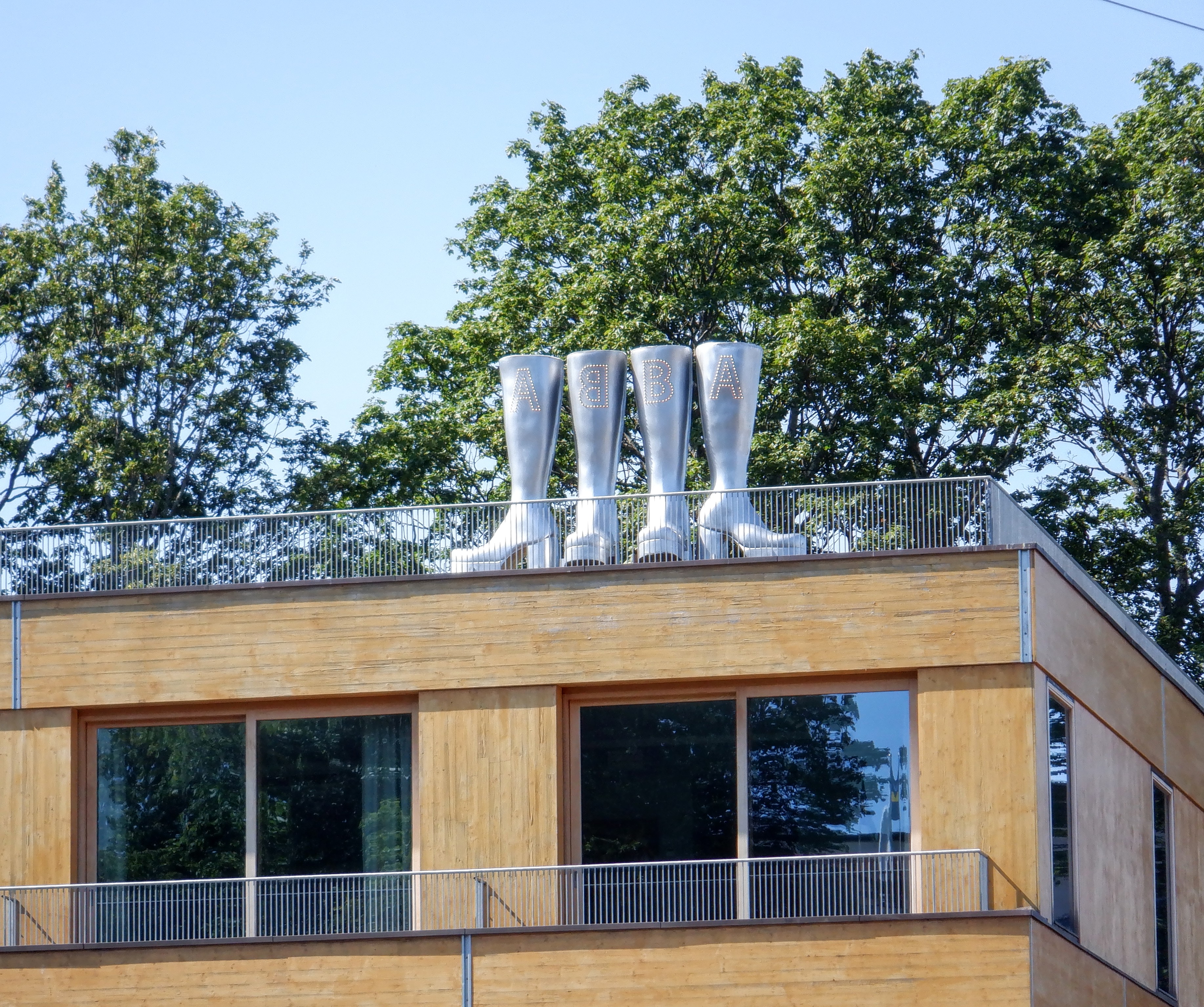
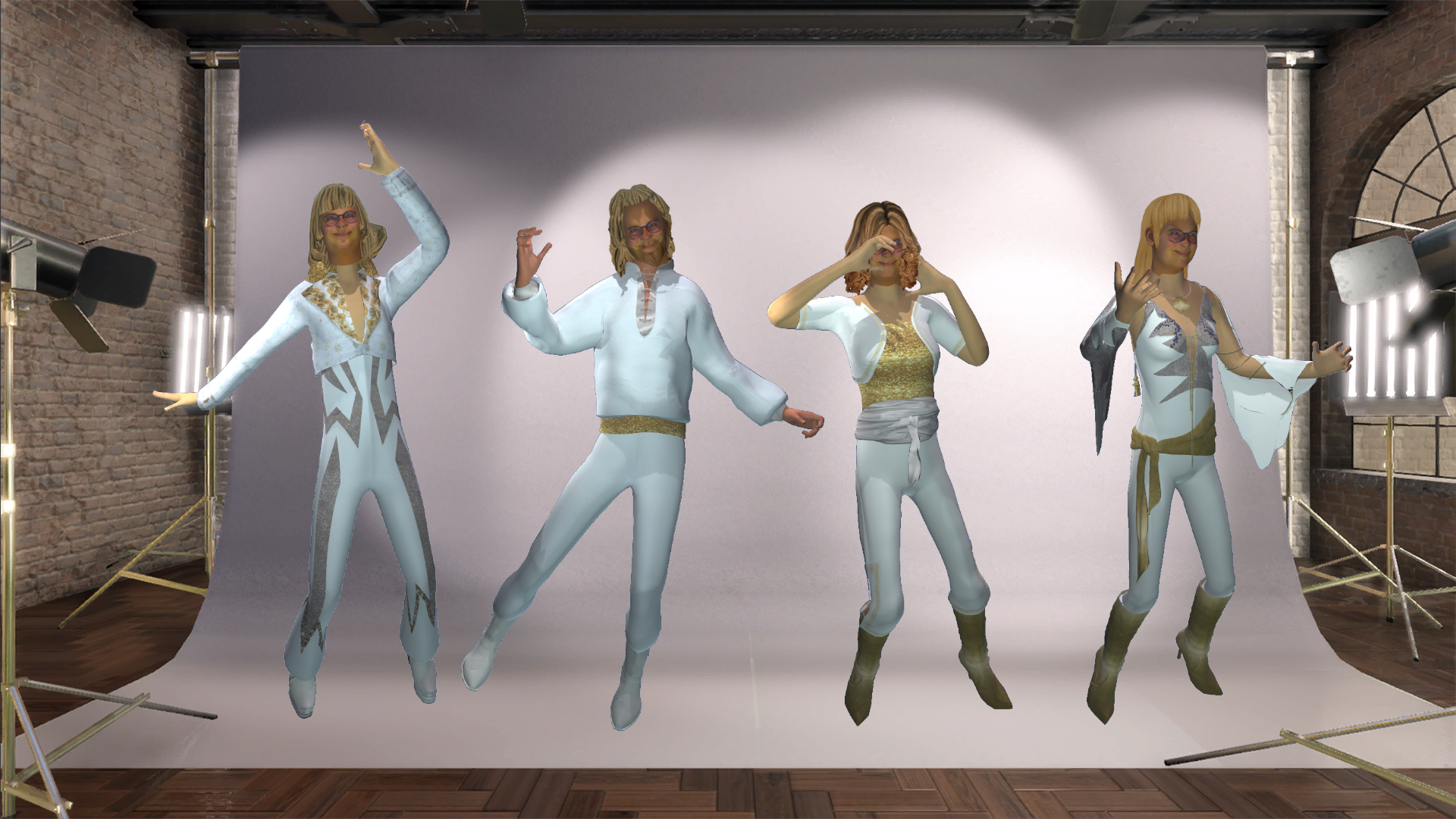
The ABBA Museum. I would never have put this place on my bucket list, but while I was on the island Djurgรฅrden one morning, meaning to walk through the green covered plat and sit with my Stockholm planning guide, I noticed the ABBA Museum staring me in the face and having just opened, there were very few folks darkening its doors. Woot! In I went in honor of the bestie, for her up-until-then inexplicable love of the band. What a great museum! It prides itself on being interactive and interactive, it was! I had a wonderful time with the other tourists, reading about the band’s history and life then trying my hand at various talents the museum has to offer. I attempted (and failed) to mix a track as the producer would, sing a song, dance to a music video, and generally laughed a lot at the others who braved getting on stage behind a virtual ABBA to replicate their movements in concert. It was a treat. The ABBA Museum. Who knew?

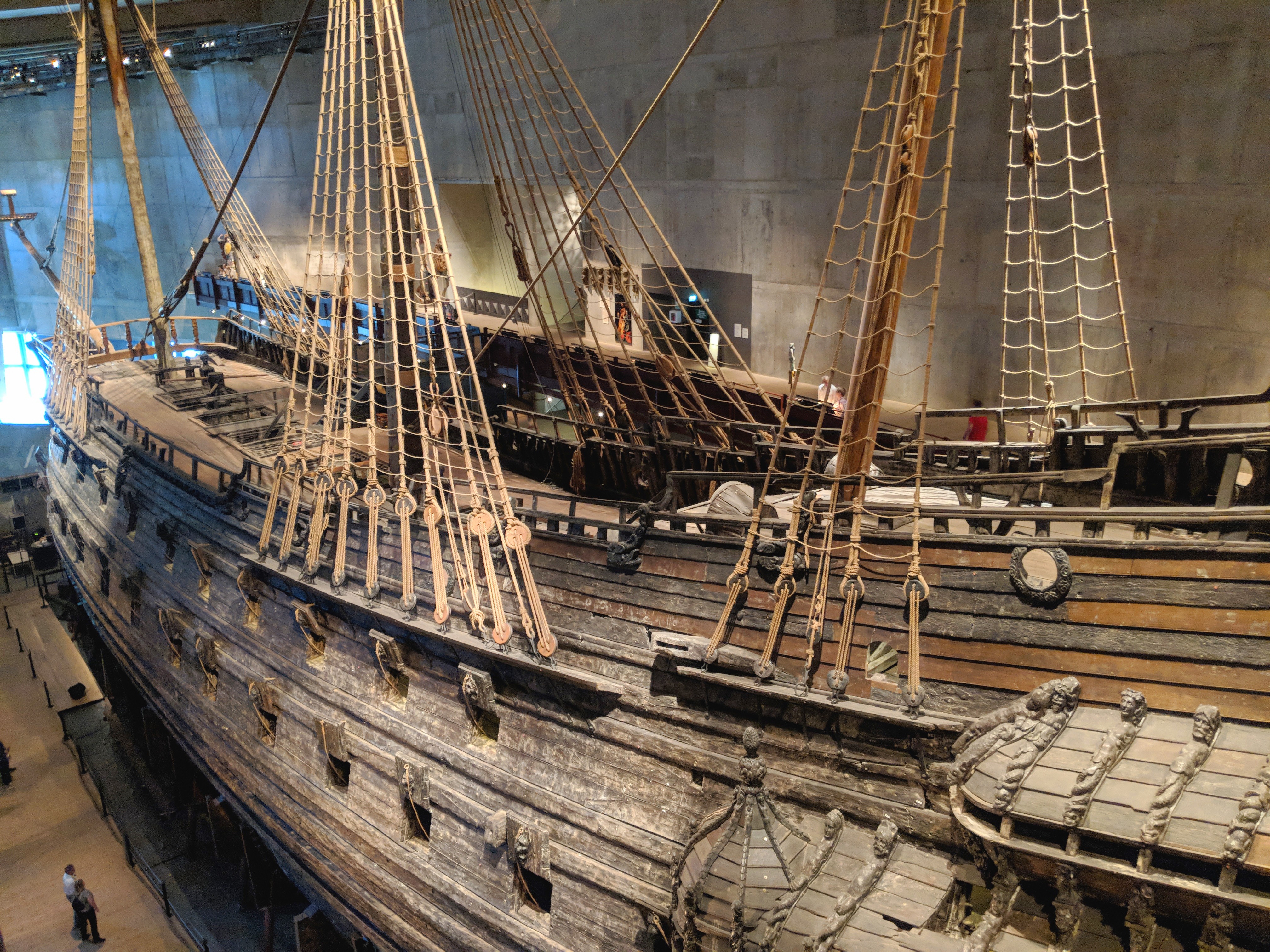
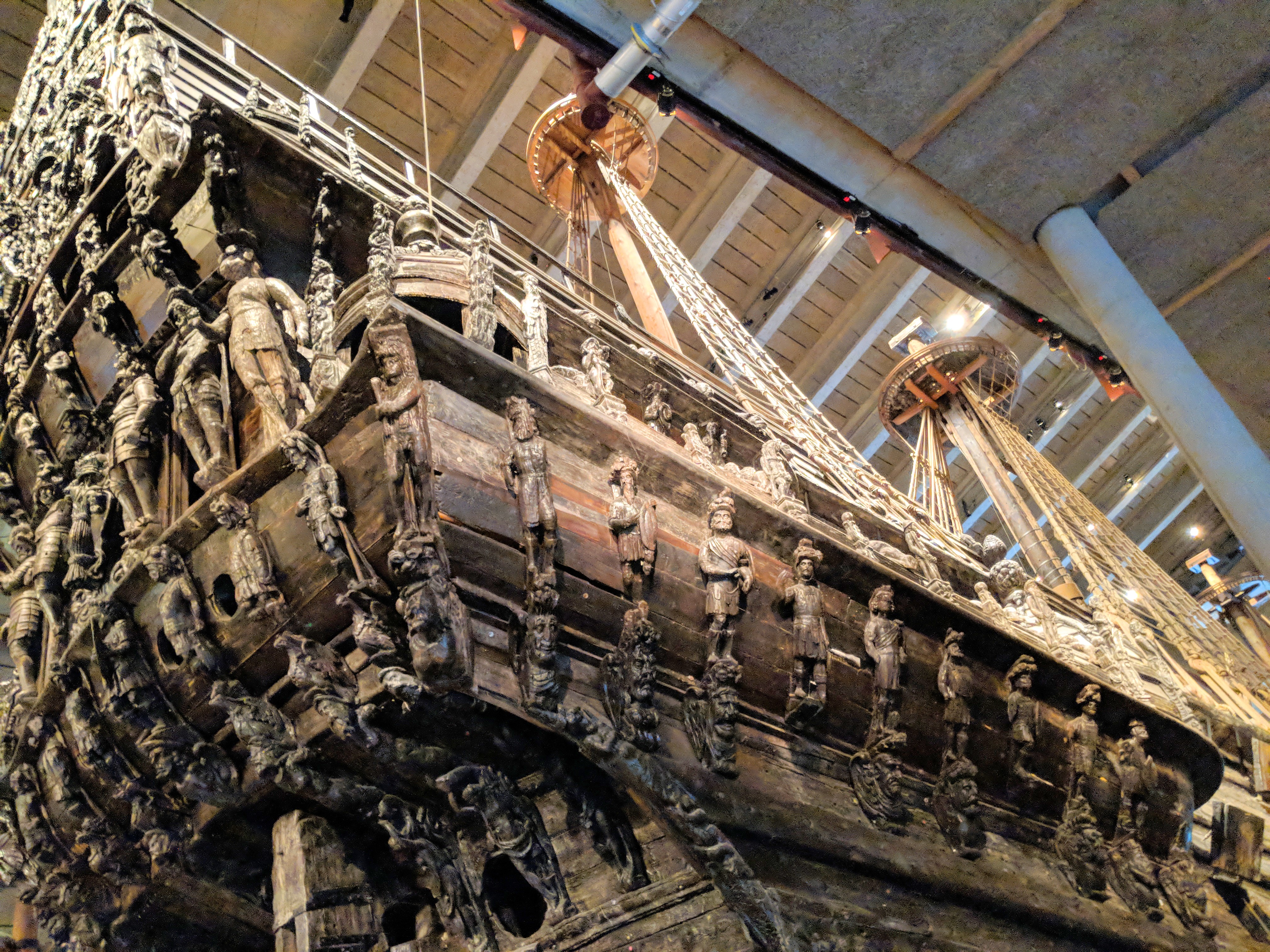
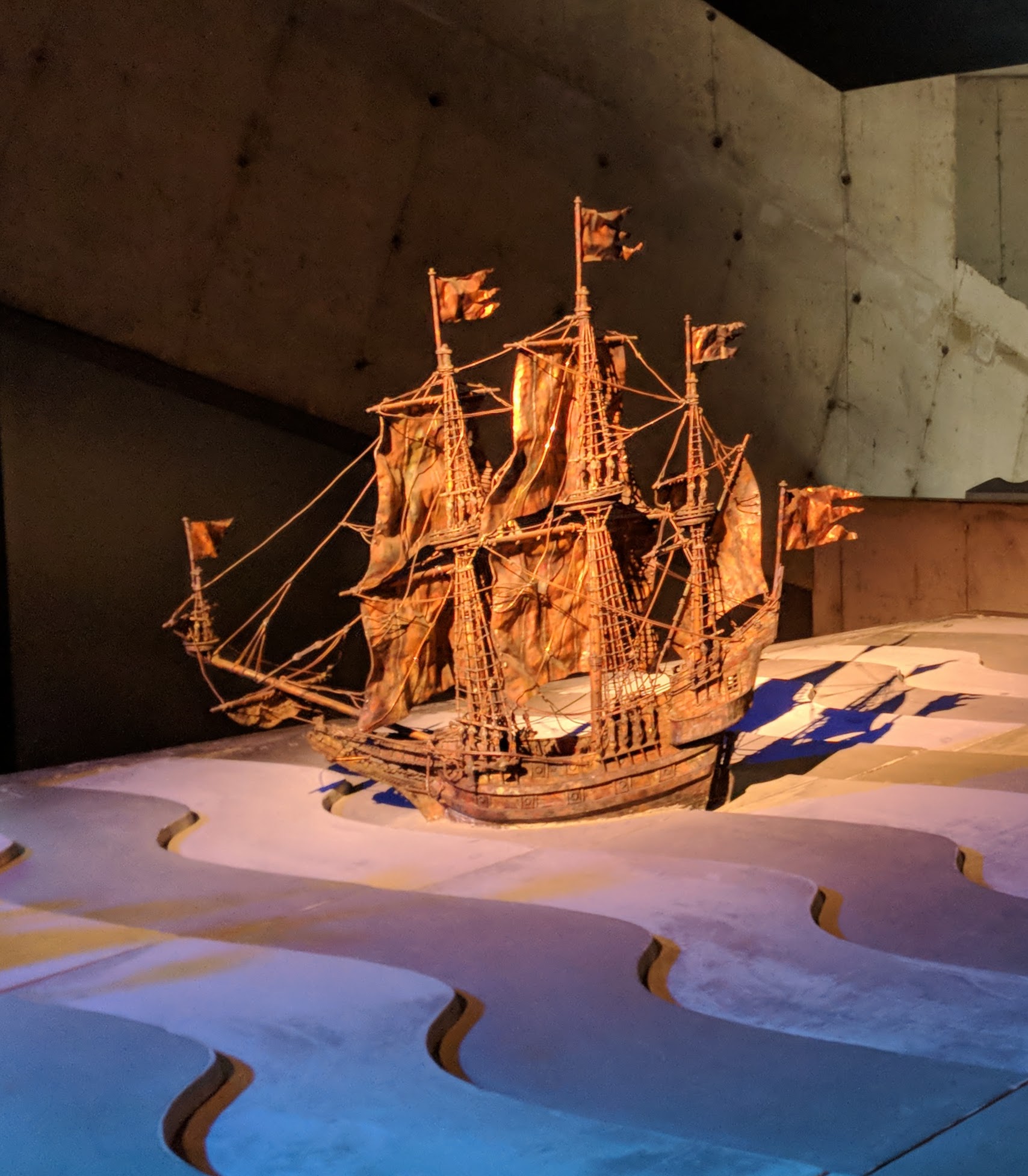
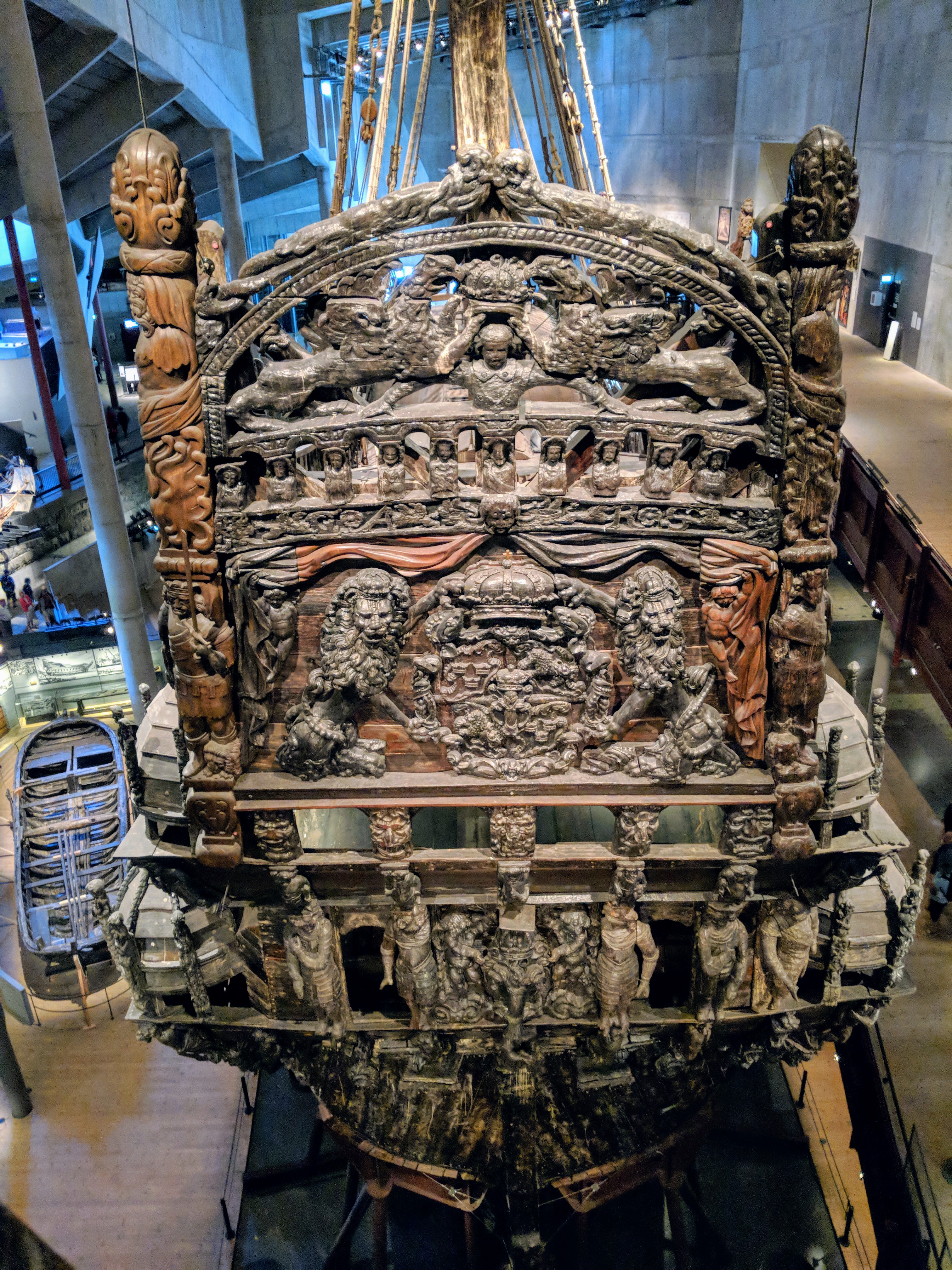
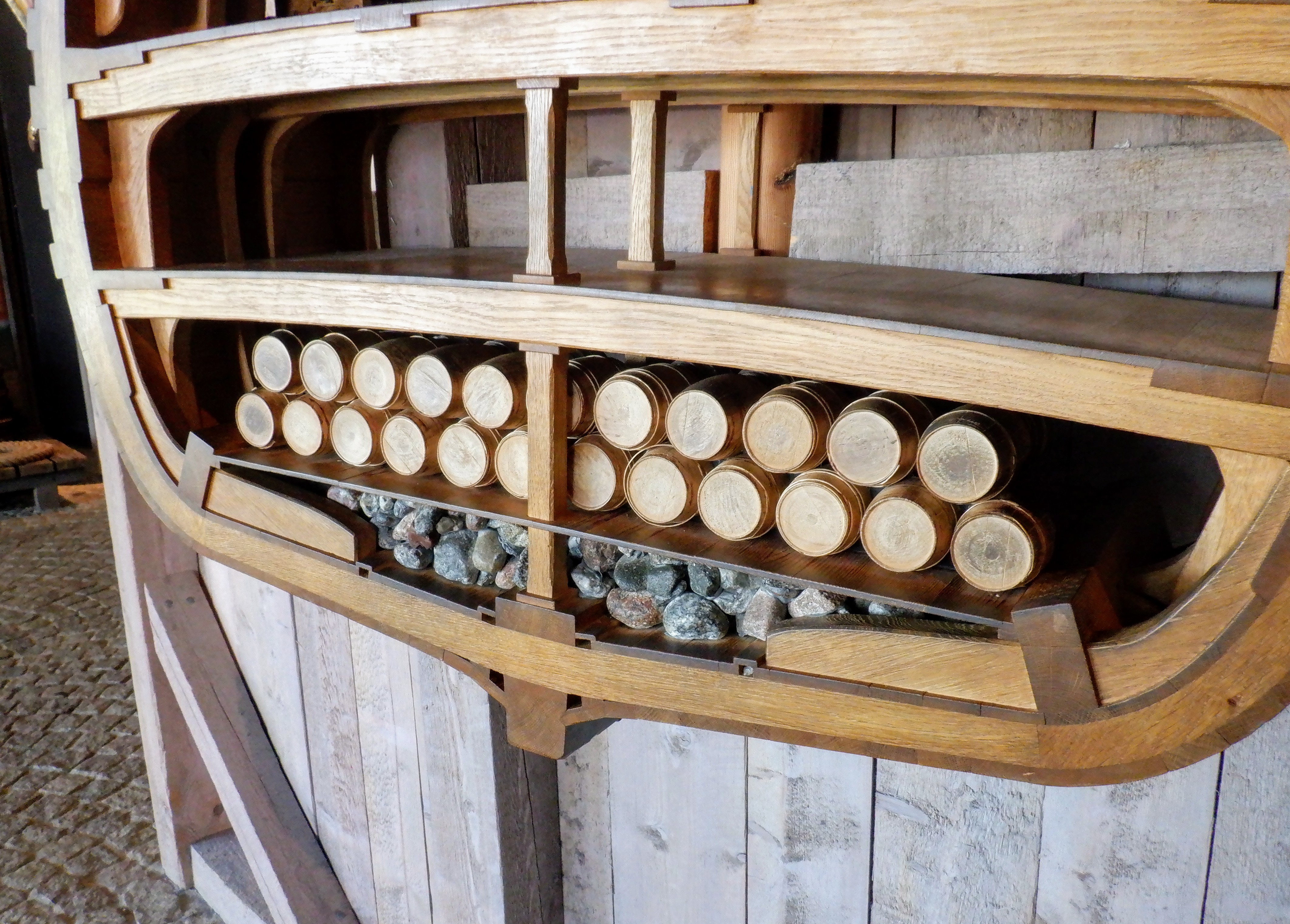
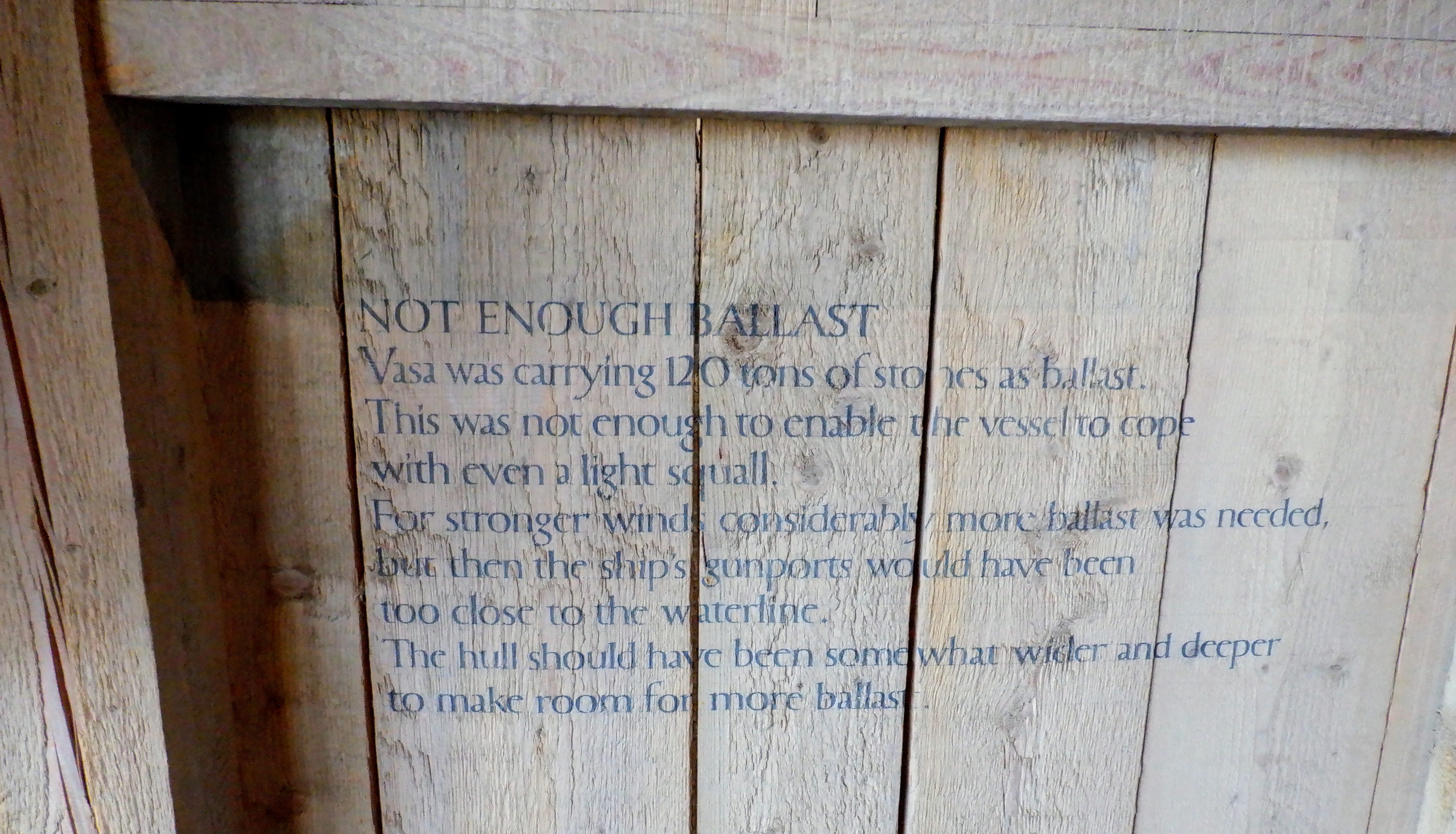
The Vasa Museum. This Museum is dedicated to the warship Vasa which sank in the Baltic Sea less than a mile off Stockholm’s shore in 1628 and was found and raised over 300 years later, almost perfectly preserved. The explanation of how the ship was found, then how it was resurrected was well explained and even more incredibly executed. Turns out this ship sank just hours after it’s maiden departure because the ballast which balances the big vessel wasn’t correctly measured and a light wind just knocked ‘er over. Bananas.

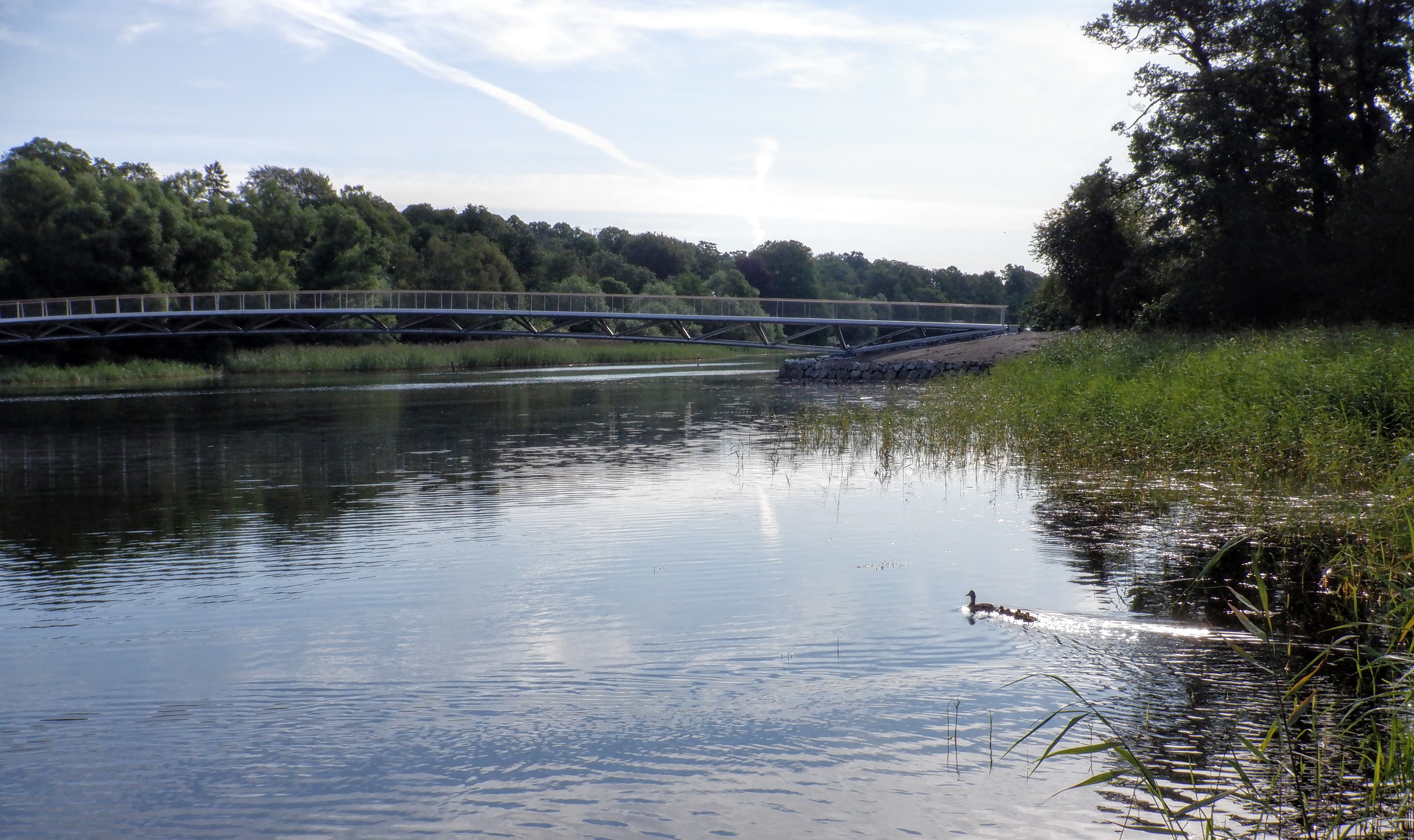
Djurgรฅrden (and all the greens). One of my visits to this beautiful island had me up and out of the apt by 6:00. It was definitely early enough that I had almost the entire island to myself. I was glorious! Recently, I led a pretty sedentary life back in the States and though I’ll always choose to be outside, I didn’t take hikes or long walks through the forest. Maybe I took it for granted, and maybe I was busy trying to fix other things in my life that weren’t getting fixed. In any case, walking through the lush greenery and alongside the water, watching the birds and listening to their songs just felt right. I stood 5 feet from a Heron, saw a mother Mallard keeping her 6 babies safe, and most wonderful of all, I spotted a family of Loons. If asked what animal I’d like to be as a child, I would always reply that I’d like to be a Loon because they could both fly AND swim, but they weren’t typically prey nor hunter. I’d never seen baby Loons before so I sat on the empty pier watching them for longer than they’d probably have liked.
Meandering through the park portion of Djurgรฅrden, I came across the Rosendals Trรคdgรฅrd which was a big garden, nursery, restaurant, bar, and event venue. Stunning, and the place I felt most at home in Stockholm, even though it was technically closed. Being an open space, I still took advantage of the various seating areas surrounded by foliage and flowers – happy place. I eventually landed on some picnic tables with smart coverings where I sat and wrote, my fingers flying over the keyboard of their own accord.
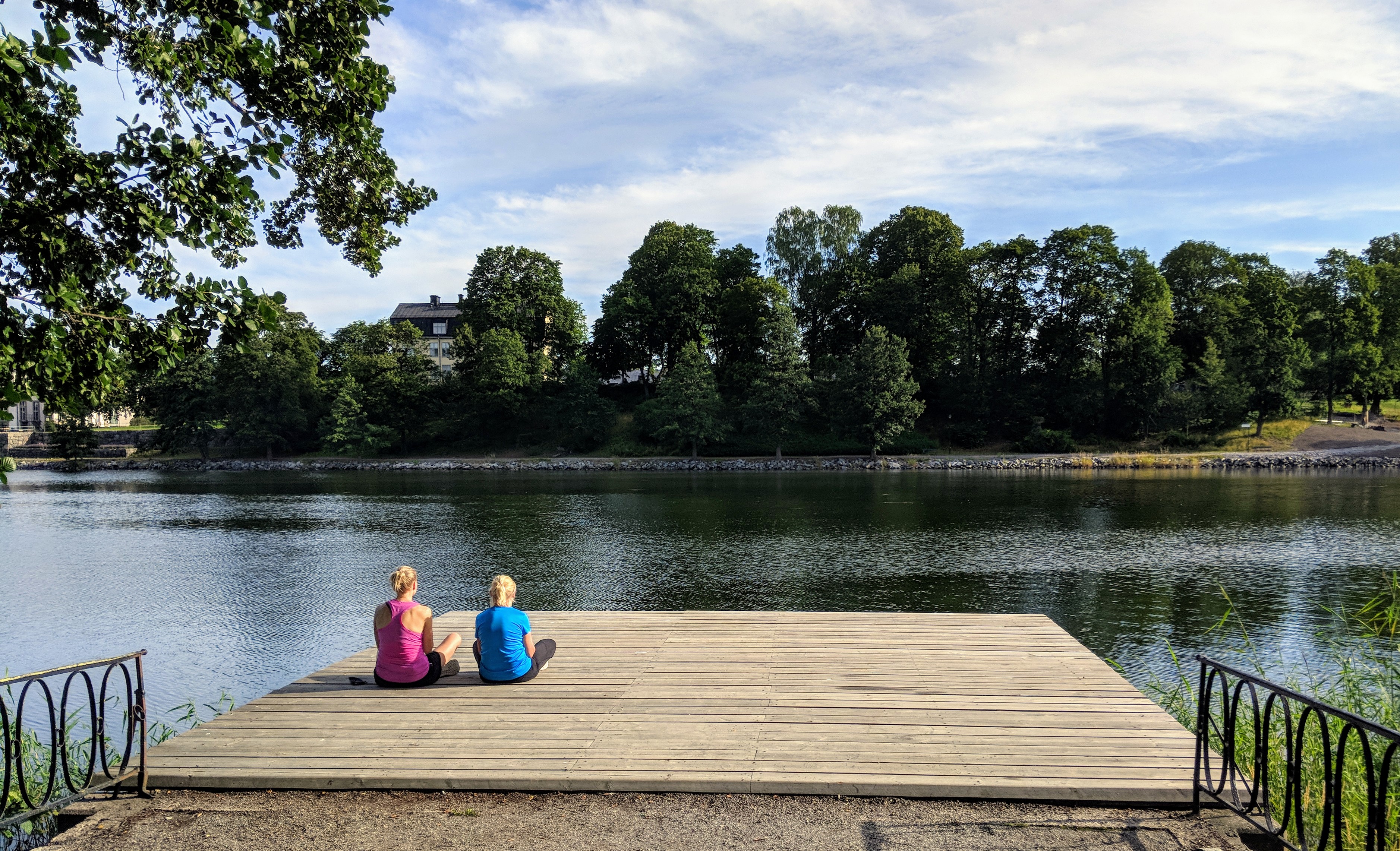
I stopped at a restaurant on the water between Djurgรฅrden and รถstermalm to have some coffee which I liberally spiked with cardamom – multiple cups. Smiling while I watched a multi-generational family catching up and chasing the toddler away from the water’s edge.

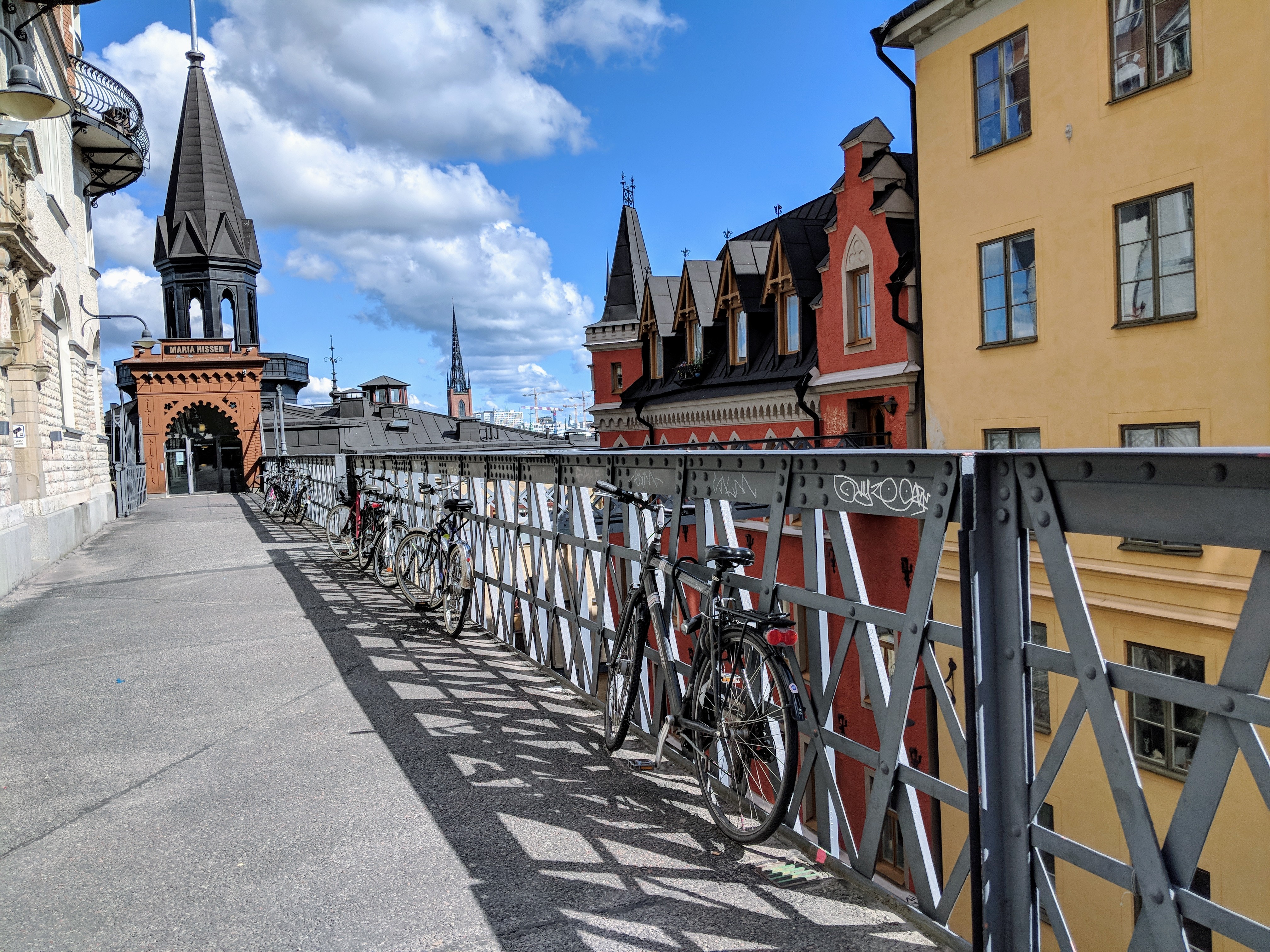
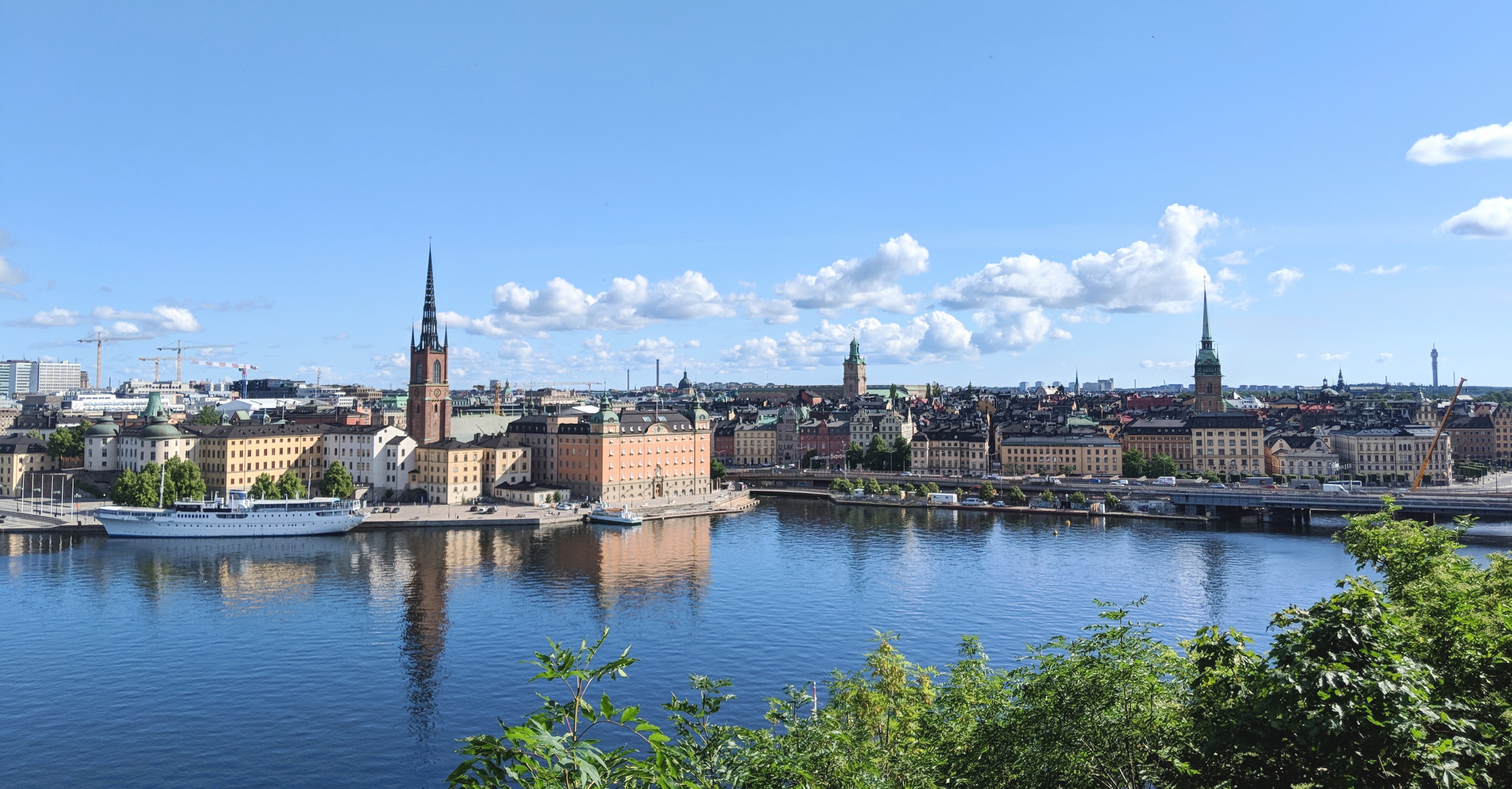
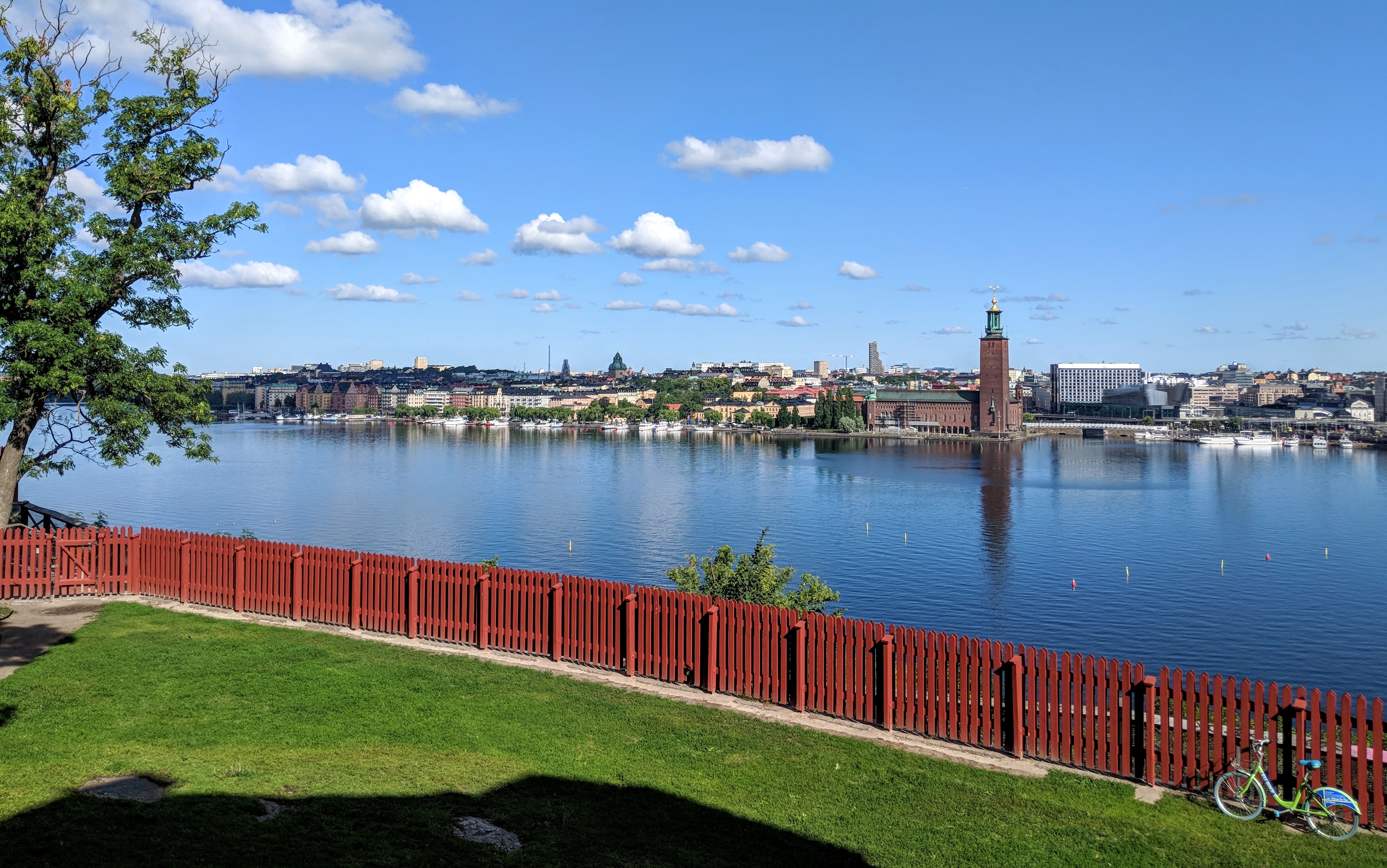
Walking and strolling, seeing and feeling. In some activity research, I read about Monteliusvรคgen being an excellent place to get some good views of Stockholm from up high(er). I spent quite a while at this little park on a hill over the water where a 180 degree view of the city kept me enthralled. From there, it was a day for strolling. And strolling. And more strolling. I was ultimately trying to make my way to the Fotografiska Museum but what should have been a 45 minute walk took nearly 3 hours – meandering and wrong turns galore. It didn’t help that once I got within eyesight of the museum, which was at the bottom of the cliff from where it was glimpsed, there was construction on the cliff so the stairs down were closed to the public. Mishaps being part of the fun of travelling, I could only laugh. There was a family wanting a picture of themselves at the clifftop and when they thanked me in Spanish, I responded in kind and happily walked away to their surprised guffaws. Well, another half mile of zigzagging down through the detour, and I made it!

On another super HOT day, there was no way I was going to hard walk in the heat again, not for anything. So, after the morning in the apartment, I went in search of the swimming beach which was supposedly located close to the apartment. As is my new custom, I got lost – again. After sweating my way through a couple miles of disorientation, I asked directions and a nice customer at the mini mart tried to send me to somewhere I instinctively knew was wrong. Cut to finally finding my intended spot, yes, extremely close to the apartment, and basically shedding my exterior clothes as I ran into the water. Gloriously cool, clean water with a sandy floor enveloped me with pleasure. Finally! I made it to the Baltic Sea for a swim.

Yup, there’s the museum down there…

The Subway. Stockholm’s mass transit options are stellar, taking you anywhere you want to go, at any time, in short order. Even though Stockholm is quite walk-able, sometimes the day’s plan just lent itself to saving time with the subway or bus. Each Subway station also included exhibits from local artists to increase the curb appeal. Some of these installations were brilliant!

Norr Mรคlarstrand. This is a street along the waterfront of the island Kungsholmen where I was staying. I’d read mention of a restaurant called Mรคlarpaviljongen in an activity ad for the most Insta worthy bars and found it was very close to the apartment on Norr Mรคlarstrand, so off I went to find it. The area where Malarpaviljongen Restaurant is located is full of the most beautiful people on the planet, tourist or not. I just looked and drank in the beauty and atmosphere without attempting to engage. On another adventure, I walked the entire street on my way back to the apartment, stopping every so often to watch snippets of a movie on my phone, people watch, or enjoy the sun sinking into the horizon (at, oh, 23:30??).

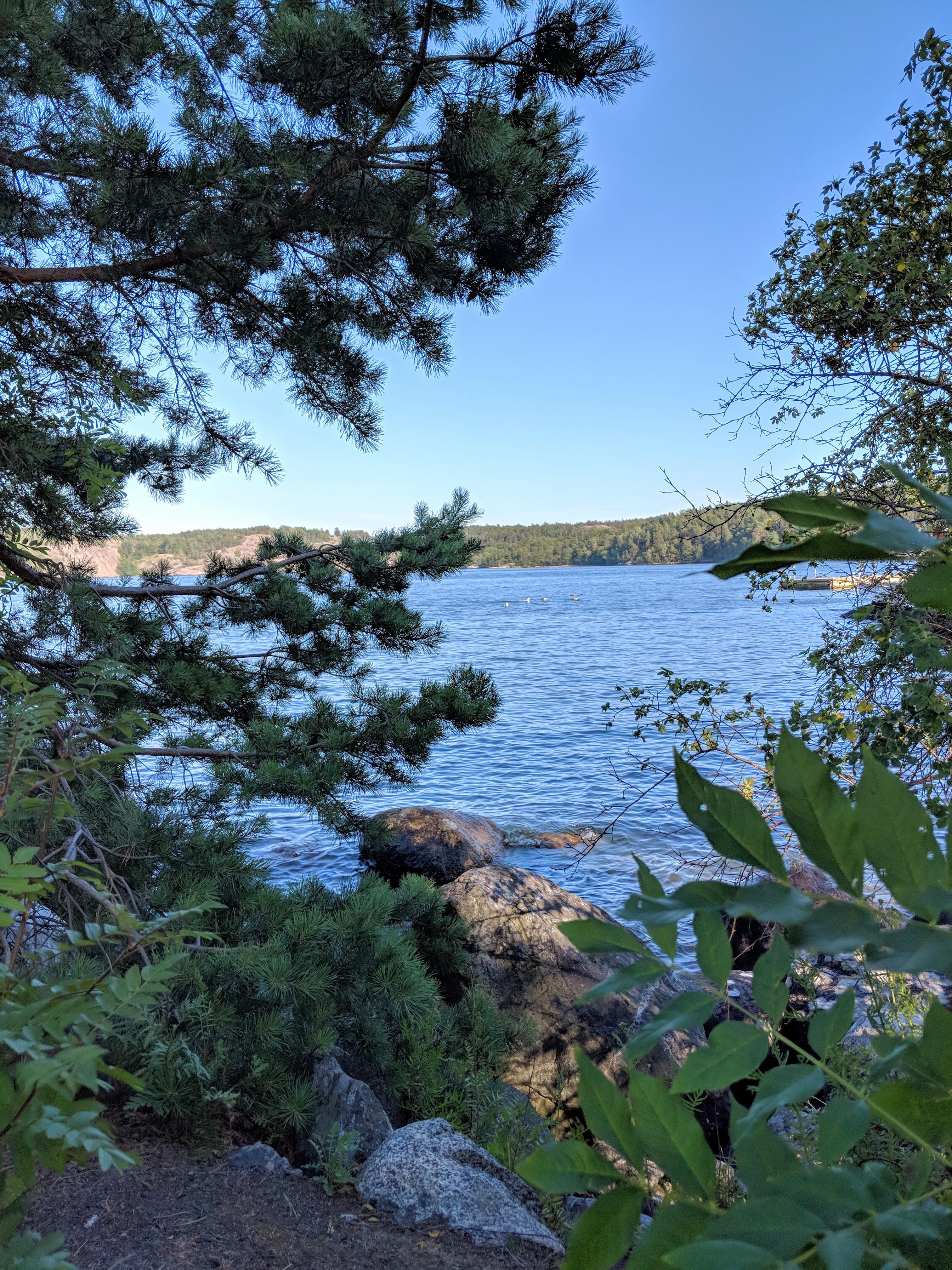
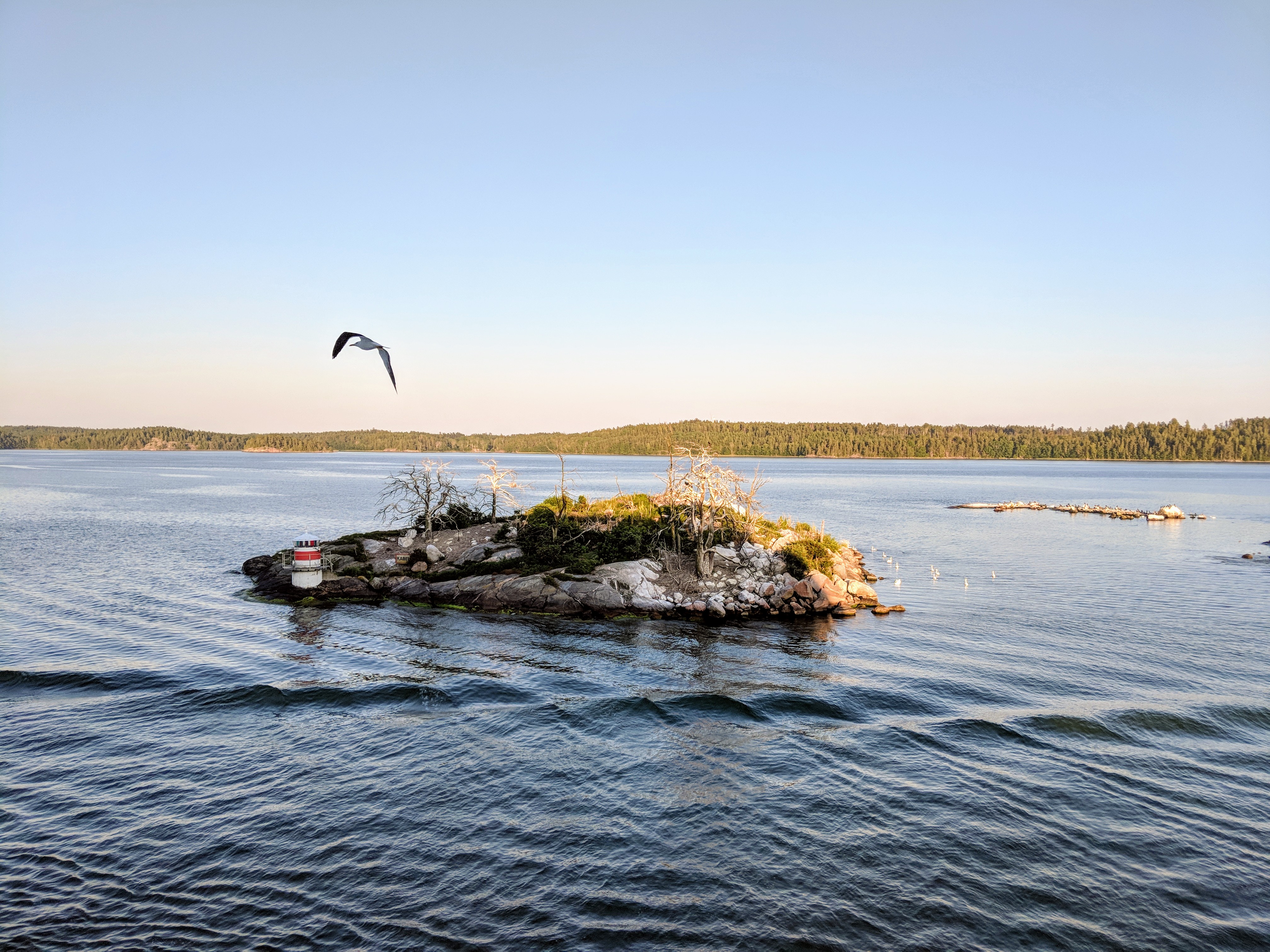
The views of the Stockholm Archipelago on my way out. As I left the city by giant ferry, the vistas of beautiful islands, sea birds, adventurous souls on jet skis using the the ferry’s wake as a jump, sailboats, etc… were amazing.

What I could do without

Stockholm’s Culture. Please take this as my humble opinion based on only 11 days in the city with limited funds and few locals to influence my judgement. If you live in Sweden, are of Swedish descent, or are a Swede-o-phile (technically, a Suecophile), I’m sure you’re a lovely individual.

Although most everyone in Stockholm speaks fluent English, the city does not rely on tourism for its economy, so finding anything repeated in English was almost impossible. Street signs. Subway stops. Instructions for anything. Food menus. The list goes on… I know, I know, I’m a spoiled English speaker who relies too heavily on the fact it’s become the “universal” language in Europe, but c’mon; I barely heard Swedish spoken anywhere. Help a tourist out, will ya?

Swedes do not find the fact that the English words entrance and exit are translated to infart and utfart in Swedish remotely giggle-worthy.

I have the sneaking suspicion that Stockholm residents are actually Stepford people. If I were ever attacked in the city (would never happen, the place is safer than safe) and a local saw it happen, they would continue calmly on their way without flinching as though propelled by a super natural force to keep cool.

Why Portland and Stockholm Should be Sibling Cities

It’s no joke that being in Stockholm feels eerily similar to being back in Portland. I showed up in Stockholm on July 17, which is smack dab in the height of summer. Although the majority of Swedes choose this time to take their copious amounts of holiday and head to the outer islands, the city still showed me many colors; tourists included.

Being a native-ish Portlander (20 years) on the move, I noticed so many similarities that I’m convinced the cities were separated at birth.

Do you really want more friends?

It’s a well known fact that (native-ish) Portlanders are friendly to a fault, causing traffic jams trying to allow the other person to take the right of way, giving money to strangers, rallying for civil rights, etc… This friendliness isn’t, however, sticky. If a Portlander has just given a new transplant directions to the nearest pub that has ping pong, played a round with them, and bought them a pint, that does NOT mean the Portlander will exchange numbers or ever take a call from what could, in other worlds, have been considered a new friend. The Portlander will politely change the subject when the stranger casually mentions “we should do this again sometime” or give a vague excuse about walking their dog if they ask “what are you doing next week?” It’s all well and good until someone wants to genuinely connect.

My tour guide in Stockholm is from England and quite an energetic and outgoing guy. Being from the UK, we know that stereotype – the “Hey mate, come on in, meet my family, have a pint, stay the month!” kind of person. Well, he admitted that he’s lived here for 7 years and just made his 6th Swedish friend through hard work and perseverance. Again, most of the Swedes in Stockholm have vanished for the summer, so I can’t attest to that theory directly, but I can verify those I’ve met have been extremely warm and welcoming. The gleam in their eyes, though, tells me they’re just as happy to watch me walk away, back to the airport and on to another country.

Sibling Rivalry – In Sweden, it’s easier to pretend to not speak English.

Coffee Culture

If you own a coffee shop in Portland and you do not already have cardamom on your list of add ins, go. Do it now. Stockholm has a coffee shop on every corner and none of them start with Star or end with Best. The caffeine addiction is strong in both towns with multiple options on every corner. Stockholm has even gone so far as to name their coffee and pastry habit as Fika. What could Portland’s be named? Cash hemorrhage?

Sibling Rivalry – Stockholm’s default brew is dark with a hint of tar and it’s up to the customer to customize to their liking while Portland requires the customer to convey 40 word sentences to the barista to get what they want. Either way is fine, as long as the pot is never empty.

The color of your skin

Summertime in Stockholm boasts a 3-4 more hours of daily sunlight than that of Portland. For those who failed math, that’s several more hours of sun exposure every week. There are beaches all over the city in Stockholm and many rivers and lakes available to Portlanders with very short commutes. So why is it that, in both cities, sunglasses are required more for the brightness of the locals’ legs than for the actual ball of gas in the sky? The only people with brown legs in either place were actually born that color. You’ll see farmer’s tans or merged freckles or bronzed shoulders or lobster skin, but nowhere will you find forearms matching shins.

Sibling Rivalry – In winter, those who live in Stockholm need to take vitamin D pills to replace the sunlight.

Bridges over the river… I mean sea… I mean lake

Portland is quite proud of the numerous bridges seaming the east and west sides of the city though not quite as proud of those connecting to Washington. The bridges are beautiful and iconic to a city split by a wide river; each one with its own uniqueness. There are 12 bridges in Portland, all sizable. There are 57 bridges in Stockholm. Due to the island makeup of Stockholm, this is to be expected, but it’s the vehemence with which each city proudly displays their bridge culture which makes them related.

Sibling Rivalry – Even in the downtown area, it’s safe to swim in the water under said bridges in Stockholm.

Bikes and Scooters and eCycles, oh my!

Both cities’ topographies are poster children for two wheeled transport options, unlike hilly cities like San Francisco or Lisbon where the average tourist would be hard pressed to make it back to their abode.  Both cities have rentable scooters and bicycles scattered all about on sidewalks, street corners, and in private yards. Both cities have a high percentage of residents who already embrace or are on the cusp of embracing non-motorized transport.

The ability to scoot from place to place is an enviable choice when faced with million mile walks or crowded mass transit. Two wheeled transport for a renter is also a good budget option. The cost of renting a scooter in either city will set you back only a fraction of the cost of that morning latte. I will tell you, though, that until I have secured medical travel insurance, I will not be trusting my life to my balance and traffic skills on a scooter.

Sibling rivalry – It’s abundantly clear, however, that Stockholm has invested more time and money in infrastructure to support these choices. The fact that everywhere you go, there are clearly marked lanes for pedestrians vs two wheeled vs four wheeled vehicles makes it feel safe and functional for everyone involved, no matter your choice of transportation.

Foodie Schmoodie

Portland has been known as a city full of great food, whether it be the robust food truck scene or the multitude of pop-up restaurants begging for your attention on the east side. In fact, even the west side is trying to step up its game. There is food for any palate with gourmet (and street food masked as such) selections everywhere. The brunch options are lengthy, almost as lengthy as the lines you find yourself in attempting to taste the food! There is Burger week, Dining week, Wing week, Vegan Food Festival, Seafood Festival… you get the idea. Food is important to a Portlander.

In Stockholm, it’s much the same – down to the food trucks. At what would be considered a “mall food court” in Stockholm’s Sodermalm neighborhood, there are a handful of restaurants so touted that their chef’s names are emblazoned proudly on the marquee. I had the opportunity to try some out and must admit that it’s the right thing to do.

Burgers recently came to Stockholm in a rush and were immediately accepted as the next great culinary discovery (next to the hot dog and meatballs, of course). There are burger joints on most corners, many with cult followings. Unfortunately, due to the infancy of the trend, most meat burgers are a little on the flat and gray side; they could use a little more depth and pink, but they make up for it with fantastic toppings! It’s not difficult to find a bay shrimp topped burger, or an avocado stuffed patty. In addition, Stockholm is on par with Portland in the vegetarian/vegan space in that non-meat options abound everywhere, including grilled halloumi. Yum!

Sibling rivalry – You must sell your left arm, right boob, and your first born to eat out in Stockholm. Even at lunch, a typical burger is easily $18.

Nature

Both cities’ residents are obvious nature lovers. Why wouldn’t they be with the most perfect weather from May to October, when all things planty spring forth? Portland’s parks are numerous and many take up some serious space. In Stockholm, you can’t spit without hitting a green space; there’s even an entire island fittingly called Djurgarden covered in a lush green park with, obvs, water on all sides. I was lucky enough to have the entire island to myself one morning and wandered through what I can only consider my dream business… A nursery/bar/event venue. Boom.

Where I wrote this.

Both inhabitants also know that the sun is a precious resource, so they take every chance possible to get out in it. It’s impossible to find a Swede in Stockholm during the summer (who does not work in the tourism industry) because they’re off climbing, swimming, hiking, boating, etc… As a matter of fact, if you want to visit a locally owned business in Stockholm, do NOT try it in summer! There are “I’m off enjoying the actual sun, closed until Sept” notices everywhere.

As a lover of the green stuff myself, it’s been absolutely refreshing to see the abundance of flowers all over Stockholm city. In fact, most of the plant life grown in Stockholm is exactly the same as in Portland. In addition, almost every abode is littered with houseplants to tide the folks over in the darker months. The AirBnb I was in actually had more than 15 potted plants plus almost that many starts, which is a higher number than the square footage.

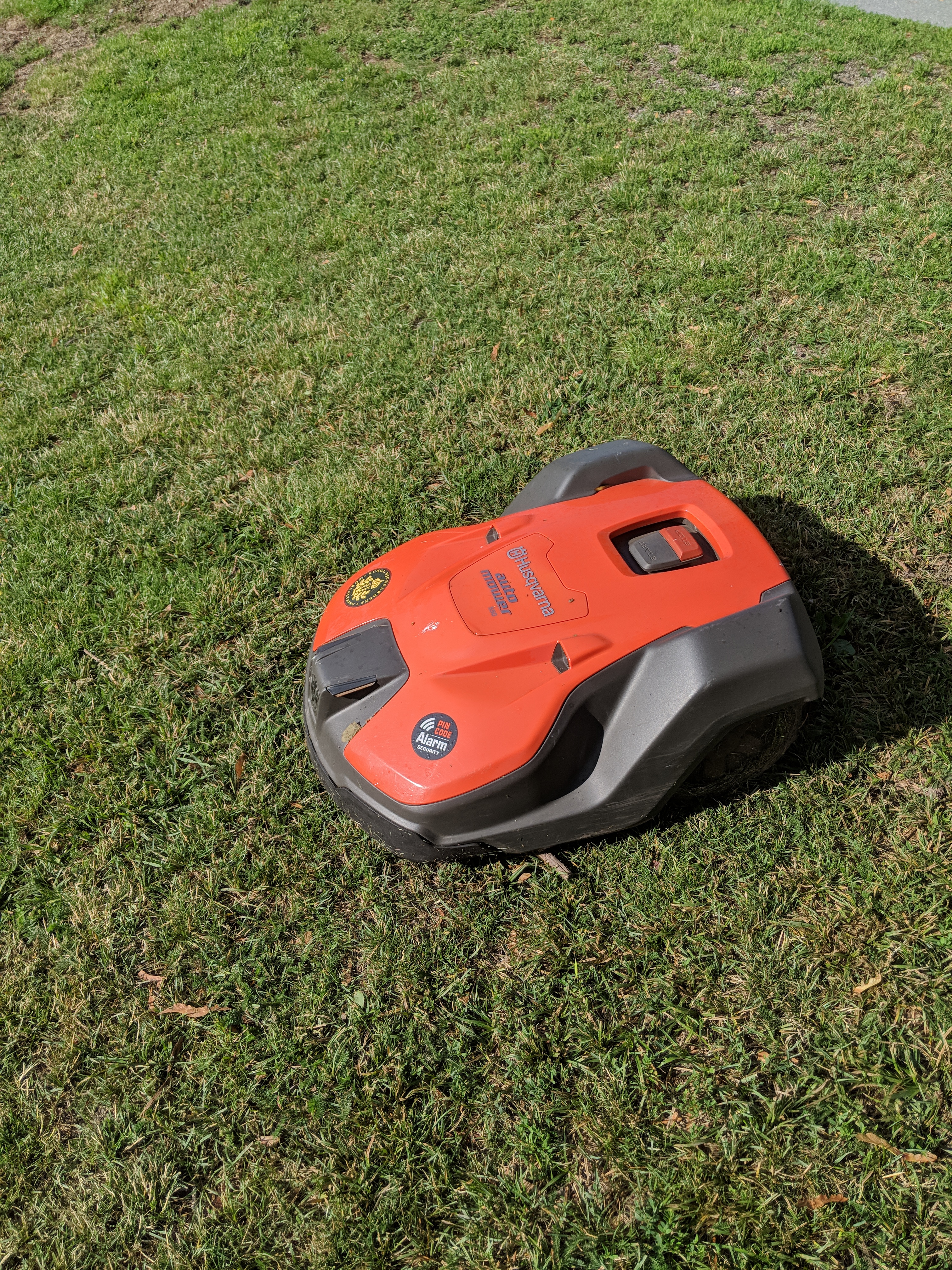
Sibling Rivalry – None. Nothing can be lost by this. But Stockholm DOES have Roomba mowers, does Portland?
Inclusivity

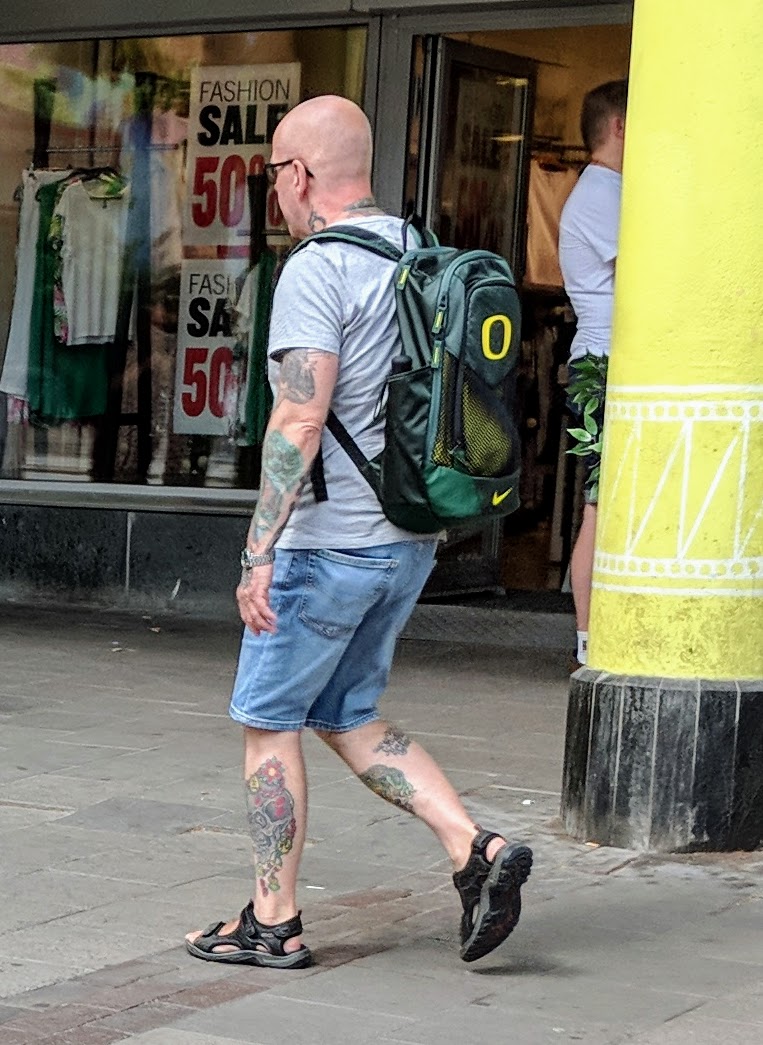
Stockholm and Portland both have a soft spot for the underdog. I won’t get into politics here, but it’s an obvious correlation, the total acceptance of strangers and those of differing backgrounds. You can easily find co-ed bathrooms, expect to accommodate all skin colors, see numerous tattoos (on a single person), and appreciate the love of all sexual orientations in both locations.
Sibling rivalry – In Stockholm, I did see a very young woman with a single smoking cigarette tattooed on her thigh. Sigh.
Portland or Stockholm?

Quirky

Both cities embrace the unusual, whether it be bright hair colors, or uni-cycling, there’s no fear of the different.

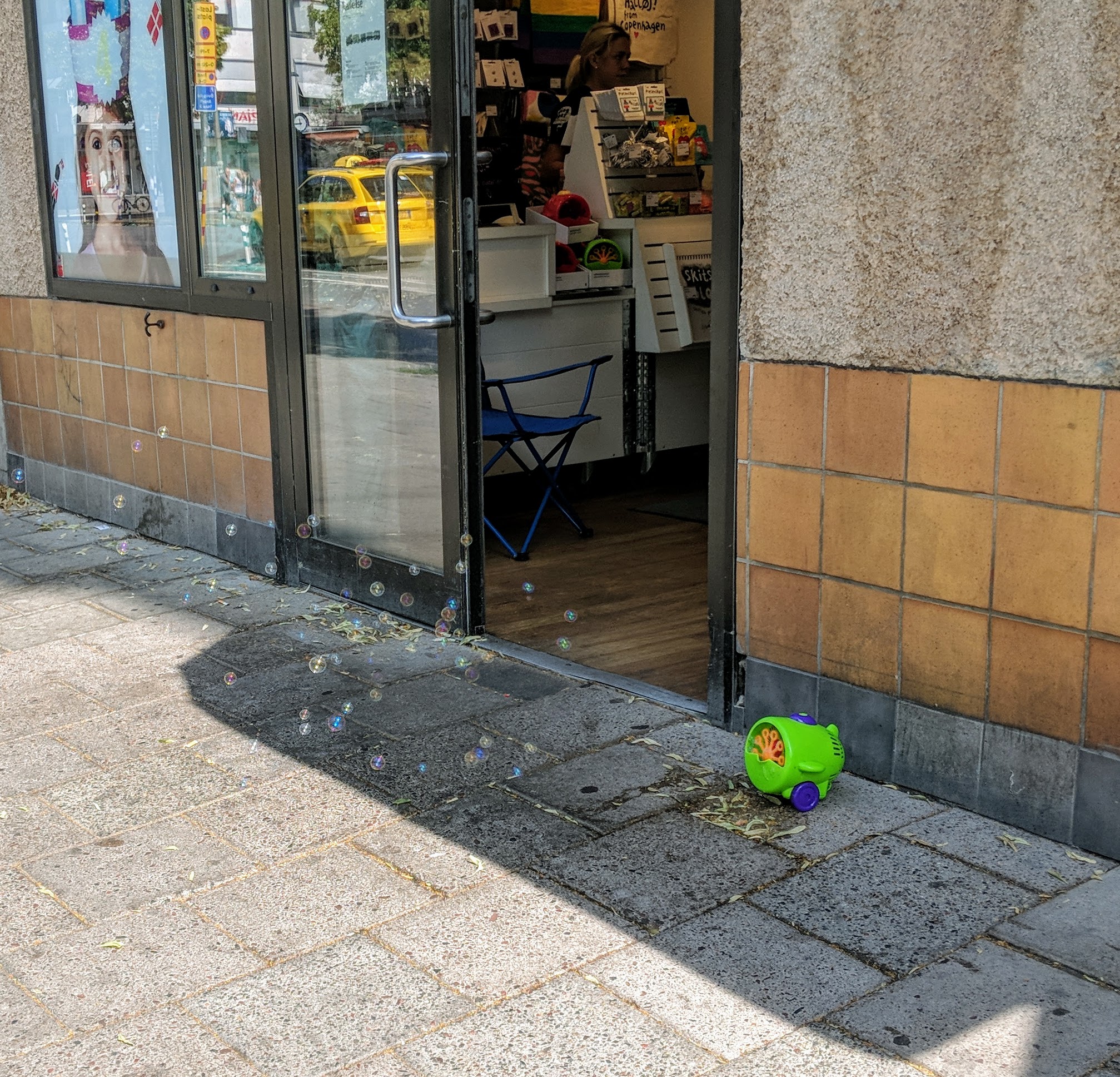
Who doesn’t love some bubbles?
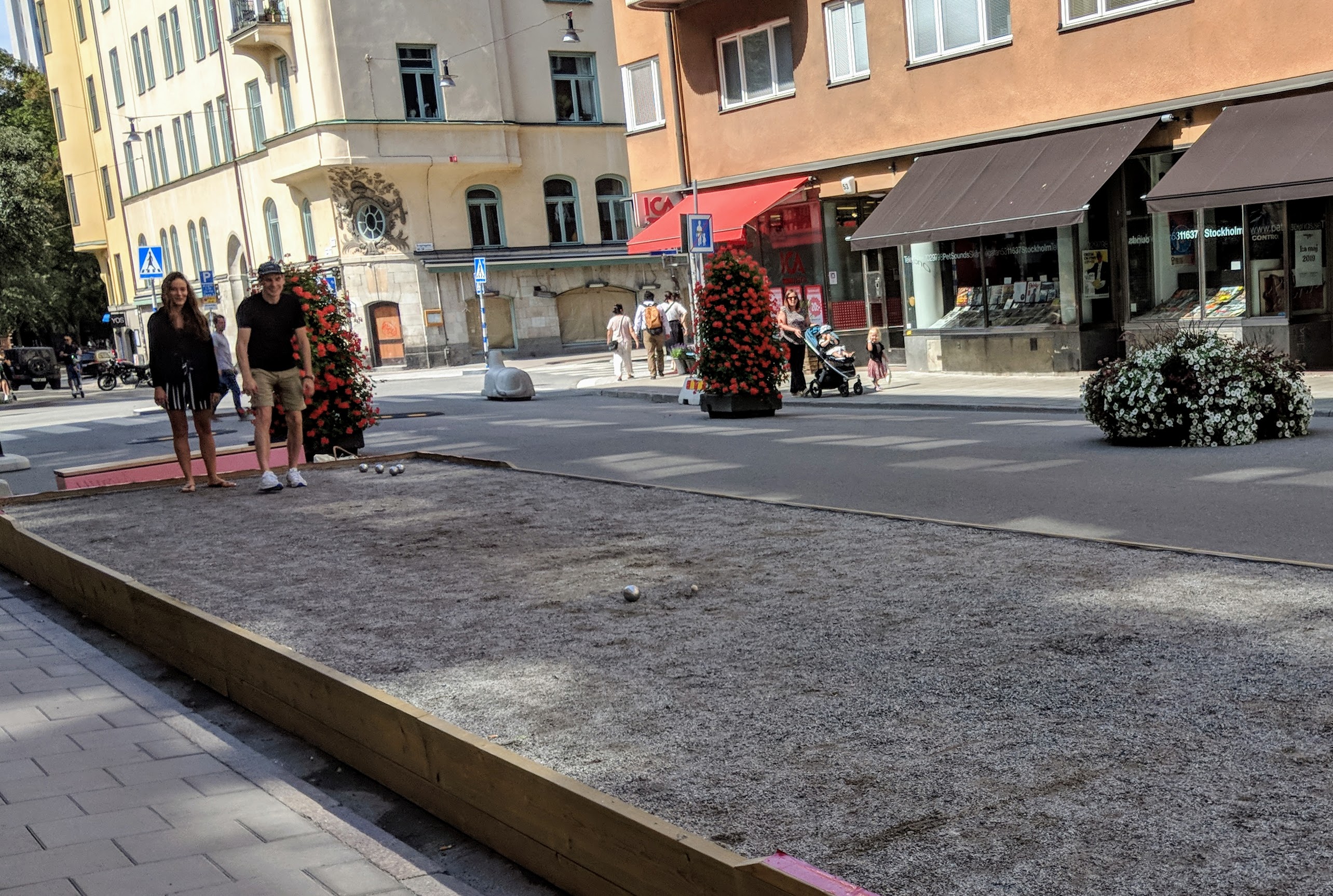
Bocce, anyone?
ABBA
Me as ABBA

So… would you choose to visit?

Packing

Once the planning and dreaming is over, it’s time to pack! Packing may be one of my favorite pre-trip activities because it means I’m leaving SOON. This post will mostly just be my tips and tricks for a multi-city and/or international adventure so if you don’t plan to do either, skip this post or read along to keep me company. ๐Ÿ™‚

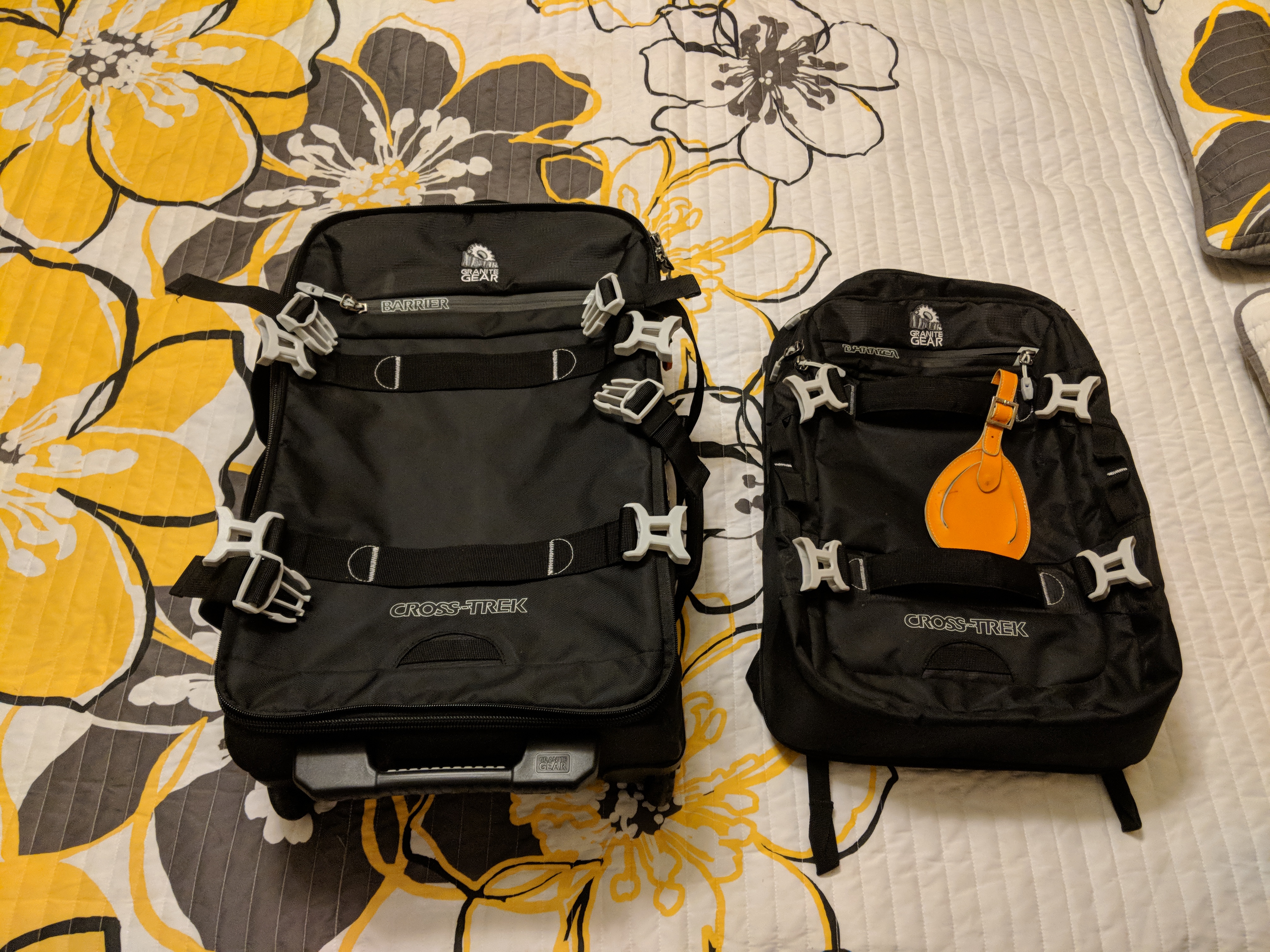
Bags: Convertible bags are king. We invested in a beautiful bag which is essentially two backpacks you can zip together to form a large checked bag (Granite Gear Cross-Trek). That’s exactly what I planned for this trip. Either pack will work as a carry on both domestically and also adheres to the international (smaller) size restrictions. Since I wasn’t checking a bag for my first flight leg, I still needed to keep the contents TSA friendly.

Clothes: The weather forecast was pretty stable for my destinations this trip, so I was able to plan for 60s during the day and 40s at night, rendering sweaters and bulky jackets unnecessary. Although my wetsuit and rain jacket took up a chunk of space, those are the two things that leaving behind might make me sad.

Since I’ll be in Airbnbs throughout the trip, I opted to rent places with a clothes washer so I wouldn’t need too many clothes. A pair of jeans, a couple travel pants, pair of shorts, PJs, a dress, and a few shirts, a rain jacket, plus my bathing gear and slippers were all I brought. A friend once told me that, for women, dresses are the perfect travel attire because it’s one piece – no fuss, no muss. For you gents, I guess a dress is fine, or they have those whole body onesies… you in?

Clothespins are a necessity when travelling internationally. Most places won’t have a dryer, so it’ll be the ol’ air dry method. If you’re picky about wrinkles, you might want to find wrinkle free fabrics or buy a travel iron. I’m not a fashionista and I doubt I’ll run into any exes in Croatia, so I let my personal heat do the steaming for me. By the end of a day, I look a mess, anyway, so why waste the time in the morning to press?!?!

Misc: Leading up to a trip, I keep a running list of packing items I don’t want to forget. Using a simple grocery list app, I can easily remember what I wanted to bring, check it off as it’s packed, then check the list again each time I leave a city so I don’t accidentally forget that precious rain jacket. Currently, we use the app “Our Groceries” so hubs and I can sync up. I’ll try to remember to post my packing list for this trip later.

Things I MUST NOT forget:

  • International electrical adapter for the region I’m visiting.
  • Luggage scale (airlines don’t mess around!)
  • Back up cash money source
  • Waterproof camera
  • Headphones
  • Empty reusable water bottle (preferably one that will attach to a purse/pack)
  • Sunscreen and/or bug spray, depending on destination and season
  • USB power bank to recharge during long days on the road
  • Multi USB charger for overnight charging of all the things
  • Paper copies of all reservations Actually, unless you’re traveling to a very, very remote location, as long as you can get to a computer (smart phone, internet cafe, host, airport, etc…), paper just takes up space

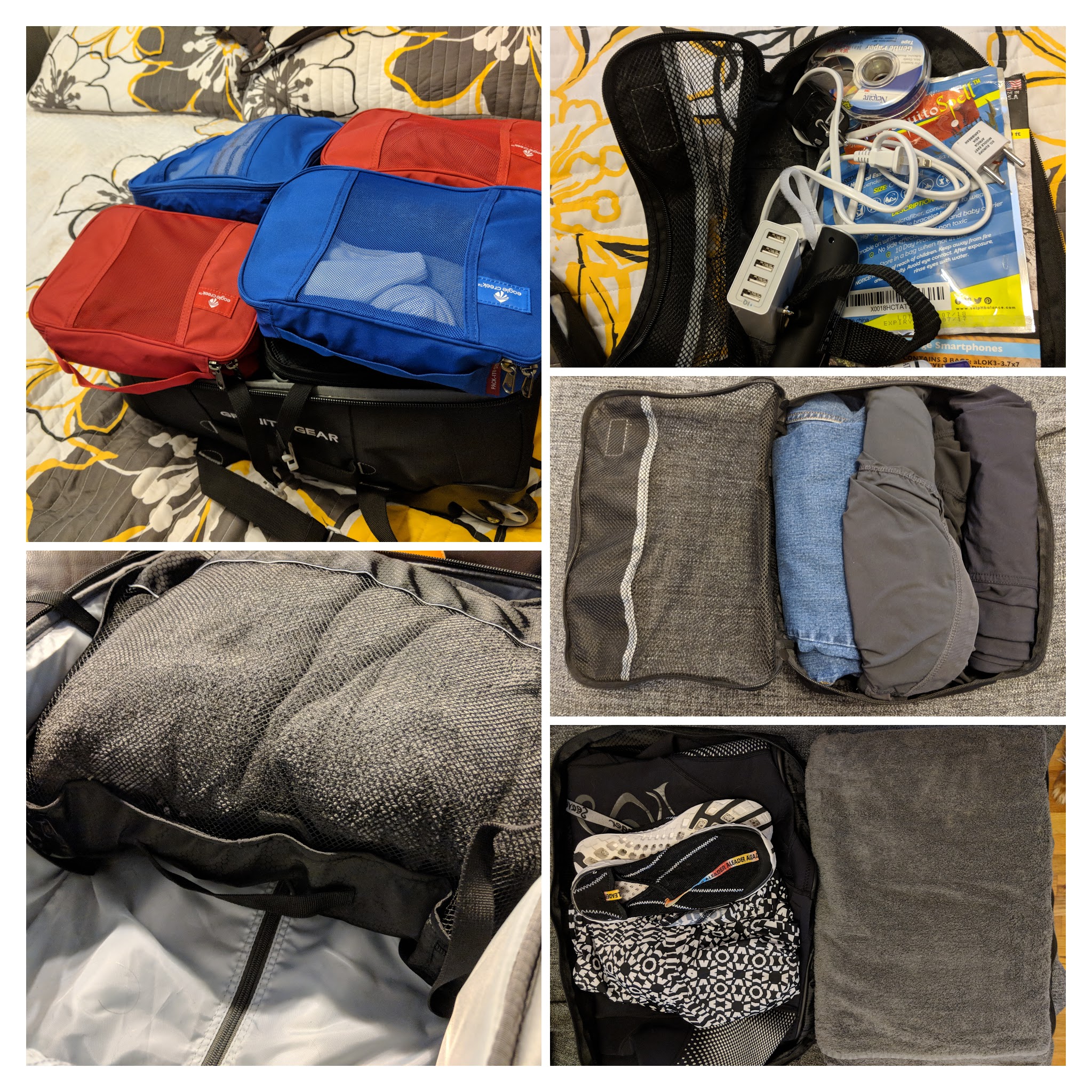
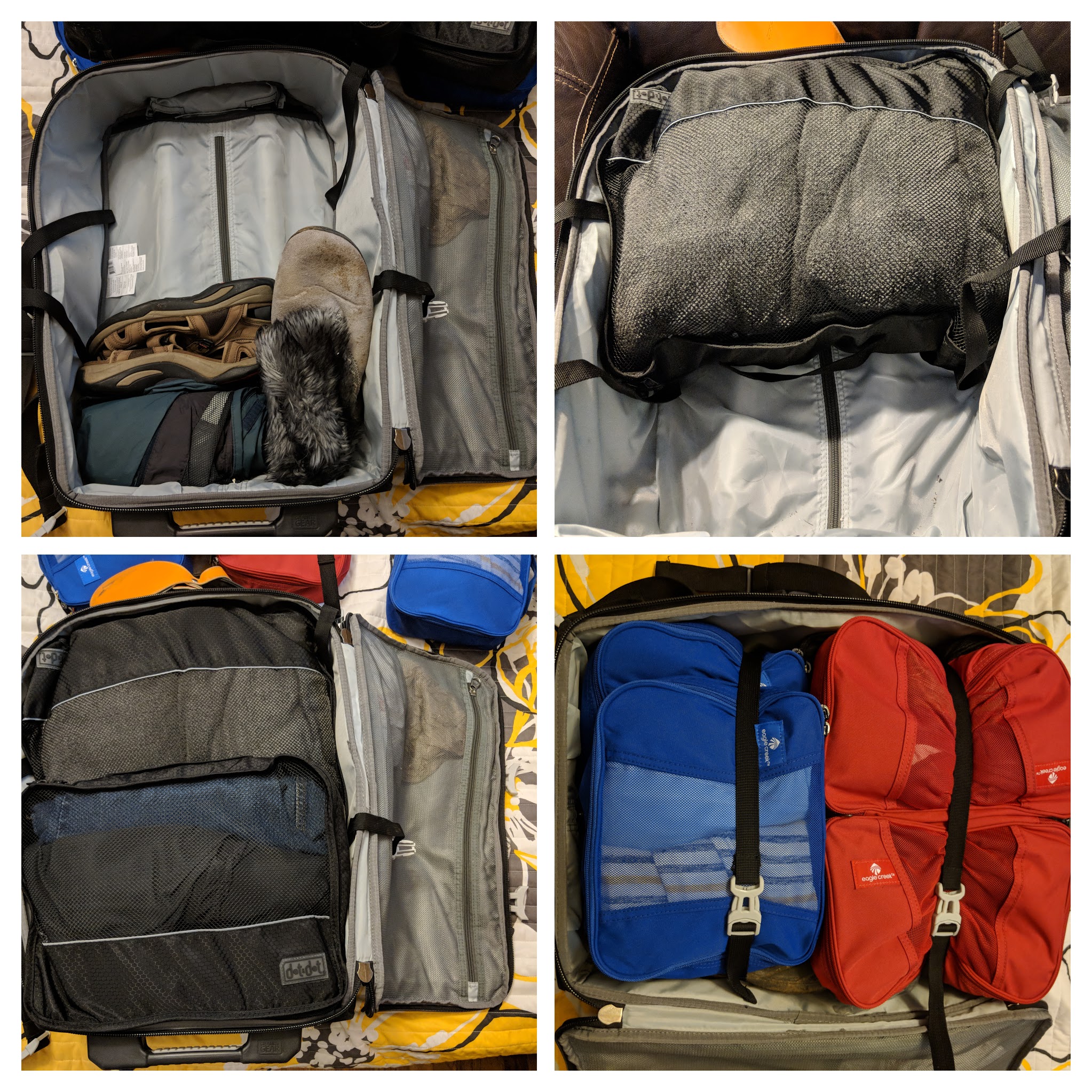
A’aight, let’s get to the actual packing. A few trips ago, I discovered packing cubes. For those of you with an organized mind, you would wonder what in the world these little bags get you but I assure you, they are a GAME changer. Not only do they keep your stuff very neatly organized, but they compress your items to save space, and they make it extremely handy to just grab the bag you need for that day. For example, if I’m traveling to multiple climates, I might have a cube of warm weather items and a cube for colder days. For this trip, it was super simple: electronics and misc in one, pants in another, PJs in one, socks and undies in another, etc…

Packing cubes – look how much one can hold! All pants in one, all swim gear in another, etc…
Cubes make is amazingly easy to layer your stuff. Don’t forget to use the compression straps in your suitcase, they make a world of difference.

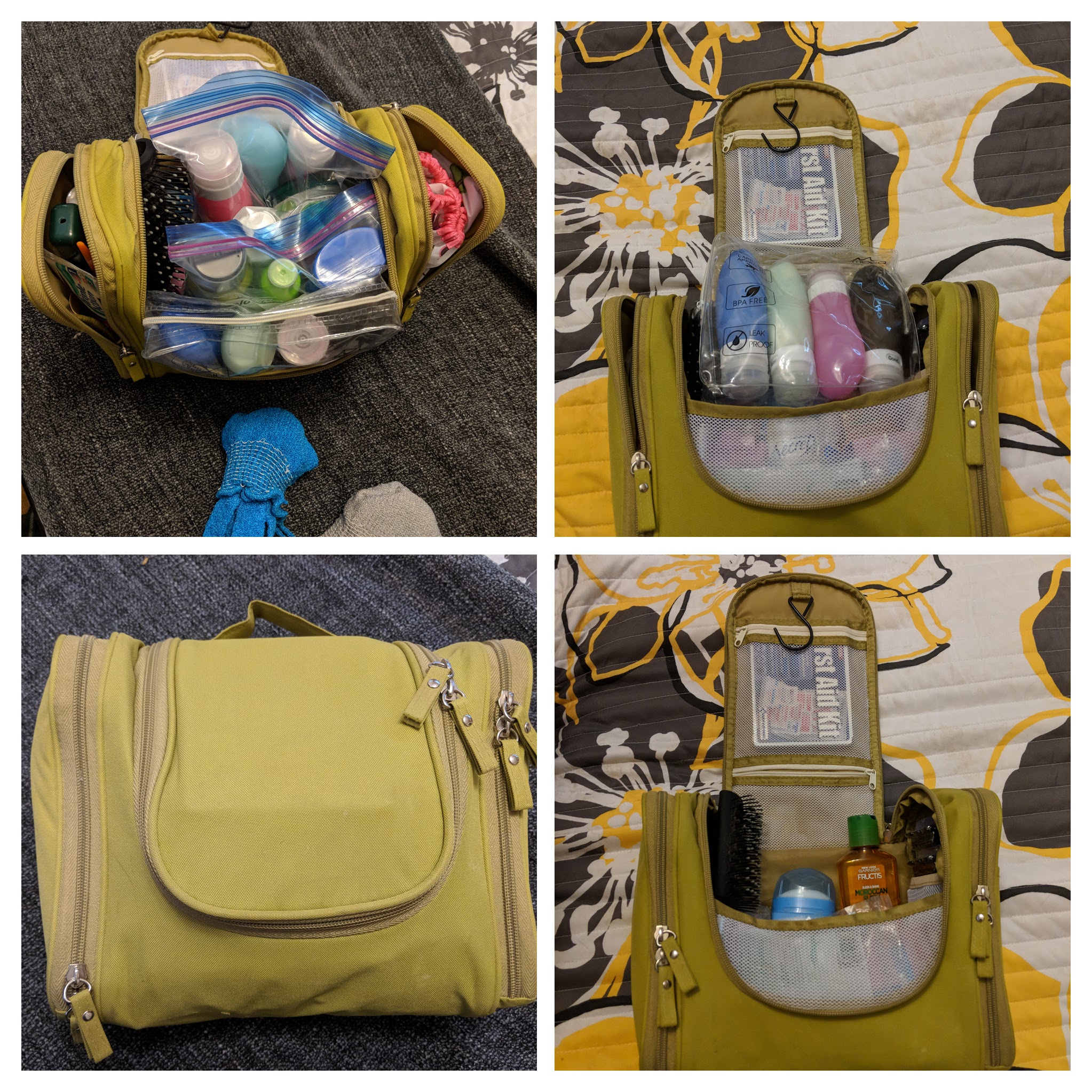
Toiletries: Many moons ago, I bought what must be the best travel accessory on the market; a hanging toiletry kit. This sucker can hold EVERYTHING and it has a hook for those tiny bathrooms where you have to suck in your gut to turn around. You know that place? Well, this is the item for you!

Pro tip: If using in your carry on, make sure this is at the very top so you can quickly reach your liquids at the TSA party stop.

These little silicone bottles have been life savers. They don’t leak, hold enough product for at least 2 weeks, are easy to use, have labels for the contents built in, AND have little suction cups which are quite handy in places with limited shelf space.

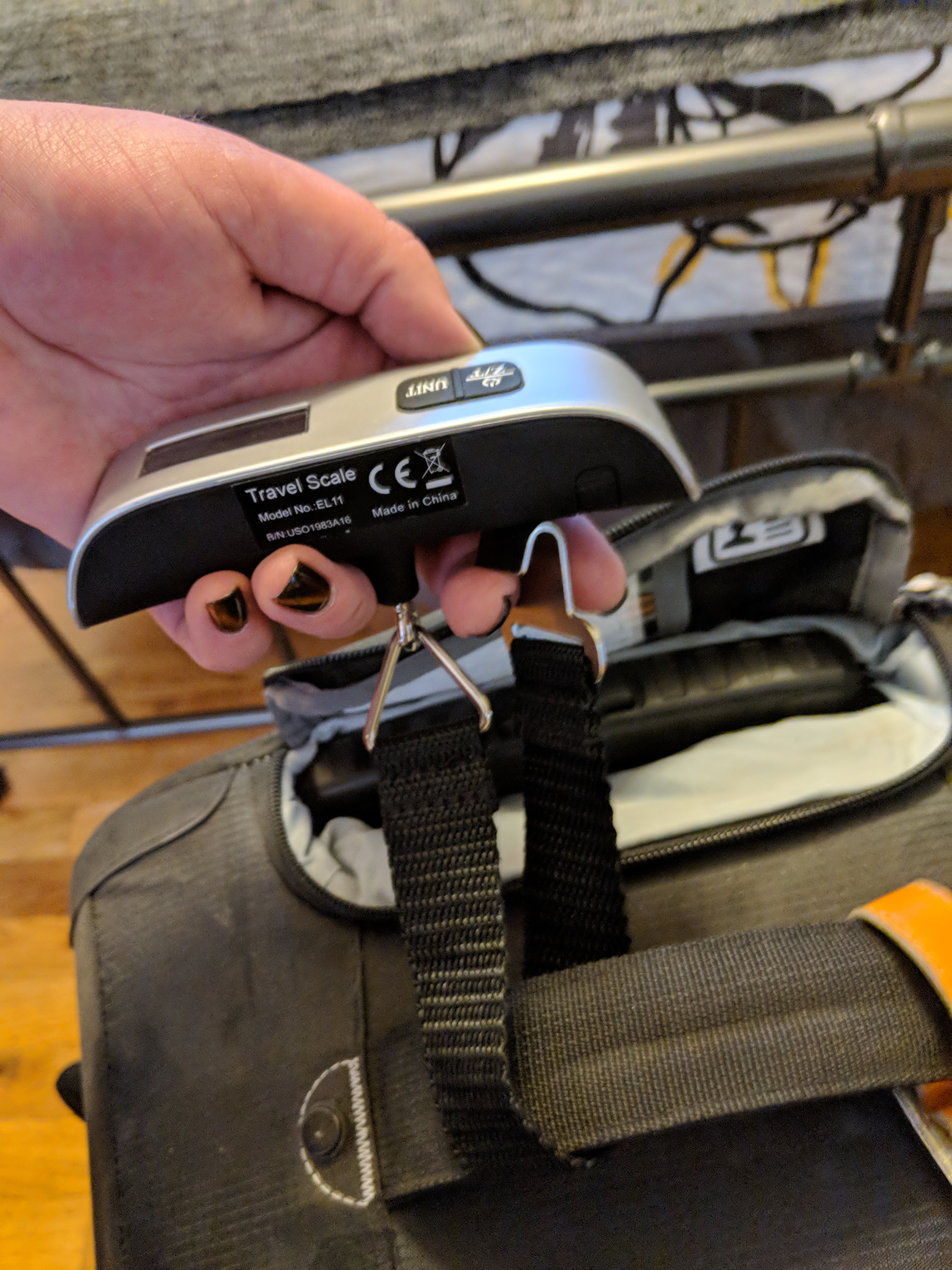
Since hubs didn’t come on this trip, I didn’t have the luxury of stuffing just this one last thing in his luggage so I ended up with a little more of a pack than usual. No biggie, I got this! With our handy-dandy luggage scale, I was able to accurately gauge how much more I could stuff and/or buy while I’m gone. Most airlines restrict checked bags to 50lbs (carry on is much less) so it’s nice to leave with a pack much lighter than the limit to accommodate olive oils and other heavy items you may want to bring home from your trip. Upon leaving Portland, my main pack was at 25lbs – plenty of weight left to work with, especially since I’ll be consuming some items along the way. The scale itself is very small and light, so it’s an essential.

To finish up, I make sure to put my name, email address, and city (do NOT put your physical home address) on an index card and slide it inside the pack, in addition to the identifying luggage tag. This gives me security that no matter what happens to the outside of the bag, someone could find a way to get me back the bag.

I swear by my security-minded travel purse. Although it isn’t the prettiest of handbags, it’s gone with me everywhere and I even own two (long story about a home invasion I’ll tell you about eventually…). It has locking mechanisms on all exterior pockets, zippers galore on the interior pockets, slash proof handle, RFID blocking, and a carabiner to attach your bag to a chair, etc… when finishing that last glass of wine and not paying attention. ๐Ÿ˜‰

The packs zip together for one big checked bag – voila!

Do you have any fabulous tricks to share? I’m always learning new and better ways to do, well… everything so please comment!