

Coming in from Stockholm, I was in the mood for a little more grit with a side of joy. Tallinn, Estonia is a wonderful little city and I felt much more at home there and really enjoyed the way the city embraces the cheesy tourism of their medieval history… and the green. So much green. Tons of parks have been set aside to break up any monotony in the architecture and in these parks, I didn’t feel like I had to sit up straight, suck in my gut, nor keep my smile from reaching my eyes.

My Airbnb host told me that Tallinn’s Old Town is the most beautiful of all the Baltic capitals. Upon first glance, I could see why she feels that way! I stayed a little out of town in a suburb called Pelgulinn. It was a good spot for exploring anywhere via bus and still being near the sea and a swimming beach, but the suburb itself didn’t hold much charm so off to Old Town I went. My first stop was the Parliament building, built on the site of (and still some parts of) a previously destroyed castle called Toompea which was a major stronghold in the 9th century. The Parliament building is a big, pink, baroque place with very nice cars in the parking lot. Cut to another juxtaposition of architecture, of which I am always in awe, with an Alexander Nevsky Russian Orthodox cathedral directly across the street!
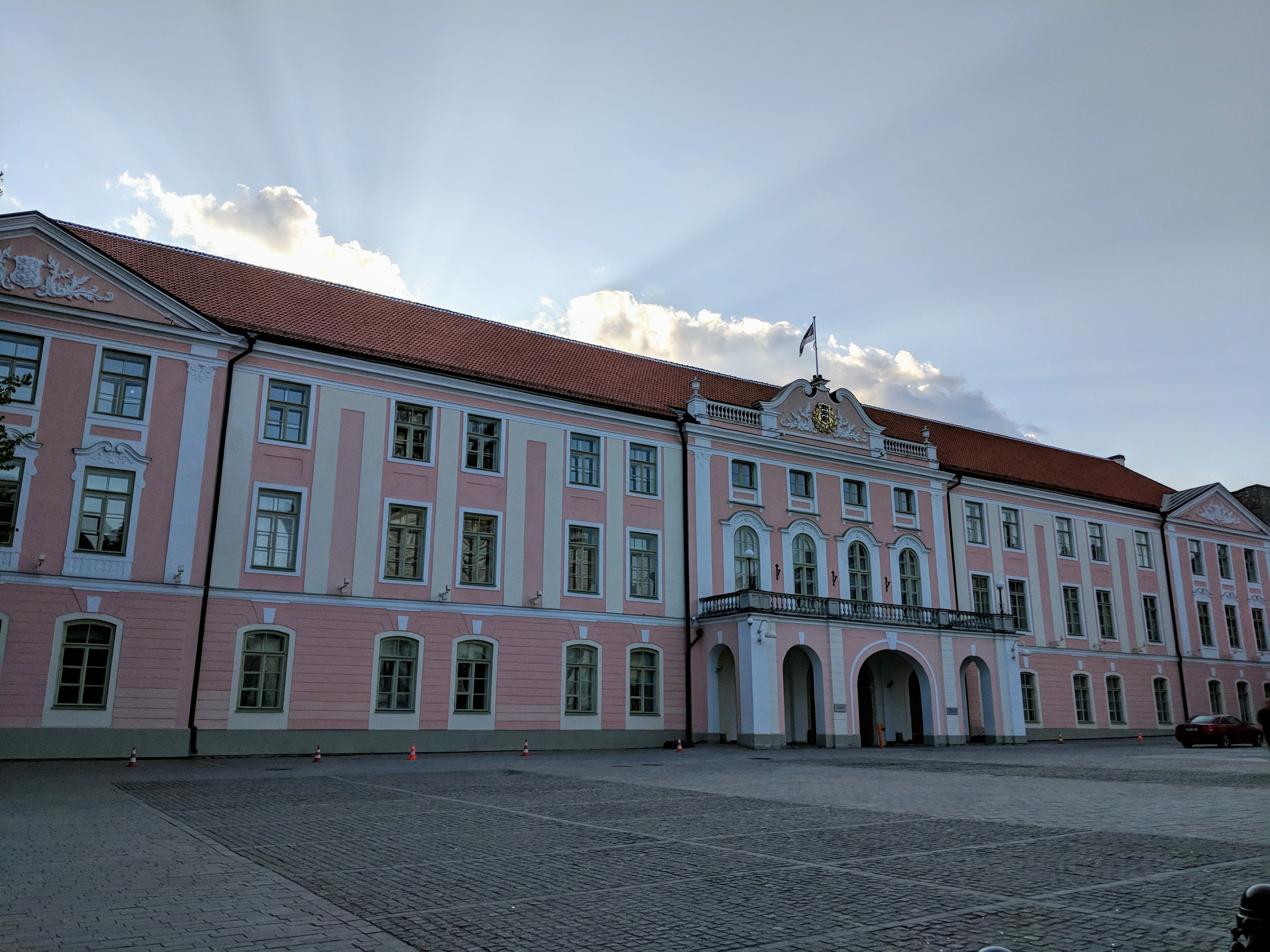
Toompea 
Alexander Nevsky Cathedral
Estonia’s history is relatively short, having been ruled by *intakes breath* the Danes, the Swedes, the Germans, the Soviets, and back again multiple times. At one point, they were able to claim independence when the Germans retreated, only to be taken over by the Russians one. day. later. Sigh. They’ve been a nation since only 1918 and fully independent only since 1991 when the damn curtain fell. All of this to say how surprising it was to see this iconic Russian church right next to the seat of Estonian government. Local reasoning for this is when the Soviets left town (for good?), it cost too much to demolish the behemoth, then when tourism started, they thought ‘hey, people sure do like to spend money on pretty things… maybe it stays!’


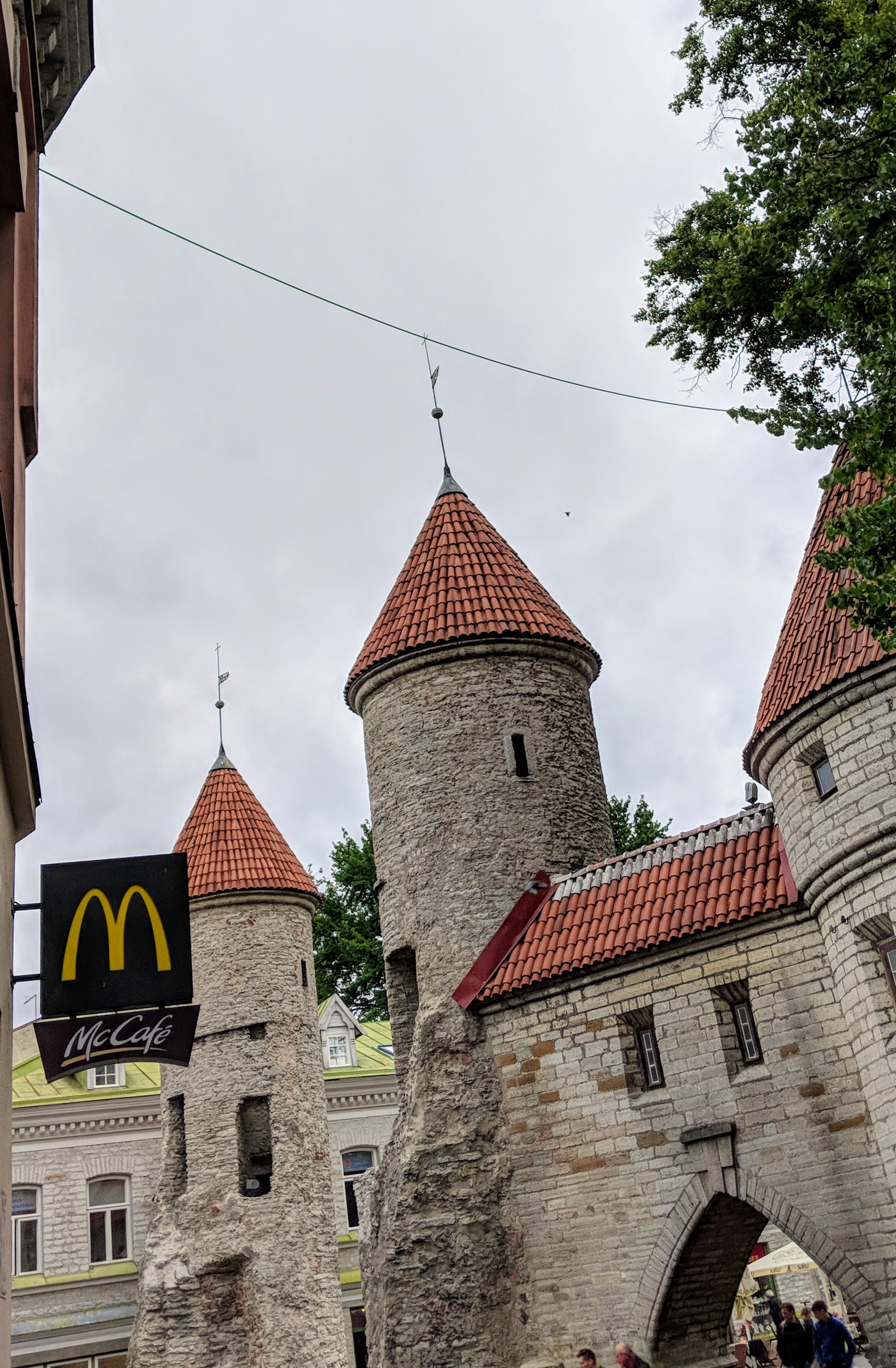
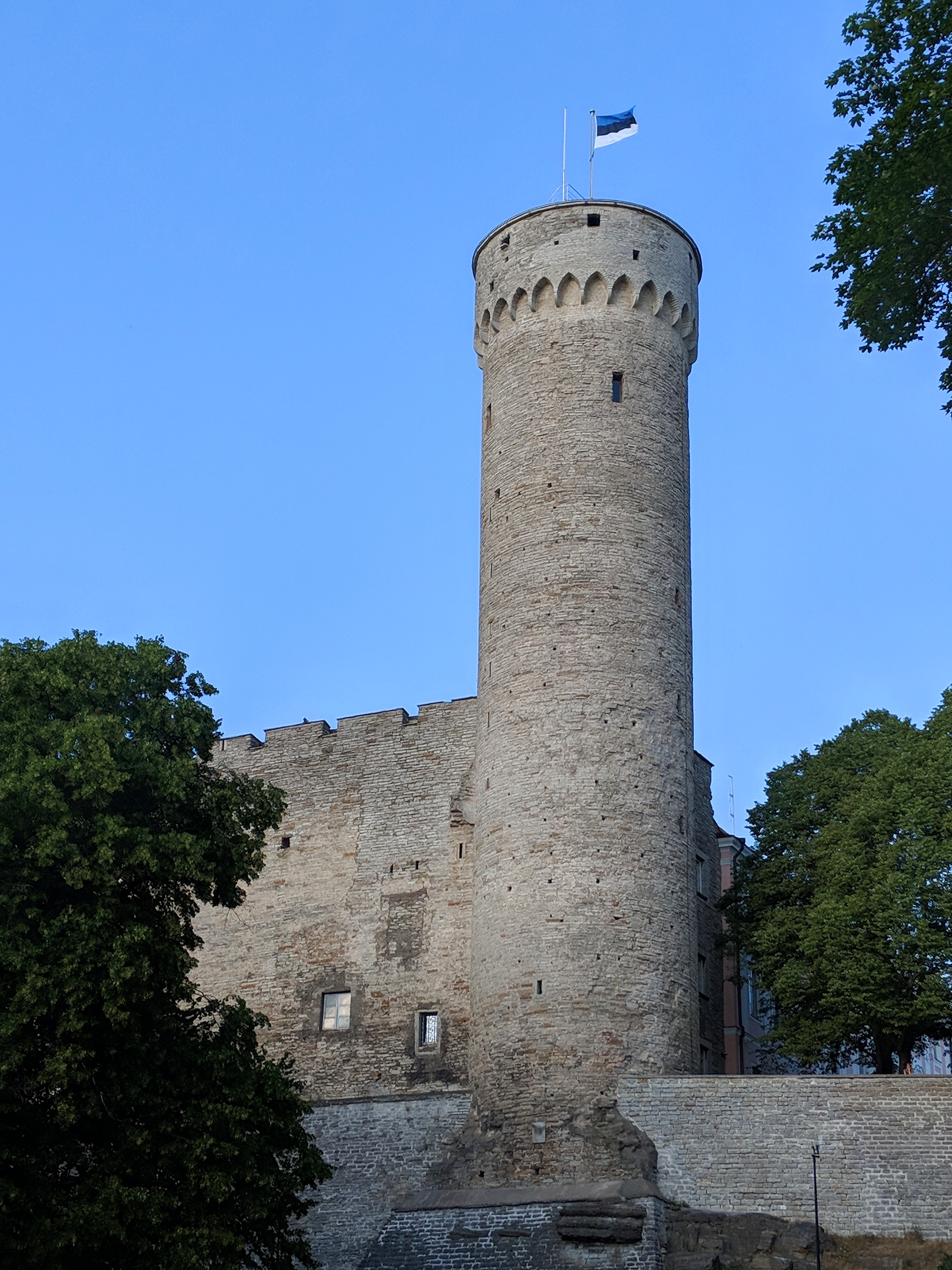
Tall Herman 
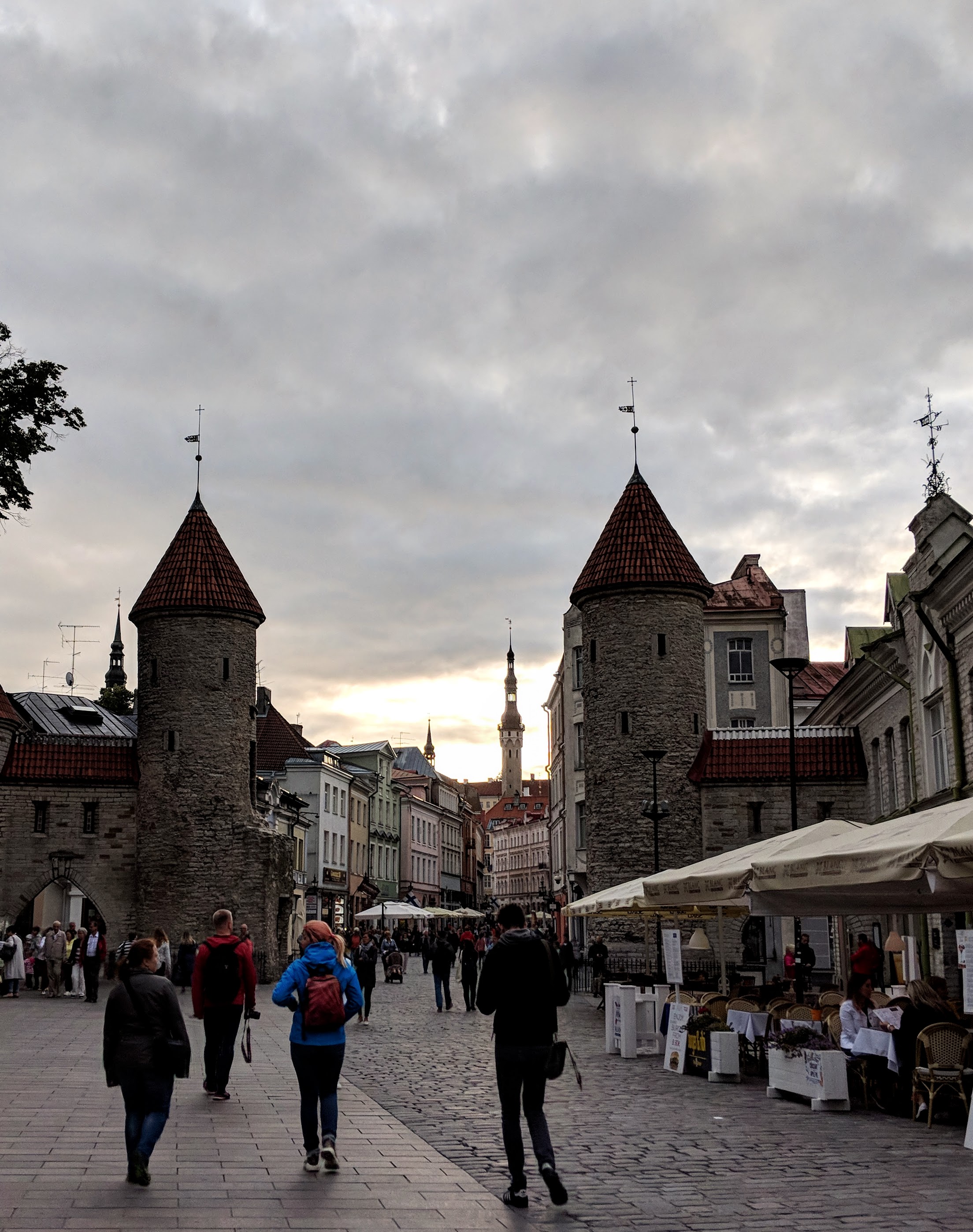
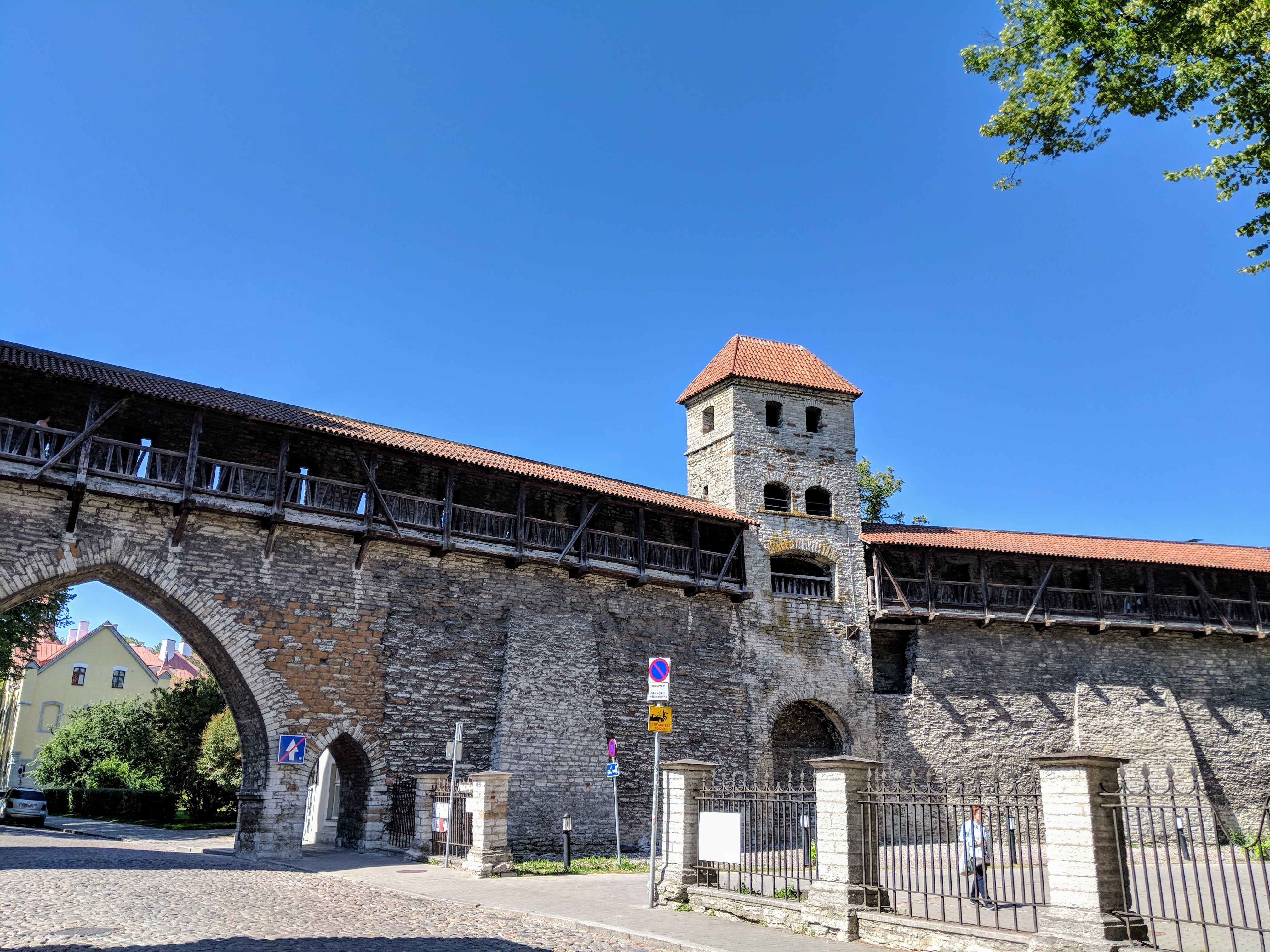
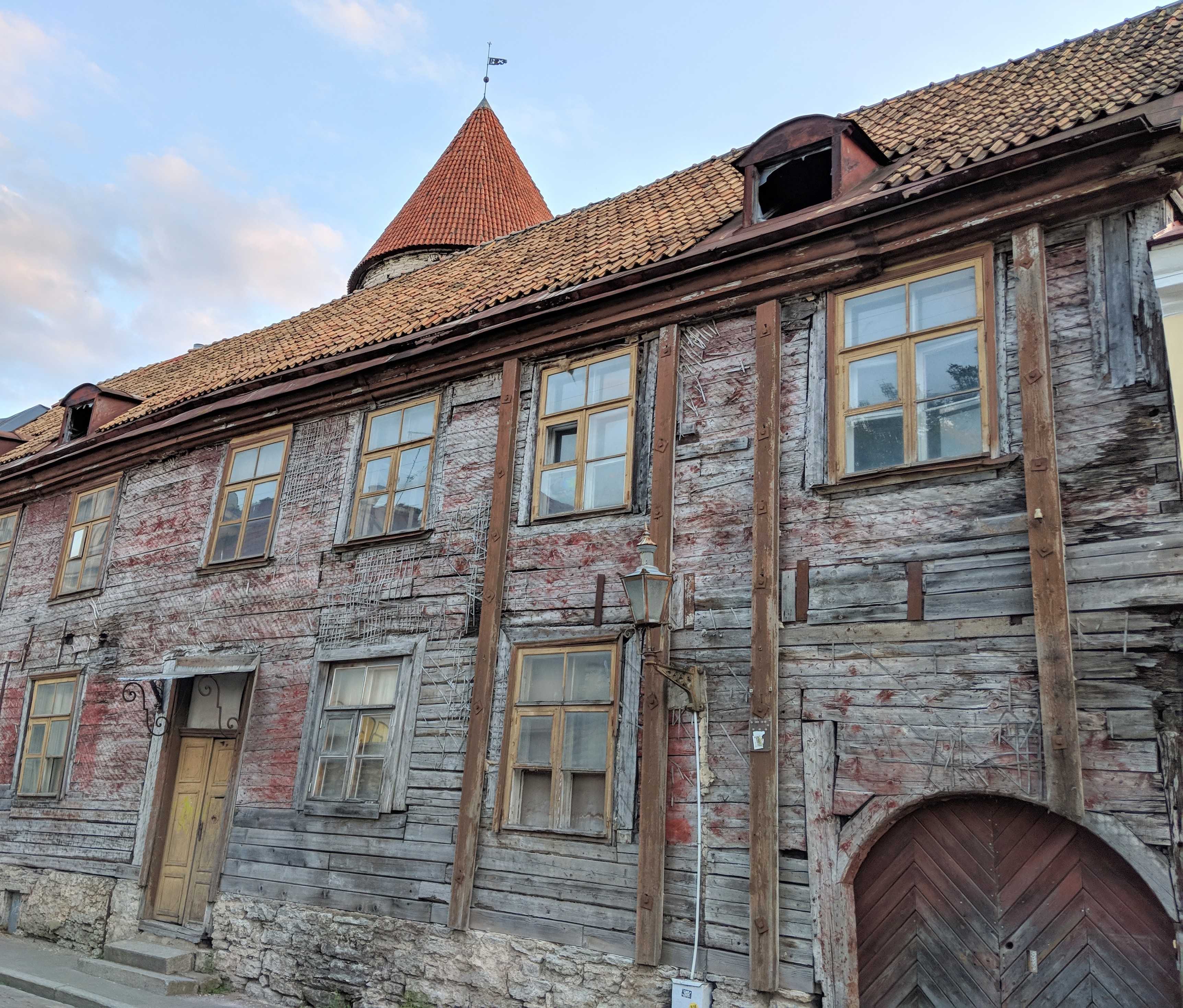
The Old Town of Tallinn is made up of upper and lower town, common among places with similar histories of being the chew toy between greedy nations. There are several remnants of the city walls and towers, including the affectionately named ‘Tall Herman’ and ‘Fat Margaret’ towers. Legend has it that if lovers were out past midnight, they were turned to stone so when Herman and Margaret didn’t quite make it back to mom and pop by midnight, they were turned into these striking towers; one tall and thin, the other squat.
Another claim to fame in Tallinn is that it is home to the oldest-still-working-and-hasn’t-moved-location pharmacy in Europe. There are a couple which are older, but they have been relocated at some point. On the floor of this building is a map rendering the Old Town in the 15th century which could be used today by any tourist without a smart phone. The streets are still the same, but likely less smelly now.
The Old Town is a compact maze of winding streets, narrow passageways, a big town square, and jewels of ambiance secreted away inside beautiful buildings. Having been built on what I can only assume is the only hill in Estonia, there are places to gaze out over the entire town. It was from one of these vistas that a tour guide told us about the Telliskivi Creative Center. It’s an old industrial district that the Estonian hipsters have turned into a funky neighborhood where folks can spend all day drinking, eating, and soaking up the amazing street art and atmosphere. I ate some pretty yummy crepes (called pancakes) from an upcycled rail car in the ‘depot’ area before wandering to look at the uber cool graffiti artfully drawn all around. One vantage point had me looking up to see broken down industrial fences covered with colorful graffiti, backed by glass modern business buildings, with medieval cathedral spires in the distance. It’s in that situation I wish my photography skills were better because, wow.
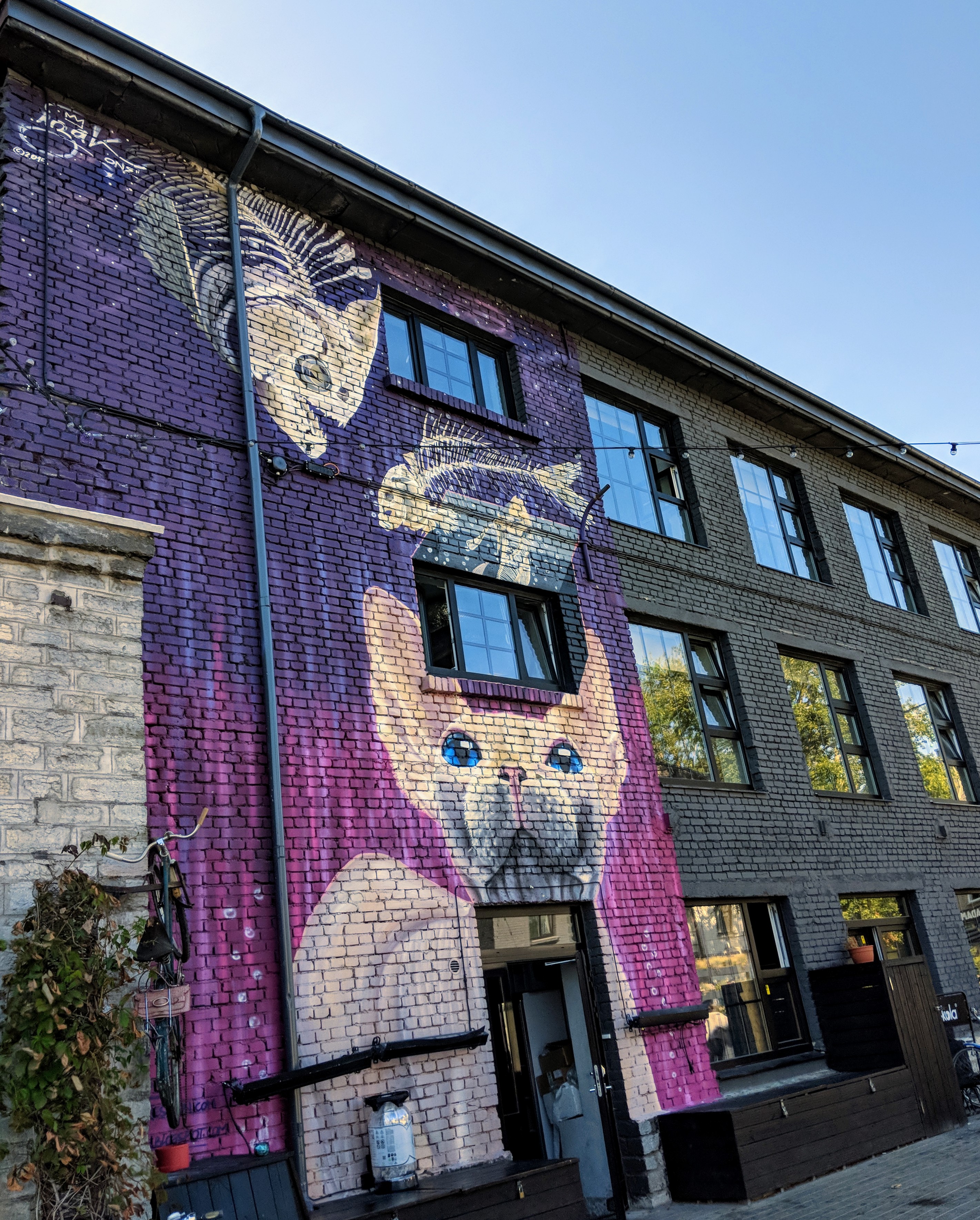


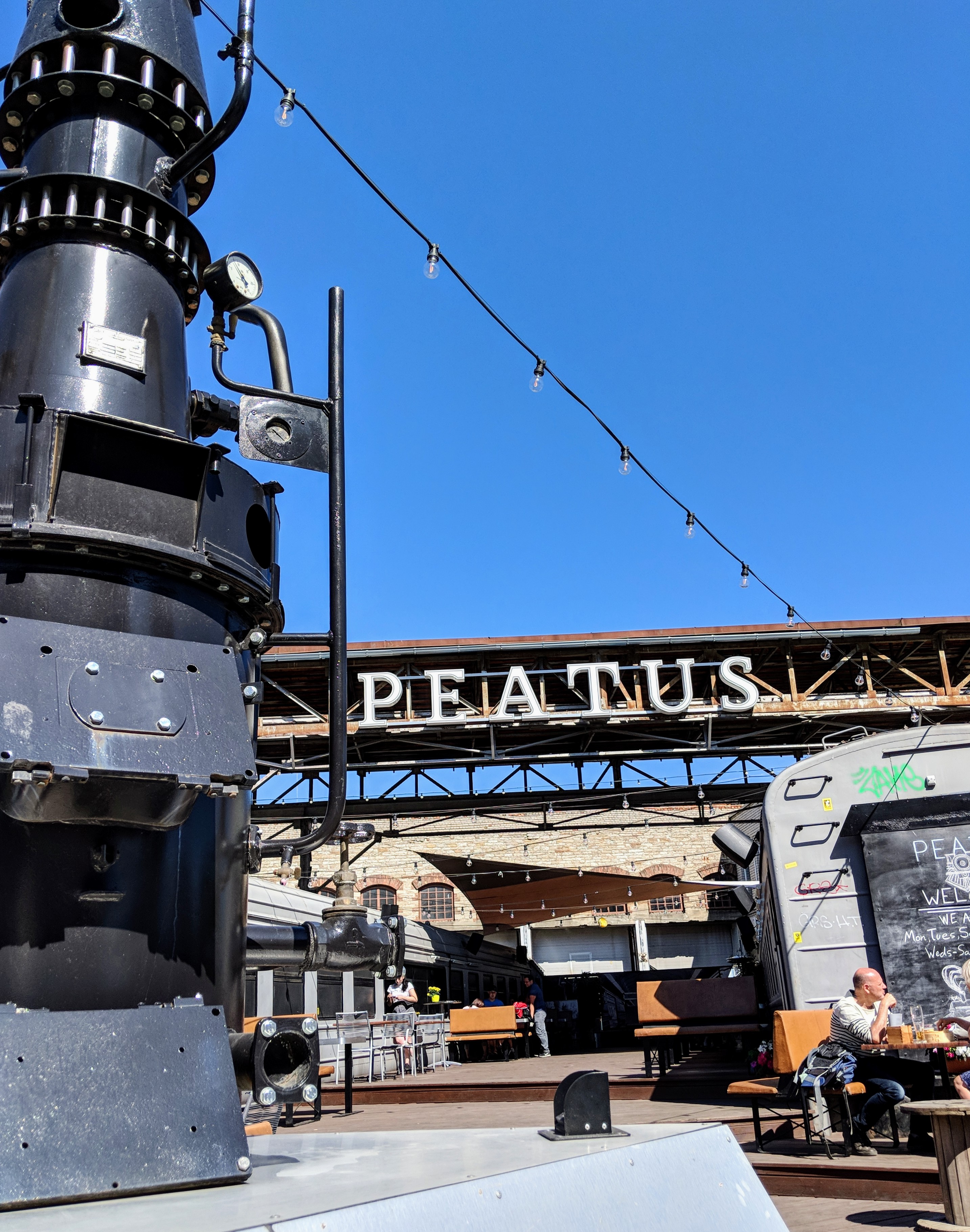
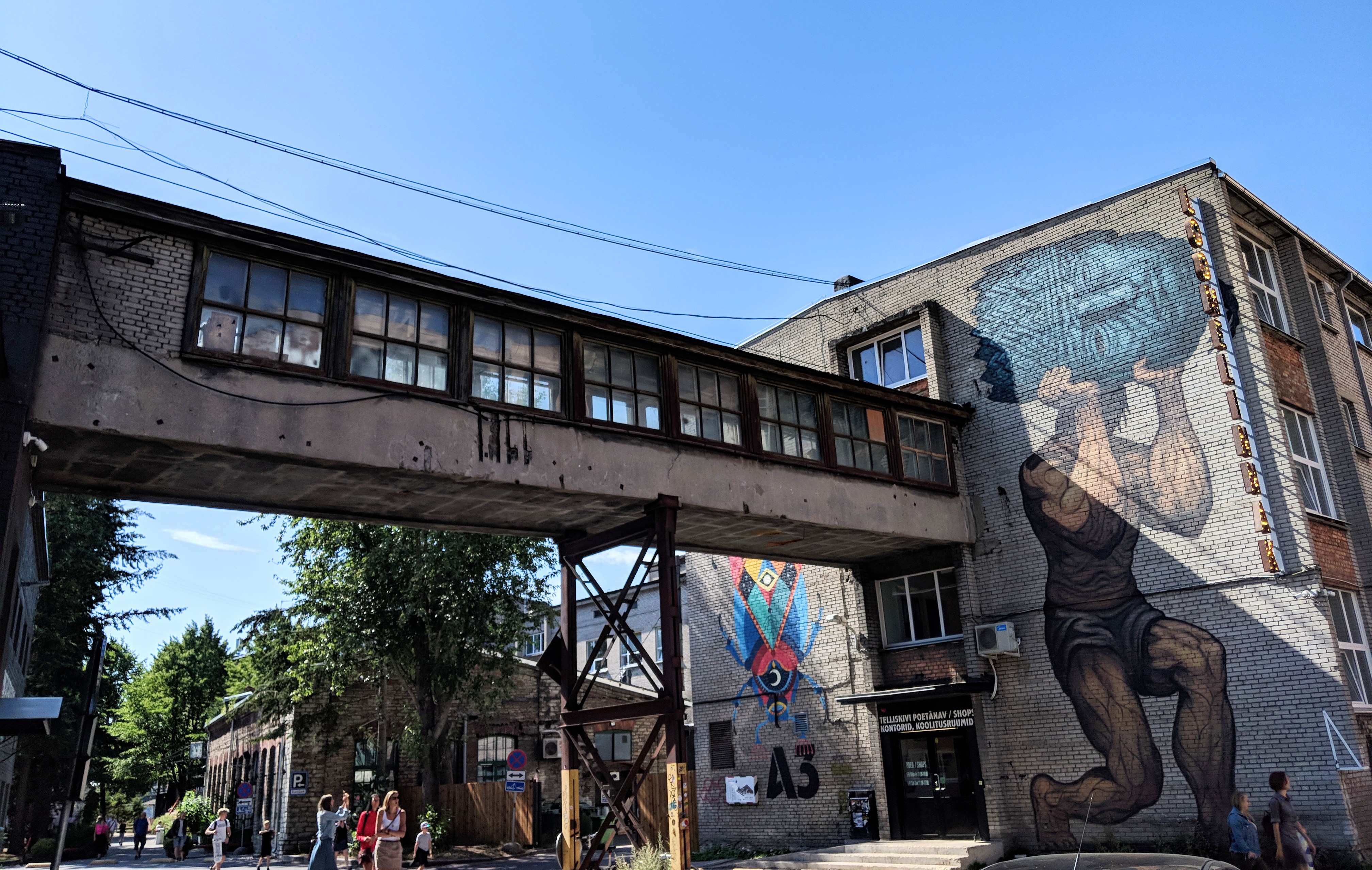

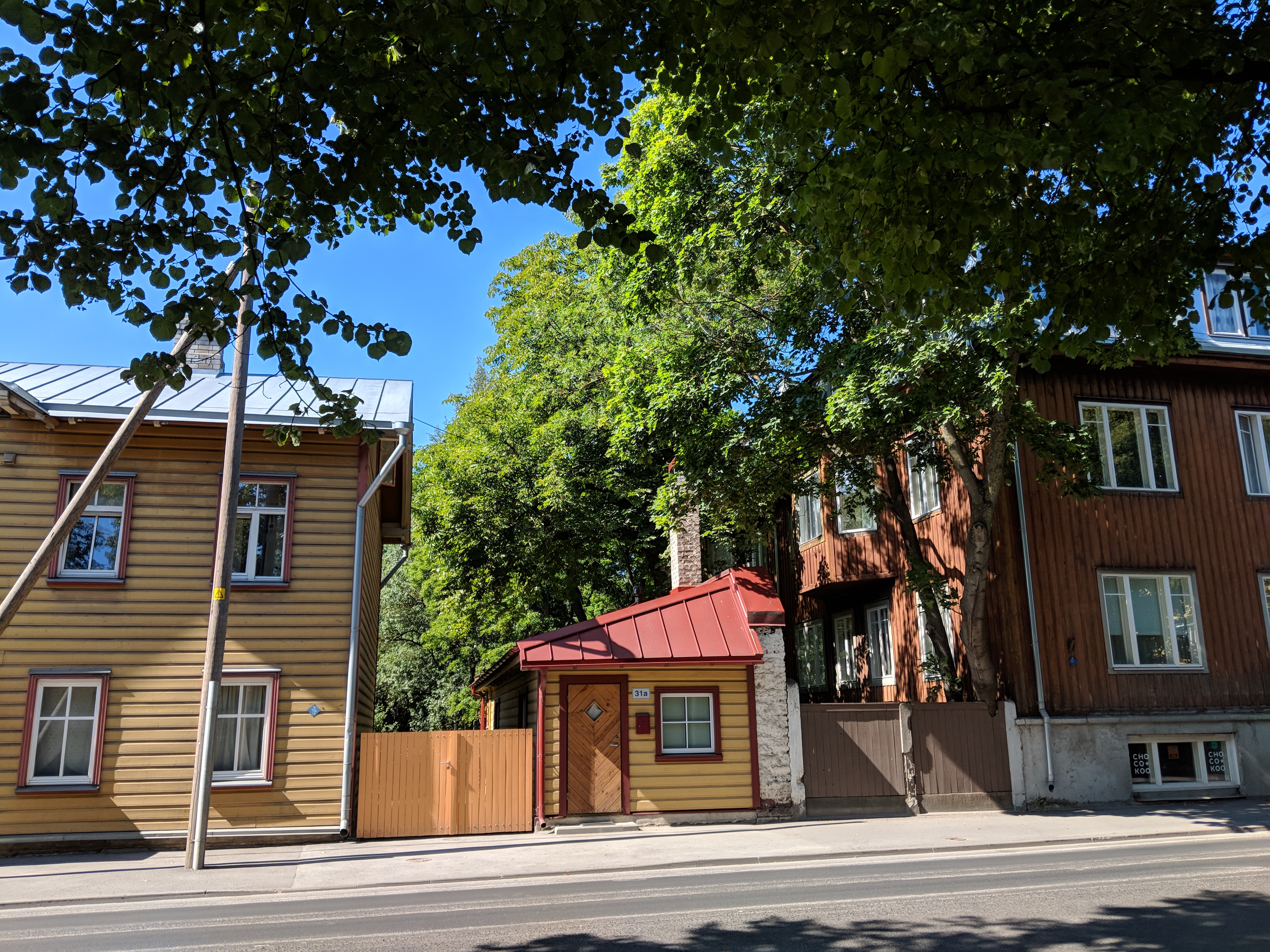
Estonia is a prosperous country these days, but my impression of Tallinn is that the locals were just as surprised by that as I! Tourism seems to be an uninvited, but pleasant guest to the region. Cruise ships even started docking in Tallinn’s harbor about five years ago, bringing with them hoards of people. From my selfish perspective, this makes me happy because that also means that not only is everything repeated in English, but they also actually have free WiFi hotspots – hallelujah! In every nook and cranny of Old Town, you’ll find some expression of Estonia, creatively crafted to entice us foreigners to visit – be it medieval restaurants with live music and pottery as serving utensils, sleek bars touting Estonian wines, Estonian-Indian food smells wafting out to catch your attention, or the myriad chocolate shops intent on providing an Estonian theme with their chocolate bars filled with peat from the bogs or made from Kama, an Estonian flour mixture which tastes amazingly like chocolate. Outside of Old Town, you’ll find many of the big brand stores for locals and tourists to shop designer.
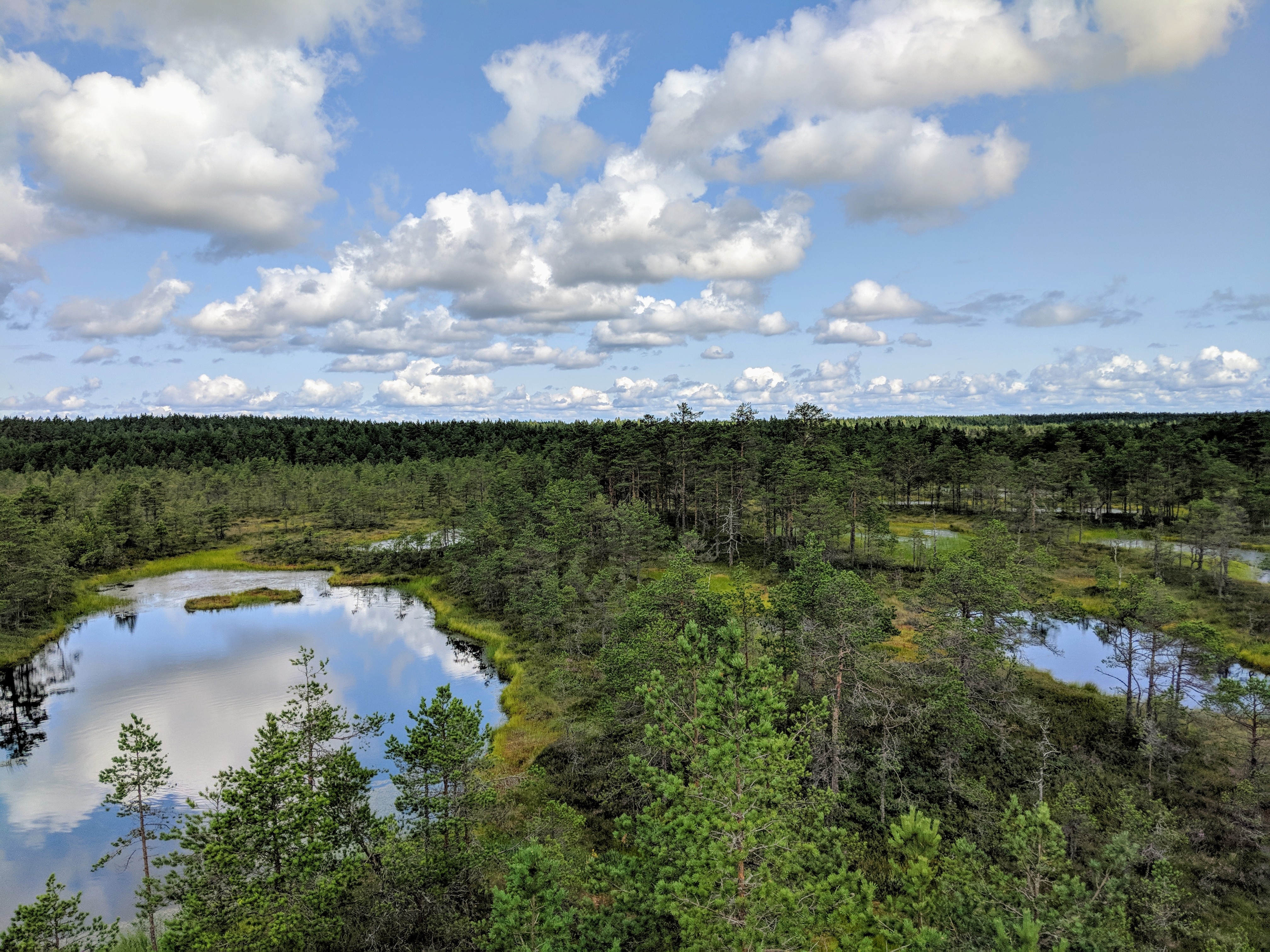
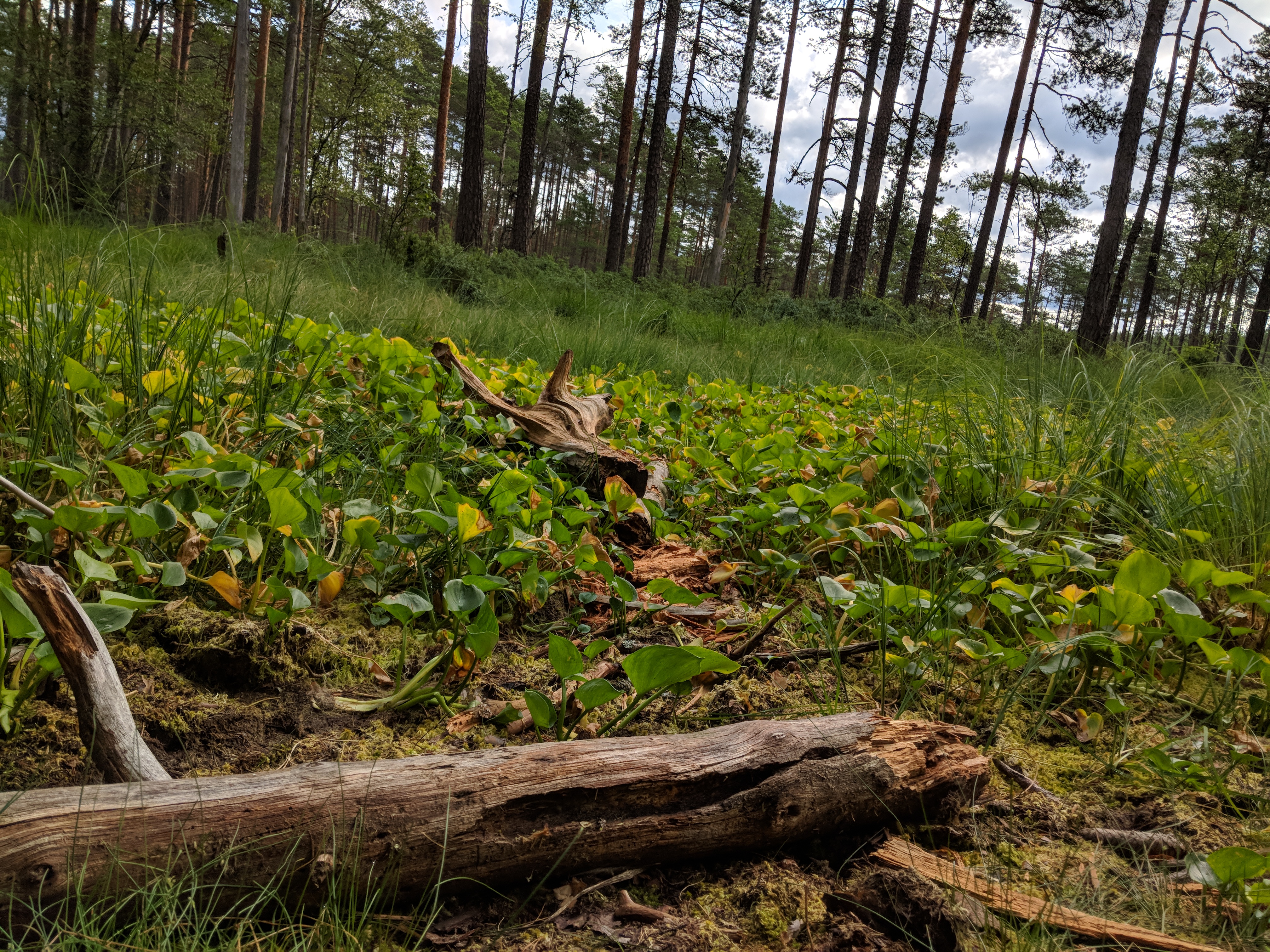
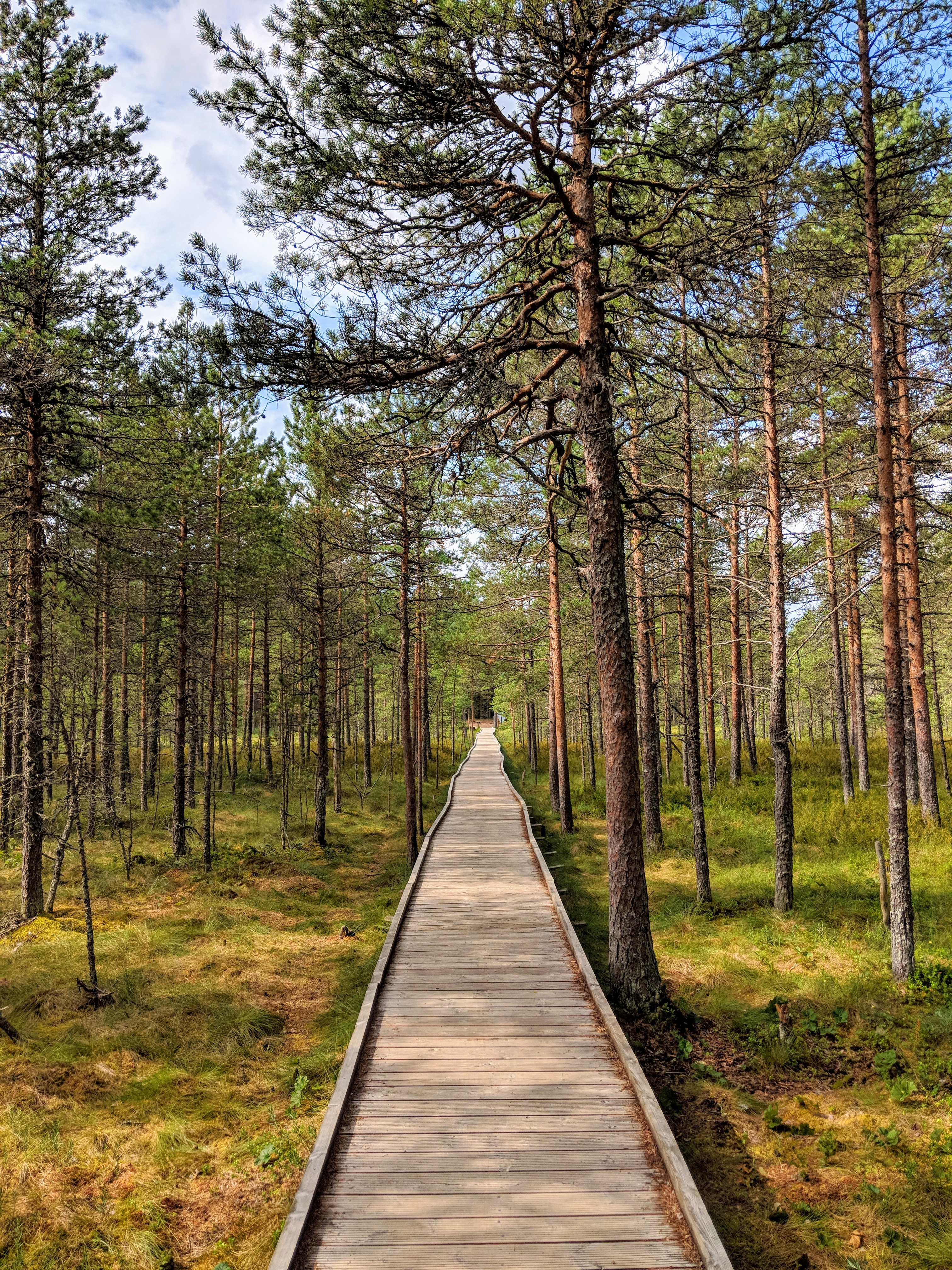
I took advantage of a tourism tour to the Lahemaa National Park up north and can see that although Estonia is embracing the influx of people, they still have a ways to go in highlighting the region in a repeatable manner. Our guide was an absolute nature lover, obvious in the way he lit up when we stepped into the forest and later, the bog. He instructed us on the flora and fauna of the region with adoration in his eyes. The Baltics are flat and Estonia is no exception, so one can see the dedication it takes to become an expert navigator in the lush woods with nary a landmark to be found. Even the waterfalls aren’t tall enough to be dangerous were a person to hurl themselves over without a raft. Unfortunately, that’s where the delight ended. In more matured tourist areas, the guide would be animated with stories of the region, snippets of history and local culture, and site stops carefully selected to seduce the foreigner with their charms. Alas, this was not the case. What I can tell you from this trip is that the bogs are an amazing and fragile ecosystem, growing a plethora of organisms at a rate of only .02″/year. Being the dry season, our bog was less spongy than in spring, but we still got a chance to witness things like kill zones; ponds within the bogs that very quickly go from walkable sponge to swallowing an entire human within mere inches (think wet, green quicksand). There were also several beautiful small ponds left behind by the lake who retreated so many moons ago, creating this bog. These little lakes are popular swimming sites, though anyone with an appreciation of nature would recommend sealing them off from the public for fear of ecosystem degradation. There are bog trekking tours where folks don bog shoes, reminiscent of snow shoes (and double as such in the winter), to explore the vast bog regions. It’s hard to explain the smell of a bog; though you might think (wish) it smells like a well crafted, smoky whisky, you’d be wrong. It’s… fresh. It’s… earthy. I can’t recreate it for you, so I’ll quit trying. Coming from the wonderful world of green, myself, I was happy just being in this fascinating place.
Fishing used to make up much of the Estonian economy, but when the Soviets retreated, they left a lasting gift of chemical barrels in the sea. These chemicals in a sea which recirculates at a very slow rate, have rendered the harbors unsafe for wildlife these past 30 years.

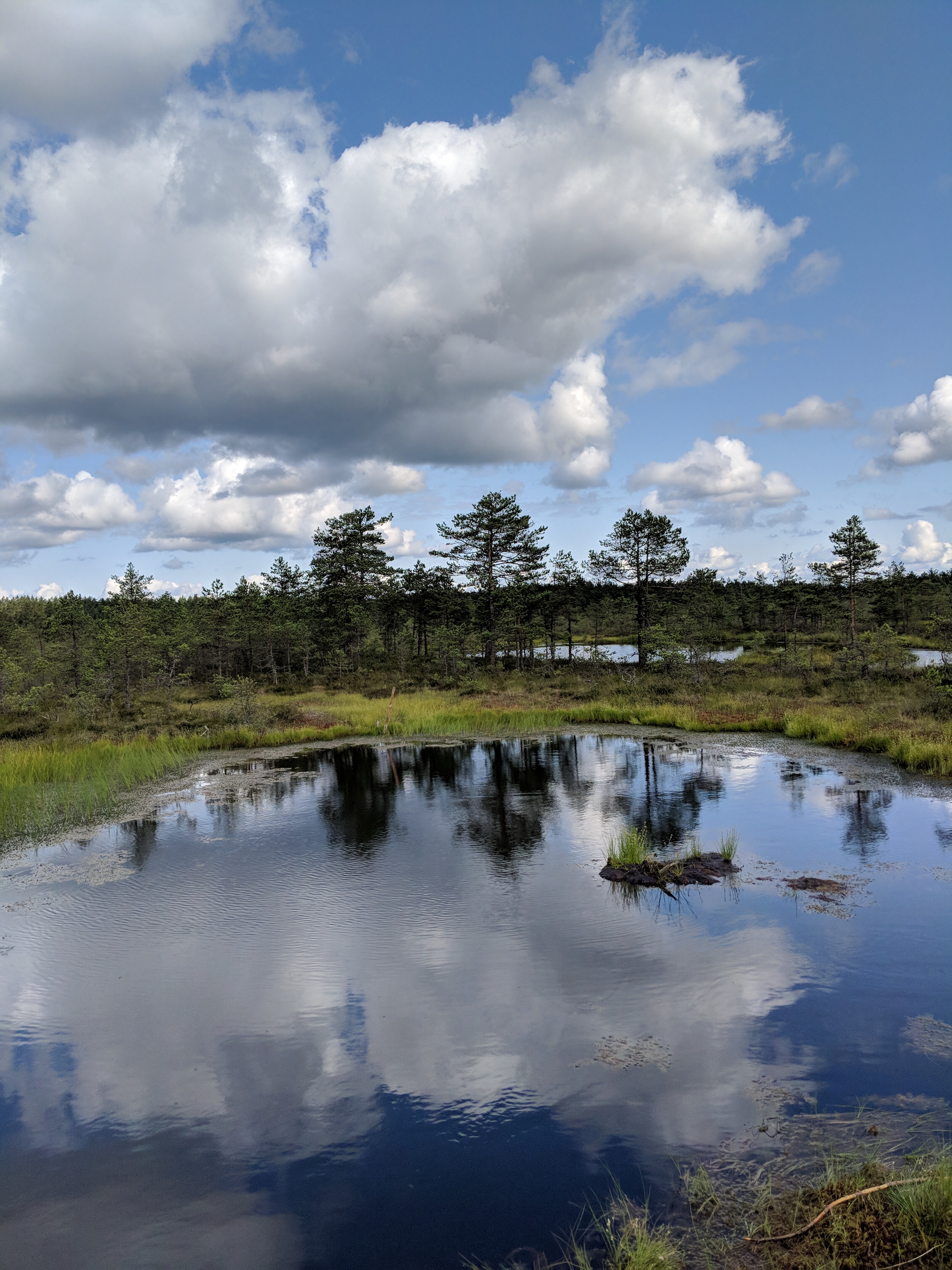
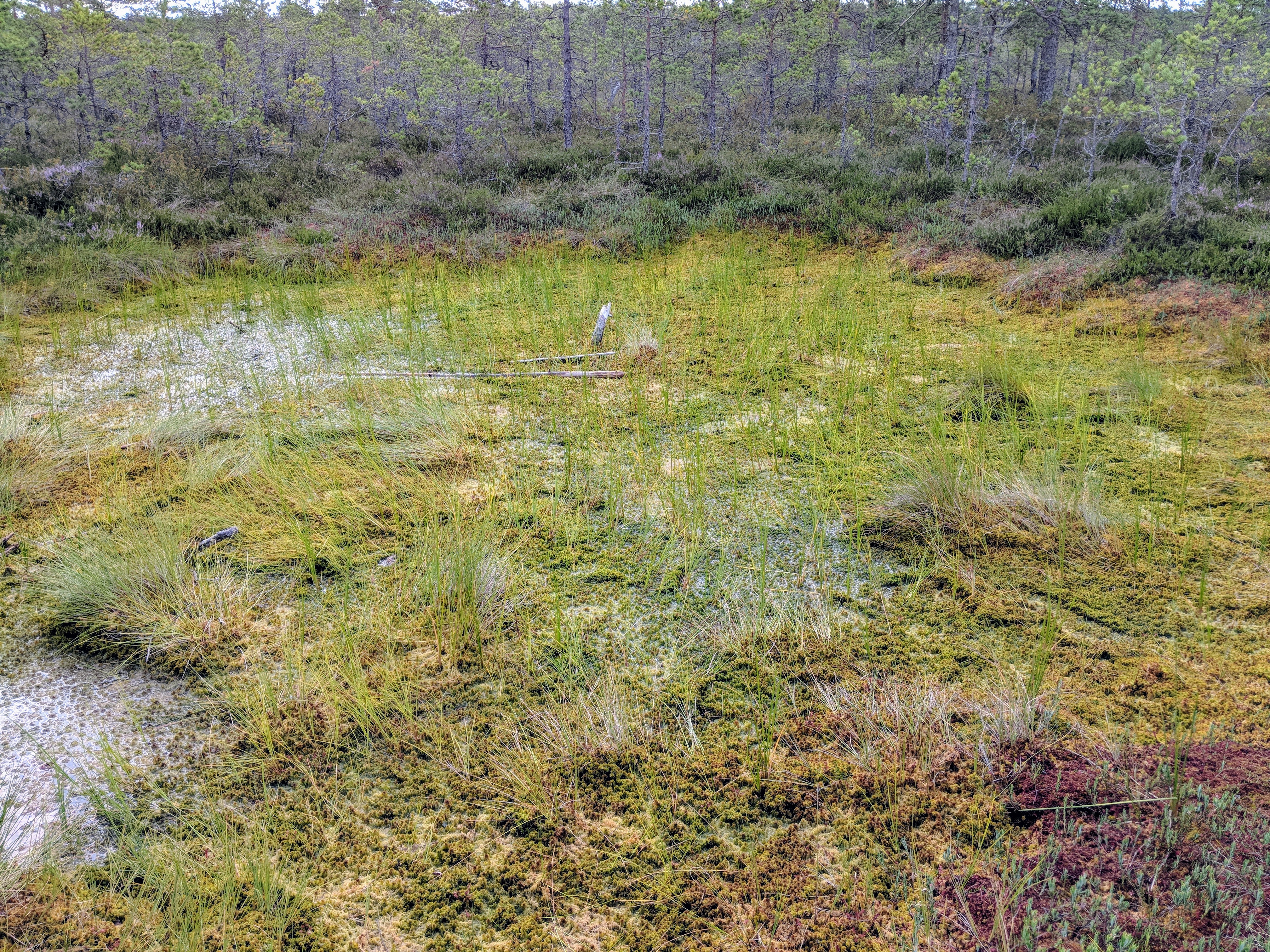
Watch out! 

I’m spongy 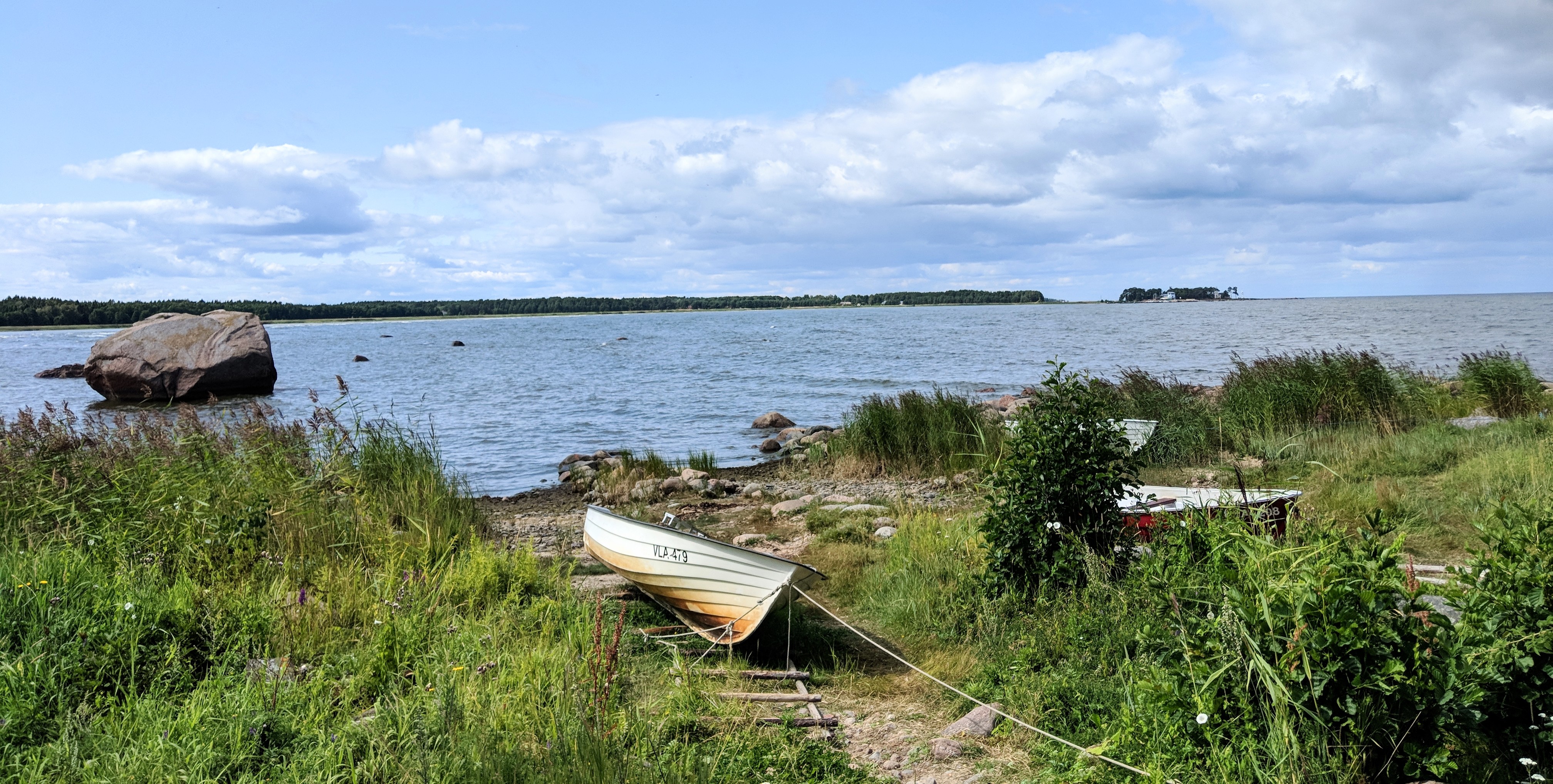
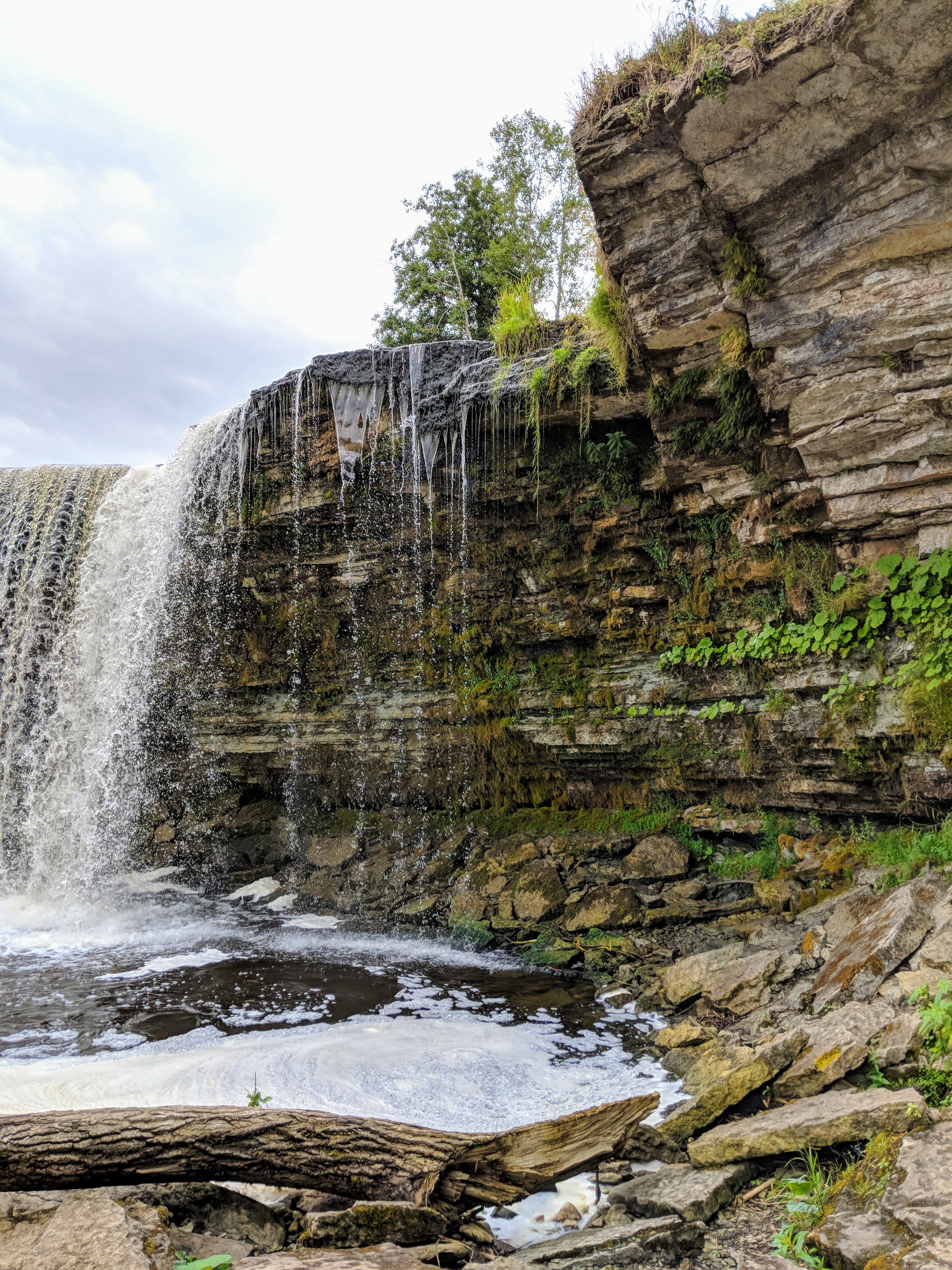
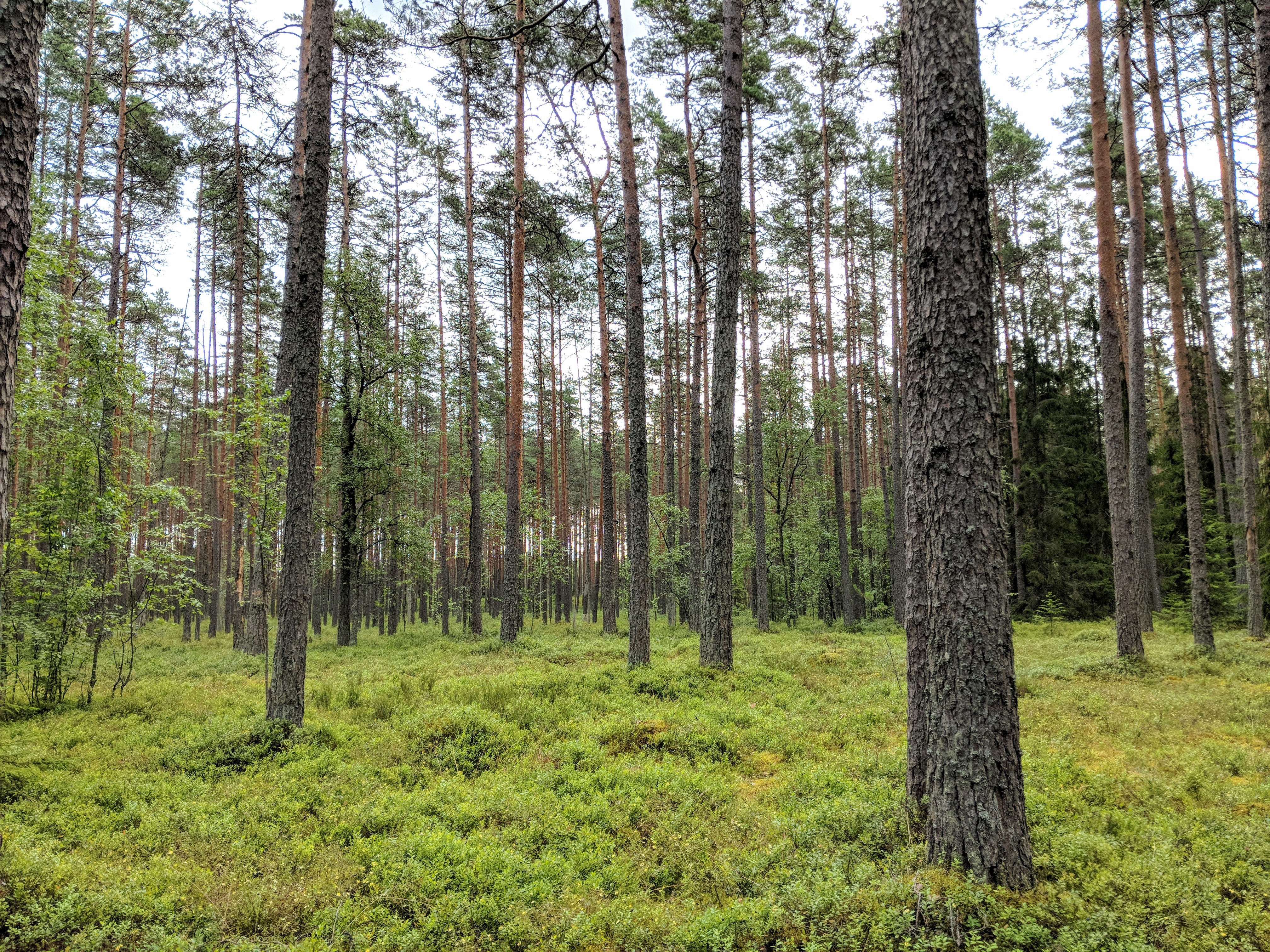
Having such a recent history with Russia, 25% of Tallinn is made up of folks who are, speak, or identify as Russian. Much of the culture in the city still caters to those remnants, though Estonians would prefer to team with other post USSR countries since those allegiances align a little better. Being the adaptable folks they are, though, it’s understood that the people aren’t the problem, but the politics, so they find ways to get along and obviously, prosper together. Another result of such recent conflicts is the mandatory military service all male Estonians are required to participate in. Each man is required to serve an 8 or 12 month enlistment in the military where they learn the basics of defense. The service may be delayed by up to three years due to certain circumstances, but it is definitely mandatory. There is, of course, voluntary military service in which some men choose as a career and women are allowed, though the women’s focus is not just fighting, but also defending homestead life. Once the basic training has been completed, the government reserves the right to call these individuals to defend the nation until they reach the age of 60.
One thing most Estonians won’t fight for is religion. The country is notoriously anti-religion. As an example, in a city of 400k folks and Catholicism being its third largest theology, when the Pope visited, only about 6k folks showed up. The main reason that Lutheran is even the country’s documented faith is solely because back in the day, you couldn’t become a city without being Christian. You’ll hear the bells ringing for services throughout town on Sundays, but you will see no mass congregations of church dresses and suits.
I felt as though I could easily stay in Tallinn for much longer. Even though the food is largely adapted from other cultures, it is delightfully yummy, the weather is perfect for a Pacific Northwest girl who hates the heat, and the variety of things to do could keep me busy for weeks (I regret not having been to a boxing match. Not!). I barely had a chance to understand exactly where to get off the bus; the stops are not published on a lit sign inside and the habit is to call out not only the very next stop, but also the stop after, so my ears still had some adjusting to do (I’m sure my mother believes that will always be the case). In addition, the Finno-Ugric language of Estonia is one sprinkled very liberally with vowels. It would take me months to master even the smallest of phrases, so I better go before they start expecting me to do just that! There is still much of the world to see and I’m excited to compare the Baltic capitals to see if I share the views of my Airbnb host!
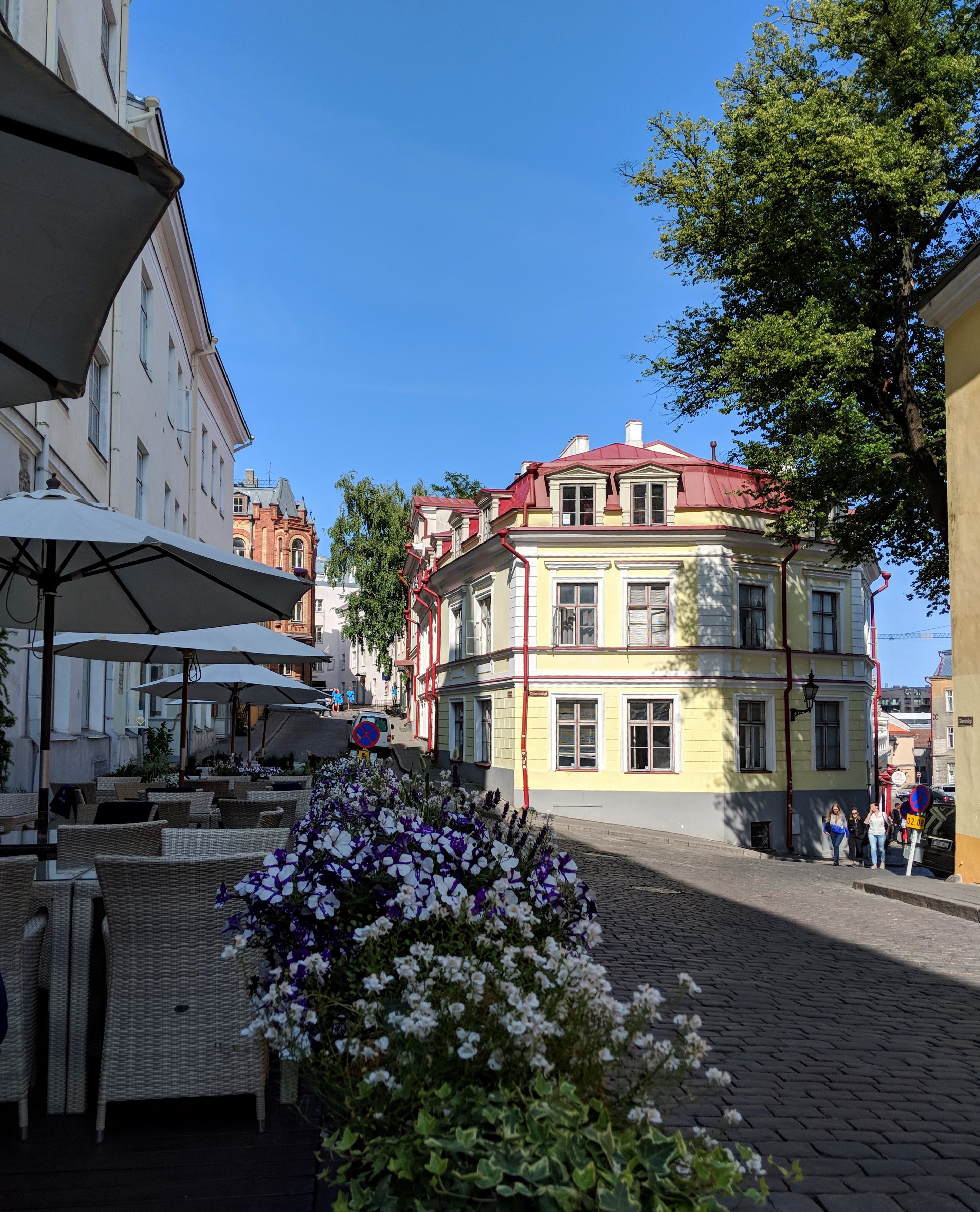
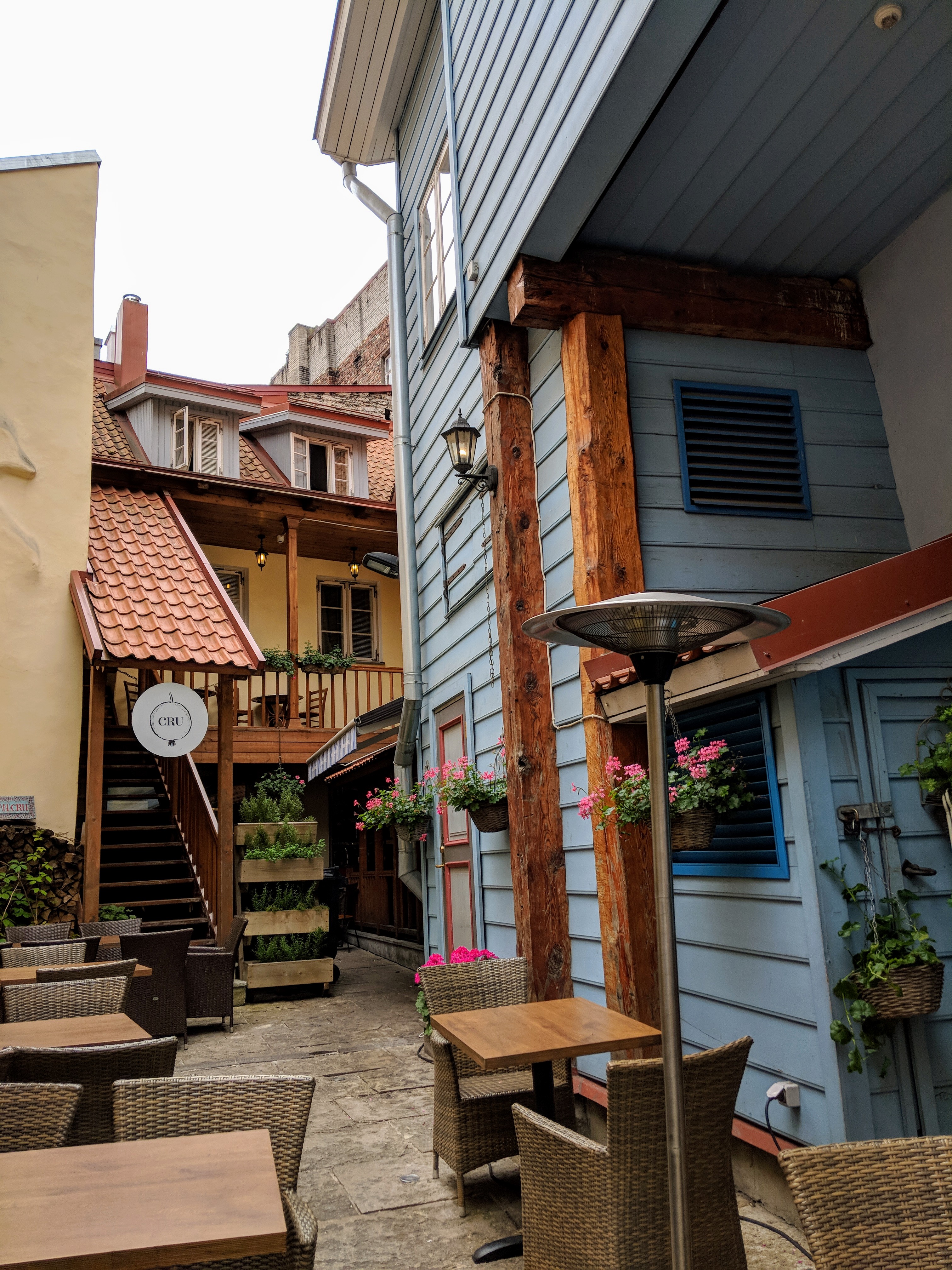
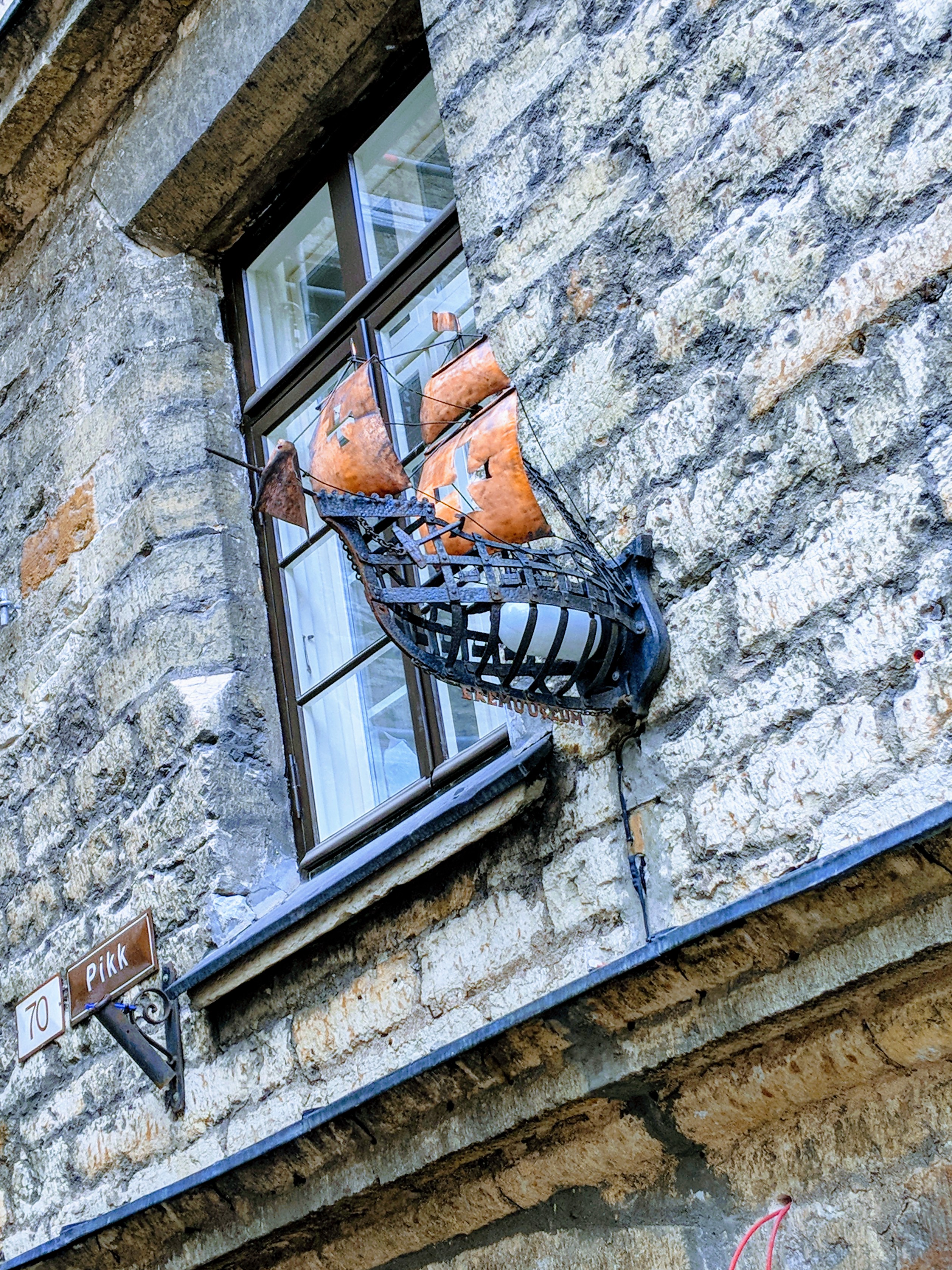

Underground lighting 

Berries everywhere 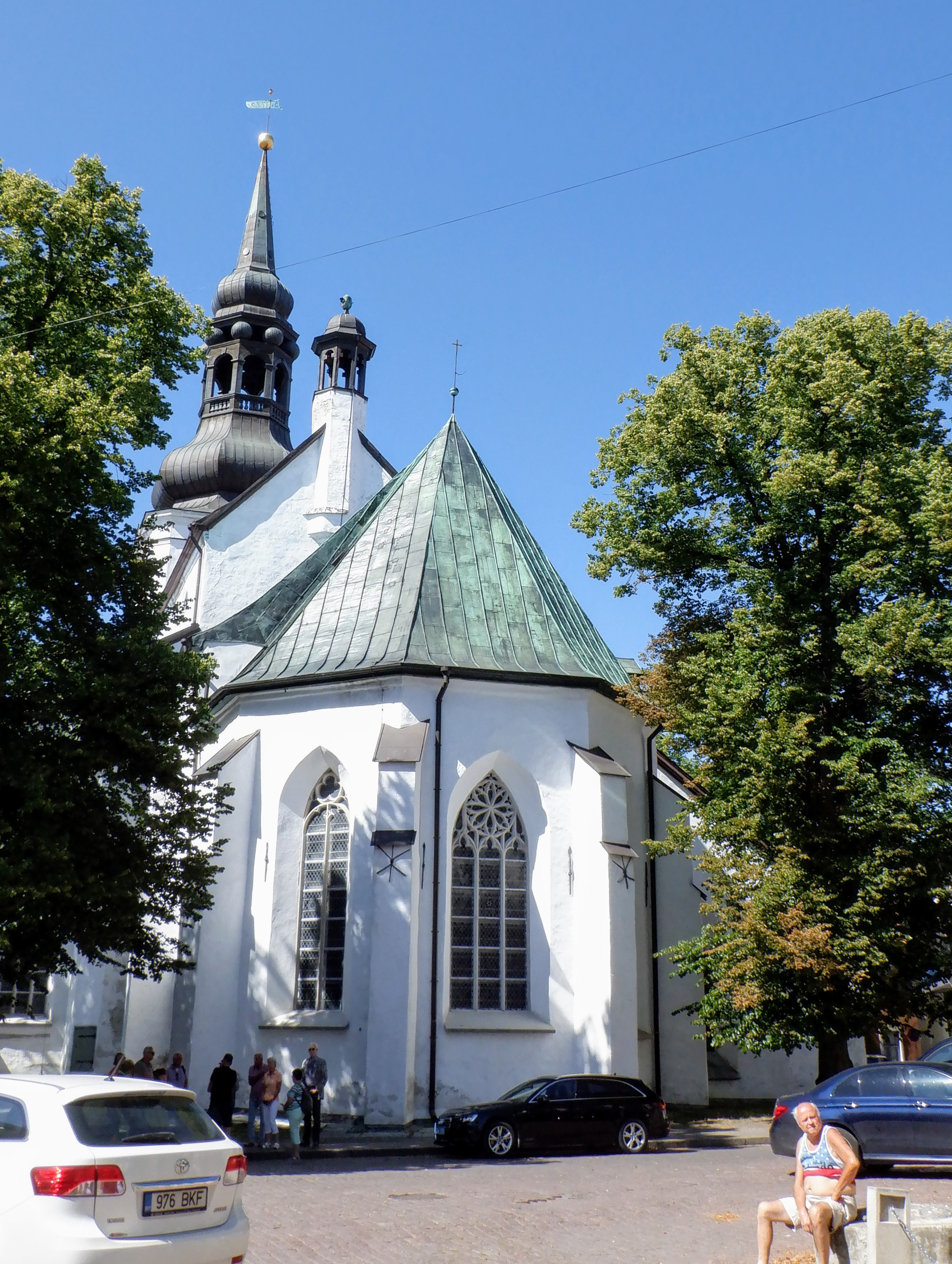
It was a hot day 
One from Oregon, one from Canada 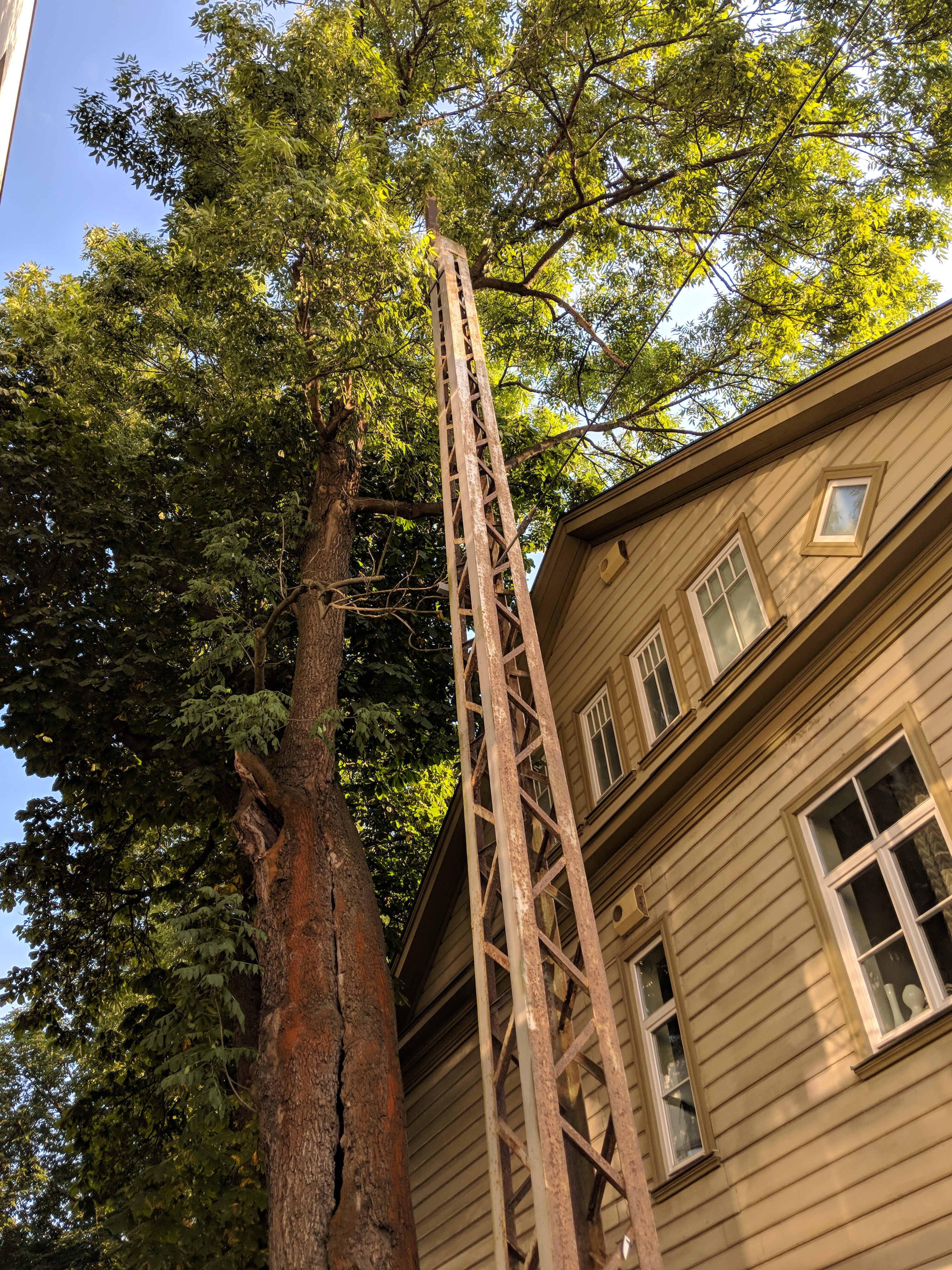
Electric poles 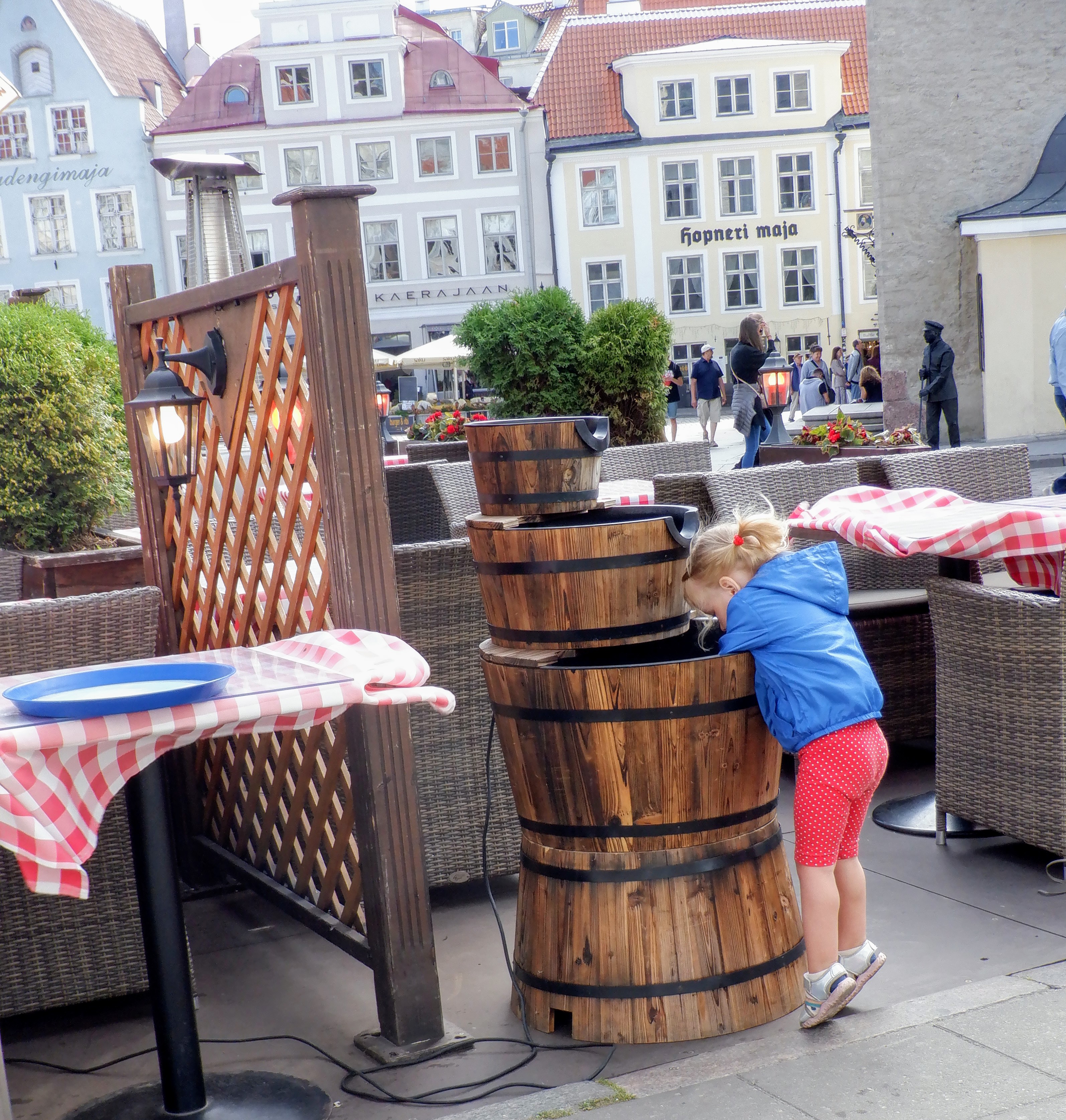
 Exploiting Life